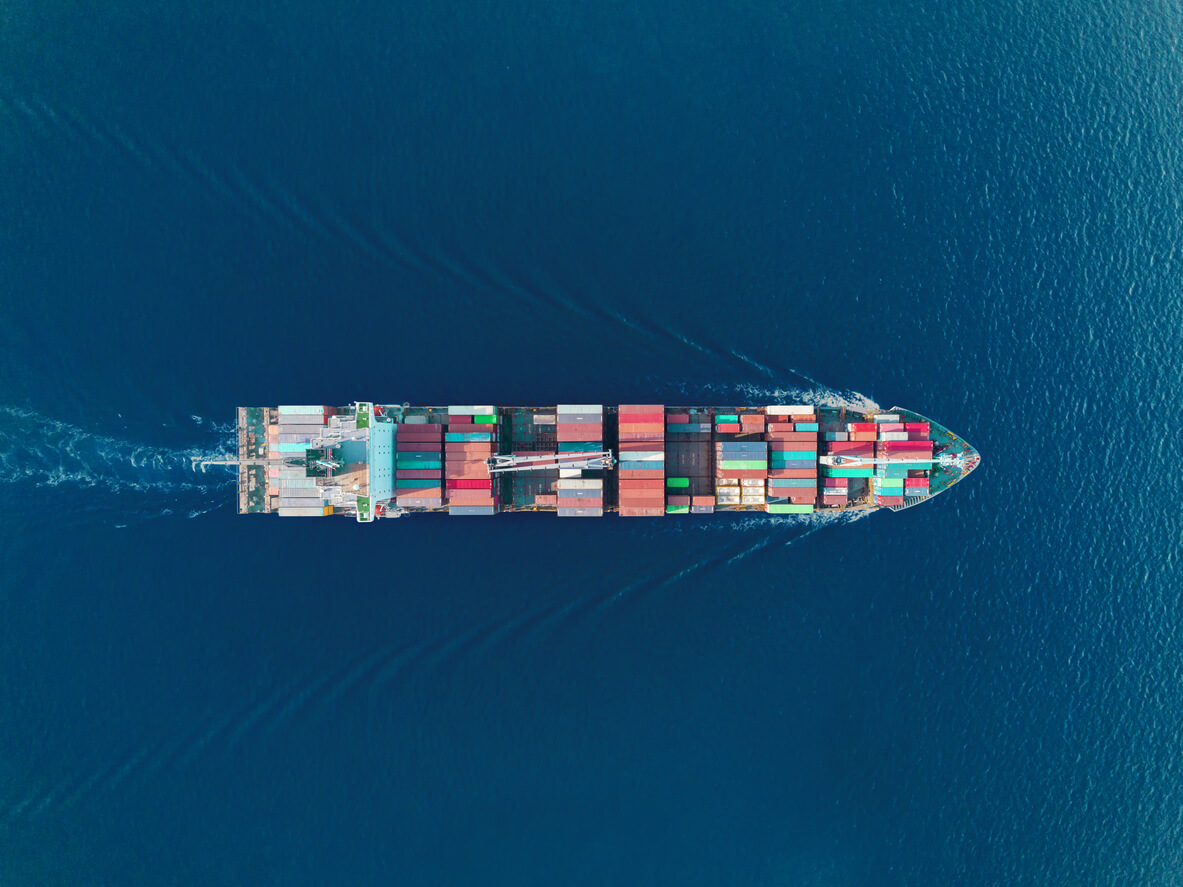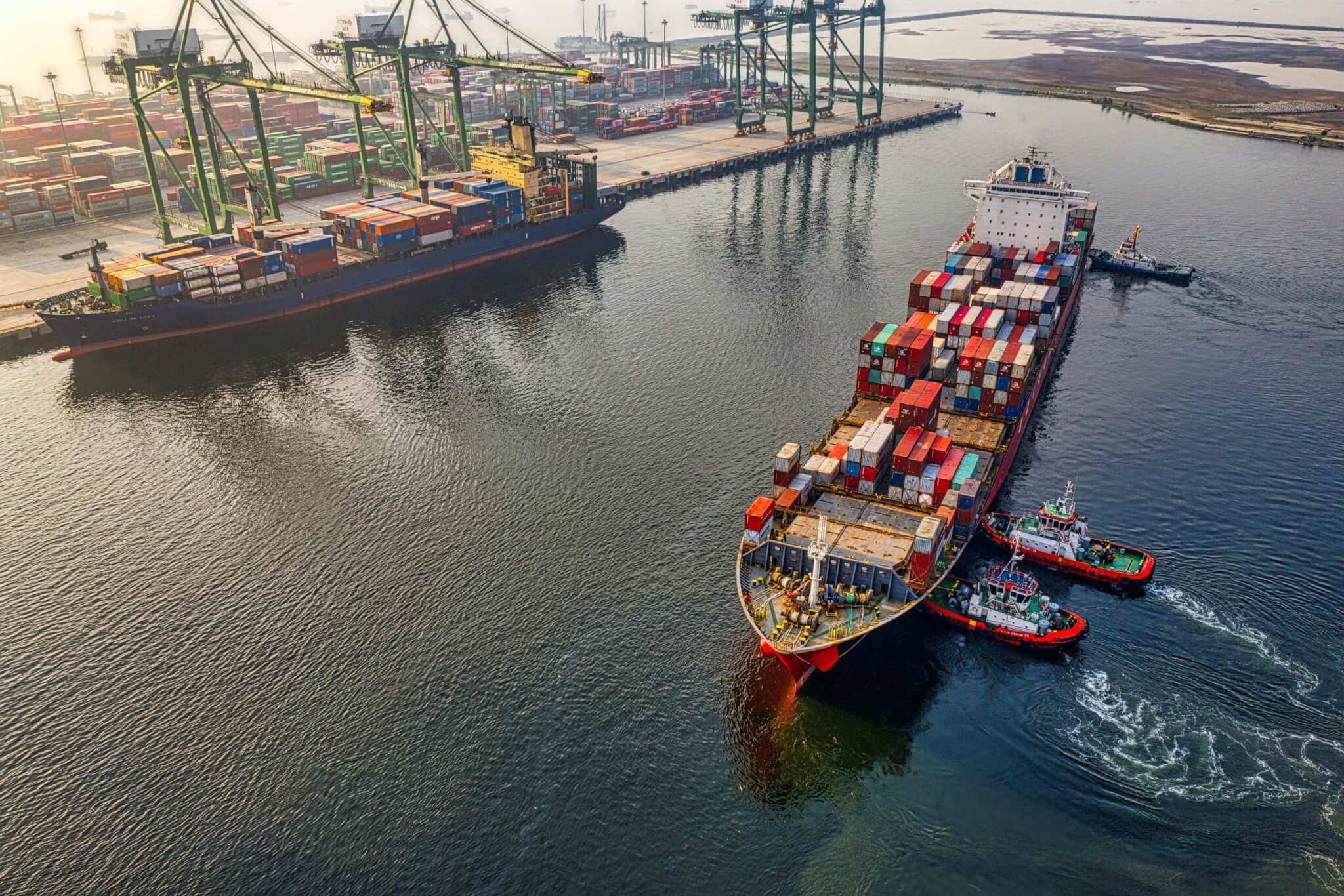
Earlier this month, President Trump extended a temporary waiver of the Jones Act for a third time, letting fuel and fertilizer move more freely between American ports. The 1920 law requires cargo shipped between U.S. ports to travel on American-built, -owned, -flagged, and -crewed vessels. Since March, the waiver has allowed foreign-flagged tankers to carry fuel, fertilizer, and other covered products between U.S. ports, and domestic fuel shipments have surged as a result. If the waiver expires, many of those shipments will stop, putting upward pressure on fuel prices in the places that depend on them most.
Eight months in, the waiver has made it easier to move fuel within the country, demonstrating how much domestic trade the Jones Act has been holding back. Each extension, however, is temporary. Congress should aim to repeal the Jones Act entirely, but a reasonable first step would be to write the waiver into law.
Defenders of the Jones Act often cite national security concerns. They argue that the restrictions preserve a domestic merchant fleet that could be called on in wartime. These concerns should be taken seriously, but recent research suggests that the law has been counterproductive, contributing to a decline in the U.S.-flagged fleet.
The reason is cost: Ships built in the United States cost between four and five times as much as those built elsewhere, so fewer compliant vessels are available, and those that are built are costlier to operate. Moving goods by sea between American ports therefore costs more, and consumers and manufacturers ultimately pay the difference.
Those costs have become harder to ignore. After the conflict with Iran closed the Strait of Hormuz in late February, oil prices soared, causing fuel and fertilizer costs to spike as well. In response, the Trump administration temporarily waived the Jones Act on March 17, citing national defense concerns and seeking to ease the strain on fuel markets. The waiver let foreign-built ships carry fuel and fertilizer between U.S. ports, and the results offer a rare look at what the law has been holding back.
In April and May, shipments by sea of crude oil and petroleum products from the Gulf Coast to the West Coast more than quadrupled compared to the same period a year earlier, according to the Energy Information Administration. The Cato Institute’s Jones Act Waiver Tracker, which compiles voyage reports filed with the U.S. Maritime Administration, tells a similar story. In the first 70 days of the waiver, more jet fuel and gasoline were shipped by sea from the Gulf Coast to the West Coast than during the entire five-year period before the waiver was put in place.
The result has been an increased flow of fuel between U.S. ports that has produced real savings for American consumers and businesses. The American Action Forum estimates that the waiver cut freight costs by roughly $100–$110 million between March and November. Those savings matter most in places with limited pipeline access, such as California and New England, and in Hawaii and Puerto Rico, which can be supplied only by sea. Letting the waiver lapse would bring back unnecessary costs while supply remains fragile.
The latest extension preserves these benefits, but only temporarily. A waiver that must be renewed every 90 days is a short-term fix that denies shippers and businesses the certainty they need to plan and invest. A new Congress elected amid frustration over the cost of living should take aim at policies like the Jones Act, which raise prices for all Americans. Making the waiver’s benefits permanent would be a good place to start.