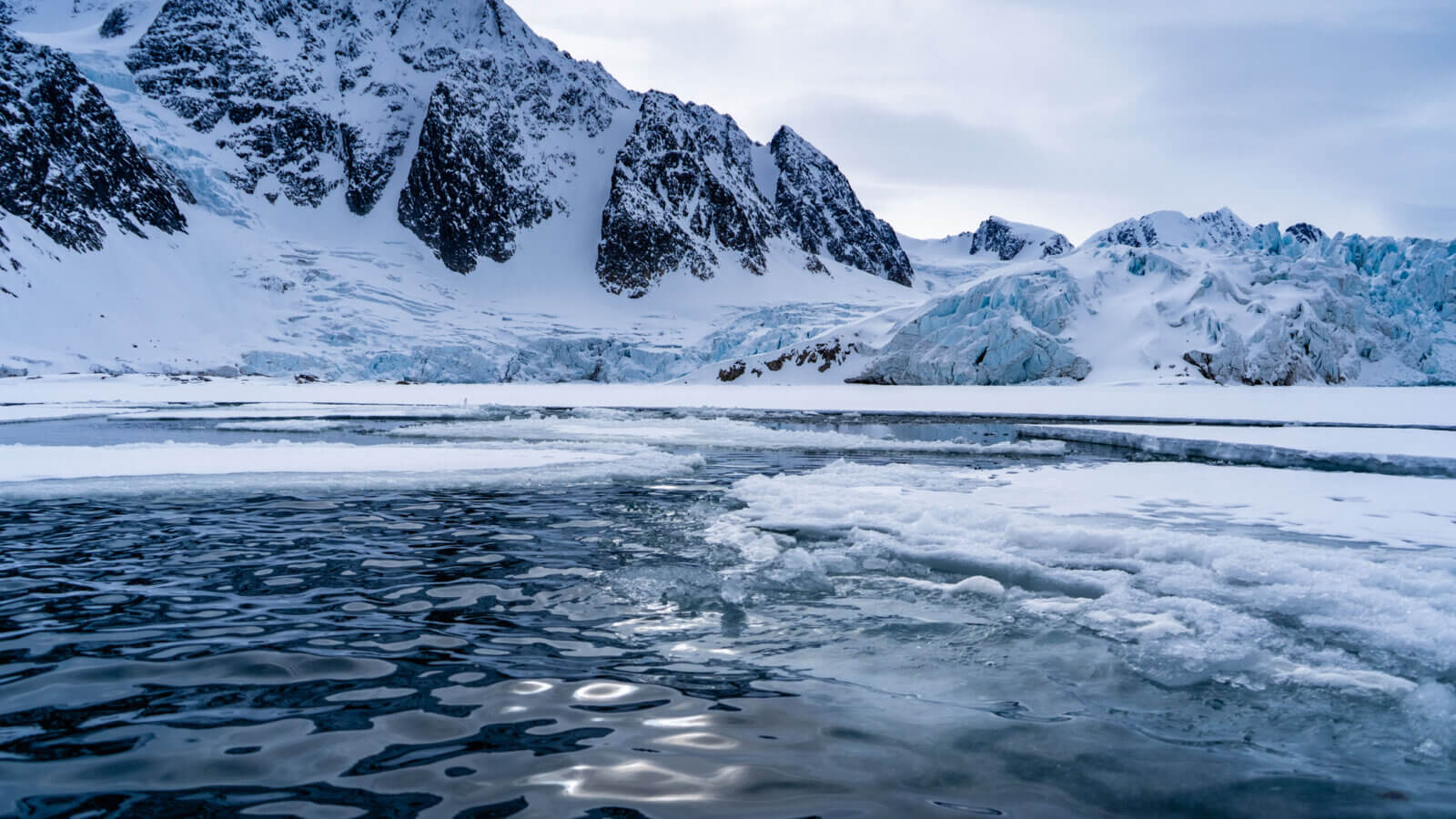
Retreating Arctic sea ice is opening new shipping routes that could create economic opportunities for the United States. The Northern Sea Route along Russia’s Arctic coast is already shortening some voyages between Europe and Asia, and because it passes Alaska through the Bering Strait, it could bring new business to the state. As other Arctic routes become accessible, they could also open more of Alaska’s coastline to shipping.
How much these routes will ultimately be worth is still uncertain, but the more pressing question today is whether the United States can take advantage of a more accessible Arctic. Rather than committing billions of dollars to infrastructure before demand is established, policymakers should act now to address obstacles standing in the way. Two of the pressing obstacles include restrictions on domestic shipping and uncertainty surrounding Arctic resource development.
As more of Alaska’s coastline opens to shipping, much of the traffic will be domestic cargo moving between Alaska and other U.S. ports. The Jones Act governs that trade and requires vessels carrying goods between U.S. ports to be U.S.-built, owned, registered, and crewed. The construction requirement is especially costly because the United States has limited commercial shipbuilding capacity. A 2023 Congressional Research Service report found that the United States accounted for approximately 0.2 percent of global commercial shipbuilding by gross tonnage; South Korea, Japan, and China accounted for more than 90 percent. U.S.-built merchant ships cost an estimated four to six times as much as comparable vessels built abroad.
The burden falls hardest on noncontiguous states and territories, including Alaska, which depend on ocean shipping to reach the rest of the country. The Government Accountability Office estimated in 1988 that the U.S.-build requirement alone added $163 million a year ($372 million in 2021 dollars) to shipping costs to and from Alaska. Higher shipping costs could discourage the very trade a more accessible Arctic might create. As shipping along Alaska’s coast grows, policymakers should consider whether the Jones Act and limited domestic shipbuilding capacity will make it harder and more expensive to acquire the ice-capable vessels trade would require. At the very least, Alaskans will pay more for the goods imported to their state as the higher shipping costs are passed on to consumers.
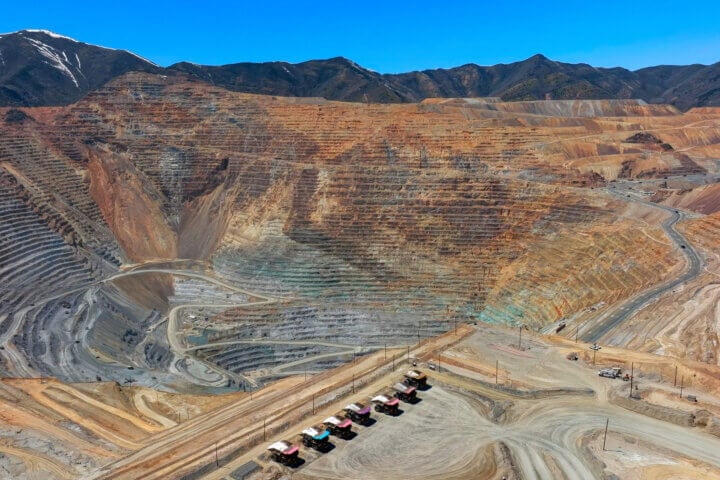
Policymakers should also give businesses more certainty about investing in Arctic resource development. Greater access to Alaska’s coast matters only if there is something to ship, and much of that cargo could come from the abundance of natural resources on and off Alaska’s coast. Companies hesitate to commit capital when permitting takes years and future administrations can reverse an approval. The proposed Ambler Road in northwestern Alaska illustrates this uncertainty. The 211-mile road would connect the mineral-rich Ambler Mining District to the Dalton Highway, providing access to deposits of copper and other critical minerals. Developing these deposits could generate additional freight for Alaska’s transportation network and, potentially, its ports and coastal shipping routes.
After several years of environmental review, the Bureau of Land Management and Army Corps of Engineers approved the project in 2020, and the BLM issued a 50-year right-of-way grant in January 2021. The Biden administration subsequently suspended the grant in 2022, and in June 2024 the BLM terminated it following additional environmental review. The Trump administration restored the authorization in October 2025. The project’s history shows how shifting regulatory decisions can create uncertainty for businesses making the long-term investments needed to develop Alaska’s resources and generate future shipping activity.
The recently introduced Bipartisan American Affordability and Jobs Act (BAAJA) would address these problems by setting deadlines for issuing permits and protecting approved projects from later revocation. Durable permits need not mean weaker environmental review: the goal is a process that reaches a decision in reasonable time and then lets that decision stand.
A more accessible Arctic could bring new trade to Alaska, but the routes alone will not deliver it. The Jones Act raises the cost of every ship that would carry that trade, and permits that can be delayed for years or revoked by the next administration deter the investments that would generate cargo in the first place. Each of these is a barrier policymakers created, and each can be removed without large new federal spending. Whether the United States benefits from a changing Arctic will depend less on how quickly the ice retreats than on whether its policies let American businesses take advantage of the access it creates.