
Popular
The Environmental Protection Agency’s (EPA’s) recent decision to stop monetizing the health benefits of reducing fine particulate matter, known as PM2.5, has refocused attention on a long-running debate over air pollution regulation.
By David Kemp4 min readFebruary 5, 2026
→
Policy
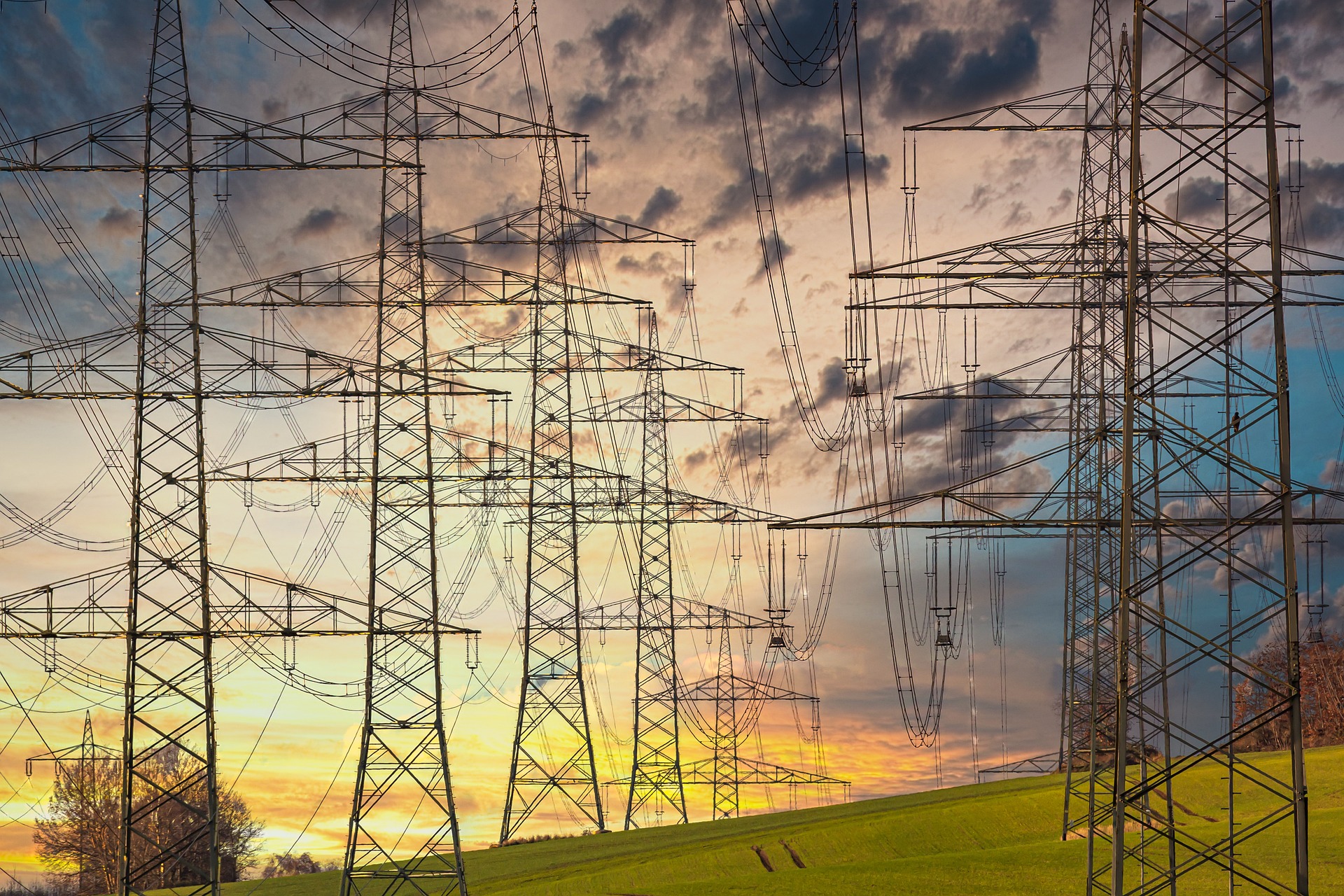
The report from Americans For Prosperity details a 21 percent increase in electricity prices between 2020 and 2024, including a four percent increase from 2023 to 2024 alone. While fuel prices, weather, and inflation all play a role, the report argues that a major, underappreciated driver of higher bills is America’s broken energy permitting system.
By Adrian Norman4 min readJanuary 29, 2026
→

World
There’s an interesting paradox in economics known as the “resource curse.” Simply put, areas with abundant natural resources tend to be poorer than those that face scarcity. Competing theories attempt to explain the resource curse, but one generally accepted explanation is that these resource-rich countries usually have authoritarian governments while citizens under democracies fare better.
By Philip Rossetti3 min readJanuary 26, 2026
→

Policy
As the second year of President Trump’s second term gets underway, the Department of Interior (DOI) has the responsibility to achieve two of the administration’s priorities: Expanding energy dominance and Making America Beautiful Again. Here are five practical things DOI should pursue to achieve energy dominance, address the affordability crisis, and improve conservation efforts.
By Charity Williamson6 min readJanuary 22, 2026
→
World
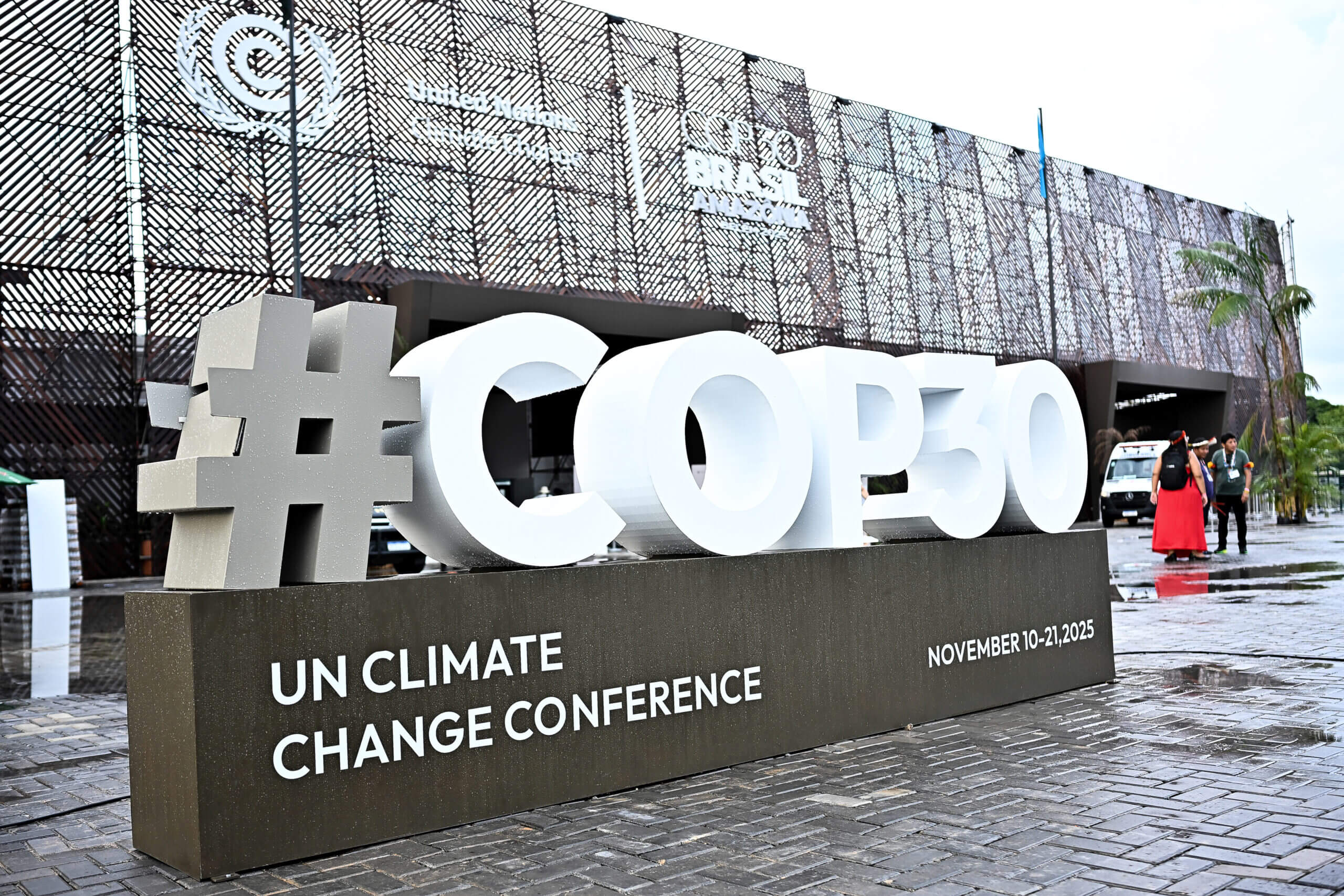
Last week, the Trump Administration announced its intention to withdraw the United States from several landmark international climate institutions, including the United Nations Framework Convention on Climate Change (UNFCCC) and the Intergovernmental Panel on Climate Change (IPCC). In practical terms, the move is largely symbolic: U.S. participation or non-participation in these bodies has relatively little direct effect on domestic climate policy or near-term global emissions outcomes.
By David Kemp4 min readJanuary 21, 2026
→
Policy
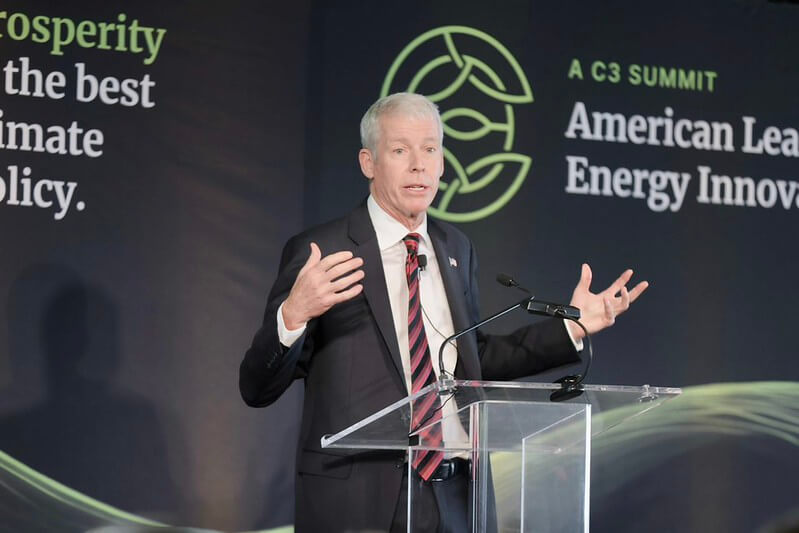
At the C3 American Leadership in Energy Innovation Summit, Chris Wright laid out the administration’s energy agenda with clarity. His message wasn’t about new mandates or distant, hard-to-achieve targets. It was about throughput—how fast the U.S. can actually build.
By Chris Wright1 min readJanuary 13, 2026
→
Around the Web
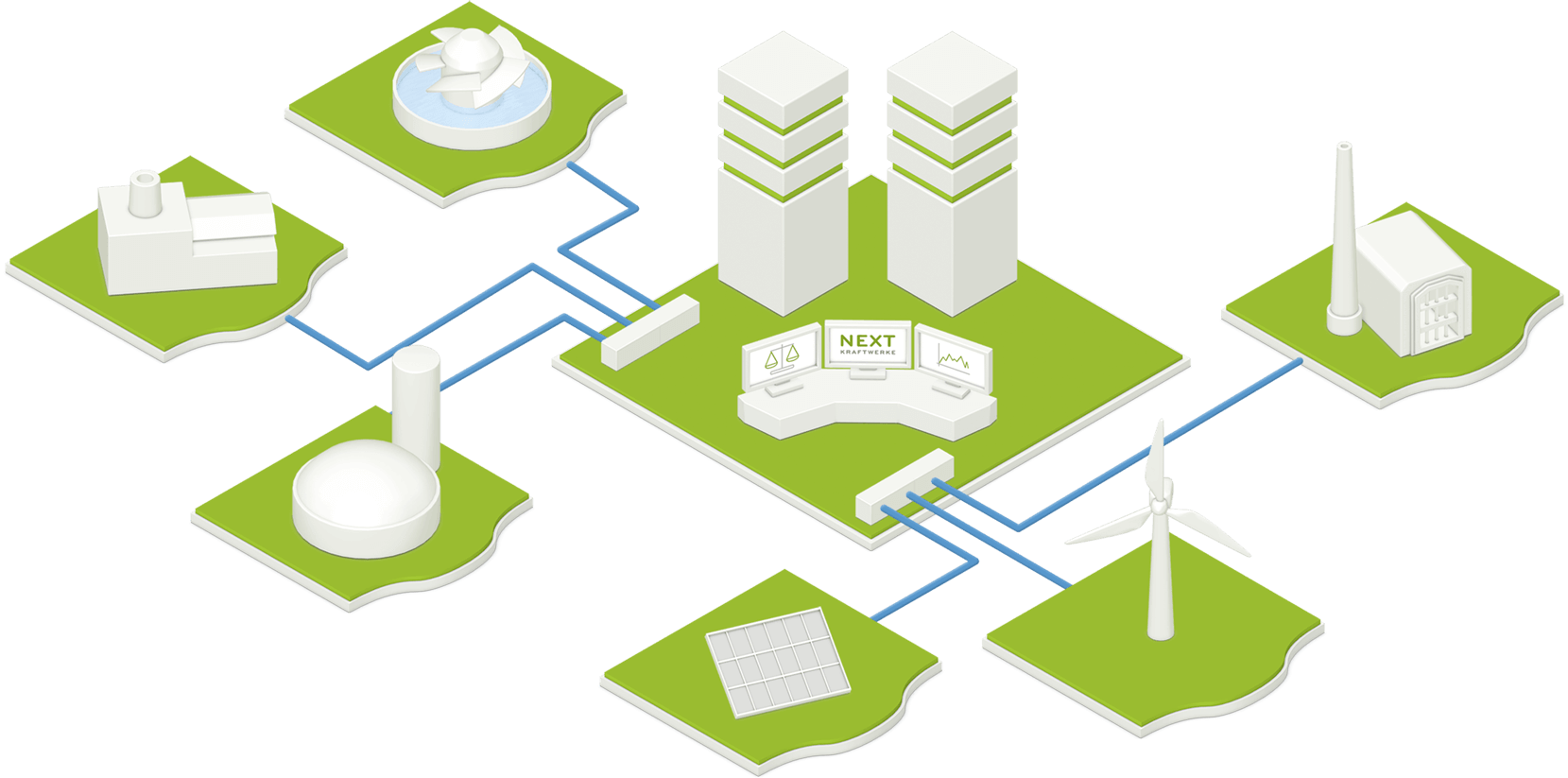
Across the United States, a quiet revolution is changing the way we think about energy. It’s not happening in massive power stations or through billion-dollar infrastructure projects. Instead, it’s unfolding in ordinary neighborhoods on rooftops, in garages, and behind smart thermostats. Homes equipped with solar panels, electric vehicles, and connected appliances are linking together to form what experts call virtual power plants.
By Lika Kobeshavidze4 min readJanuary 12, 2026
→
Around the Web
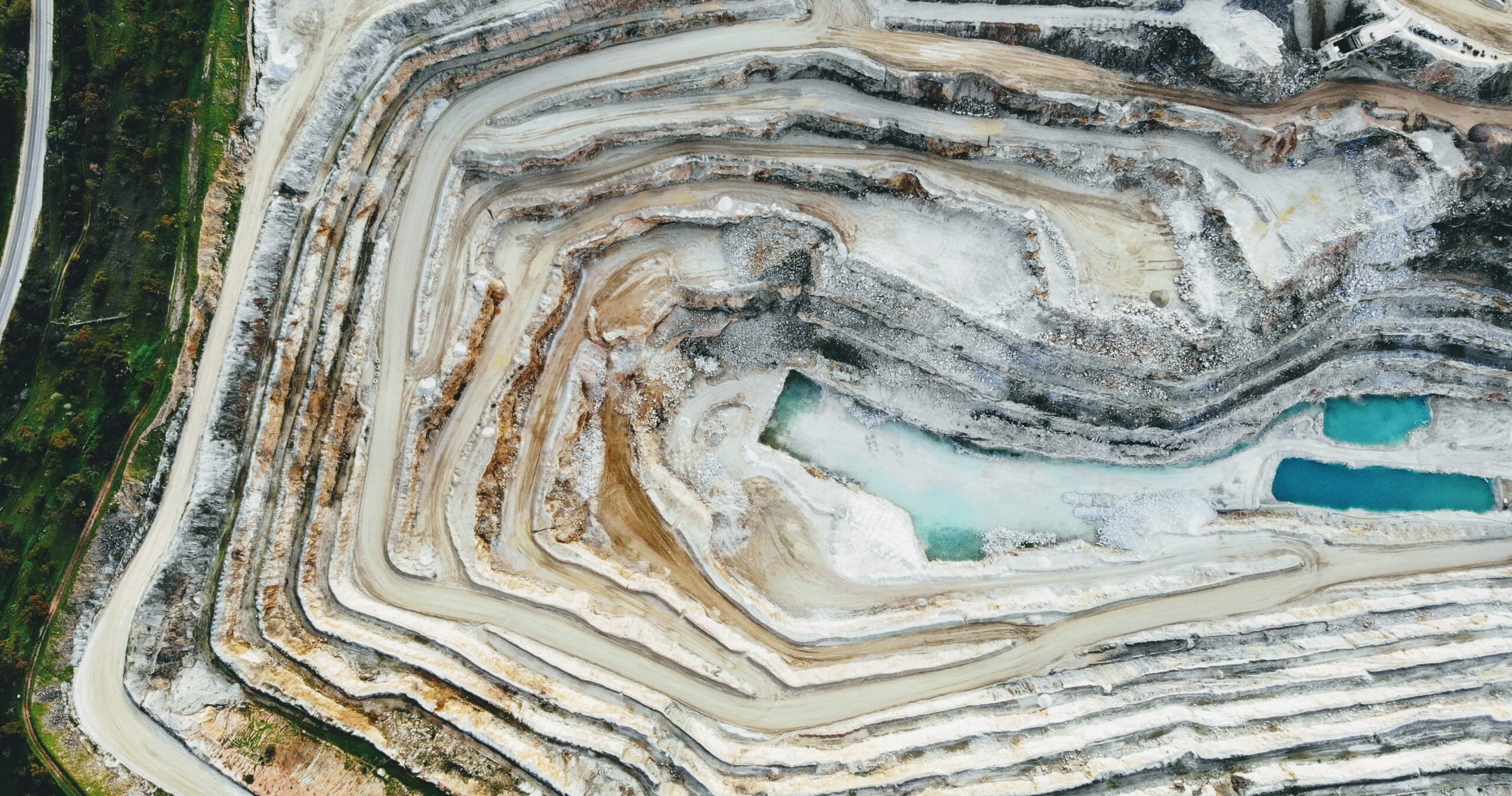
The bold vision for America’s clean energy rests on an extremely fragile foundation. The United States is highly dependent on foreign countries for crucial minerals.
By Walter Blanks Jr3 min readJanuary 8, 2026
→
Economics
Last year, in one of his first actions on inauguration day, President Donald Trump signed an executive order directing federal agencies to stop using the social cost of carbon (SCC) when weighing the costs and benefits of regulations. The decision prompted predictable outrage from many environmental activists, climate scientists, and economists, who argued that abandoning the SCC would strip climate regulations of their scientific grounding.
By David Kemp6 min readJanuary 7, 2026
→

Economics
Artificial intelligence may be the future, but the public isn’t convinced it’s the future they want.
Even as companies, investors, and the federal government invest heavily in this transformative technology, the American people remain skeptical. A third of Americans are concerned about AI, nearly half think AI will cause “significant job losses,” and less than half think the government will regulate AI well.
By Drew Bond4 min readJanuary 5, 2026
→
