
Economics
Should taxpayers love or loathe data centers? This question seems a loaded one in the first place. To ask it is to present a binary choice when, in reality, public opinion on the matter is more complex. Initially, a handful of fiscal conservatives branded the facilities that provide the infrastructure of the next Information Age as little better than taxpayer-funded sports stadiums or convention centers, which are proven economic and fiscal losers for the communities in which they abide compared to the various government subsidies they receive. Yet, aside from the fact that data centers, sports stadiums, and convention centers are physical structures, they have little to nothing in common.
By Pete Sepp6 min readMay 19, 2026
→

Policy
This month, C3 Solutions Action signed on to a bipartisan coalition letter calling for steady, robust federal funding for energy research, development, and demonstration. Addressed to the leadership of the House and Senate Appropriations Committees, the letter highlights the United States’ long history of energy innovation and the importance of maintaining that leadership.
By David Kemp2 min readMay 18, 2026
→
Policy
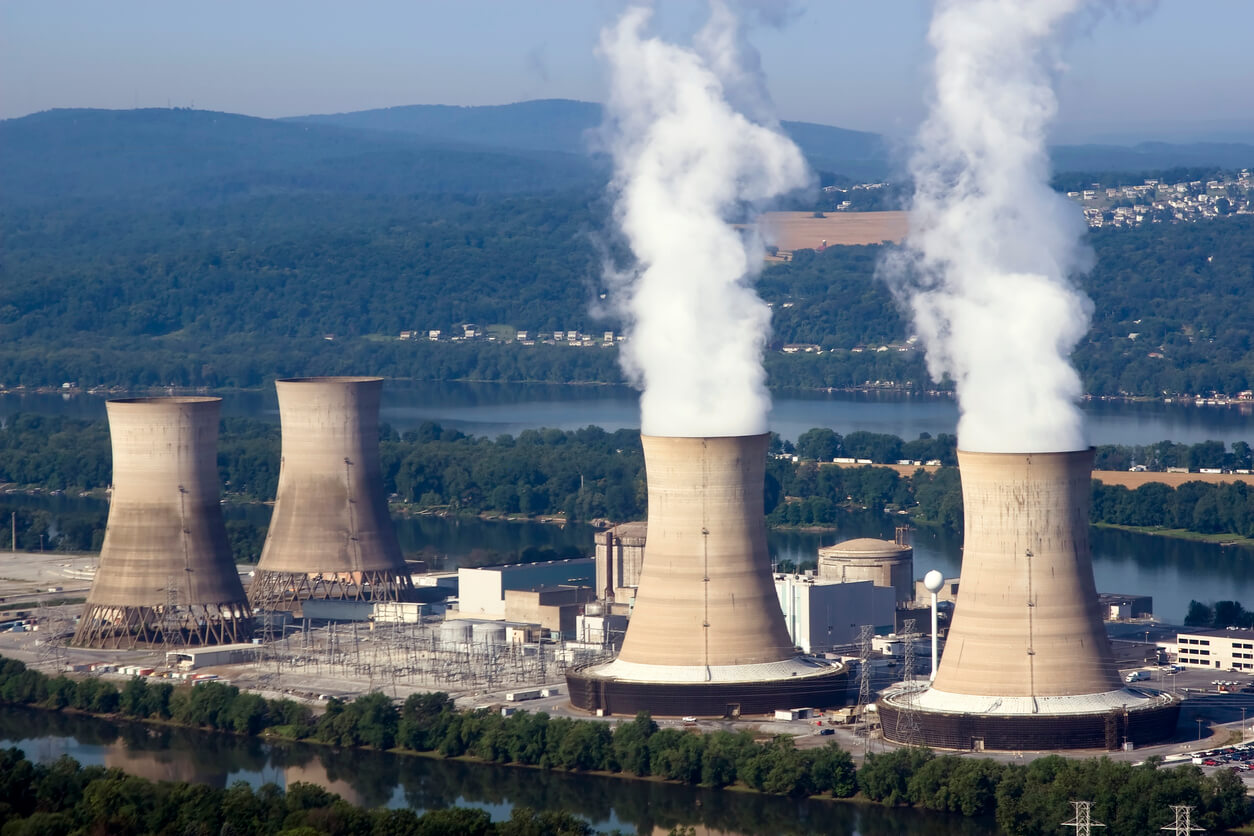
In the coming months, the Nuclear Regulatory Commission (NRC) will finalize a slate of rulemakings that, taken together, represent the most consequential overhaul of America’s nuclear regulatory framework in nearly 70 years. The modernizations will address many significant regulatory cost drivers that have disadvantaged advanced nuclear energy as a reliable, emissions-free, dispatchable source of power. For nuclear energy to be a viable option, it needs to work for the American taxpayer and ratepayer. The NRC’s reforms give all forms of nuclear power a better shot at doing so.
By Nick Loris4 min readMay 11, 2026
→
Economics
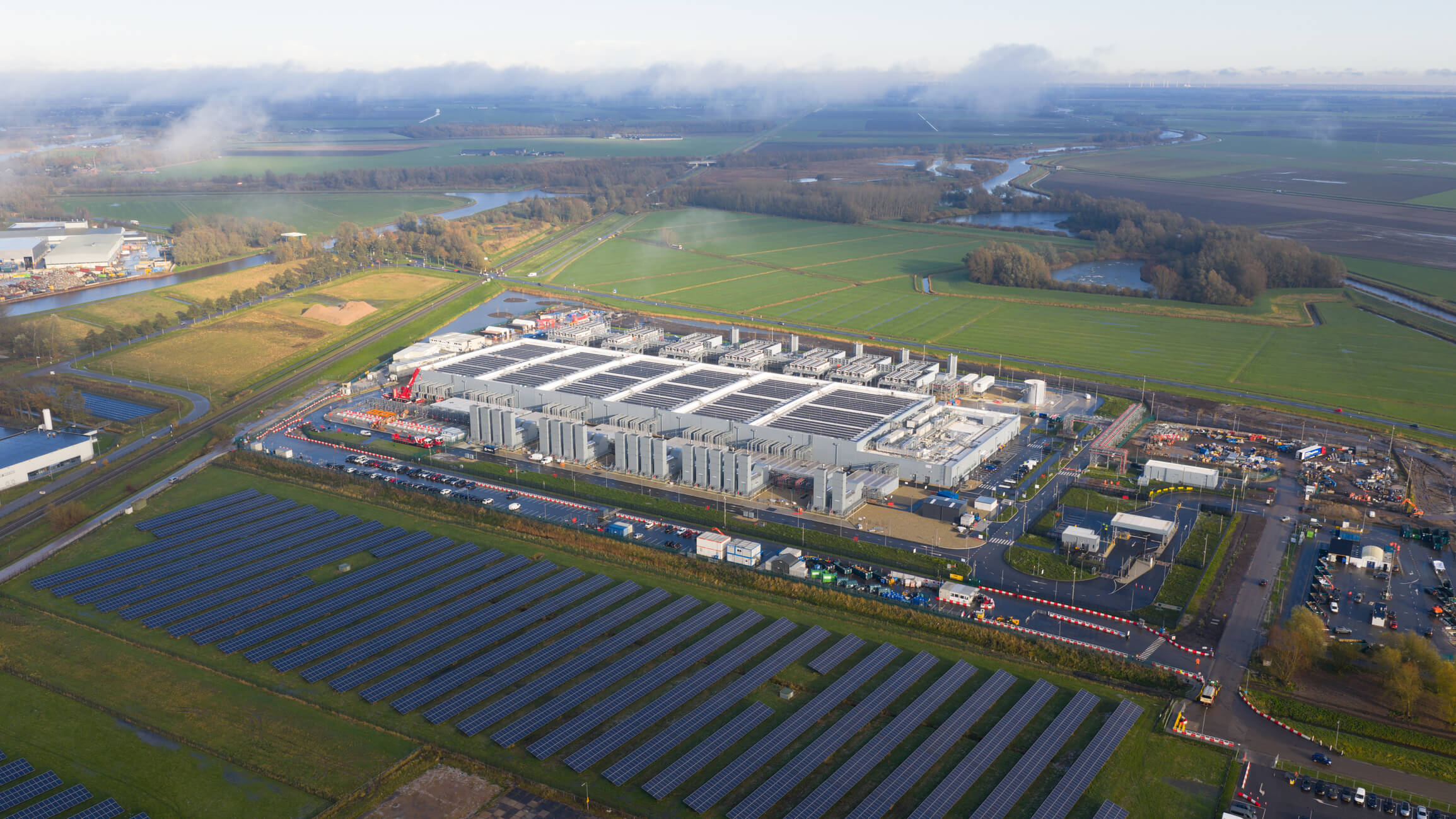
Growing opposition to data centers is beginning to expose divides in both parties. Last week, POLITICO reported that progressive challengers in battleground House primaries in Tennessee, Indiana, Virginia, and Maine are backing a national moratorium on datacenter construction.
By David Kemp and Prasanna Pydipalli4 min readApril 30, 2026
→
Policy
Affordability has quickly overtaken climate change as the primary focus of energy policy. One reason may be that the climate policies adopted over the past decade are finally starting to bind, imposing added costs at a time of rising electricity demand and, in some parts of the country, higher power bills.
By David Kemp3 min readApril 23, 2026
→

Science & Tech
In a recent ruling, the Supreme Court handed the oil and gas industry a significant procedural win in a decade-long legal fight over Louisiana's eroding coastline. The decision changes where some of the cases will be heard, but it does not resolve the larger legal and policy problems at the heart of the litigation.
By Prasanna Pydipalli3 min readApril 22, 2026
→

Policy
For five days, the equivalent of 350 Olympic-sized pools’ worth of sewage flooded into the Potomac River in a suburb of Washington, D.C. The cause? A clear failure in our permitting systems.
By Sydney Rodman4 min readApril 15, 2026
→
Tech
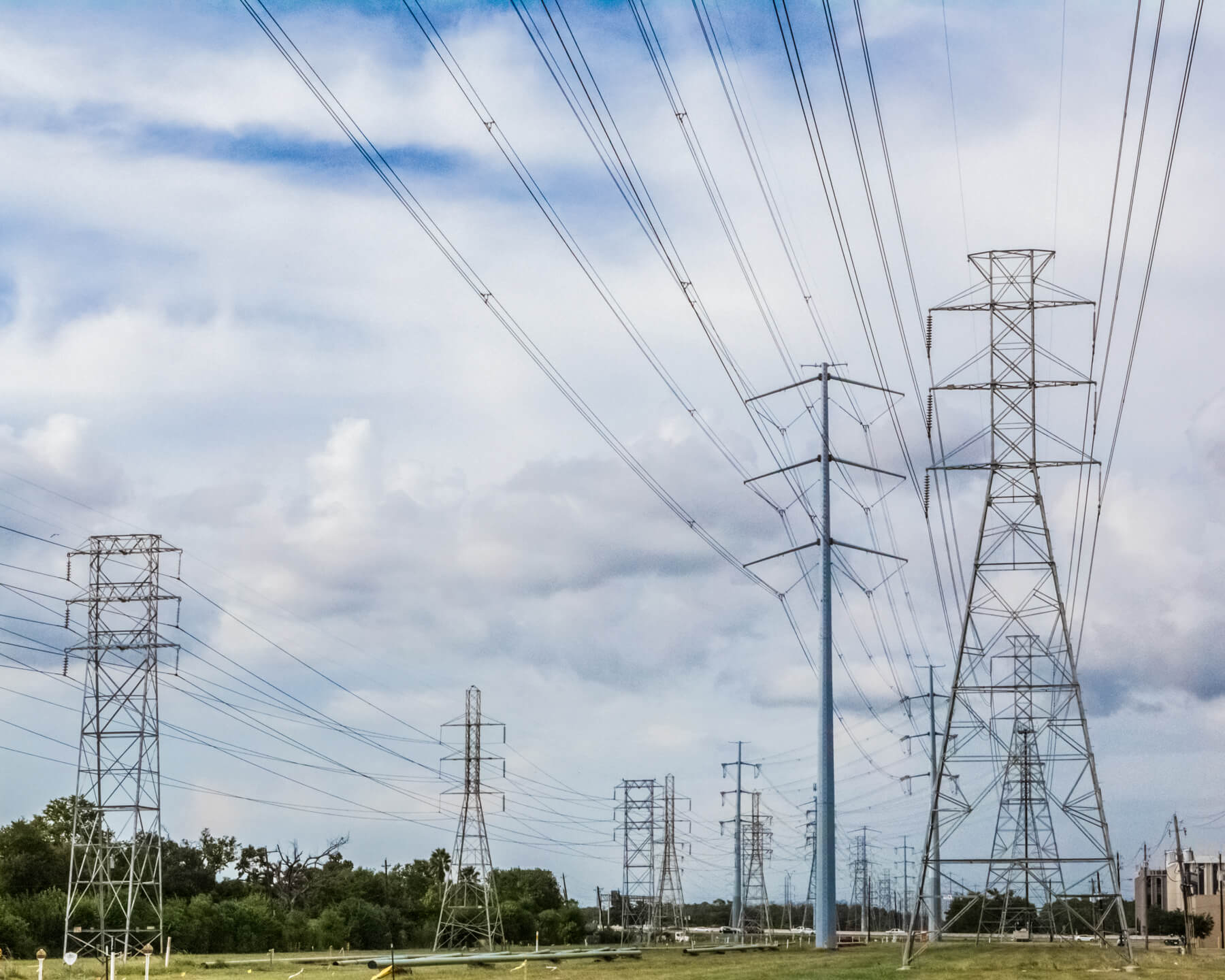
Texas has long stood apart from national energy policy—its own grid, its own rules. In 2026, that independence has made it the top destination for AI-driven electricity demand. While Washington grapples with the pressures of building data centers, ensuring reliability, and controlling costs, Texas is tackling everything at once. The Electric Reliability Council of Texas (ERCOT) market is solving for speed-to-power by surmounting transmission bottlenecks, phantom load growth, buying down residential rate increases, and more.
By Arushi Sharma Frank7 min readApril 13, 2026
→
World
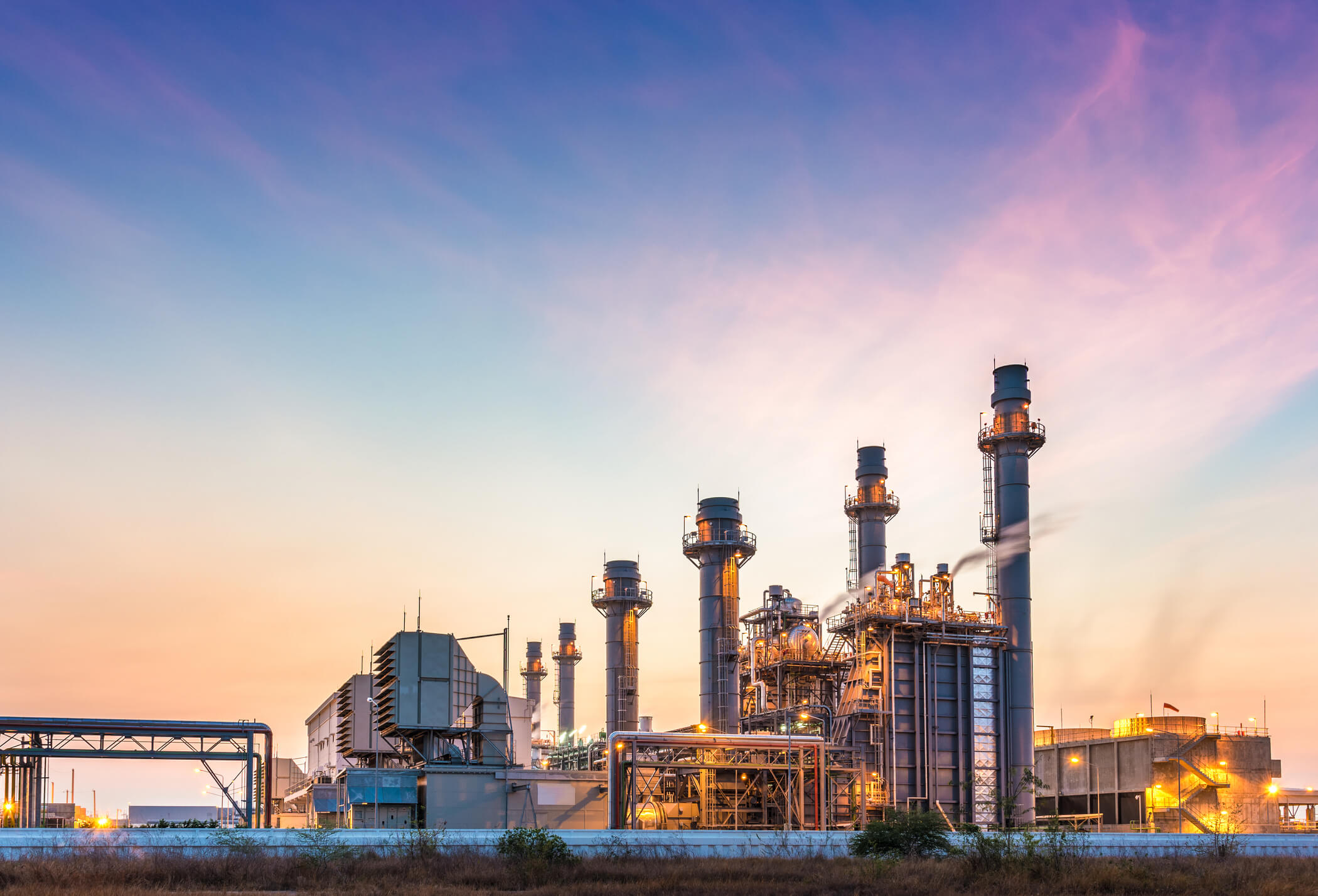
As the Iran war continues, oil prices keep rising. Gasoline has climbed to over $4 per gallon for the first time in four years. The ripple effects are spreading across the economy as markets that depend on affordable crude begin to absorb the disruption of roughly one-fifth of the world’s oil and liquefied natural gas that normally passes through the Strait of Hormuz. Everything from airline tickets to groceries is seeing upward pressure as the prices of jet fuel, diesel, and fertilizer all rise.
By David Kemp4 min readApril 6, 2026
→
Around the Web
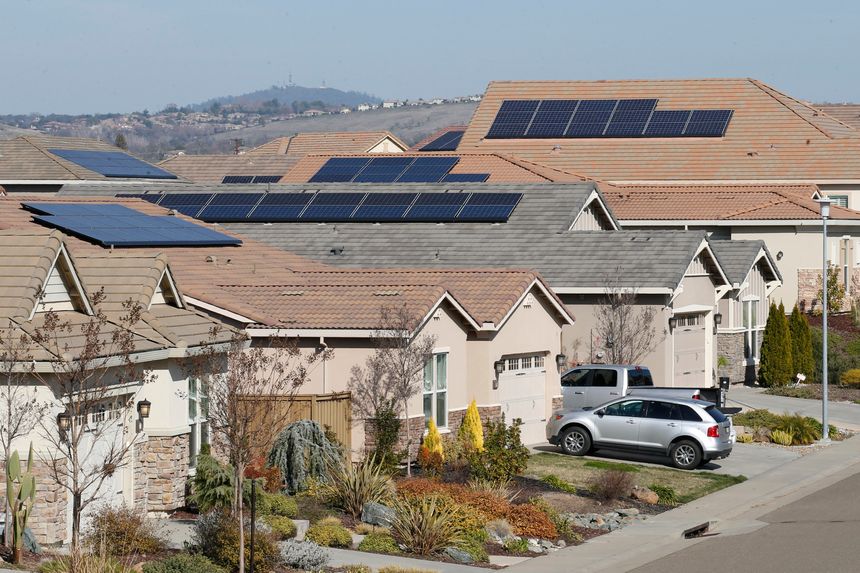
You wouldn't know it from the political debate, but the fastest-growing corner of the American energy market is also one of the most naturally conservative ideas in it: owning your own power. Home battery storage—the ability to store and manage the electricity that runs your household—is attracting growing investment, and greater attention from conservatives could be beneficial, particularly as the midterm elections approach.
By Adrian Norman2 min readMarch 24, 2026
→
