Economics
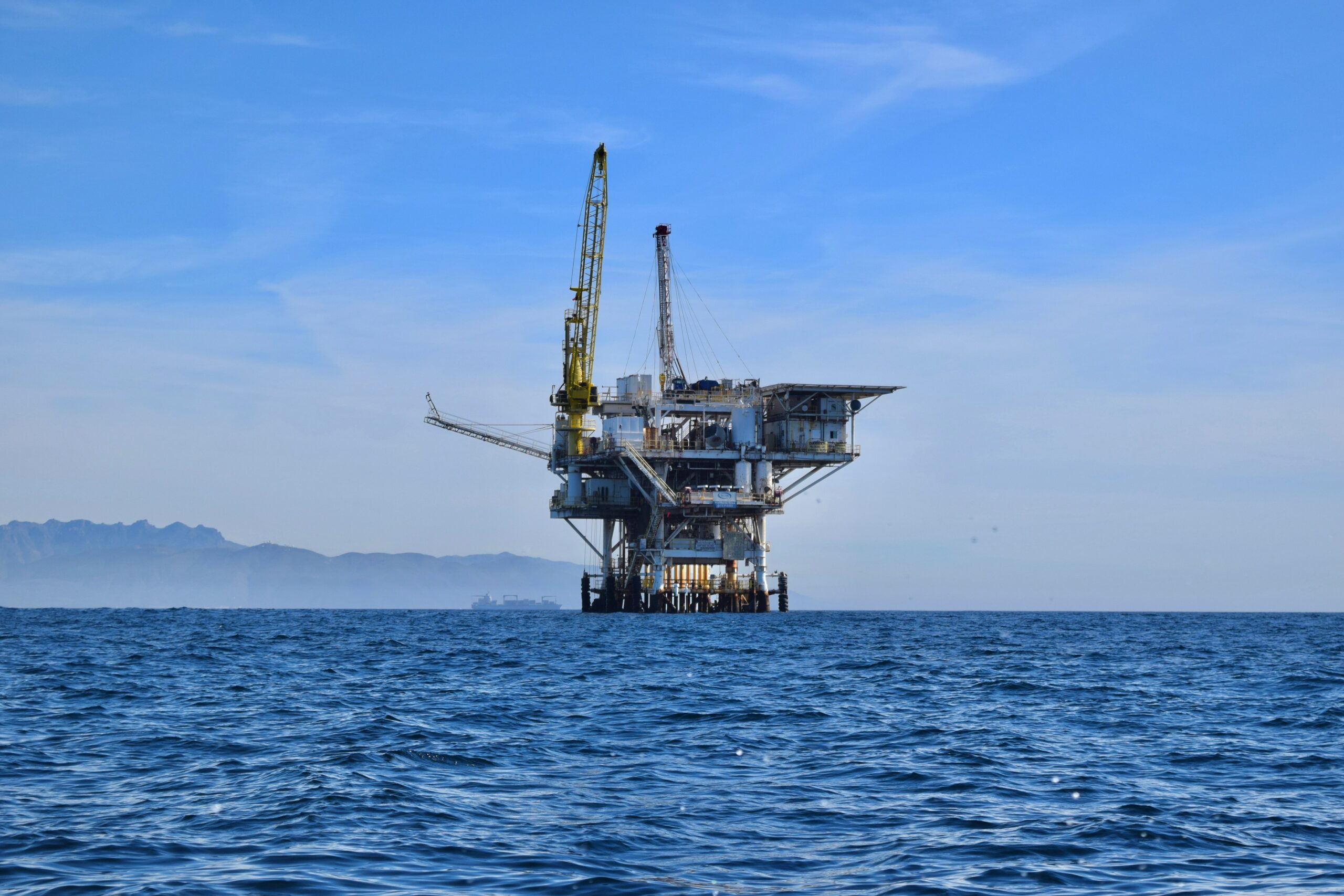
The war with Iran has sent oil prices, and then gasoline prices, sharply higher. West Texas Intermediate (WTI) crude, the main U.S. oil benchmark, rose from the mid-$60s per barrel in late February to around $100 on March 19. U.S. gasoline prices have followed suit, with the average price increasing from a pre-war level of under $3.00 per gallon to over $3.70 by mid-March.
By David Kemp5 min readMarch 23, 2026
→

Science & Tech
Over the holidays this winter, the White House Office of Science and Technology Policy (OSTP) solicited information on how “to accelerate the American scientific enterprise, enable groundbreaking discoveries, and ensure that scientific progress and technological innovation benefit all Americans.” Building on work to accelerate and reform the American scientific enterprise, I offered suggestions for how to effectively direct this effort to improve the function, productivity, vitality, and health of American science. It is a welcome attempt to wrest American science from the grip of malaise that characterizes the status quo. Science is viewed as slowing down, productivity decreasing, and requiring more resources, more grants, and more personnel to achieve tremendous breakthroughs.
By Ian R. Banks6 min readMarch 12, 2026
→

World
America's energy future is often framed as a binary choice between fossil fuels and a clean energy transition. But that framing is misleading, and acting on it could worsen both our energy bills and our climate outcomes. Domestic oil and gas production remains critical to energy affordability, grid reliability, and even near-term emissions reductions.
By Prasanna Pydipalli4 min readMarch 10, 2026
→
Culture
Over the past two decades, we have been trained either by politics, by media, or by endless crisis rhetoric, to think in fixed pies. When demand rises, we are told someone must be taking more than their share. The industries capable of expanding supply — engineers, industrialists, investors, technologists — are cast as villains before they break ground. In other eras, they won wars, electrified cities, doubled oil output, and built the networks on which modern abundance rests. Today, they are more likely to be hauled before a hearing than celebrated for production. The instinct to increase capacity has given way to the instinct to referee.
By Marc Oestreich7 min readMarch 2, 2026
→
Policy
Across the country, energy demand is rising. Data centers, advanced manufacturing, population growth, and electrification are all putting new pressure on the grid.
Unfortunately, that has spilled over and is now also putting pressure on your wallet. If Florida wants to lower electricity costs and attract continued investment, the state needs to take the driver’s seat. House Bill 1461 does exactly that. It sets Florida up to lead the nation in energy innovation and, at the same time, help spur continued economic growth.
By Josh T. Smith and Mark Miller4 min readFebruary 26, 2026
→

Science & Tech
There is a powerful movement underway to reindustrialize America, a recognition that our nation’s economic strength and military security are built in its factories. For our country to compete, we must be able to make things– and make them quickly.
By Jonathan Strimling4 min readFebruary 25, 2026
→

Policy
For the past two decades, U.S. climate policy has been driven more by legal and administrative maneuvering than by legislative consensus. The result has been regulatory inefficiency, policy whiplash between administrations, and little progress toward a durable, politically sustainable framework for managing climate risk.
By David Kemp4 min readFebruary 23, 2026
→
Policy
A new idea has emerged in the federal permitting reform space: “de-risking” permits via a government-managed insurance program. The context for this development is that investors lack confidence in their ability to secure federal permits due to the power of political appointees at permitting agencies to delay, cancel, or revoke permits. This has resulted in a new permitting reform priority: “permitting certainty,” or the notion that a permit, once granted, won’t be reversed under a future administration. While this is a laudable goal, policymakers must appreciate that government interventions can make these problems worse.
By Philip Rossetti5 min readFebruary 17, 2026
→

Policy
The Environmental Protection Agency’s recent decision to temporarily stop assigning dollar values to the projected health benefits of reducing fine particulate matter (PM2.5) and ozone has sparked renewed controversy over air pollution regulation. As I discussed last week, the agency framed the move as a response to persistent uncertainty in estimating PM2.5 health effects, not as a withdrawal from regulating air pollution or considering public health impacts.
By David Kemp4 min readFebruary 11, 2026
→

Policy
As energy affordability becomes an increasing concern and energy demand continues to rise, America’s ability to efficiently permit and build infrastructure will be crucial to its success.
Last month, the EPA proposed reforming the Clean Water Act’s Section 401. This isn’t just a good idea. It’s long overdue.
By Walter Blanks Jr4 min readFebruary 9, 2026
→
