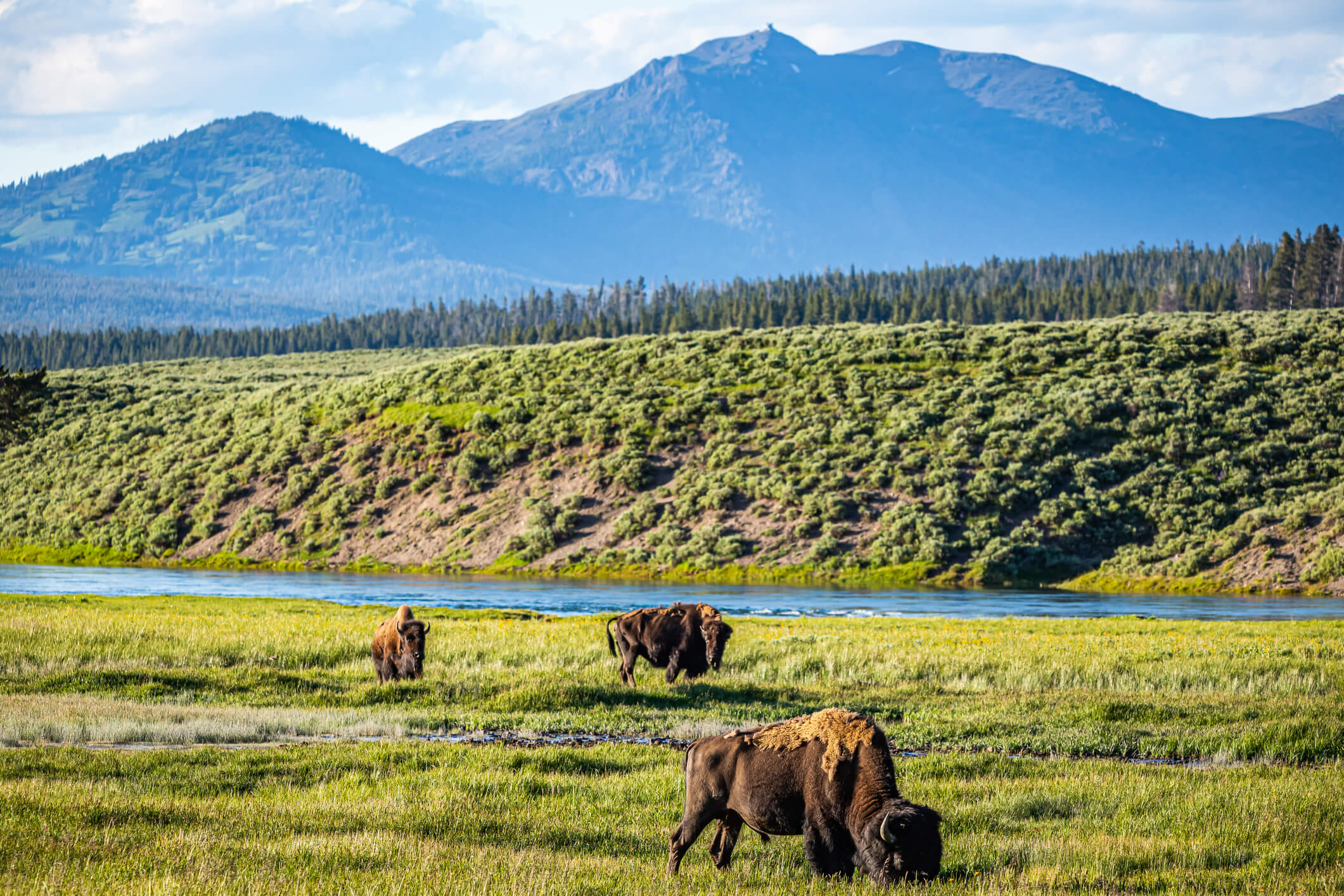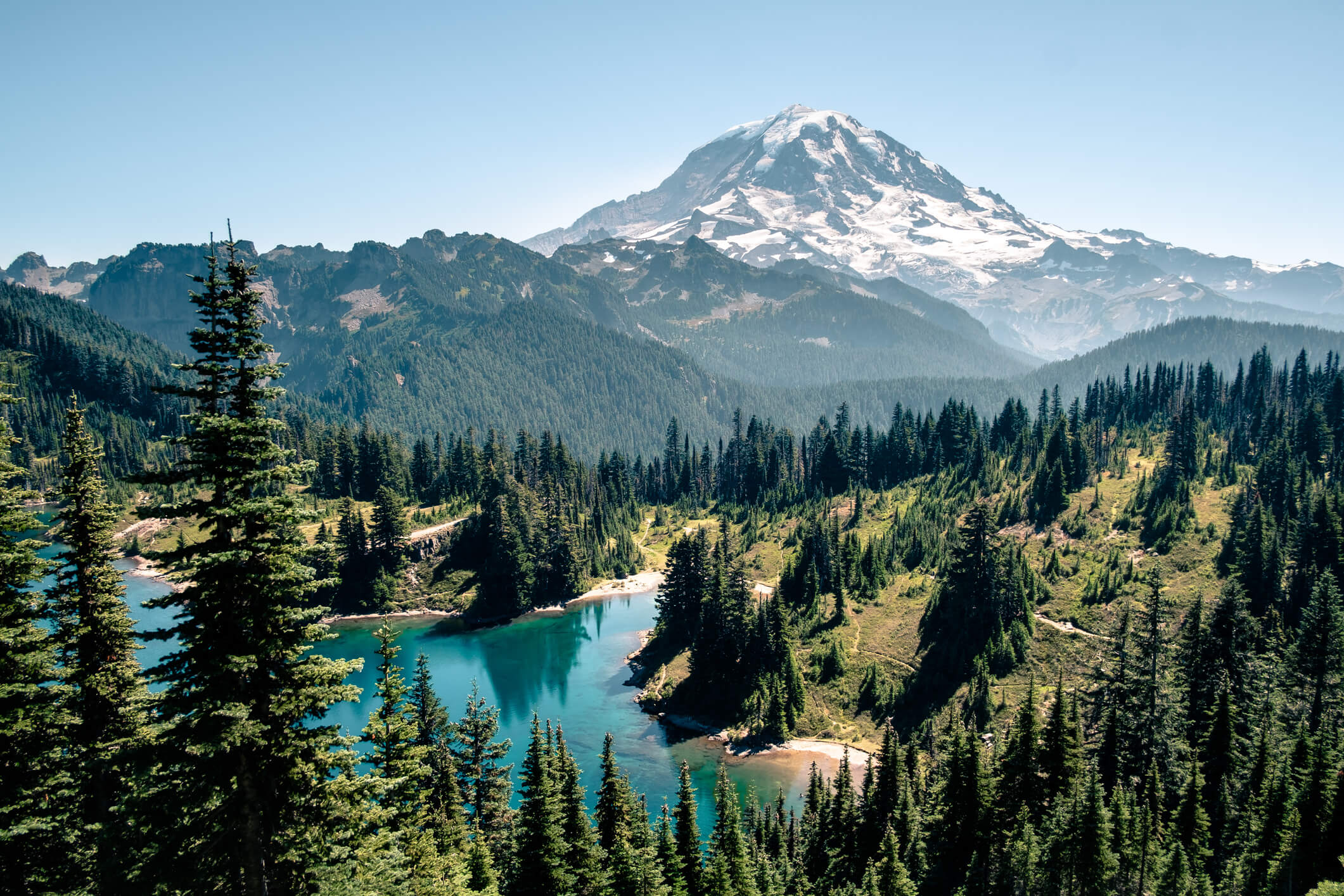
Independence Day is a time to reflect on our country and appreciate it for all its glory and all its beauty. From towering mountains to vast coastlines, America’s natural landscapes are an essential part of what makes this nation remarkable. But these landscapes and ecosystems cannot thrive without intentional conservation and responsible stewardship.
That’s why it was fitting that the President signed the “Make America Beautiful Again” executive order one day before Independence Day, an initiative aimed at conserving and restoring America’s natural environment for future generations.
The EO created the Make America Beautiful Again Commission, chaired by Interior Secretary Doug Burgum. The commission will be responsible for ensuring all federal land management agencies, including the USDA, DOI, and EPA, enact policies with the intention of the following five things:
- Promote responsible stewardship of natural resources while driving economic growth;
- Expand access to public lands and waters for recreation, hunting, and fishing;
- Encourage responsible, voluntary conservation efforts;
- Cut bureaucratic delays that hinder effective environmental management; and
- Recover America’s fish and wildlife populations through proactive, voluntary, on-the-ground collaborative conservation efforts.
This is a welcome first step towards common-sense conservation. From digging the NPS and Forest Service out of lofty deferred maintenance backlogs of $23 billion and almost $11 billion, respectively, to cutting red tape that hinders forest management, the MABA Commission holds real potential to deliver meaningful results for America and to manage public lands more effectively.
That potential matters — for hunters, anglers, ranchers, farmers, backpackers, climbers, and all Americans who treasure the outdoors. As the President stated in his executive order, “Years of mismanagement, regulatory overreach, and neglect of routine maintenance require action. Land-use restrictions have stripped hunters, fishers, hikers, and outdoorsmen of access to public lands that belong to them.” The MABA Commission is an opportunity to ensure that the land we love remains just as wild, beautiful, and free for future generations.
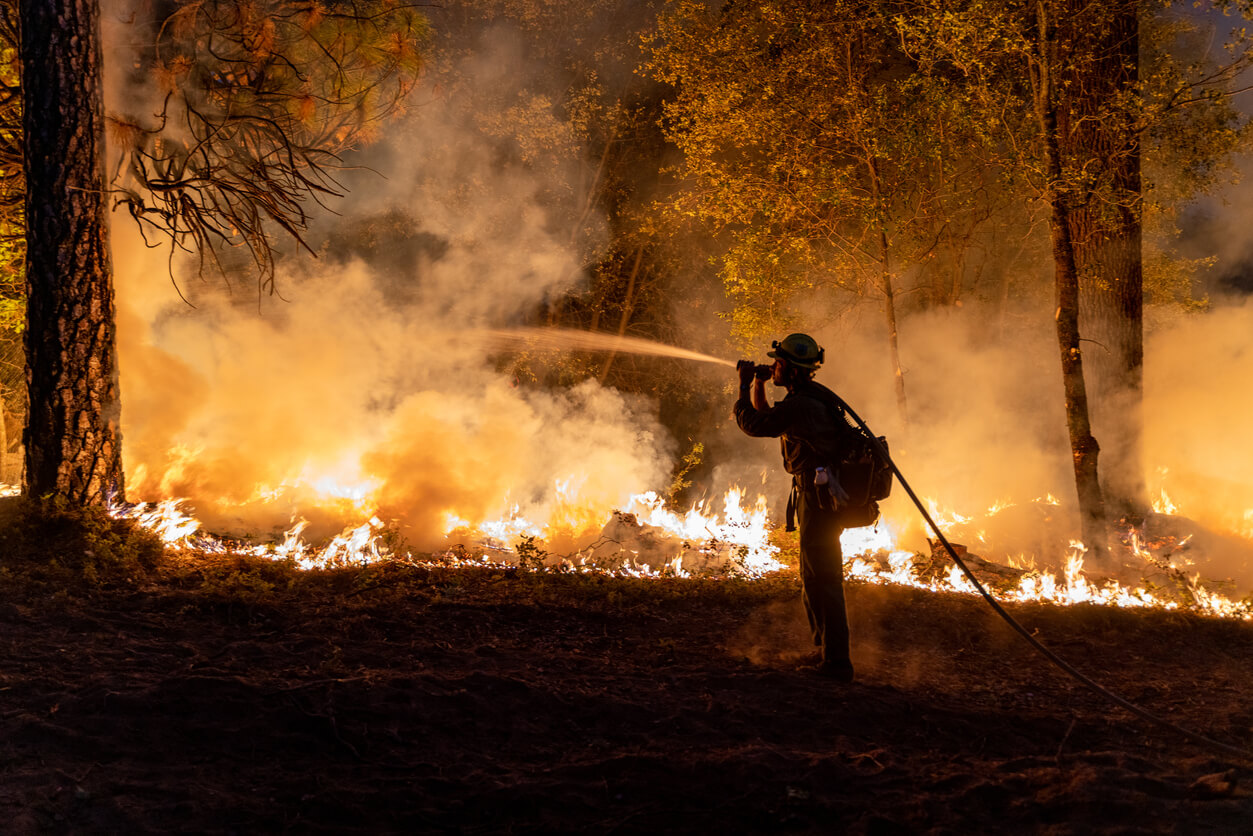
This mismanagement often delays essential land maintenance, increases wildfire risks, and limits access for responsible recreationists. It prevents timely, on-the-ground action needed to preserve habitats, reduce fuel loads, and support wildlife populations. By cutting through these barriers and empowering local stakeholders, we can restore healthy ecosystems, improve public access, and ensure long-term conservation through practical, voluntary stewardship.
In addition to establishing the MABA Commission, President Trump issued the Making America Beautiful Again by Improving our National Parks EO. This EO is a declaration of common-sense environmentalism. It requires the Interior Secretary to develop a strategy to increase revenue for our national parks, including the potential of higher entrance fees for international visitors. Currently, American taxpayers support national parks through both taxes and entrance fees, effectively paying twice. Adjusting fees for international visitors would help ensure a more balanced funding structure.
>>>READ: How Will an International Visitor Surcharge Benefit Our National Parks?
Many countries, such as Brazil, Indonesia, and Thailand, among others, charge international visitors more to visit their national parks or other federally managed lands than their citizens. It’s time America follows suit.
The Property Environment and Research Center (PERC) is the creative force behind this innovative idea for improving the funding of our national parks. As PERC’s CEO Brian Yablonski stated, “If you can afford a flight from Beijing to Yellowstone, you can afford to pay to take care of the place you’re coming to see…”
In a week already saturated with conservation wins, Secretary Burgum announced a new pilot program aimed at restoring public lands through a job training initiative. The “Patriot Program” will provide youth and young adults with training to preserve our lands through wildland fuel reduction, trail maintenance, and other related activities. This program will help train more people in the on-the-ground skills needed to manage our forests and ensure that public lands thrive.
The effects of these new policies on our public lands and how they will be enacted are yet to be seen. But as American Rivers’ Tom Kiernan says, “Any day we are talking about ensuring clean water and putting conservation back on the agenda is a good day.”
These executive orders are more than just policy; they serve as a reminder that conservation and economic growth can coexist and complement each other. By promoting voluntary stewardship, expanding outdoor access, and investing in future generations, we can conserve the ecosystems and wild spaces that make this country special. Real conservation doesn’t come from top-down mandates. It comes from local action and common sense. With the help of the executive orders, we can make America beautiful again.