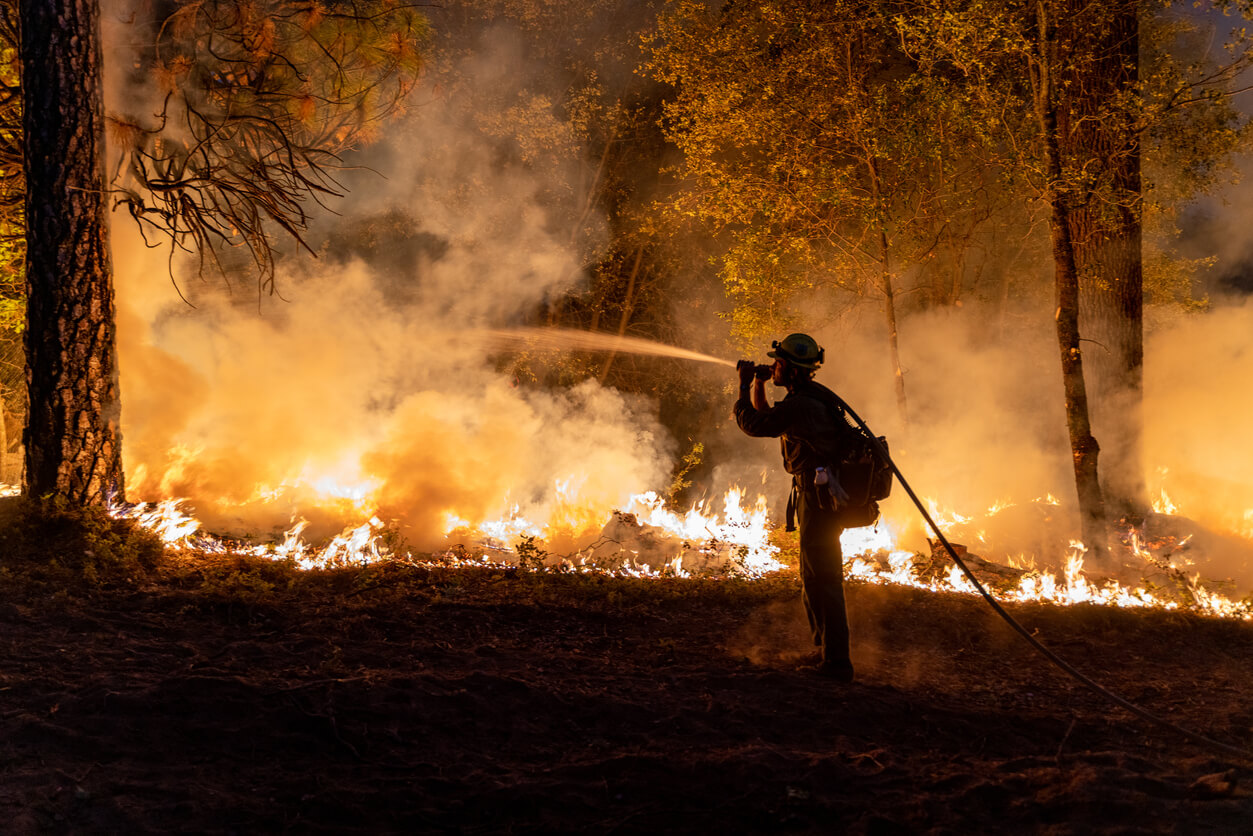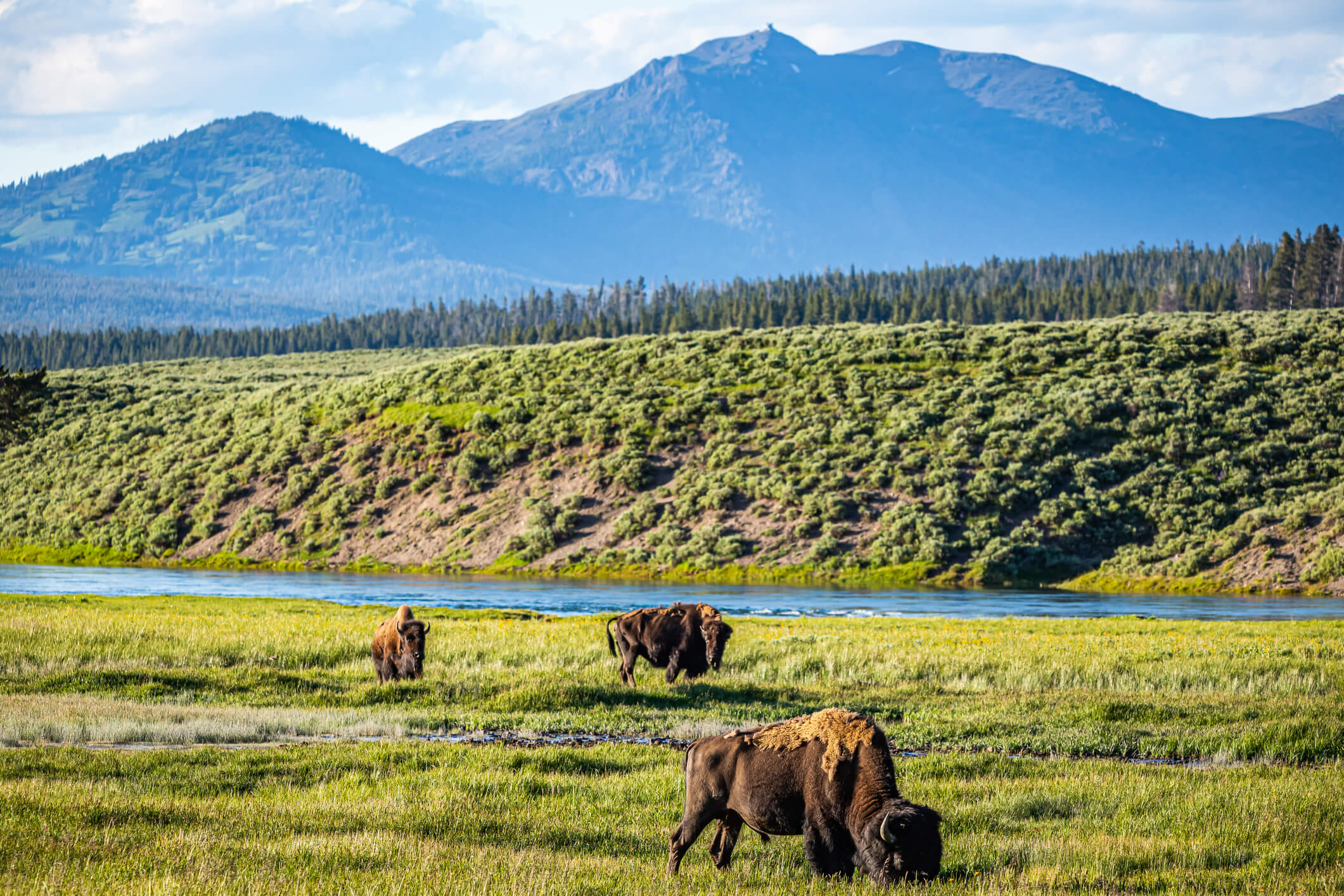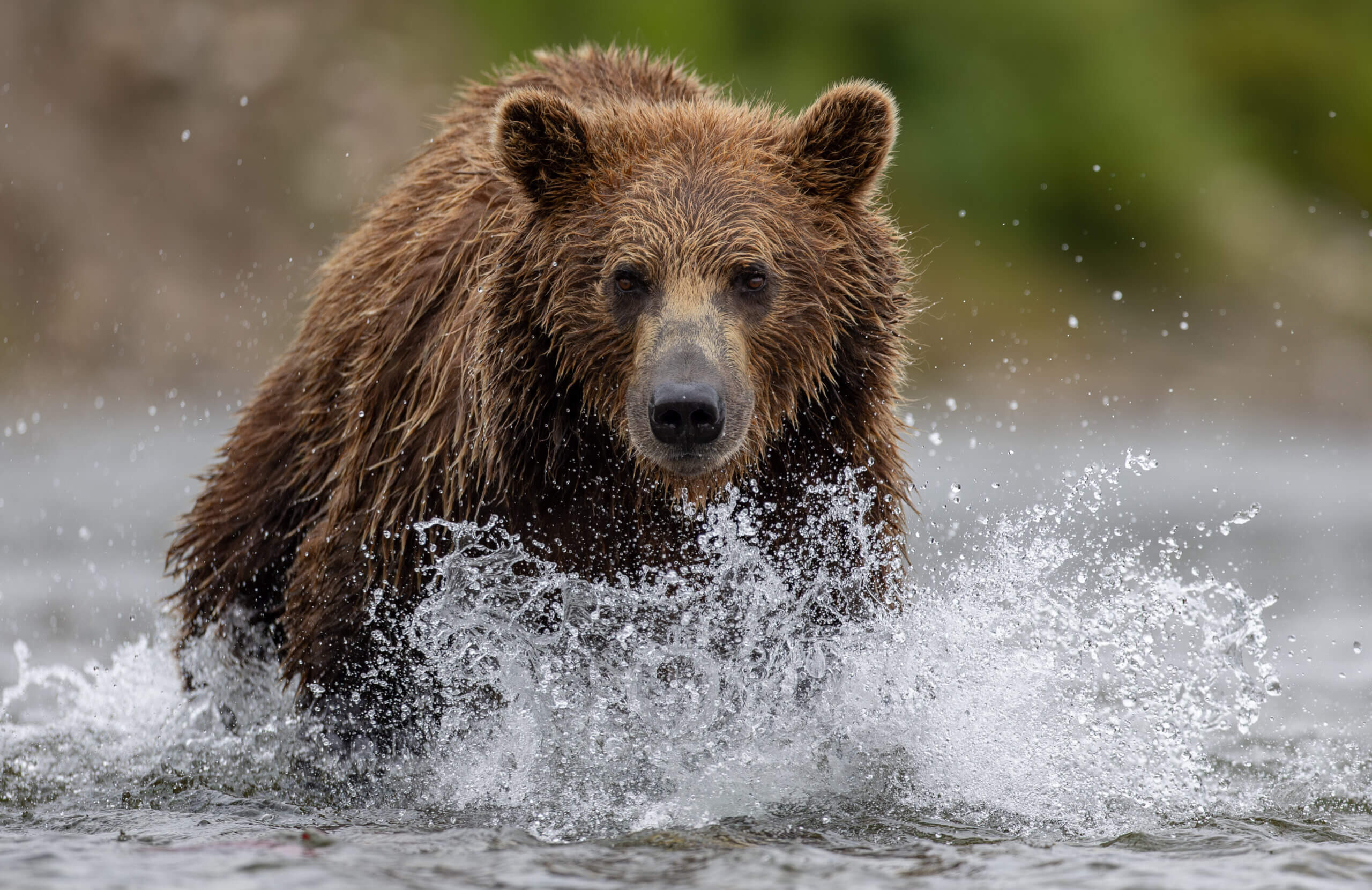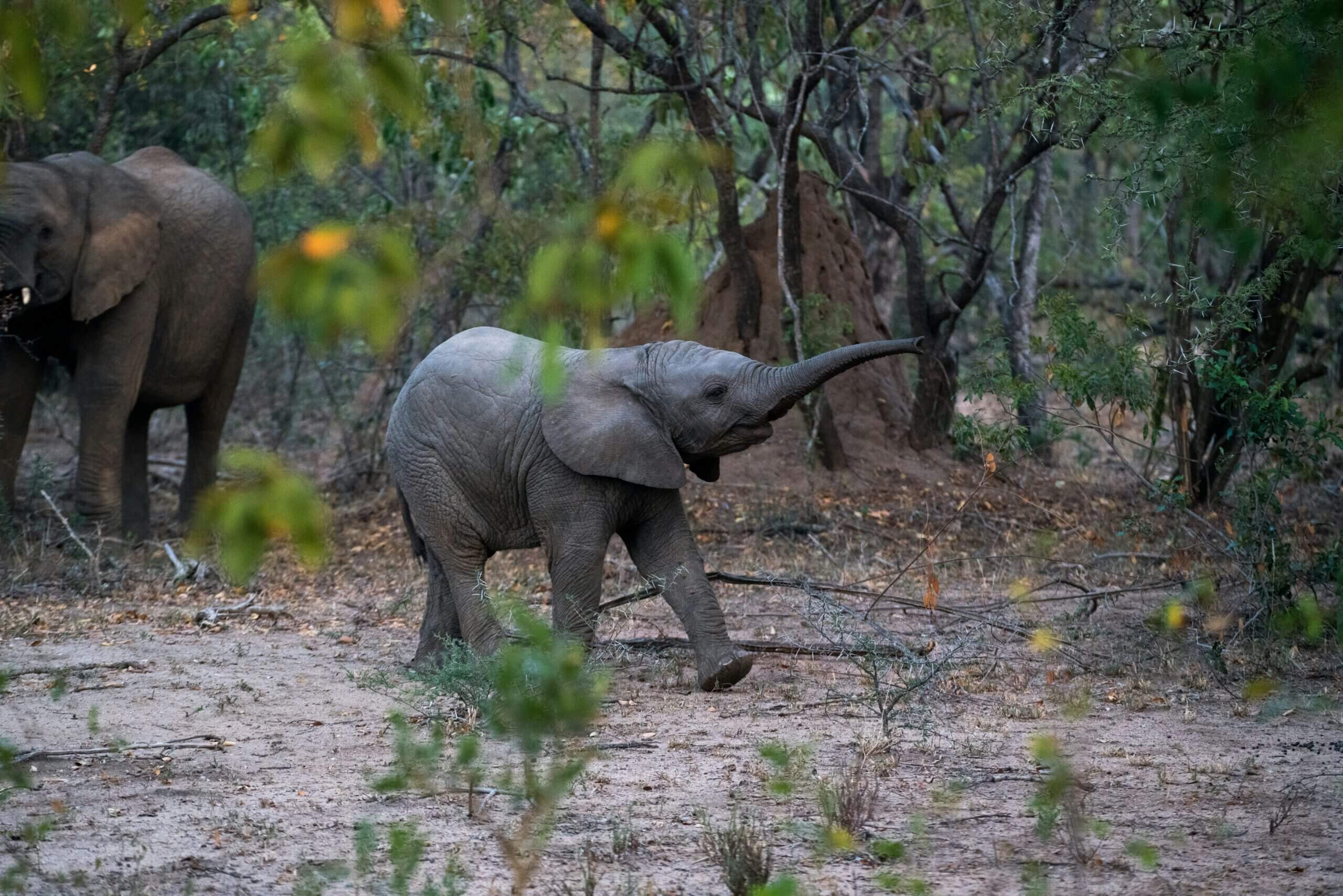
Generals used to say that an army moves on its stomach, meaning troops could only go where they could be fed. It’s easier to move food in the 21st Century than it used to be, but modern soldiers face other concerns. To protect themselves and their homelands, they must also preserve nature, protect wildlife, and ensure there is clean air and water. Without those inputs, it is impossible to actually win a military conflict.
Congress recognized that conservation plays a critical role in global security and improved cooperation among countries when it passed the U.S. Foundation for International Conservation Act (USFICA) last December, as part of a nearly $1 trillion defense spending package.
Environmental degradation and resource scarcity can lead to food insecurity, regional instability, and global conflict, especially in vulnerable regions. What’s more, illegal wildlife trade directly funds extremist groups and transnational criminal organizations, undermining global security and American interests.
The USFICA authorized the creation of the U.S. Foundation for International Conservation (USFIC), a tax-exempt organization tasked with stewarding up to $100 million in appropriated annual funds and directing them to conservation investments globally. That money will protect everything from marine parks to wildlife reserves for at least 10 years.
The USFIC will be led by an Executive Director and a Board of Directors of Senate-confirmed government leaders, technical experts, and private sector donors. Each federal dollar must be matched twofold by private investment, ensuring that conservation efforts are strategic and cost-effective.
The foundation will take a targeted approach to conservation, focusing on areas where environmental degradation, illegal activity, and weak governance overlap. By investing in the smart management of critical ecosystems like forests, marine areas, and wildlife reserves, USFIC will work to preserve biodiversity while addressing the root causes of instability.
These efforts will help crack down on the illegal wildlife trade that finances extremist groups and transnational criminal networks. It will also help stabilize markets, support fair competition for American businesses, and prevent resource-driven conflict, all while countering China’s growing global influence.
Biodiversity and habitat loss only heighten these risks, since they disrupt vital ecosystem services like crop pollination, water filtration, and flood control. These are essential for sustaining human populations and reducing and building resilience to natural disasters and extreme weather events. But when biodiversity is protected, it does more than safeguard nature. It creates jobs, strengthens local economies, and helps communities thrive long-term.
Alongside USFICA, the December defense package also included the reauthorization of the Wildlife Innovation and Longevity Driver (WILD) Act and an amendment to combat illegal maritime activities such as overfishing.
The WILD Act reauthorized critical U.S. Fish and Wildlife conservation programs for another five years and supports targeted funding initiatives for at-risk species like African and Asian elephants, rhinoceroses, tigers, great apes, and marine turtles. Notably, the WILD Act reauthorized the Partners for Fish and Wildlife program, which incentivizes landowners to voluntarily restore habitat for migratory birds and endangered species, empowering them to participate in conservation without placing barriers on their private property rights. It also adds new reporting rules, so Congress and the public can better track how conservation funds are spent.
Between 1970 and 2018, the number of wildlife populations that are tracked by humans decreased by 70 percent. This is a military, economic and ecological concern.
The best modern armies don’t engage in “scorched Earth” campaigns; they deliver peace through strength, which sometimes comes best through environmental diplomacy. Through the creation of the U.S. Foundation for International Conservation, our defense establishment is doing its part to direct conservation investment where it’s needed most and reinforce America’s role as a pillar of long-term global stability.