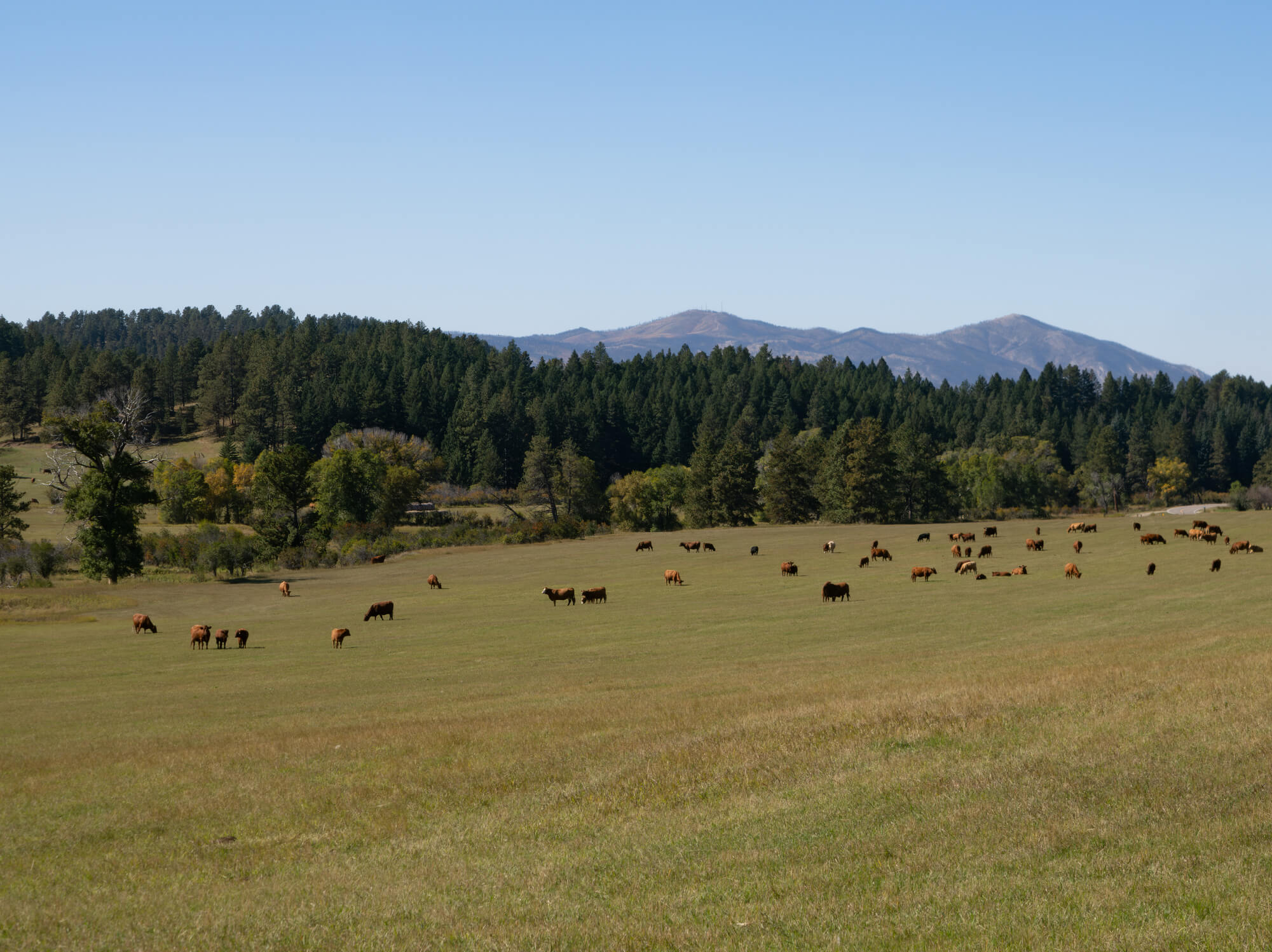
Technology has dramatically changed the way we farm in America. From the invention of the cotton gin in 1793 to the rise of precision agriculture technologies in the 1980s and 1990s, innovations have made farming more productive, cost-effective, and sustainable. Today, agriculture innovators are moving beyond traditional farming and looking towards alternative practices. Among these methods is Controlled Environment Agriculture (CEA).
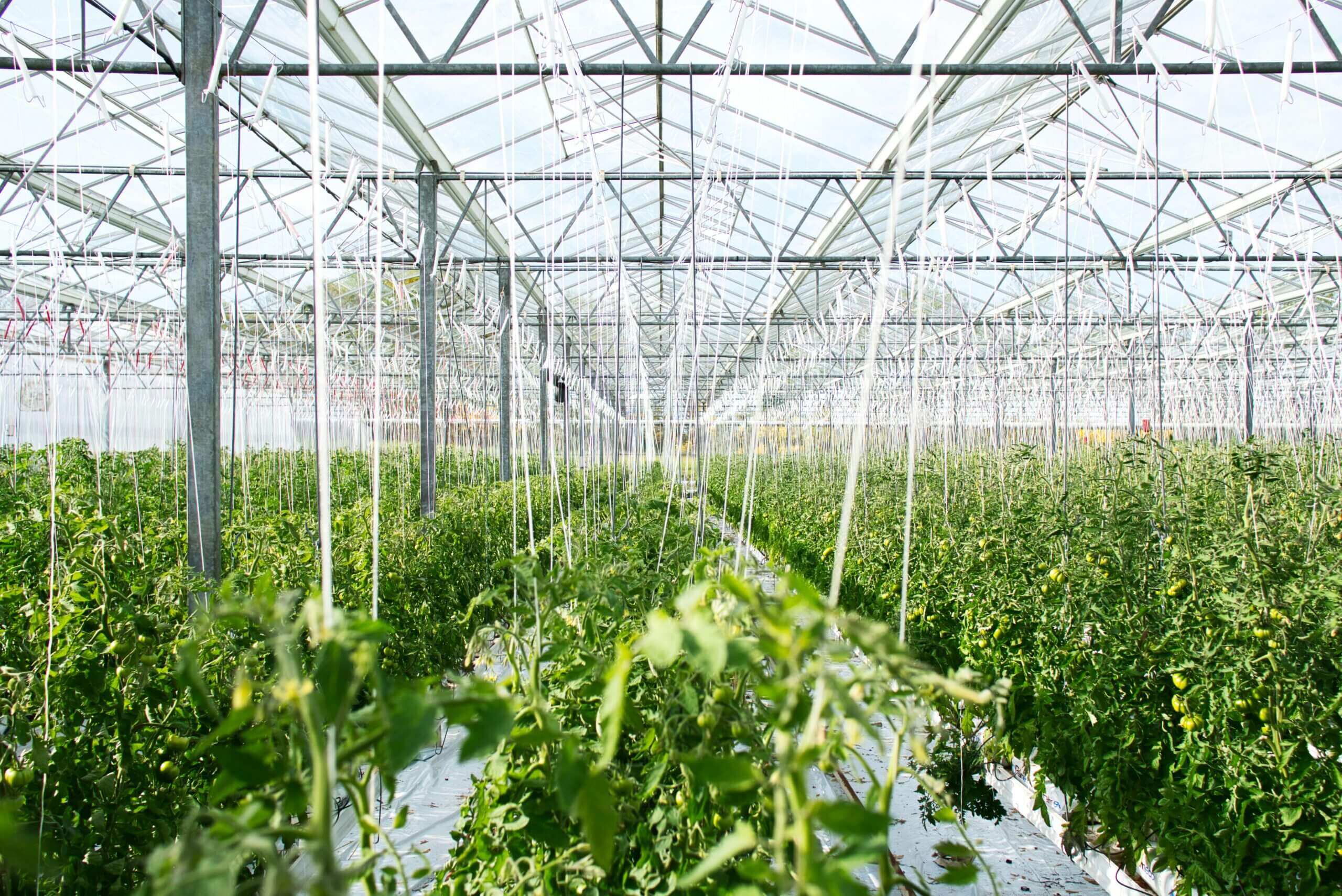
Whereas traditional farming has distinct planting and harvest seasons, Controlled Environment Agriculture goes beyond that. It enables year-round planting and harvesting of crops by utilizing climate-controlled indoor spaces, such as greenhouses and vertical farms. From light to temperature, humidity, and pests, CEA can manage it all and create ideal conditions for crops to thrive. Through engineering, plant science, and computer-managed control technologies, CEA systems enable growers to produce crops consistently and efficiently.
CEA is particularly useful for specialty crops, including fruits and vegetables. In fact, between 60 and 70 percent of all CEA-grown crops between 2009 and 2019 were tomatoes, lettuce, and cucumbers. However, due to its high cost, it is not typically used for commodity crops, which are the mass-produced crops many people associate with farming, like corn and soy.
One of CEA’s standout advantages is its virtually unlimited growing season. By using artificial light, temperature control, and even carbon management, crops can grow year-round, independent of natural seasons. This flexibility makes CEA increasingly important, especially as natural disasters in America regularly destroy billions of dollars’ worth of crops. With CEA, farming is no longer bound by the laws of nature.
>>>READ: What is Biochar, and Why Does it Matter?
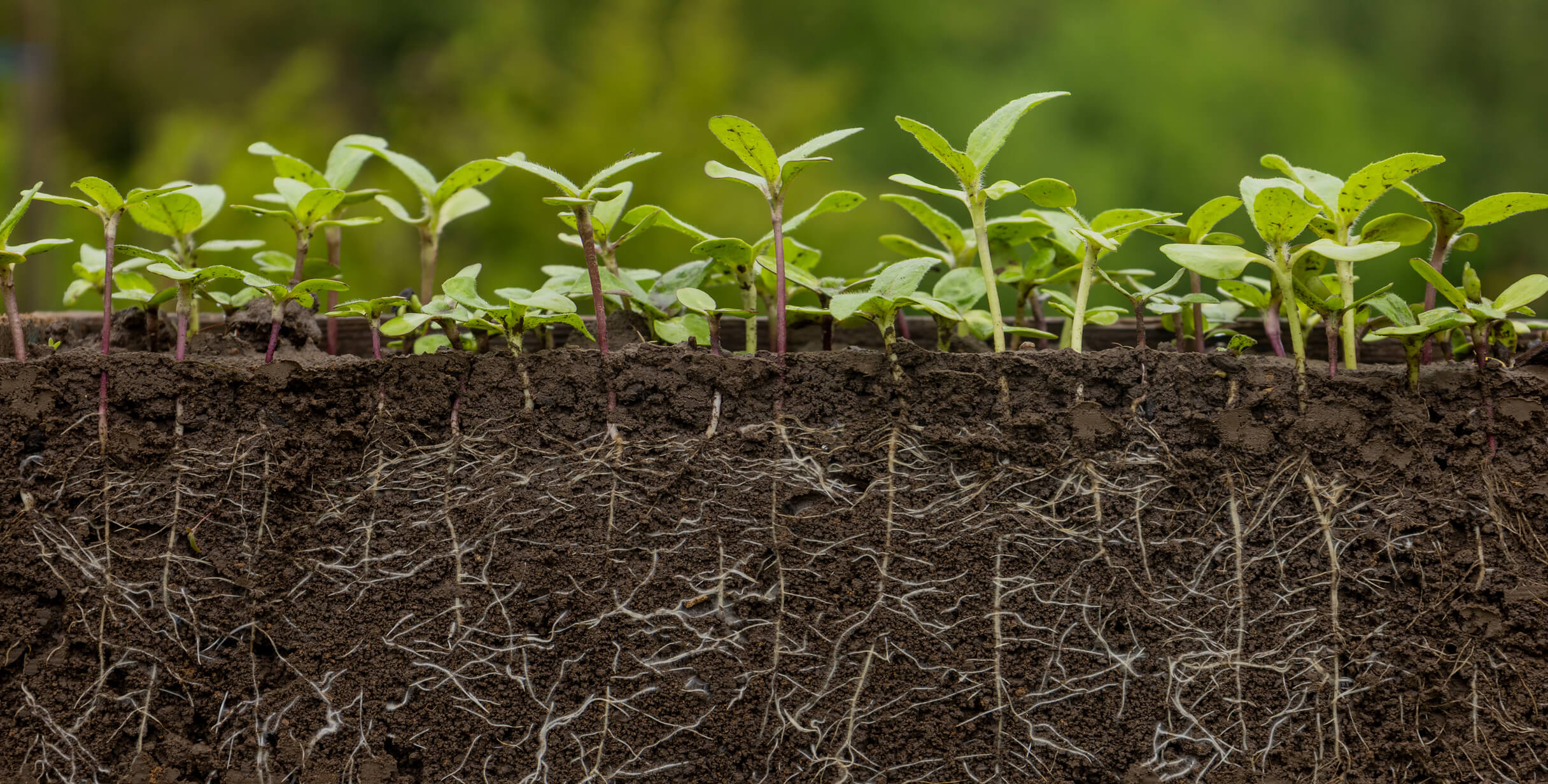
Certain types of CEA, such as hydroponics, even eliminate the need to use soil, dramatically reducing water consumption. One study found that CEA-grown leafy greens used 90 percent less water than their traditionally grown counterparts. However, despite the water savings, the electricity consumption for CEA-grown greens was 75 times higher than that of conventional greens. Additionally, while CEA-grown greens cost three times as much to produce, they yield 35 times more crops in the same square footage of space.
The environmental benefits of CEA extend well beyond water conservation. By controlling the growing environment, CEA eliminates the need for pesticides and herbicides, reducing excess residue on food and preventing pesticide runoff into nearby water sources and aquifers. CEA facilities can be built anywhere, including in urban areas, cutting transportation costs and reducing emissions associated with long-distance food transportation.
Despite its promise, Controlled Environment Agriculture has a long way to go before widespread adoption. The high upfront costs of artificial lightning and advanced technologies can deter investors, and its high energy consumption may make it even more emissions-intensive than traditional farming. However, innovators will find ways to tackle these challenges as technology advances and make CEA more energy-efficient, cost-effective, and sustainable.