Energy
Last November, President Donald Trump launched the Genesis Mission through an executive order (EO) that outlines 26 National Science and Technology Challenges, ranging from autonomous scientific labs to fusion energy to artificial intelligence (AI)-driven grid operations. Embedded in that order is a directive to use prize competitions to get there. This is a smart policy because prizes are a growing but still underutilized tool at the Department of Energy (DOE). Now the DOE needs to run with it.
By Adria Wilson and Nick Loris5 min readApril 21, 2026
→

Energy
With seemingly no end to the Iran War in sight, the Trump administration has several actions to soften the economic blow, including waiving the Jones Act and releasing 172 million barrels of oil from the Strategic Petroleum Reserve. One sensible solution to help consumers is to grant exemptions for the small refineries that are critical to US energy security and affordability.
By Nick Loris4 min readApril 7, 2026
→
Energy
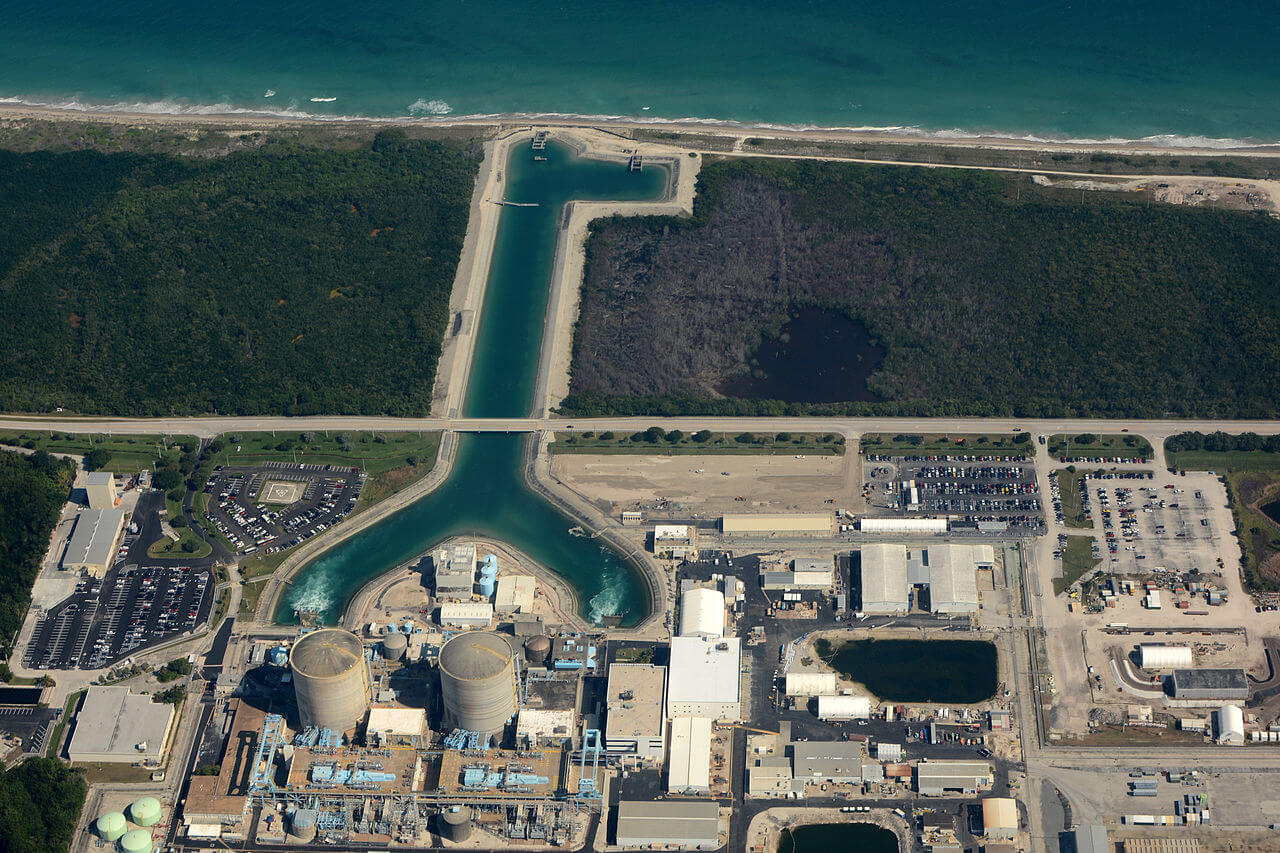
A new bill in the Sunshine State’s legislature seeks to streamline the approval process for constructing nuclear reactors.
By Nick Loris4 min readMarch 25, 2026
→
Energy
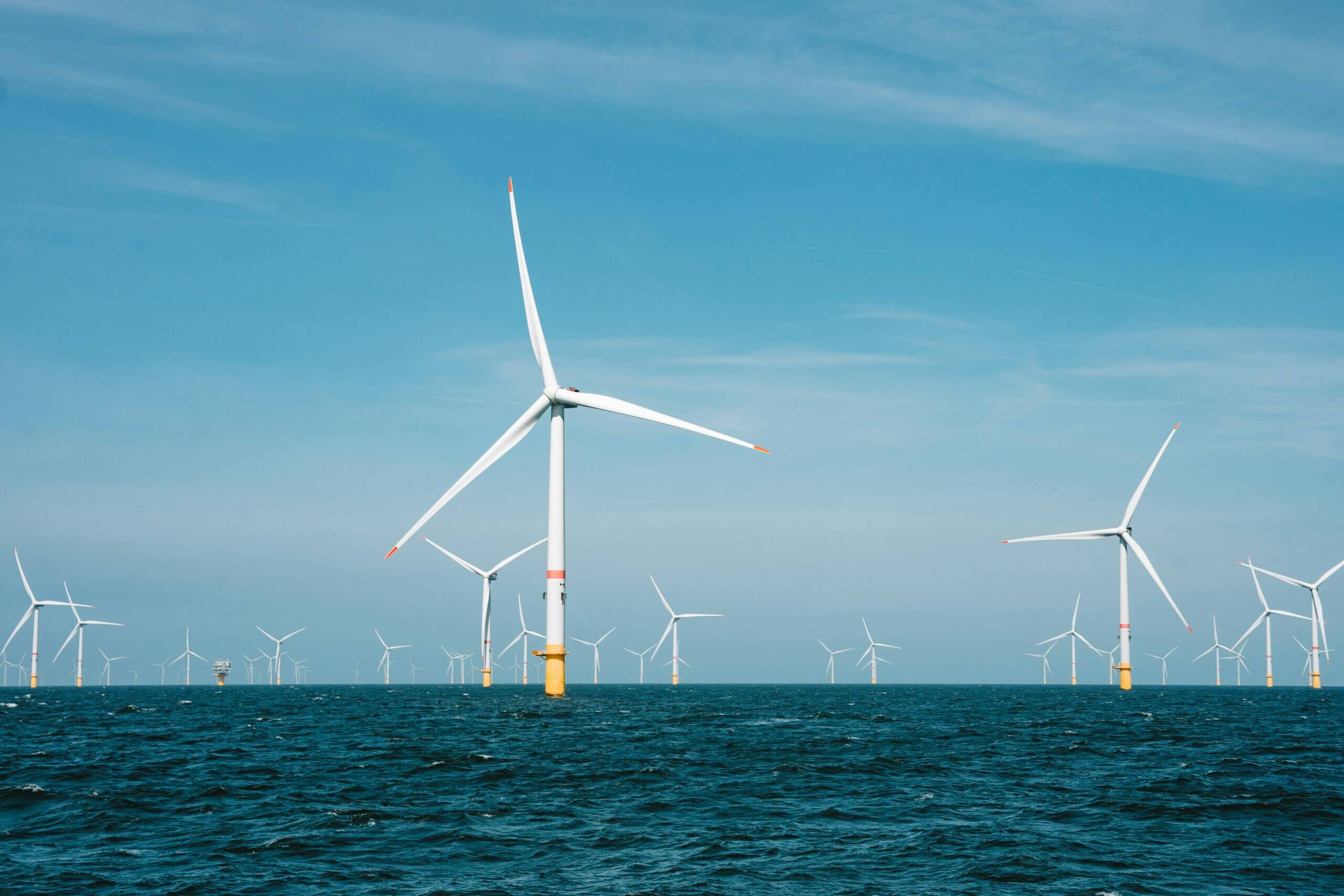
In its most recent foray against offshore wind, the administration announced it would appeal court rulings that allowed five offshore wind projects to proceed despite last December’s blanket construction halt on national security grounds. Yet the Administration’s ongoing actions risk derailing the possibility of reforming our broken permitting system—a downside far greater than allowing five fully permitted wind projects to go forward.
By Nick Loris4 min readMarch 11, 2026
→
Energy
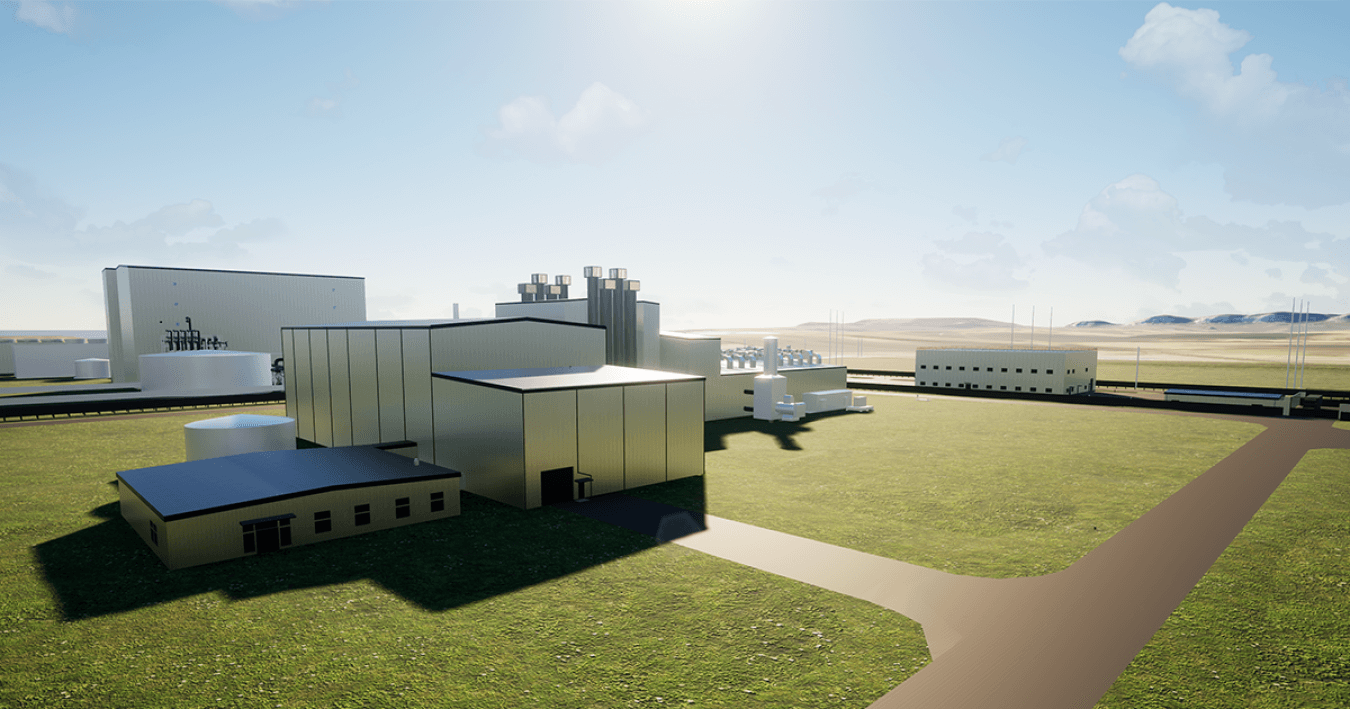
In a welcoming milestone, TerraPower received approval from the Nuclear Regulatory Commission (NRC) for a construction permit for its advanced nuclear power plant in Kemmerer, Wyoming. The review, completed ahead of schedule, provides a hopeful signal that the United States is finally turning the corner on one of the biggest barriers to clean energy innovation: an outdated, slow, and unpredictable licensing and permitting system.
By Nick Loris3 min readMarch 6, 2026
→
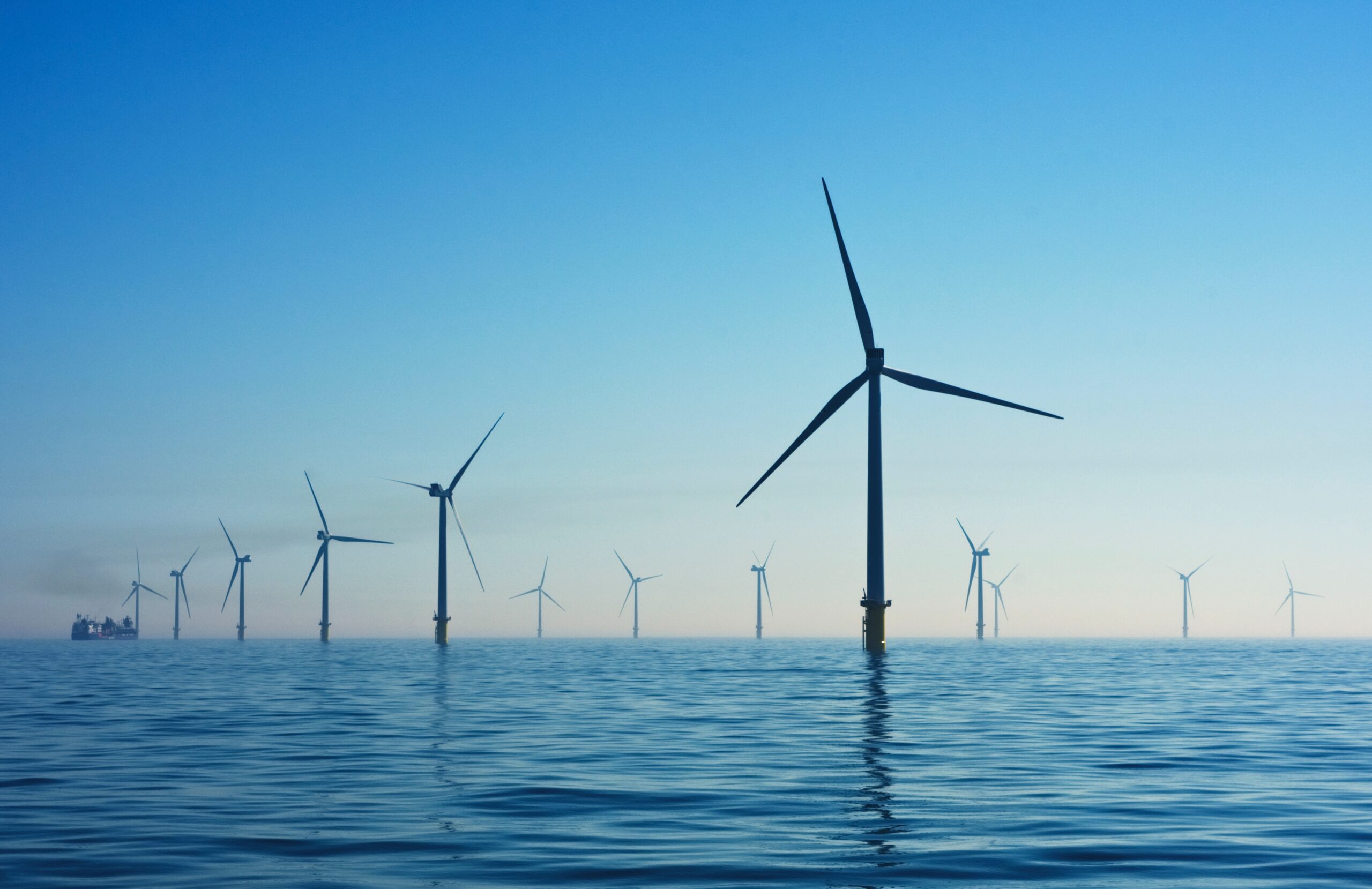
Infrastructure
The Trump administration recently announced it would appeal court rulings that allowed offshore wind projects to proceed with construction. This follows the administration’s halt to construction on five projects last December for national security reasons, even though those projects had already received permits and are nearly complete. If the goal is true American energy dominance, the bigger task is fixing the broken permitting system that slows every form of American energy infrastructure.
By Nick Loris6 min readMarch 3, 2026
→
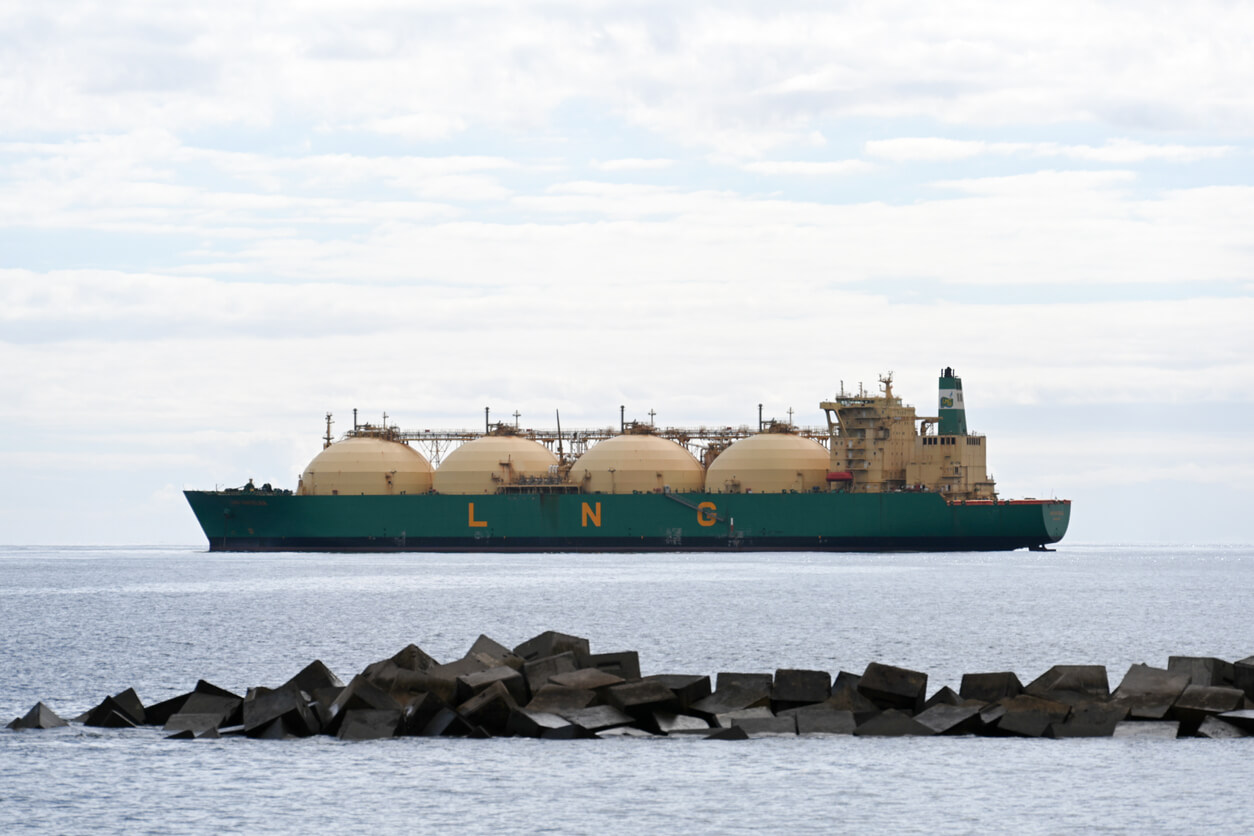
Energy
If you ask the average person what the biggest technology breakthrough since the turn of the century has been, the smartphone is a safe bet for the most common answer. Recency bias could lead to some artificial intelligence (AI) responses. Unless you’re in the business or completely fixated with Landman, it’s unclear how many folks are saying the Shale Revolution.
By Nick Loris6 min readFebruary 20, 2026
→
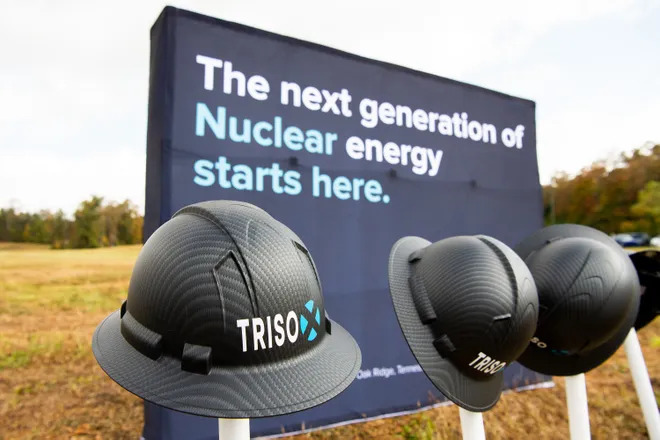
Energy
The Department of Energy recently announced that certain advanced nuclear reactor projects can qualify for a categorical exclusion from the National Environmental Policy Act’s (NEPA) full review process. The move is a practical step forward to accelerate innovation, reduce unnecessary cost and delay, and strengthen U.S. competitiveness in nuclear energy.
By Nick Loris4 min readFebruary 4, 2026
→
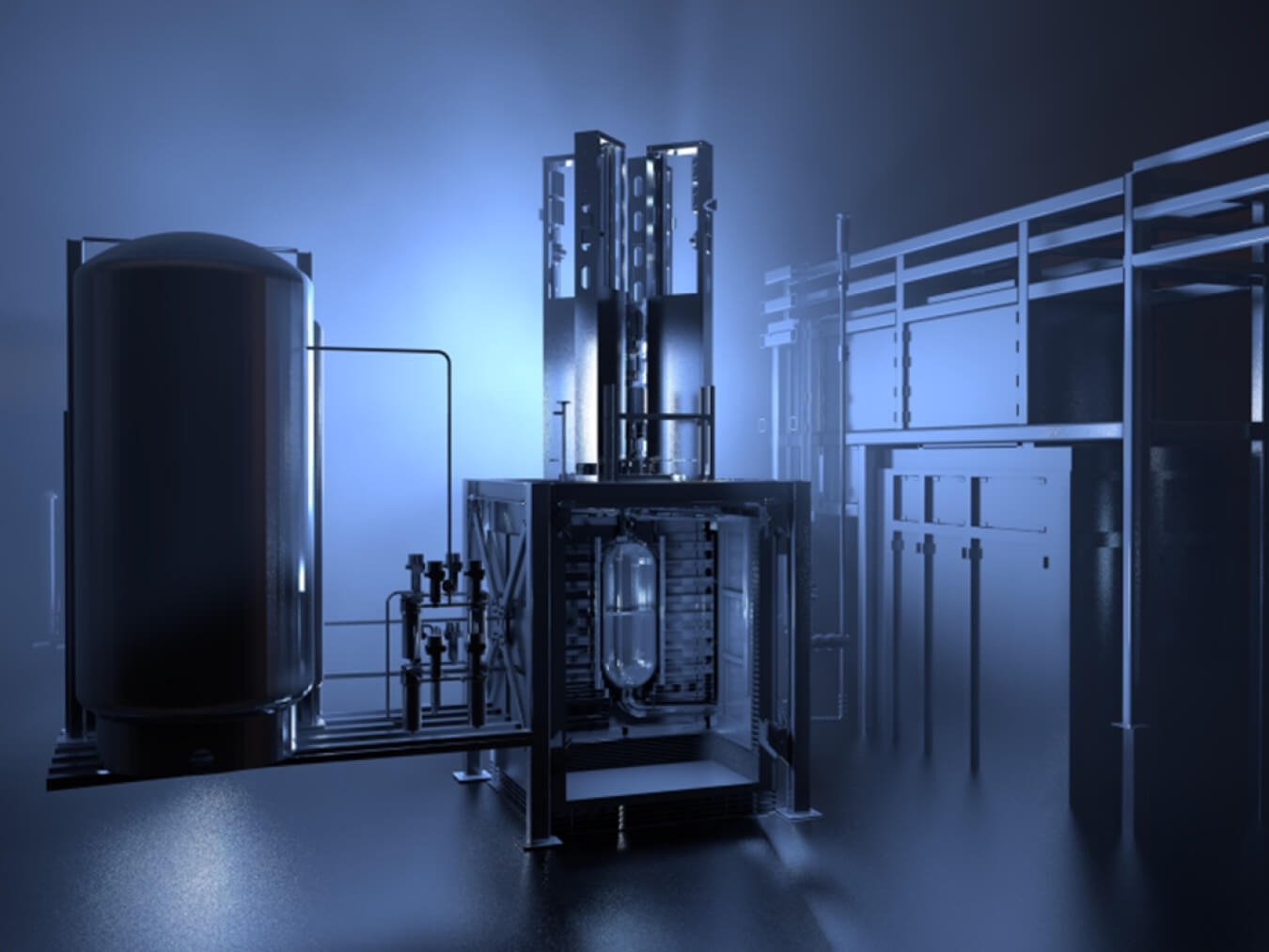
Energy
Last fall, Energy Secretary Chris Wright told the audience at Senator John Curtis’ conservative climate summit that “nuclear is going to become sexy again.” For policy wonks and proponents of modernizing outdated nuclear regulation, there may be nothing sexier than reforming ALARA.
By Nick Loris4 min readJanuary 15, 2026
→
Transportation
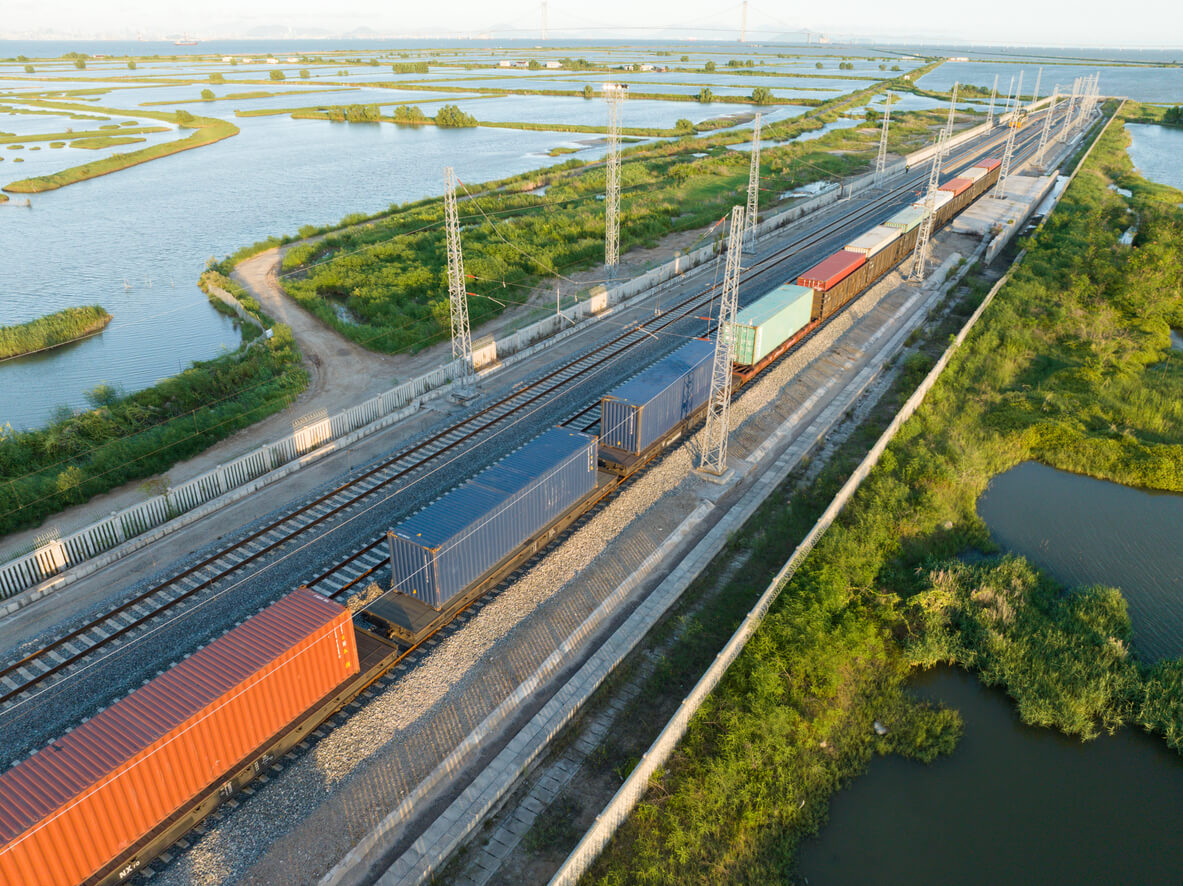
From global pandemics to port congestion, extreme weather and rising transportation costs—our nation’s supply chains have been put to a severe test. New analysis from the Association of American Railroads (AAR) shows that some freight networks are inherently more stable during these disruptions.
By Nick Loris4 min readJanuary 6, 2026
→
Energy
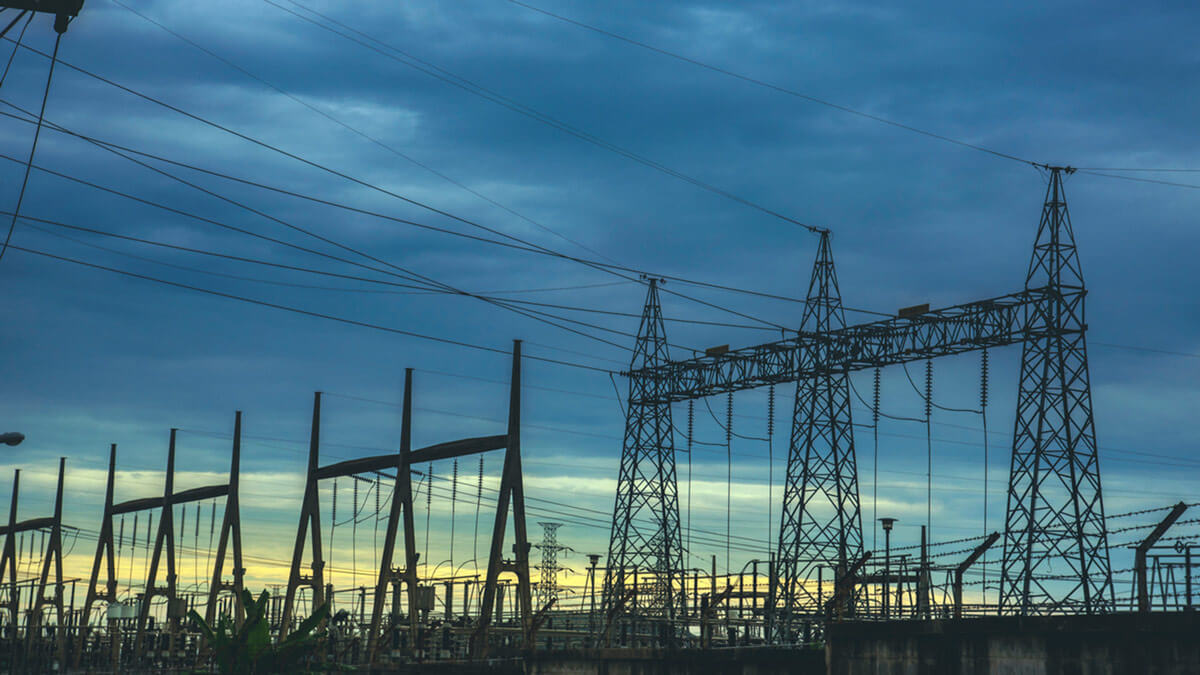
Advocates of large-scale transmission expansion have recited a simple slogan for years: There is no transition without transmission. By this, they mean that the shift to renewable energy will require vast new power lines. Whatever one thinks of climate policy, that argument no longer carries much weight. The relevant question now is whether building more transmission will make electricity more affordable.
By Nick Loris and Travis Fisher4 min readDecember 30, 2025
→

Environment
The Clean Air Act (CAA) is now 55 years old—and shows its age. That’s not a critique of its legacy. The law, in conjunction with innovation and private investment in environmental improvement, has contributed to significant improvements in air quality, public health, and environmental protection. But its regulatory framework still operates like it’s 1970, often resulting in costly, inefficient regulations that stifle economic growth for little environmental gain.
By Nick Loris5 min readDecember 11, 2025
→