Energy
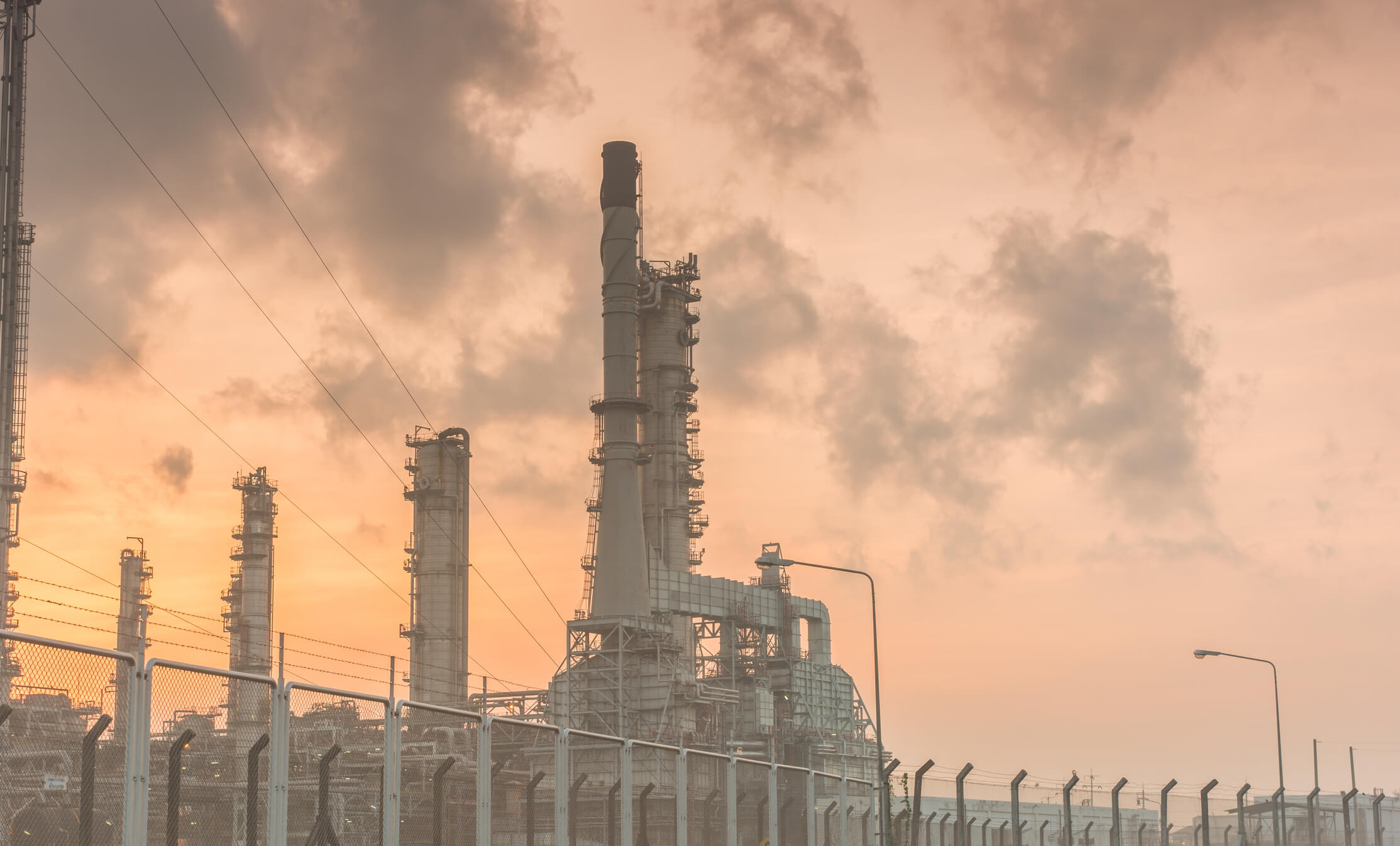
While it still seems to be a long way off, Iran and Trump seem to be considering the conditions they need to make peace. As I’ve noted in past Low-Energy Fridays, peace is better for the economy than war, which destroys productive resources and erodes investor confidence. But we must also understand that the way in which this peace is achieved may impact energy markets in the long term. While any peace is generally better economically than the status quo, risks caused by the war may remain even after a deal is made.
By Philip Rossetti3 min readMarch 30, 2026
→
Energy
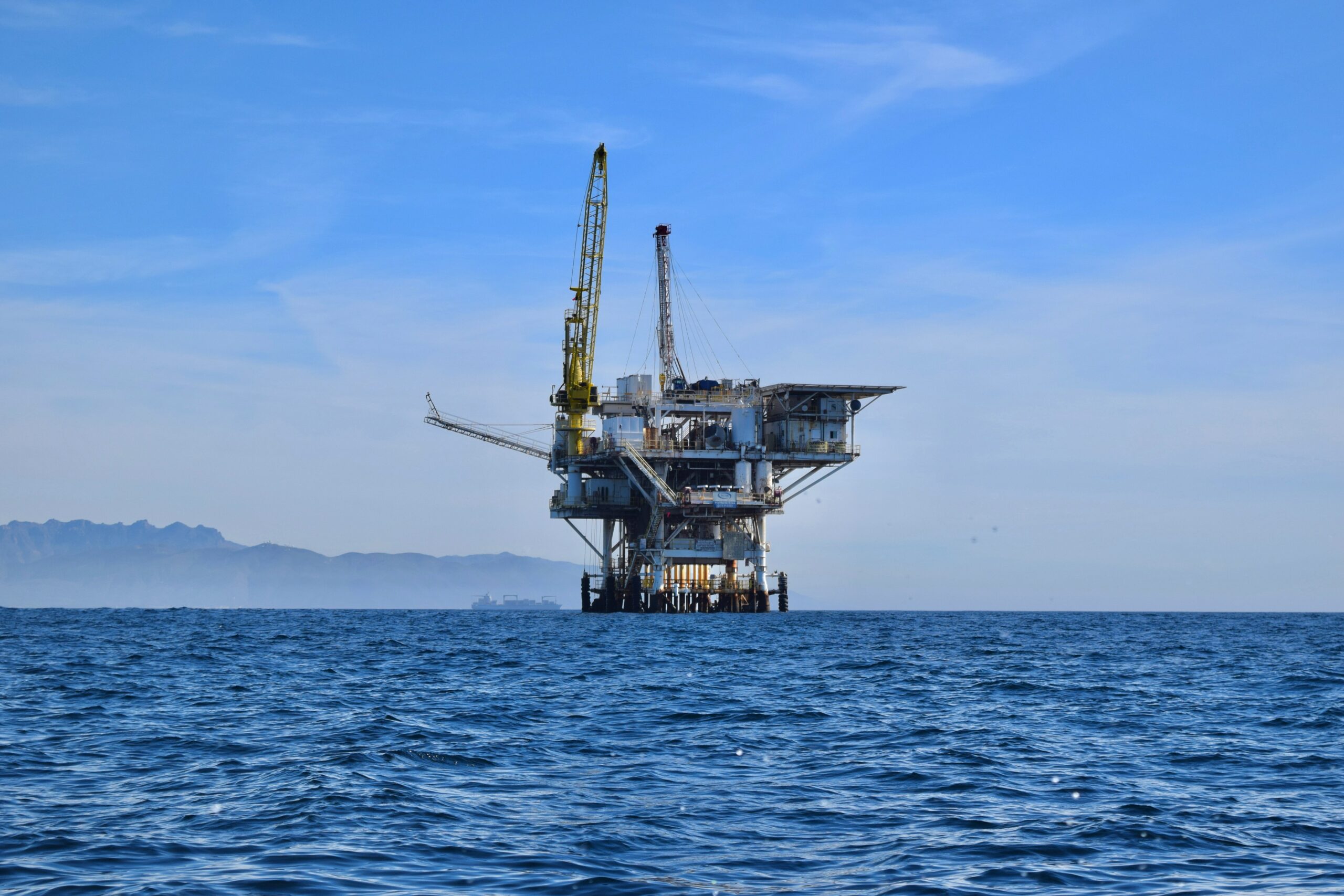
The war with Iran has sent oil prices, and then gasoline prices, sharply higher. West Texas Intermediate (WTI) crude, the main U.S. oil benchmark, rose from the mid-$60s per barrel in late February to around $100 on March 19. U.S. gasoline prices have followed suit, with the average price increasing from a pre-war level of under $3.00 per gallon to over $3.70 by mid-March.
By David Kemp5 min readMarch 23, 2026
→
Energy
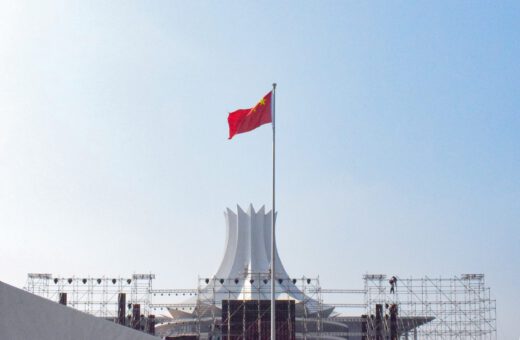
China’s monopoly on rare earth elements is not accidental. The United States, once the world leader in rare earth element production, helped create its own decline as environmental regulations and shifting industrial economics pushed production capacity offshore, allowing an increasingly adversarial nation to gain leverage over materials essential to defense systems and advanced technologies. Reasserting U.S. independence will require rebuilding our domestic supply chain and renewed coordination between government and industry.
By Aurelia S. Giacometto4 min readMarch 18, 2026
→

World
America's energy future is often framed as a binary choice between fossil fuels and a clean energy transition. But that framing is misleading, and acting on it could worsen both our energy bills and our climate outcomes. Domestic oil and gas production remains critical to energy affordability, grid reliability, and even near-term emissions reductions.
By Prasanna Pydipalli4 min readMarch 10, 2026
→
Energy
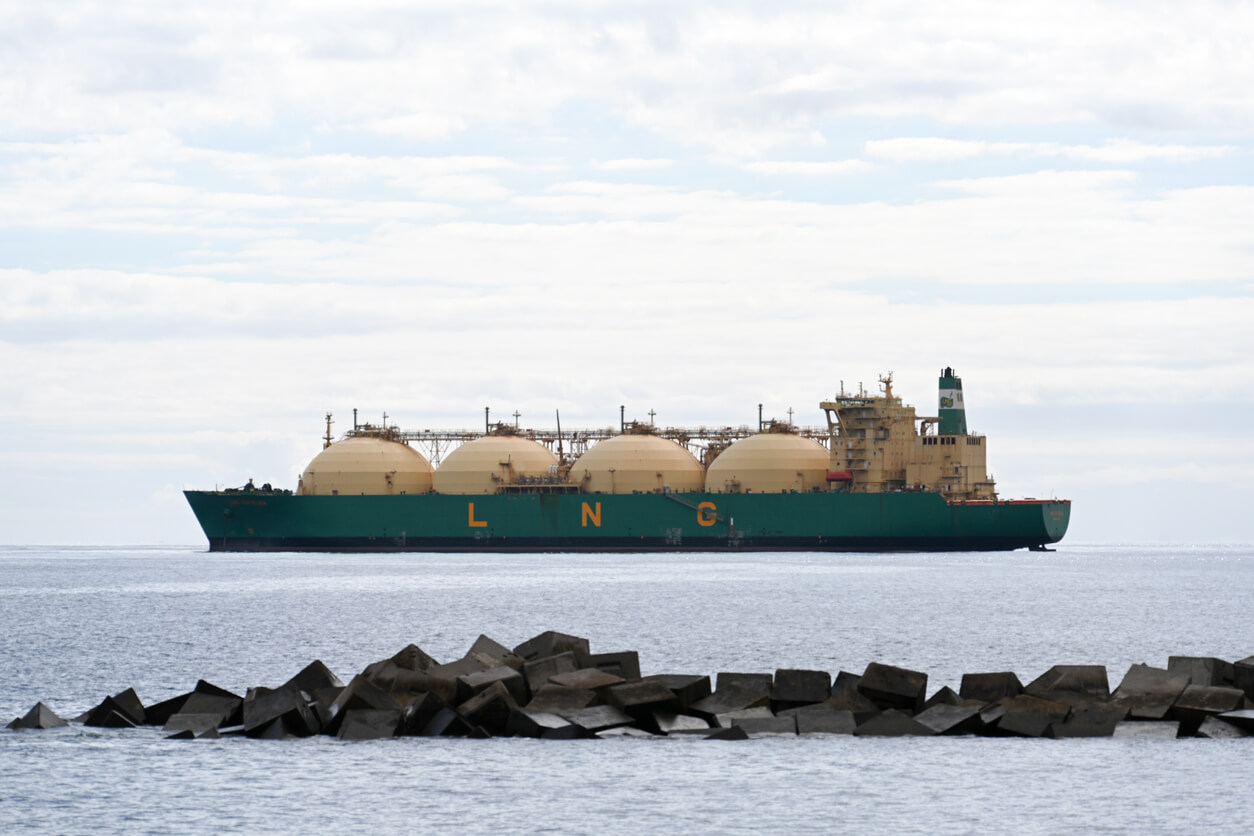
If you ask the average person what the biggest technology breakthrough since the turn of the century has been, the smartphone is a safe bet for the most common answer. Recency bias could lead to some artificial intelligence (AI) responses. Unless you’re in the business or completely fixated with Landman, it’s unclear how many folks are saying the Shale Revolution.
By Nick Loris6 min readFebruary 20, 2026
→

Energy
Harvesting from the sea floor is the most environmentally sustainable way to obtain the minerals we need. These nodules can be harvested using specialized, deep-sea vessels. Seabed nodules sit exposed on the ocean floor, allowing collection without significant disruption.
By Drew Bond4 min readFebruary 18, 2026
→

World
There’s an interesting paradox in economics known as the “resource curse.” Simply put, areas with abundant natural resources tend to be poorer than those that face scarcity. Competing theories attempt to explain the resource curse, but one generally accepted explanation is that these resource-rich countries usually have authoritarian governments while citizens under democracies fare better.
By Philip Rossetti3 min readJanuary 26, 2026
→
World
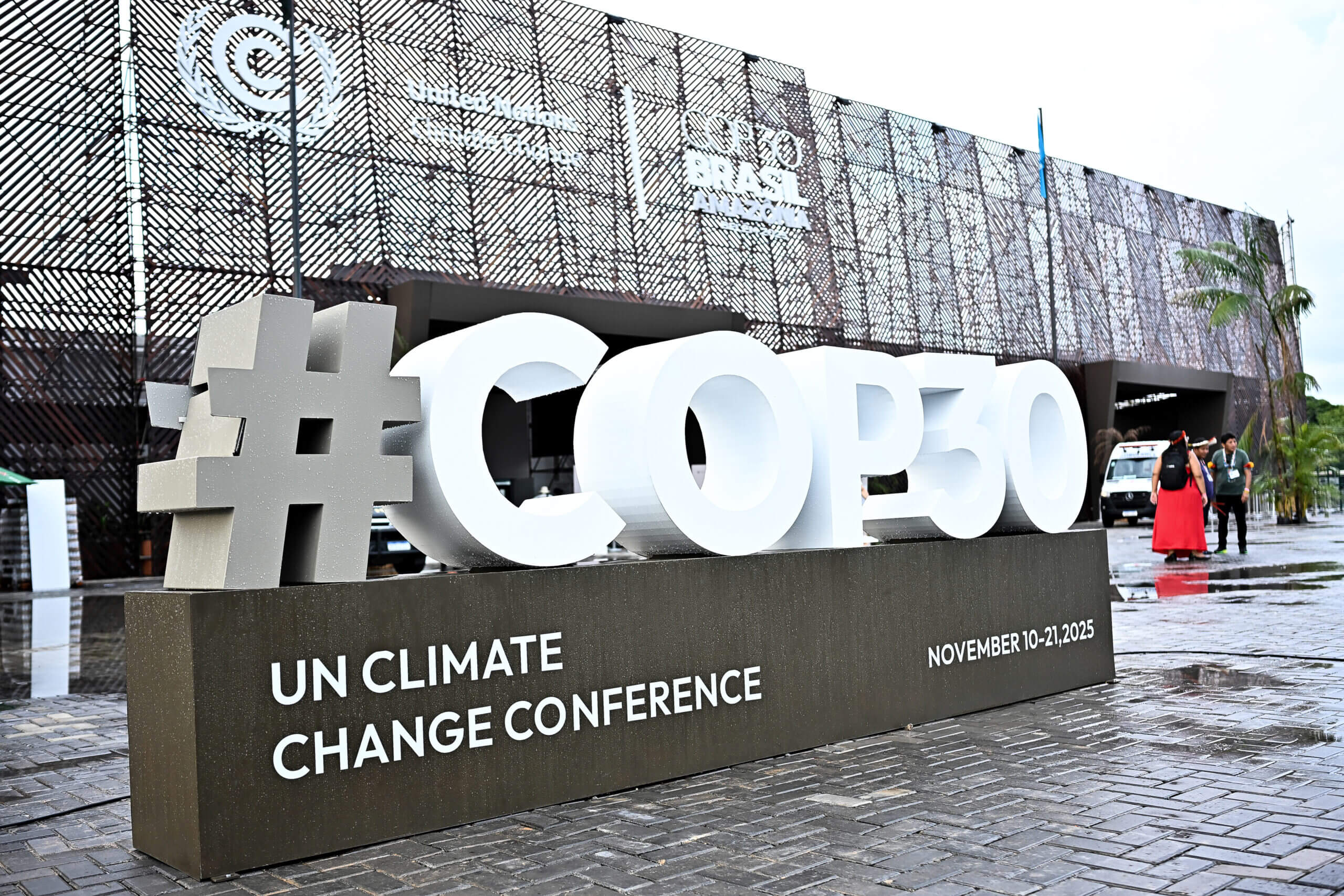
Last week, the Trump Administration announced its intention to withdraw the United States from several landmark international climate institutions, including the United Nations Framework Convention on Climate Change (UNFCCC) and the Intergovernmental Panel on Climate Change (IPCC). In practical terms, the move is largely symbolic: U.S. participation or non-participation in these bodies has relatively little direct effect on domestic climate policy or near-term global emissions outcomes.
By David Kemp4 min readJanuary 21, 2026
→
World
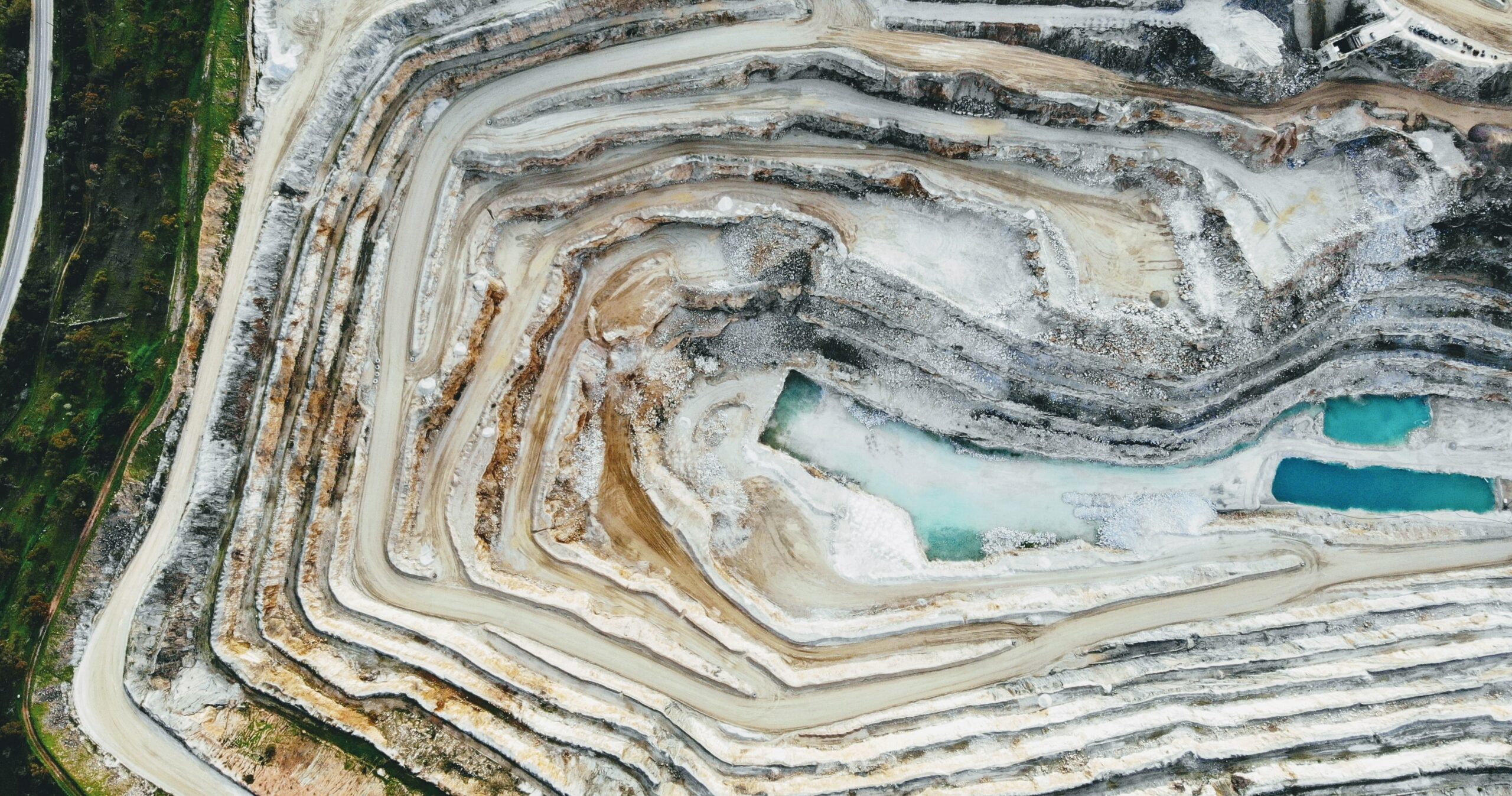
The bold vision for America’s clean energy rests on an extremely fragile foundation. The United States is highly dependent on foreign countries for crucial minerals.
By Walter Blanks Jr3 min readJanuary 8, 2026
→
Energy
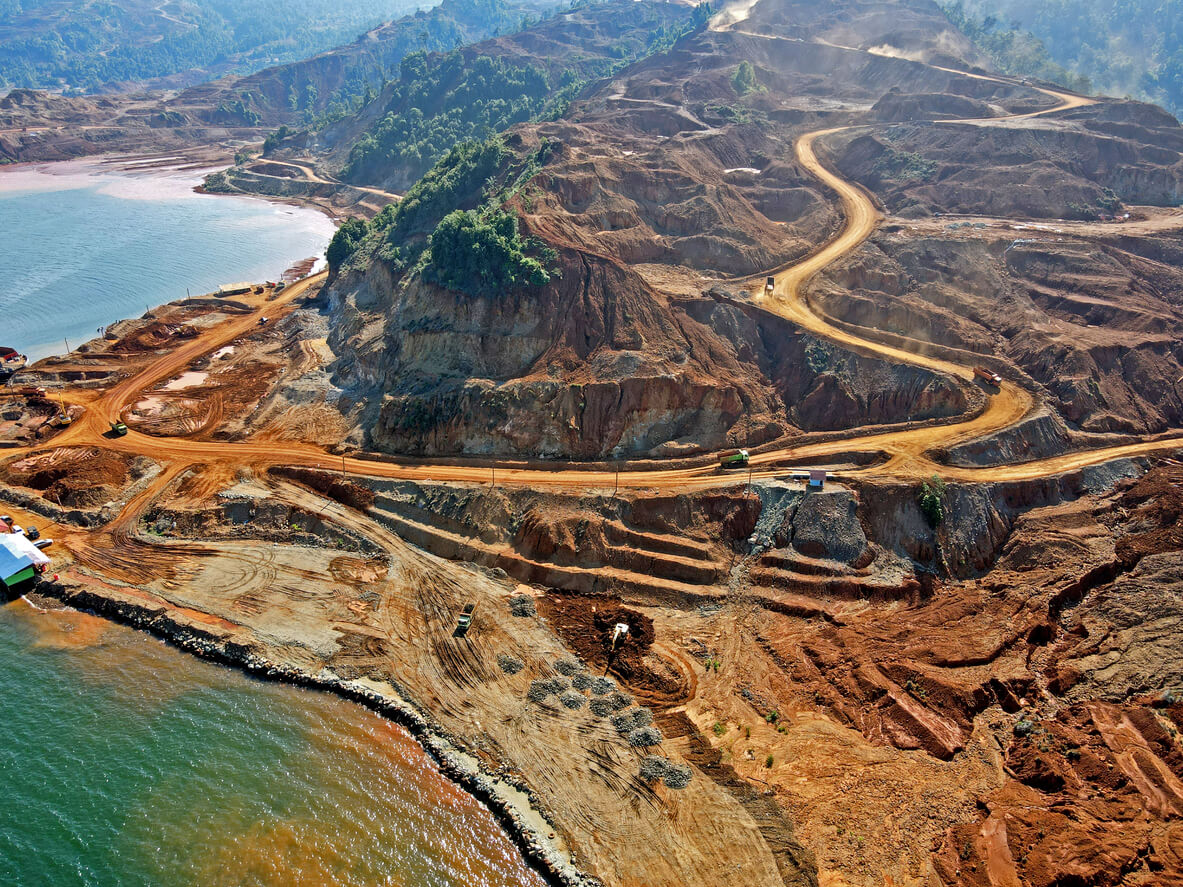
Earlier this year, China sent up a red flag. Its Ministry of Commerce introduced export restrictions that immediately reduced the international supply of seven rare earth elements. The move followed President Trump’s tariffs on Chinese goods, but it reminded Americans that we are always vulnerable. We need a source of rare earth elements that isn’t spelled C-H-I-N-A.
By Drew Bond3 min readDecember 29, 2025
→
