Energy
The risks posed by this concentration are worth taking seriously. The problem is that these tools may force taxpayers to take on unnecessary risk—leaving them stuck with the bill if the companies fail—without addressing the underlying problem.
By David Kemp4 min readAugust 13, 2026
→

Environment
Here is a fact that should embarrass every climate activist: States with the most liberated energy markets in America are producing better environmental outcomes than the green mandators of Europe — and doing it without impoverishing their people in the process. Freedom, it turns out, is a remarkably effective environmental policy.
By Drew Bond5 min readJuly 21, 2026
→
Energy
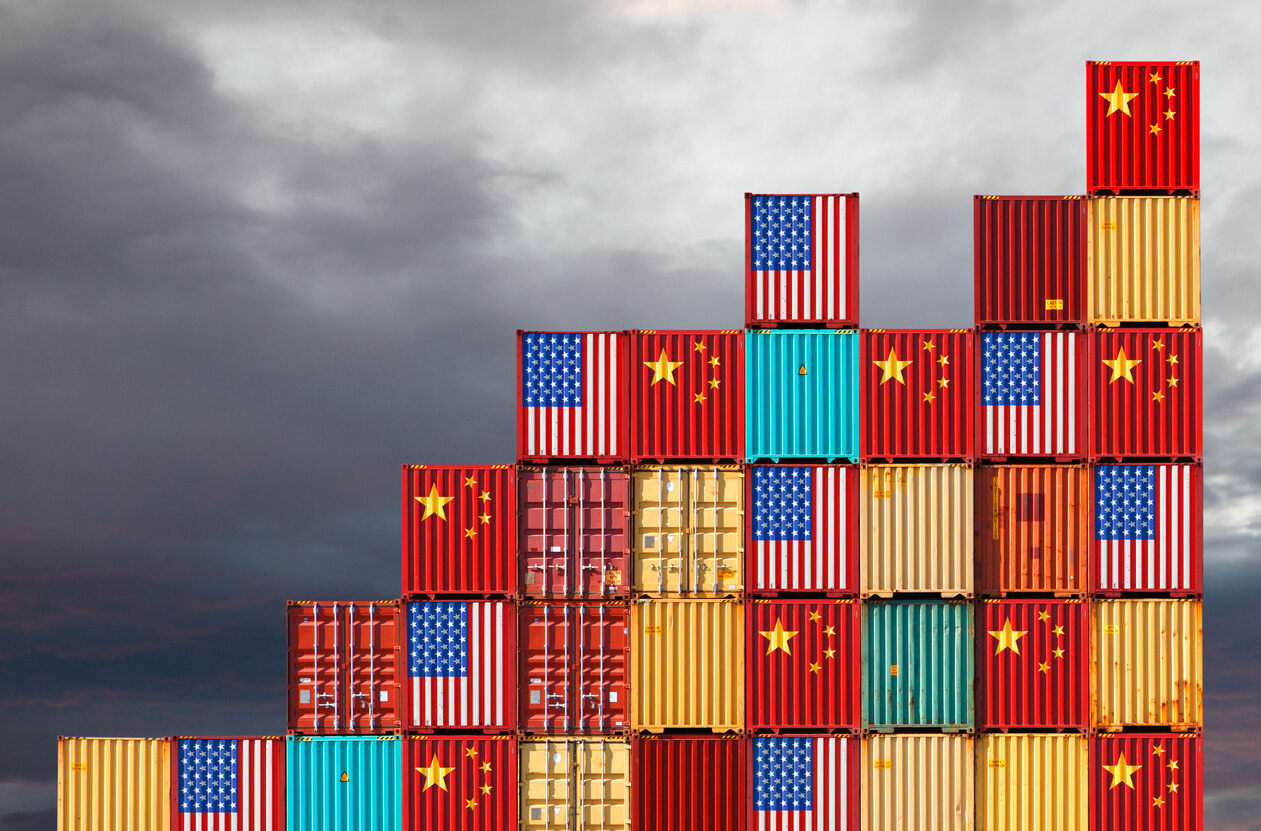
Trade tensions between the U.S. and China continue to escalate, and rare earths remain a central pawn, despite an apparent agreement reached last month, in which China would address U.S. concerns over shortages of rare earths and other critical minerals. Earlier this week, China added 10 companies to its export control list, banning exports of dual-use rare earths to firms it says are tied to the U.S. military. The move was a response to Washington’s decision earlier this month to add new companies, including large Chinese firms such as Alibaba and Baidu, to a list of entities it says assist the Chinese military, a designation that restricts their access to U.S. technology and trade.
By David Kemp5 min readJune 29, 2026
→

Infrastructure
Recent heatwaves across Western Europe are highlighting the growing need for reliable and efficient climate-control infrastructure. limate infrastructure firm Trane Technologies is helping address this challenge through its energy optimization services powered by artificial intelligence. A leading provider of heating, ventilation, and air conditioning (HVAC) systems, Trane’s innovative roster of energy-efficient technologies reduce energy consumption, improve efficiency, and enhance operational resilience across a wide array of facilities, from data centers and hospitals to residential buildings.
By Nathalie Voit3 min readJune 25, 2026
→
Energy
Two hundred and fifty years young, the United States of America remains the best country in the world. We’re not perfect, but we still pass “the gates test” with flying colors.
As the longtime conservative leader Bill Bennett noted in highlighting the Berlin Wall, “You can measure a nation’s worth by observing the flow of humanity when barriers are raised: do they fight to enter, or do they risk everything to escape?” In America, people are still desperately trying to get in, and for good reason.
By Drew Bond6 min readJune 23, 2026
→
Energy
Yesterday, the United States and Iran signed an agreement to end the war. The 14-point Memorandum of Understanding (MOU) includes an immediate and permanent end to military operations, the lifting of the U.S. naval blockade, and the reopening of the Strait of Hormuz. It is a preliminary deal, not a final settlement, and sets a maximum 60-day deadline to negotiate a final agreement.
By David Kemp4 min readJune 18, 2026
→
Energy
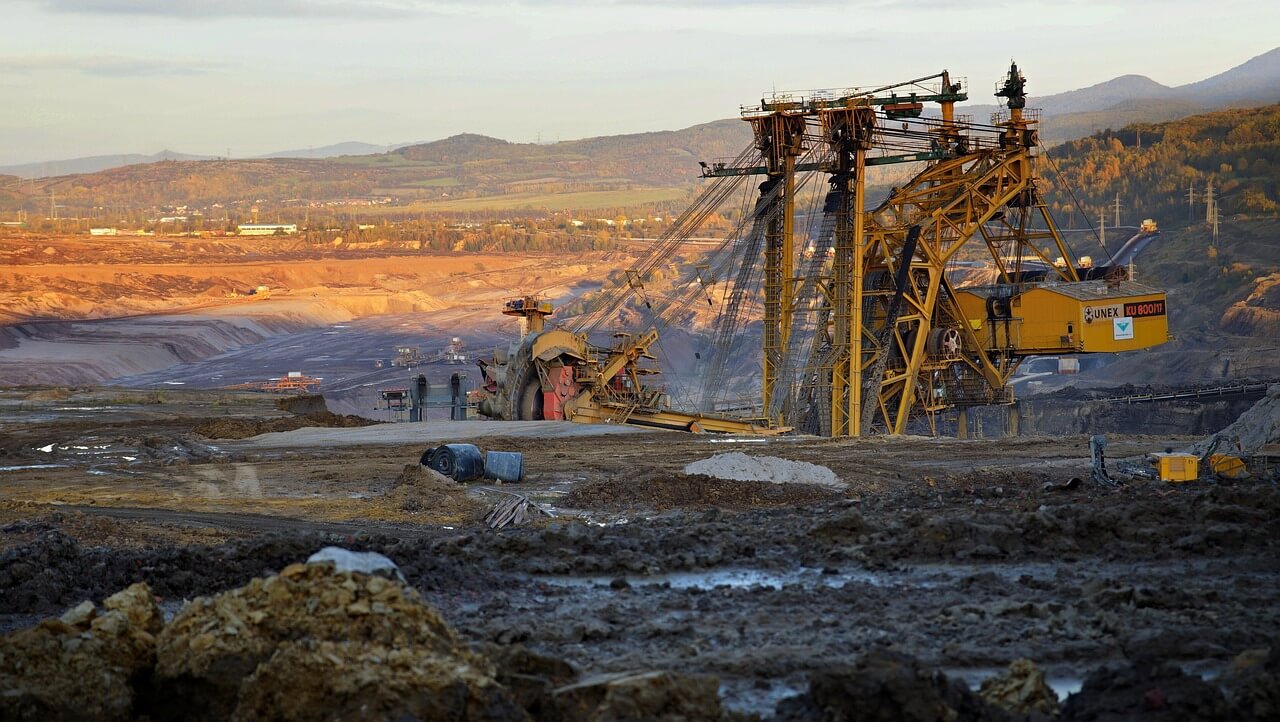
Last week, the Quadrilateral Security Dialogue, known as the Quad and consisting of the United States, India, Japan, and Australia, met in New Delhi and hammered out, among other things, a Quad Critical Minerals Initiative Framework.
By David Kemp4 min readJune 1, 2026
→
Energy
Critical minerals have become a marquee issue in Washington over the past several years, driven by growing concern that the United States and its allies depend too heavily on China for materials that are indispensable to both the civilian economy and the defense industry.
By David Kemp5 min readMay 5, 2026
→
Energy
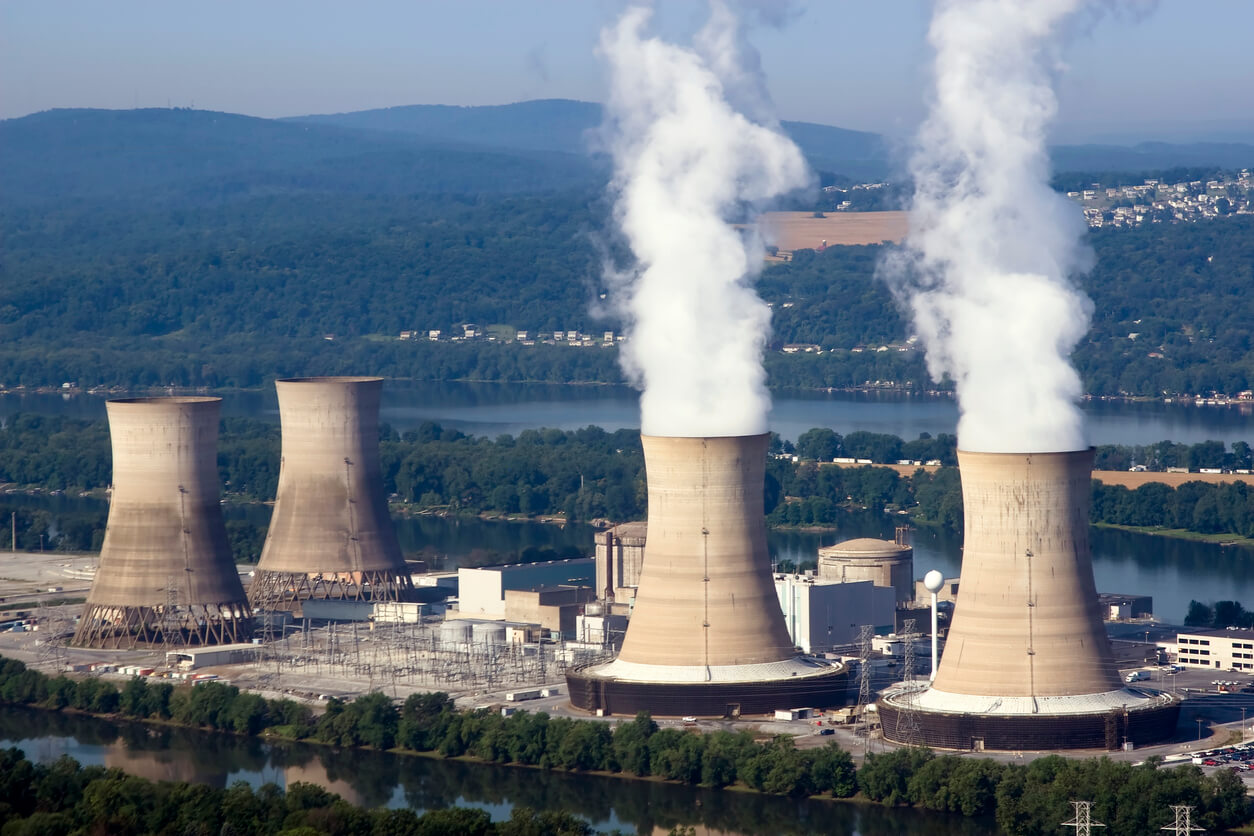
After the Iran war ends and the Strait of Hormuz opens, gas prices will fall. But when the next crisis comes, we’ll be happy for every nuclear reactor we have, large and small. So let’s build.
By Drew Bond4 min readApril 9, 2026
→
World
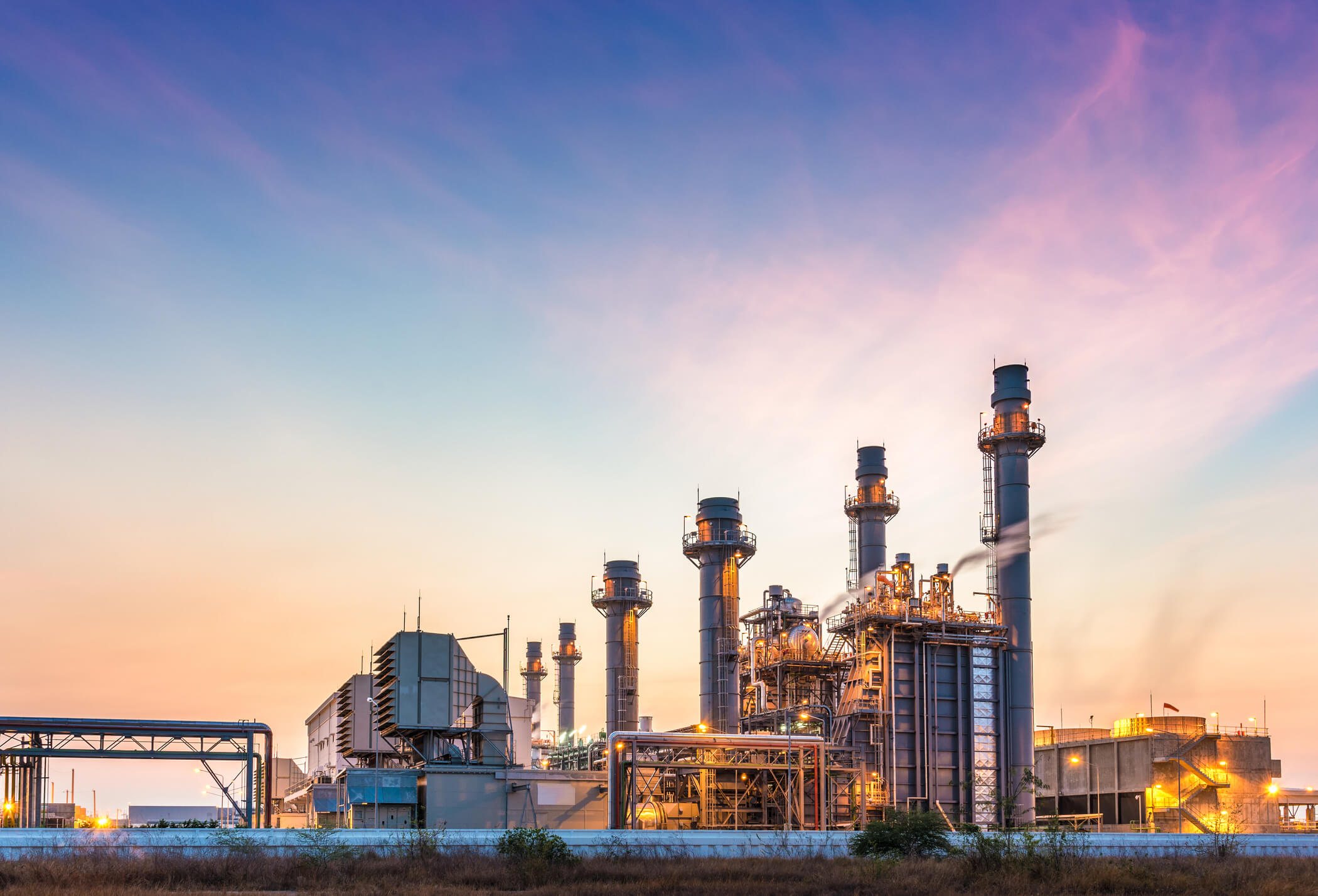
As the Iran war continues, oil prices keep rising. Gasoline has climbed to over $4 per gallon for the first time in four years. The ripple effects are spreading across the economy as markets that depend on affordable crude begin to absorb the disruption of roughly one-fifth of the world’s oil and liquefied natural gas that normally passes through the Strait of Hormuz. Everything from airline tickets to groceries is seeing upward pressure as the prices of jet fuel, diesel, and fertilizer all rise.
By David Kemp4 min readApril 6, 2026
→
