

Conservation
A Step Forward to Healthier Forests
After passing the House in January with overwhelming bipartisan support, the Fix Our Forests Act (FOFA) had been at a standstill for the past nine months– until yesterday.
Conservation
After passing the House in January with overwhelming bipartisan support, the Fix Our Forests Act (FOFA) had been at a standstill for the past nine months– until yesterday.

Conservation
What we didn’t see reported was the actual progress made during the sessions (or outside the sessions). An important event quietly brought together the leaders of Botswana, Mozambique, Namibia, and South Africa, along with bipartisan leadership from Congress, and philanthropists representing the Walton Family to the Bezos Earth Fund, all around a central theme of conservation and international cooperation.
Energy
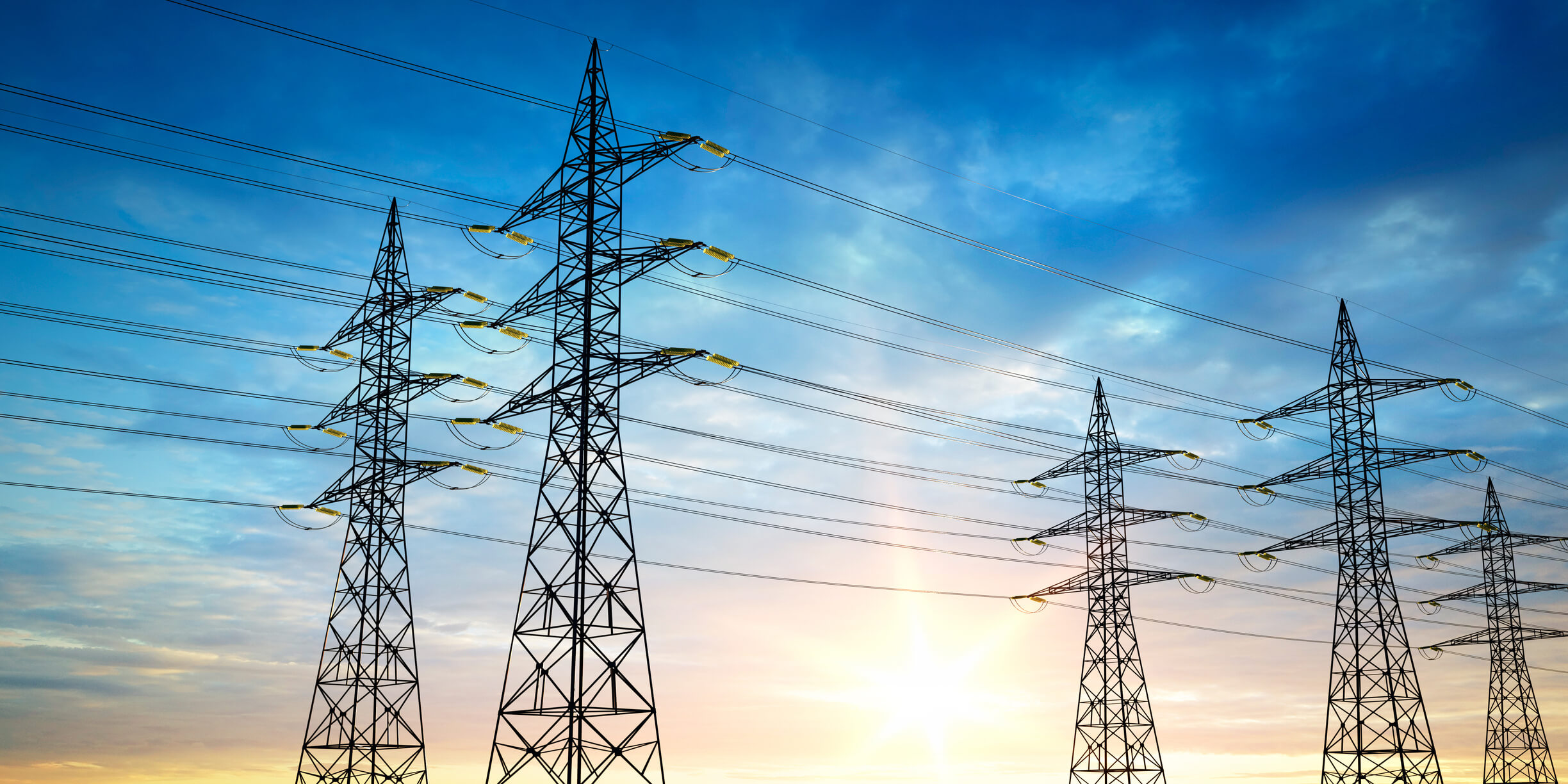
Energy price politics is not a new game in Washington. Typically, politicians blame the opposing side for higher gas prices. These days, higher prices are at the meter as electricity rates have more than doubled the inflation rate over the past year.
Energy
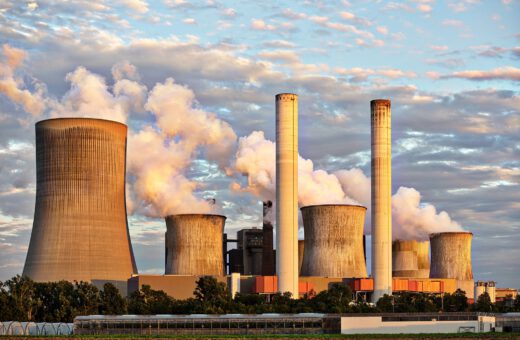
Executive Order 14300 explicitly calls for a re-evaluation of the Linear No-Threshold (LNT) model and the As Low As Reasonably Achievable principle (ALARA). These two frameworks have guided nuclear regulation for decades. While these models may have been defensible when first adopted, they have hardened into regulatory doctrines that no longer align with the best available science, economic realities, or the nation’s strategic energy goals.
Infrastructure
There has been bipartisan support for improving permitting processes, and both Republican and Democratic administrations have acknowledged the need to modernize NEPA. At a recent House Natural Resources Committee hearing, I testified to explain how narrowing the scope of environmental reviews and reining in the delays imposed by protracted litigation would help deliver more affordable power, reliable infrastructure, and a healthier environment.
Infrastructure
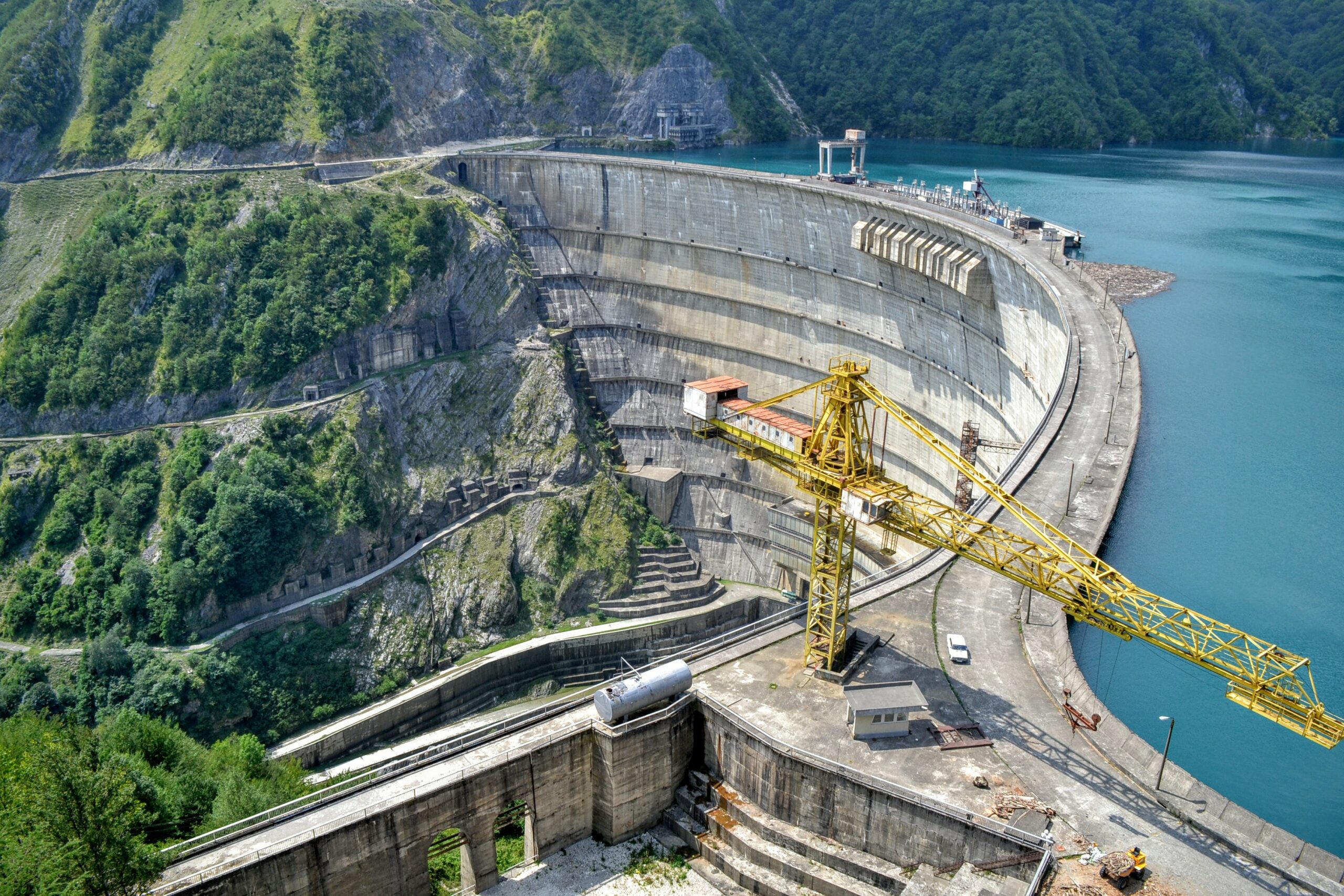
In the need to innovate, invest, and build for a cleaner, more prosperous future, time is far from a neutral variable. It can be a competitive advantage or a competitive disadvantage, depending on what you’re building and where you’re building it. Permitting reform will create more opportunities where investing and building in America is a competitive advantage, enabling us to meet our energy and infrastructure needs, as well as our environmental ambitions.
Energy
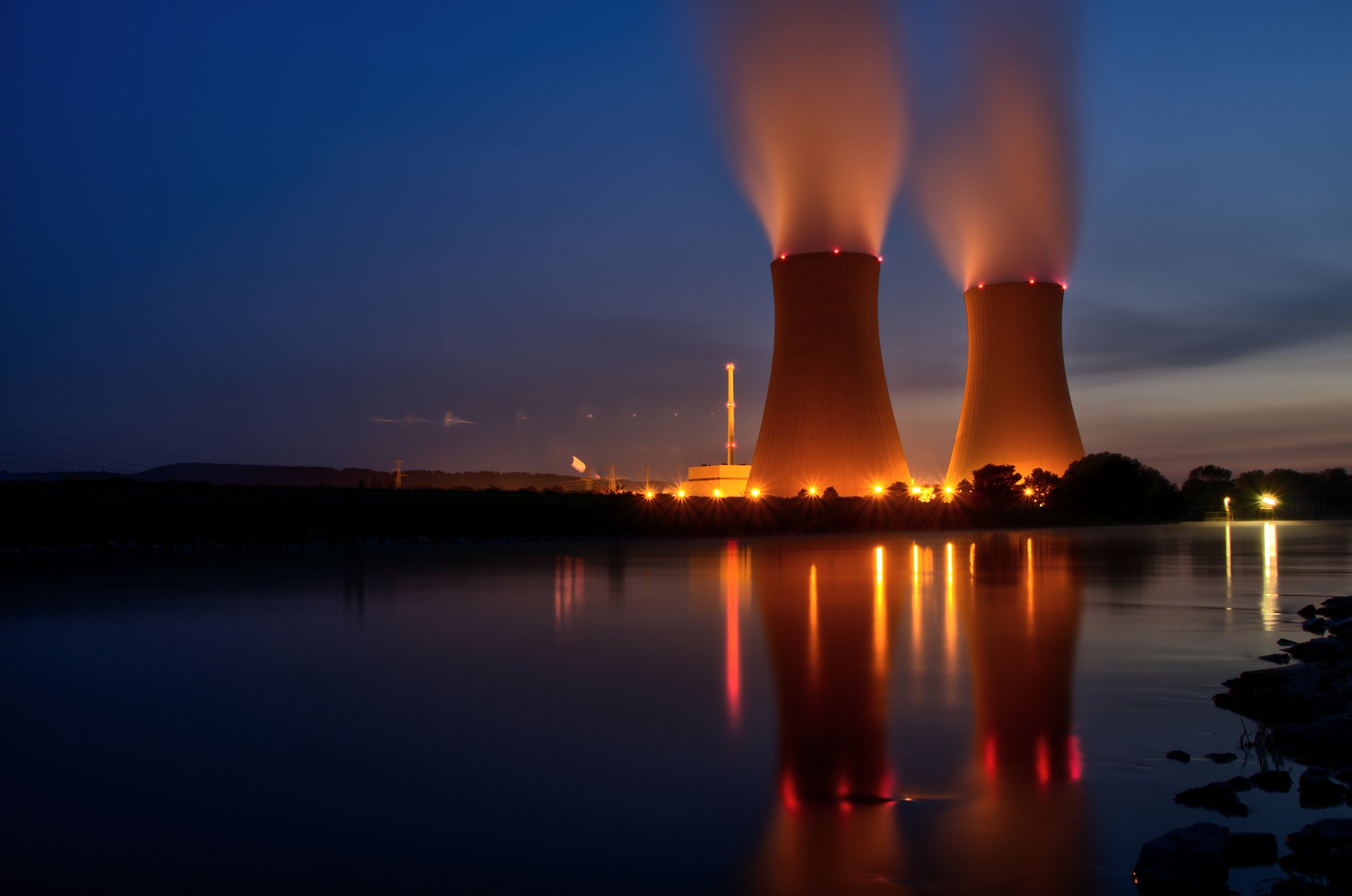
Implementing artificial intelligence may help make nuclear permitting faster, even with existing bureaucratic hurdles.
Energy
Well-intentioned laws meant to prevent environmental missteps remain the most significant barrier holding America back from meeting the energy moment.
Energy
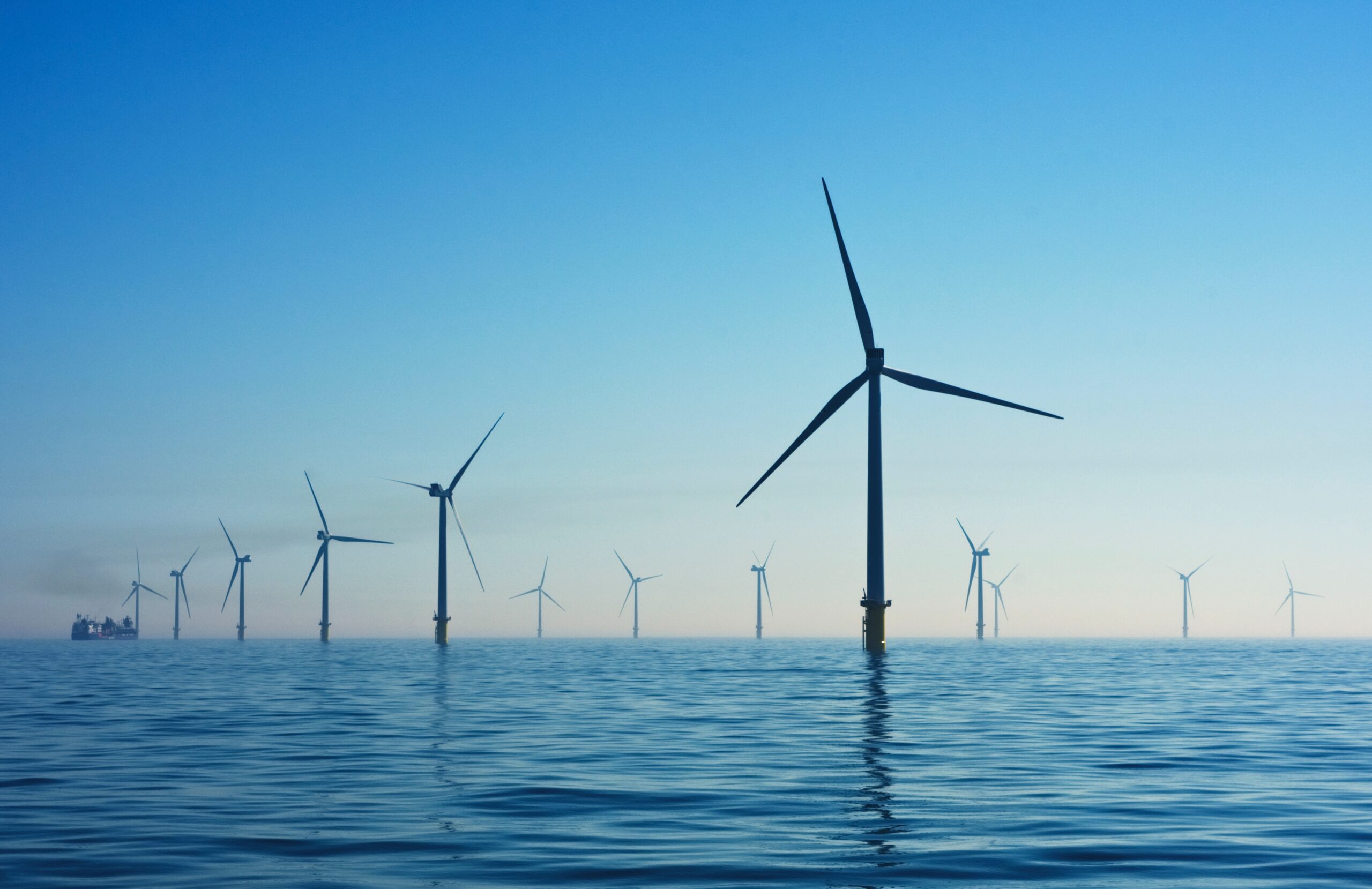
Democrats and Republicans need to lower their weapons and refrain from engaging in continued resource battles.

Transportation
Working with our allies is the best way to beat China and build a better, cleaner future.