
Environment
Here is a fact that should embarrass every climate activist: States with the most liberated energy markets in America are producing better environmental outcomes than the green mandators of Europe — and doing it without impoverishing their people in the process. Freedom, it turns out, is a remarkably effective environmental policy.
By Drew Bond5 min readJuly 21, 2026
→
Energy
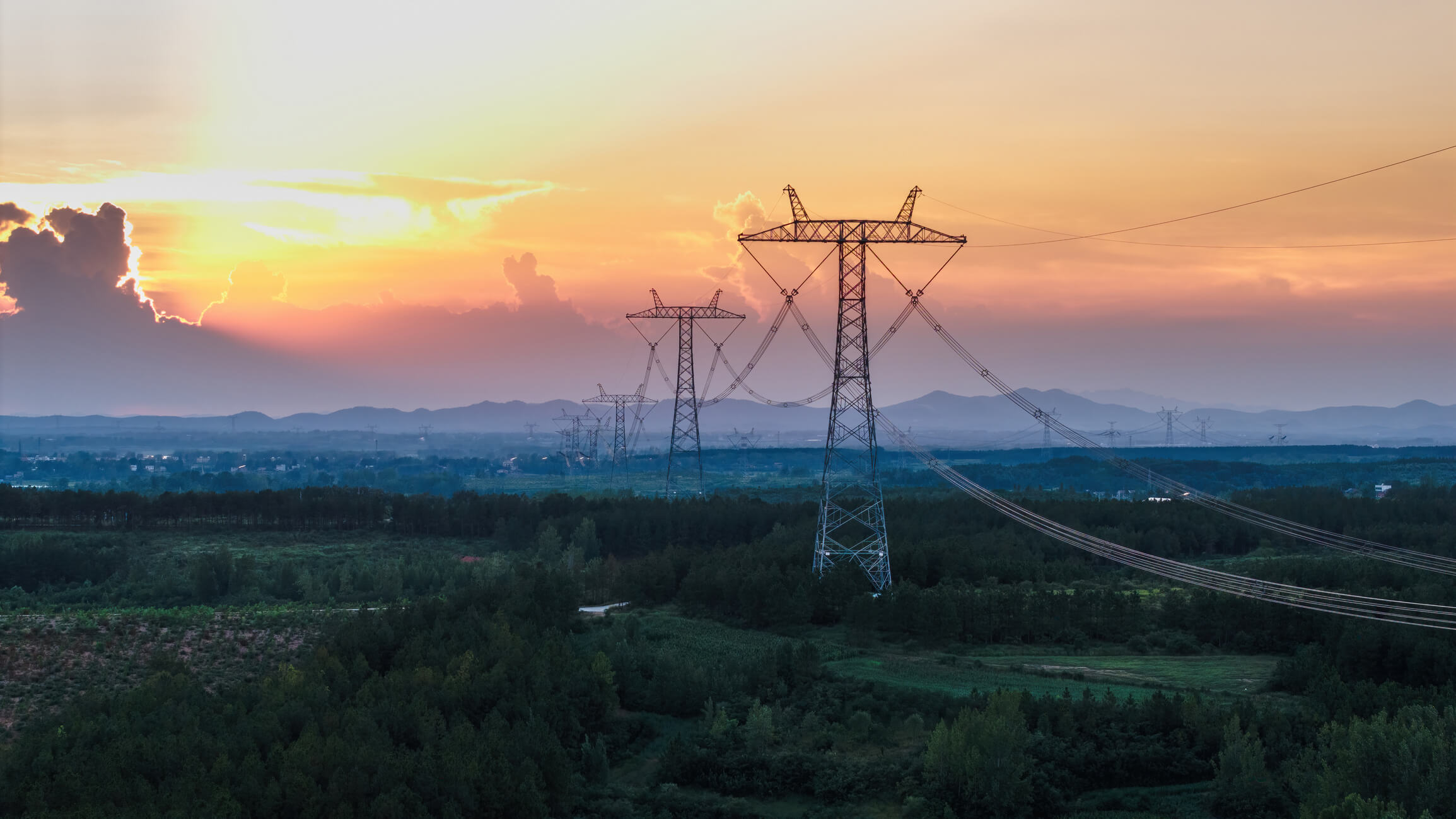
Electricity rates are rising faster than inflation and are felt by households across America. After decades of flat electricity demand, the country is experiencing significant load growth, driven by hyperscale AI data centers, resurgent domestic manufacturing, and the steady electrification of buildings and vehicles.
By Nick Loris5 min readJuly 20, 2026
→

Conservation
“The endangered species list is not a dean’s list,” Wyoming Governor Mark Gordon said this week, standing near Big Sky, MT, with Interior Secretary Doug Burgum and the governors of Montana and Idaho. “It's time this bear graduates.” After decades of federal control and an amazing tale of conservation success in America, the Interior Department has announced it will shift the daily management of the grizzly bear back to the states. Grizzly bears would, however, remain listed as threatened under the Endangered Species Act.
By Cecilia Fassett3 min readJuly 16, 2026
→
Energy
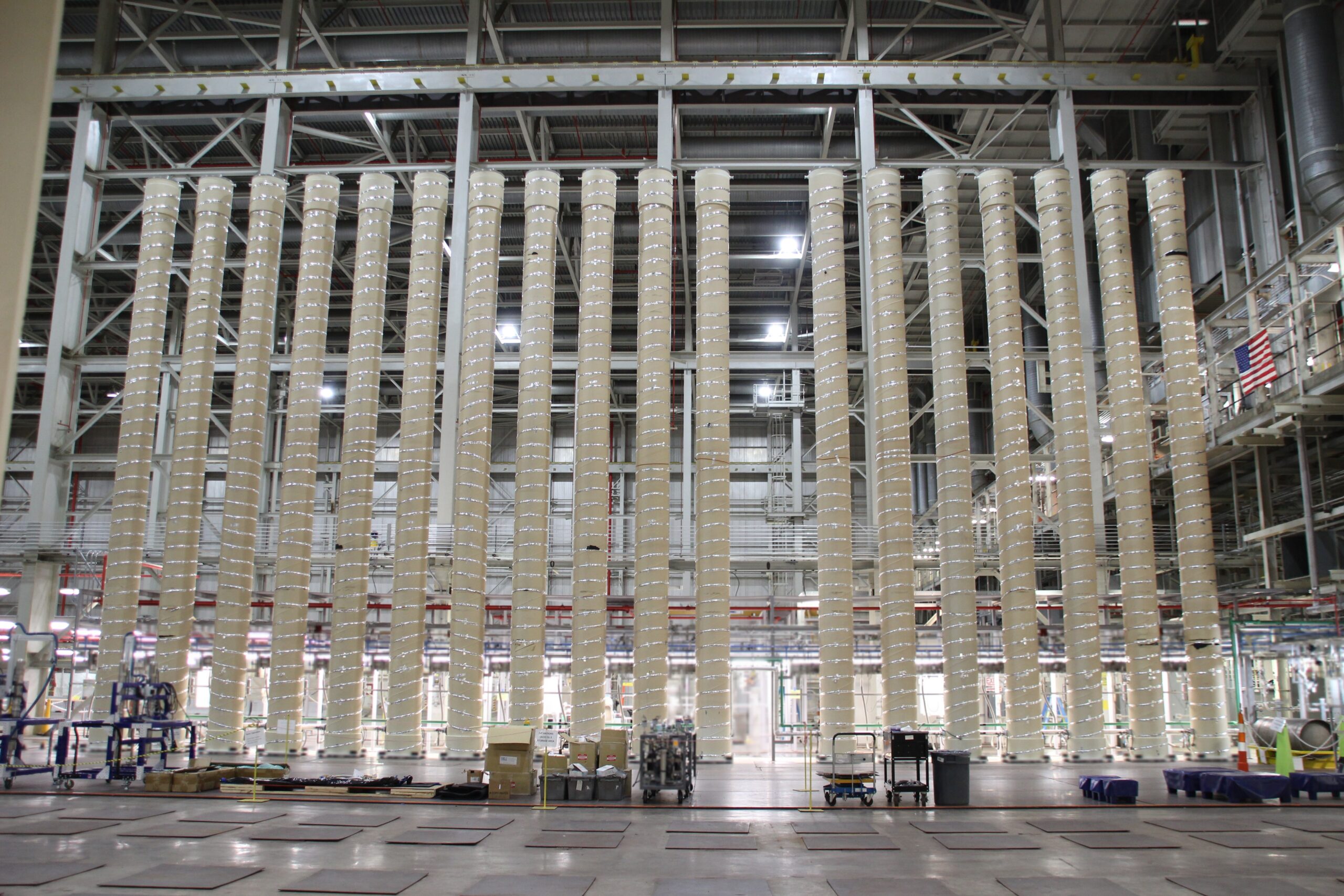
America is betting on a nuclear comeback, driven by a new generation of advanced reactors with lower capital costs and significant potential for economies of scale. Many of these reactors, however, require specialized fuel that has led the government to pour billions into a domestic supply chain. To ensure these investments pay off, federal officials should proactively eliminate artificial procurement barriers and permitting hurdles which threaten to stall nuclear fuel independence.
By Dylan Maxik4 min readJuly 15, 2026
→

Infrastructure
Heading into the August recess, policymakers continue to hash out the details of a comprehensive permitting bill in hopes of sending it to President Trump’s desk this Congress. There is bipartisan recognition that permitting reform is essential to improving energy affordability and reliability, and to meeting our environmental ambitions. As the discussions on Capitol Hill evolve, one law starting to receive more attention for reform is the National Historic Preservation Act (NHPA).
By Cecilia Fassett and Nick Loris10 min readJuly 13, 2026
→
Energy
Across state capitals and in Washington, policymakers are scrambling to address voters’ alarm over electricity bills. The Trump administration is unwinding major climate regulations, Democrats are focusing more on affordability concerns than climate change, and governors are quietly paring back clean energy subsidies and emissions mandates they championed only a few years ago. Climate policies are starting to bite, and the political strategy that helped enact them, downplaying costs and obscuring tradeoffs, is becoming harder to sustain as ratepayers see the impact on their bills.
By David Kemp4 min readJuly 8, 2026
→
Energy
Reforming the Nuclear Regulatory Commission’s [NRC] outdated radiation protection framework is essential to unlocking nuclear energy’s potential. Reconsidering the linear no-threshold (LNT) radiation standard could help streamline construction and lower costs, strengthening the President's nuclear agenda without compromising safety.
By Andrew Follett3 min readJuly 6, 2026
→
Infrastructure
Americans are exhausted by the cost of living—and energy sits at the heart of it. Recently published research by Kevin Dayaratna and Kat Miller at Advancing American Freedom (AAF) analyzing worldwide data finds that robust energy production is directly tied to higher incomes, greater productivity, longer life expectancy, and lower child mortality. The reality is stark: no country has ever achieved high living standards without substantial energy use.
By Kevin Dayaratna and Paul Teller4 min readJuly 2, 2026
→

Energy
The surge in data centers with energy needs equivalent to small cities has put a spotlight on the new transmission infrastructure required to serve these customers. But recent action from the Federal Energy Regulatory Commission (FERC), America’s top energy market regulator, takes aim at a more basic question in this rapid buildout: who pays for that new steel in the ground, and when? Right now, the rules that determine cost allocation are opaque enough that customers who never asked for those upgrades can end up footing the bill. That is the cost-shifting problem the Commission just put a target on for transmission utilities across the country.
By Dylan Maxik4 min readJune 30, 2026
→
Energy
Electricity bills are up, and data centers are getting the blame. But in the data so far, the states with the fastest-growing power use have mostly seen rates rise slower than elsewhere, not faster. Rising demand is supposed to push rates up, not down, but there are good reasons to think rising demand has held electric rates down in some areas. The question worth asking is whether we can count on that to last.
By Michael Giberson4 min readJune 22, 2026
→


