Energy
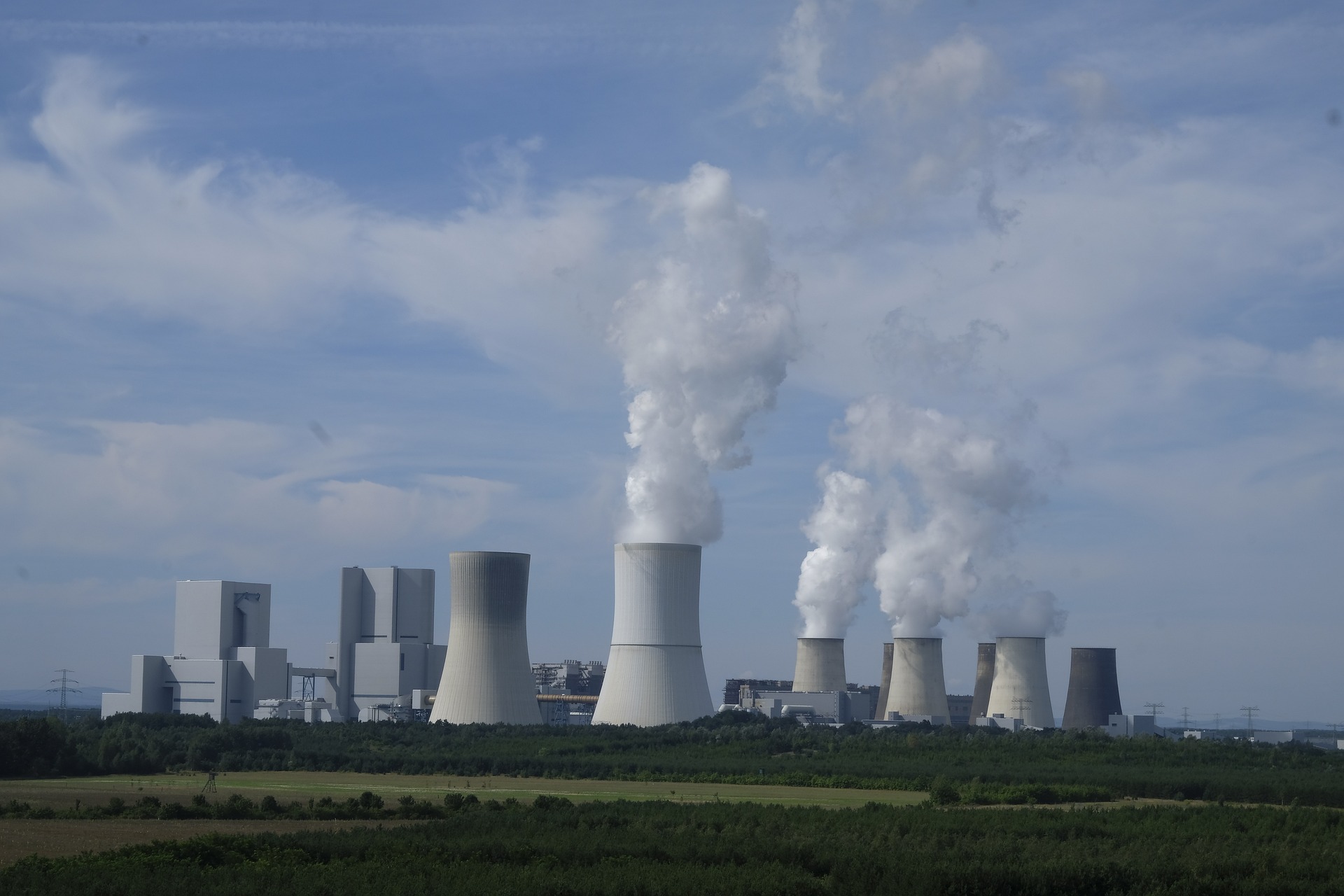
Reforming the Nuclear Regulatory Commission’s [NRC] outdated radiation protection framework is essential to unlocking nuclear energy’s potential. Reconsidering the linear no-threshold (LNT) radiation standard could help streamline construction and lower costs, strengthening the President's nuclear agenda without compromising safety.
By Andrew Follett3 min readJuly 6, 2026
→

Infrastructure
Americans are exhausted by the cost of living—and energy sits at the heart of it. Recently published research by Kevin Dayaratna and Kat Miller at Advancing American Freedom (AAF) analyzing worldwide data finds that robust energy production is directly tied to higher incomes, greater productivity, longer life expectancy, and lower child mortality. The reality is stark: no country has ever achieved high living standards without substantial energy use.
By Kevin Dayaratna and Paul Teller4 min readJuly 2, 2026
→
Energy
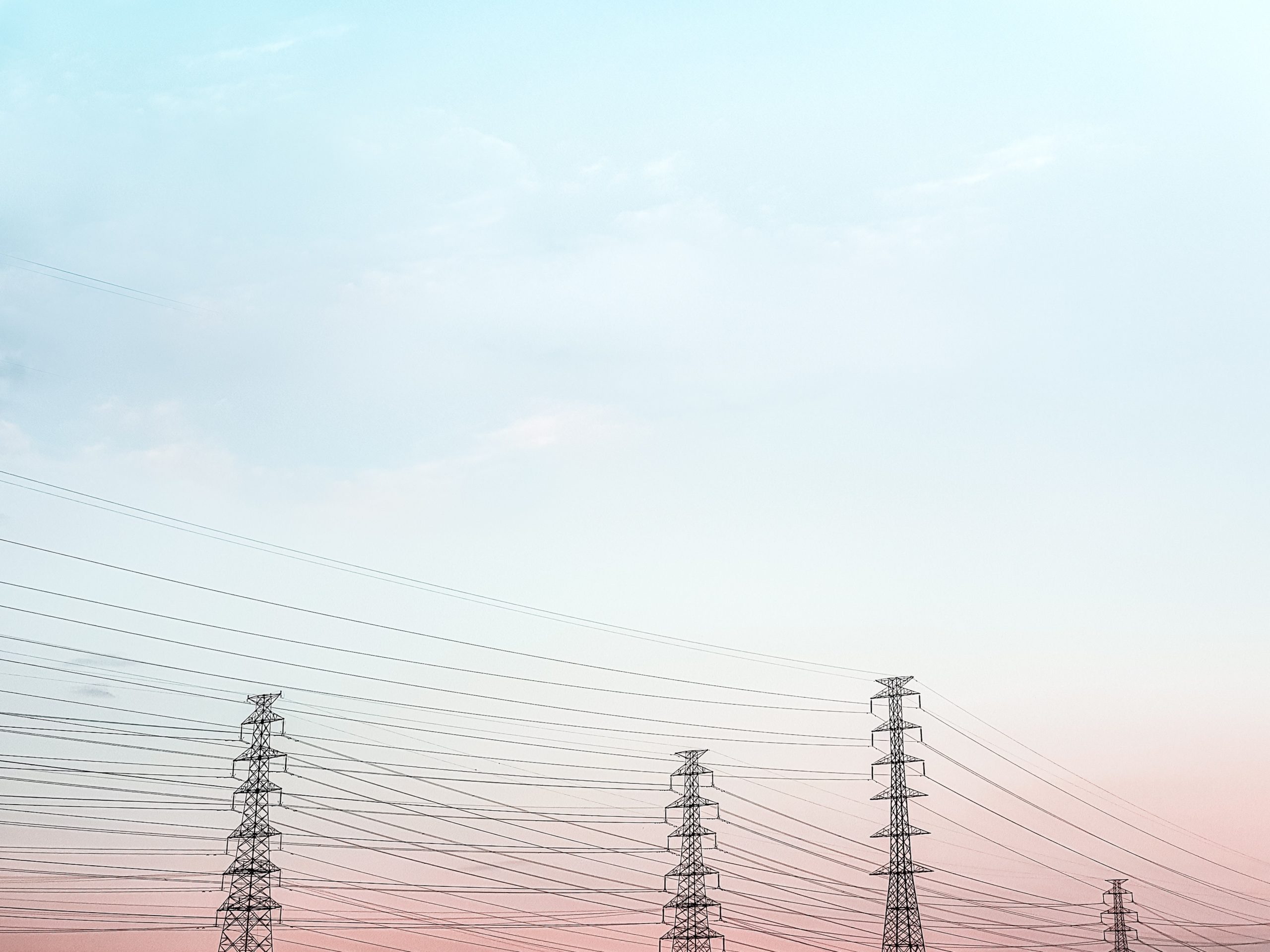
The surge in data centers with energy needs equivalent to small cities has put a spotlight on the new transmission infrastructure required to serve these customers. But recent action from the Federal Energy Regulatory Commission (FERC), America’s top energy market regulator, takes aim at a more basic question in this rapid buildout: who pays for that new steel in the ground, and when? Right now, the rules that determine cost allocation are opaque enough that customers who never asked for those upgrades can end up footing the bill. That is the cost-shifting problem the Commission just put a target on for transmission utilities across the country.
By Dylan Maxik4 min readJune 30, 2026
→
Energy
Electricity bills are up, and data centers are getting the blame. But in the data so far, the states with the fastest-growing power use have mostly seen rates rise slower than elsewhere, not faster. Rising demand is supposed to push rates up, not down, but there are good reasons to think rising demand has held electric rates down in some areas. The question worth asking is whether we can count on that to last.
By Michael Giberson4 min readJune 22, 2026
→
Energy
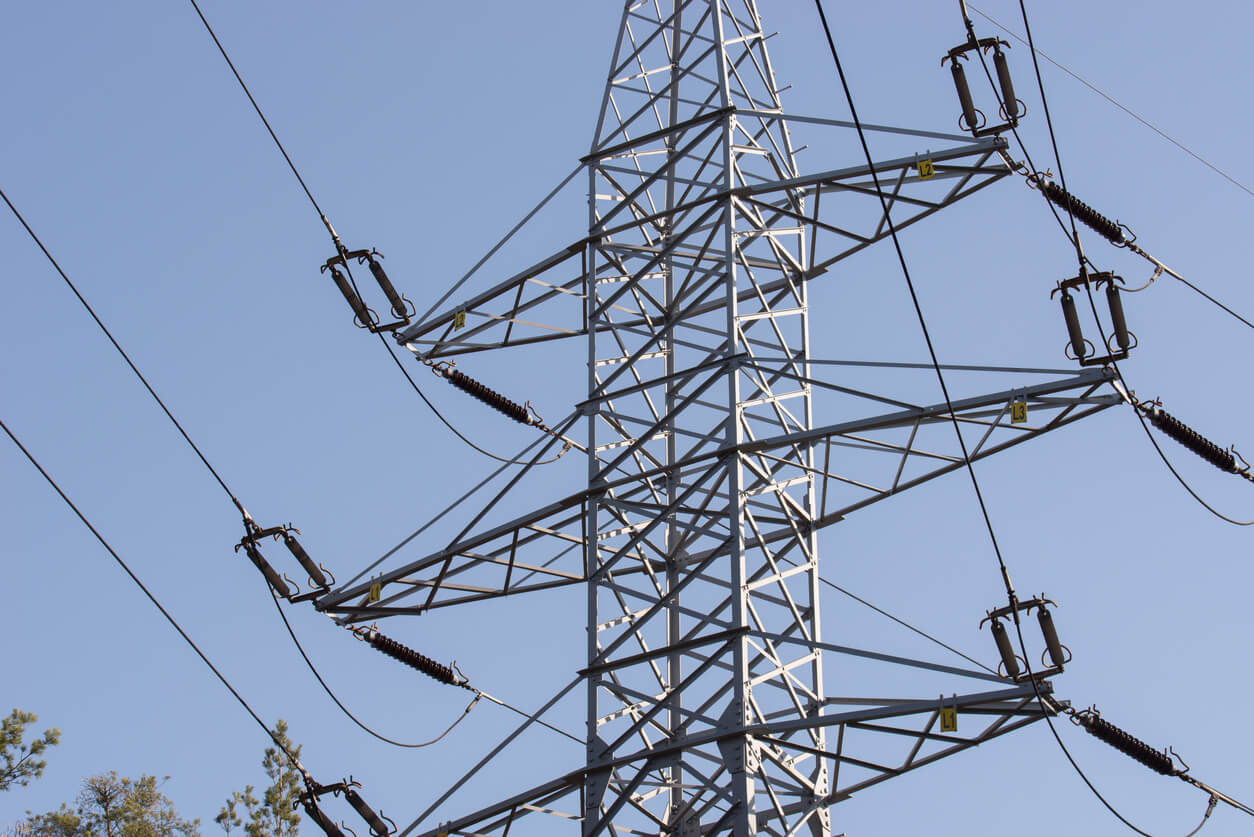
The surge in AI and data centers risks driving up electricity demand faster than we can deploy the power lines needed to carry it. The high-voltage transmission that this expansion, and economic growth more broadly, relies on is slow and expensive to develop, and stuck in an outdated regulatory system that often hands the work to local utilities without competition. New analysis from the R Street Institute shows what this costs us, finding that, when transmission projects are open to competitive bidding, they get built cheaper and faster.
By Dylan Maxik4 min readJune 15, 2026
→
Energy
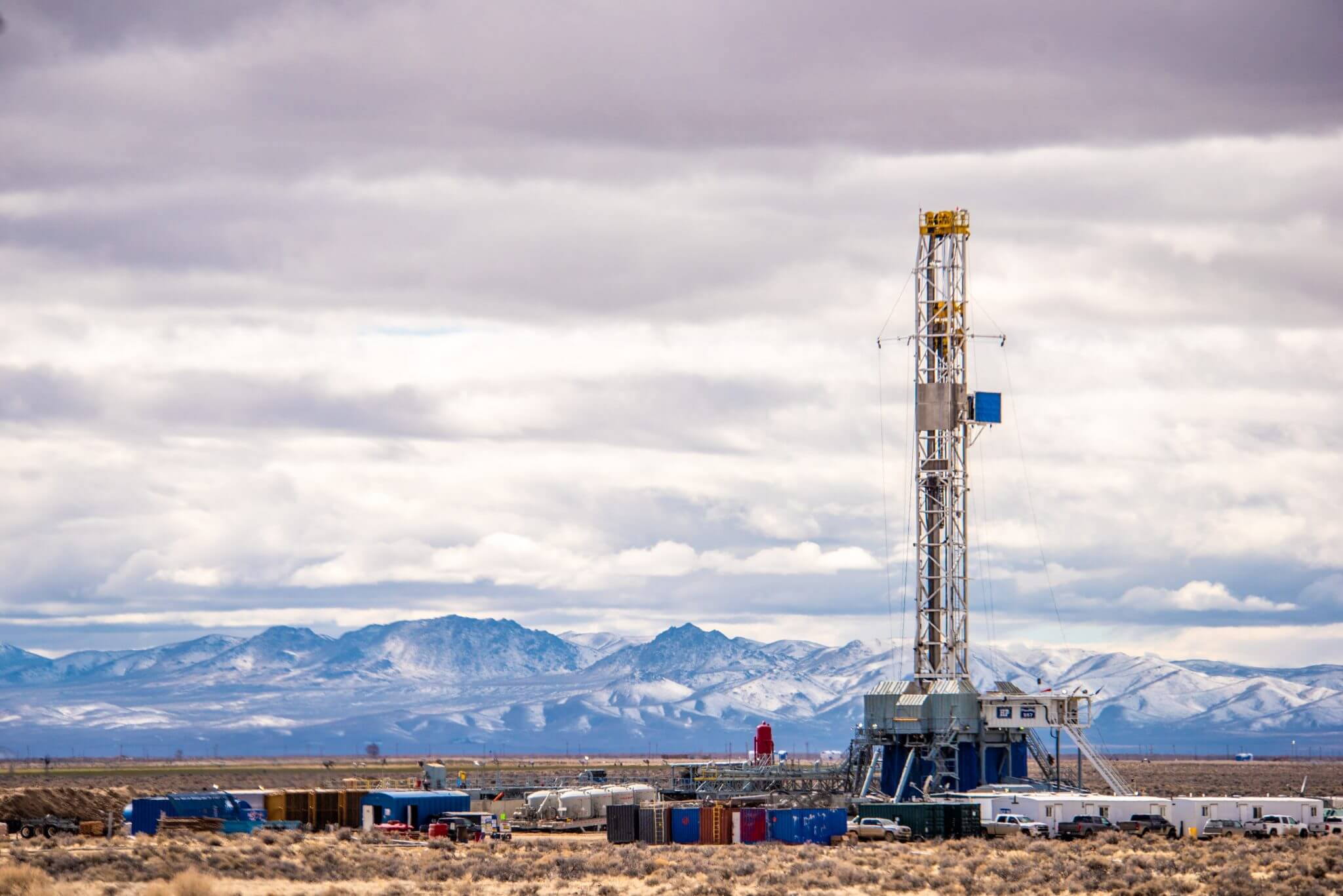
Two bills recently passed by the U.S. House—H.R.5631, the Geothermal Energy Advancement Act, and H.R.1687, the CLEAN Act—take direct aim at this regulatory dysfunction. Together, they represent a consequential step toward realizing the full extent of the geothermal opportunity as the legislation now moves to the Senate for consideration.
By Dylan Maxik3 min readJune 4, 2026
→

Energy
Since 1998, the federal government has paid nuclear reactor owners more than$10.6 billion in court-ordered damages over a broken contract of its own making. The tab grows by roughly $2 million a day, and total federal exposure may eventually reach $39.2 billion. The cause isn’t a safety failure or a market collapse but rather political failures.
By Prasanna Pydipalli4 min readJune 4, 2026
→
Energy
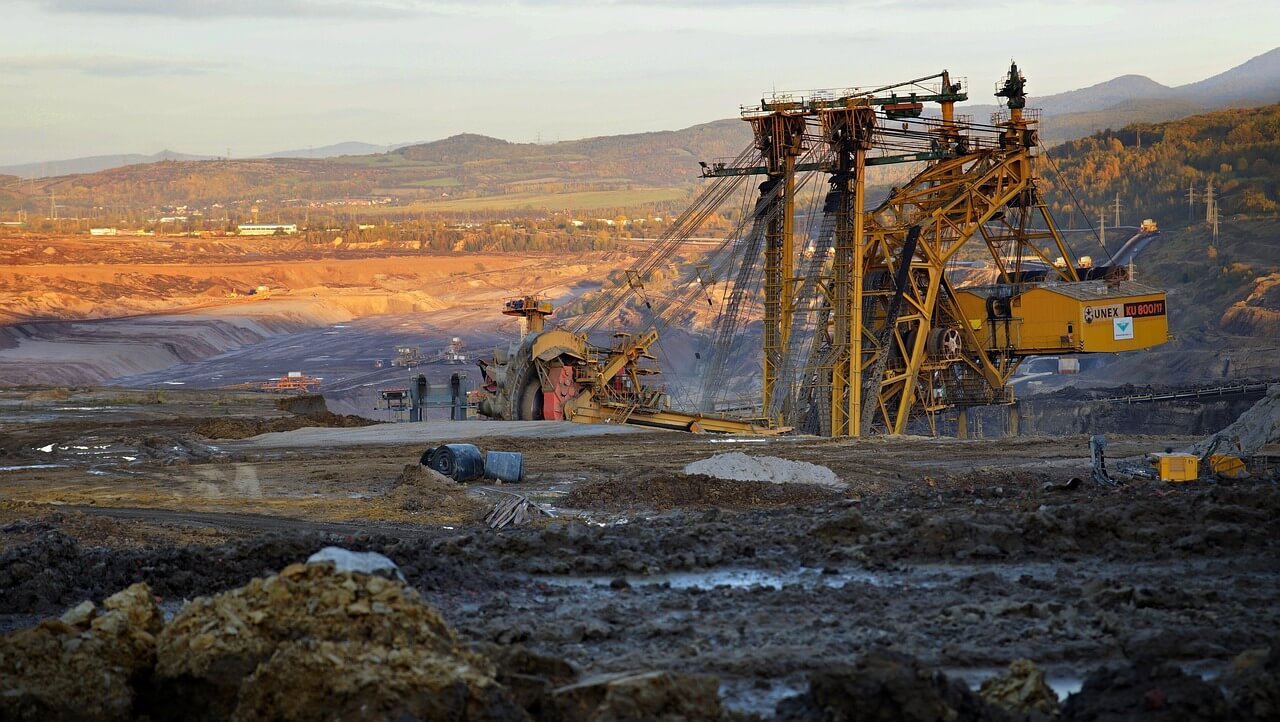
Last week, the Quadrilateral Security Dialogue, known as the Quad and consisting of the United States, India, Japan, and Australia, met in New Delhi and hammered out, among other things, a Quad Critical Minerals Initiative Framework.
By David Kemp4 min readJune 1, 2026
→
Energy
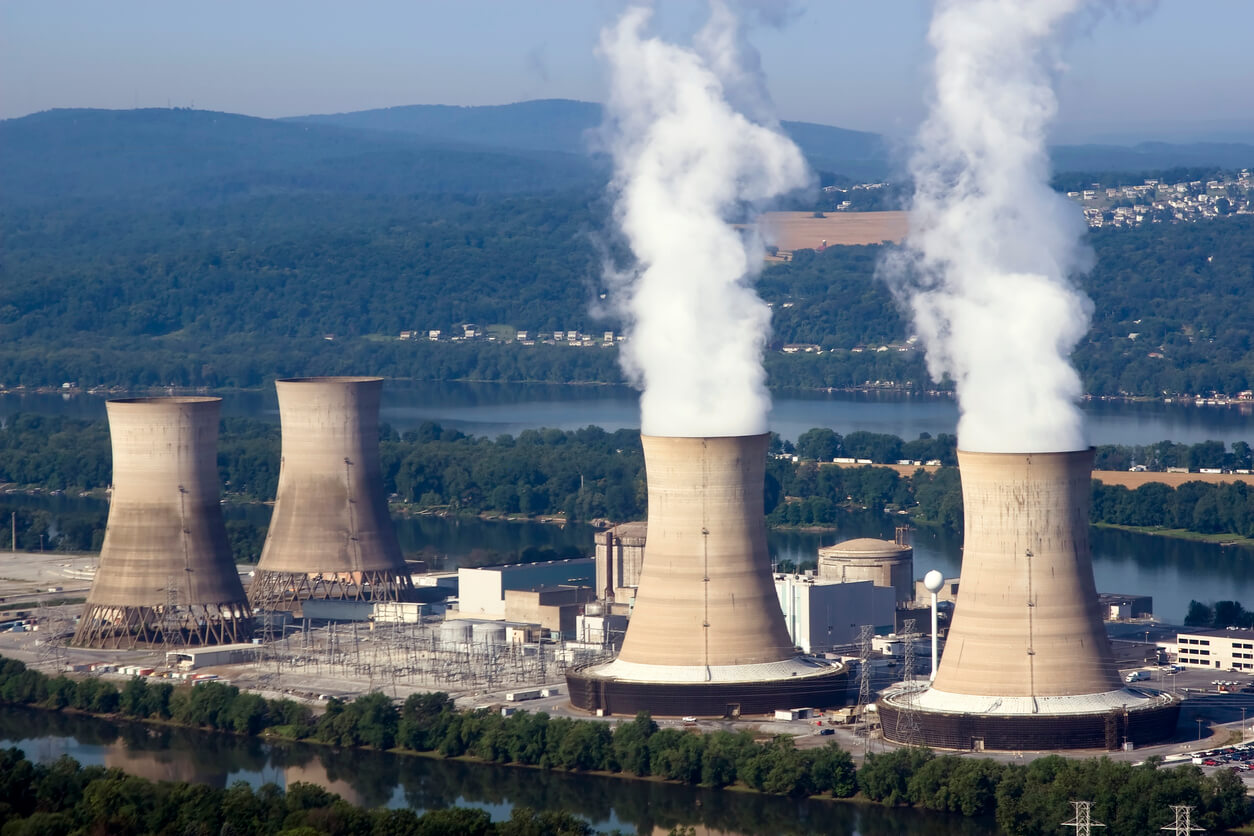
Nuclear energy is safe, clean, reliable, and scalable. It can power the artificial intelligence (AI) revolution, revitalize industrial communities, and help meet our environmental ambitions. So why does building a nuclear plant in the United States cost so much?
By Nick Loris5 min readMay 28, 2026
→
Energy
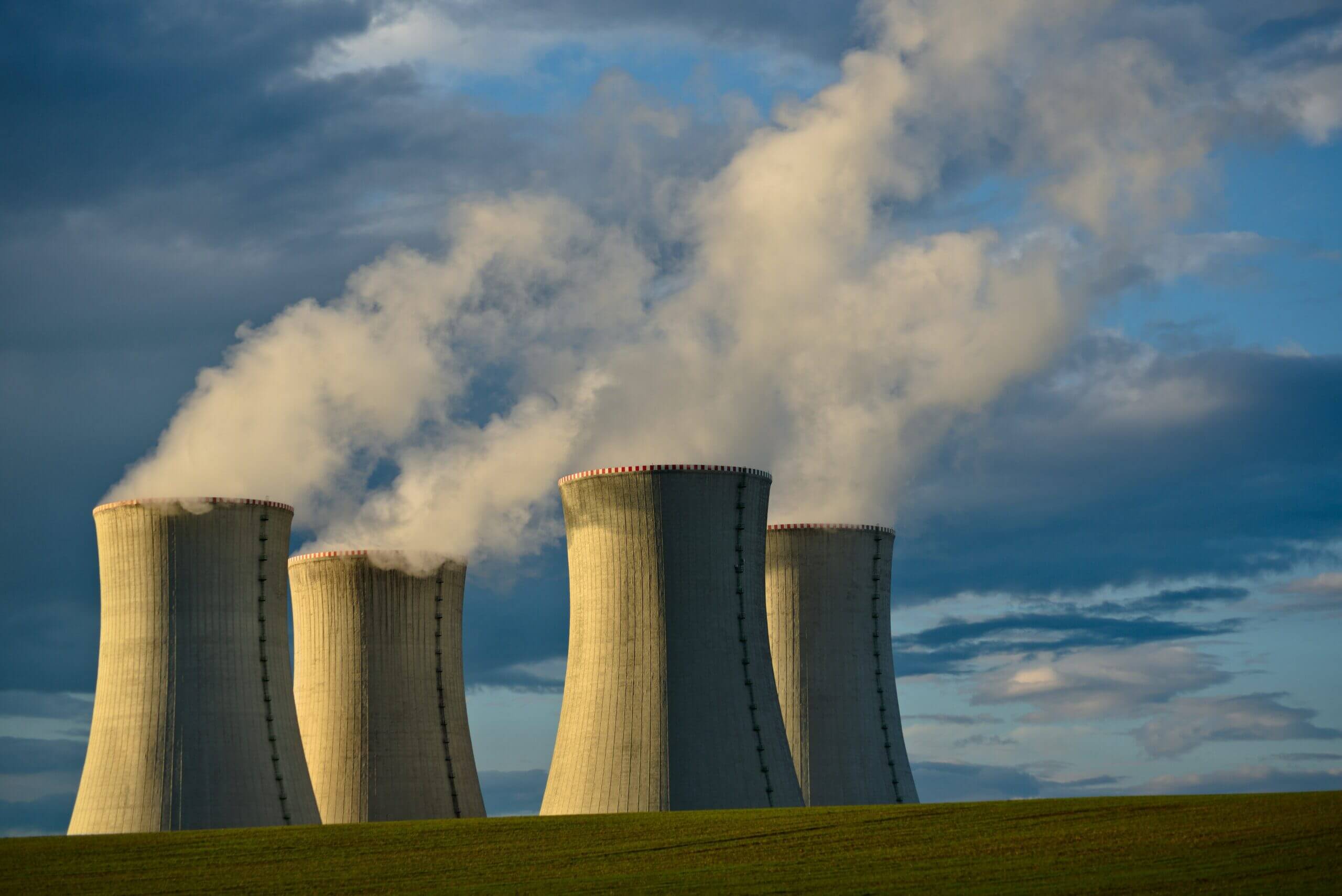
After two decades of flat demand, power consumption is surging. Grid Strategies forecasts 5.7 percent annual growth over the next five years, and the peak demand could be equivalent to 15 times New York City’s peak energy consumption.
Meanwhile, electricity prices are rising faster than inflation, and families and businesses across the country are feeling the effects.
It’s clear we need more supply, and nuclear power can be part of the solution. It’s safe, clean, dependable, and scalable. The key question for policymakers and ratepayers alike is: Is it cost-competitive?
By Nick Loris4 min readMay 21, 2026
→
