
Energy
To unlock affordable grid capacity, policymakers should require utilities to consider the best-available line technologies by default, while utilities themselves modernize planning to reinforce their affordability commitment to customers.
By Dylan Maxik4 min readAugust 20, 2026
→

Energy
Rather than causing disparate groups to come together to recognize the importance of all forms of energy, oil prices have resulted in some pushing harder for oil and gas and others pressing harder for solar, wind and batteries. This is a false dichotomy. Both are needed.
By Scott Tinker4 min readAugust 20, 2026
→

Energy
Governments shouldn’t determine which forms of energy are “good” or “bad,” using subsidies and mandates to boost the good while imposing restrictions to hobble the bad. Instead, decisions about the fuel mix should be left to the market as much as possible.
By Josiah Neeley3 min readAugust 18, 2026
→

Energy
The Department of Energy’s recent National Transmission Needs Study identifies several of these cases, where regions’ electricity costs would decline substantially if they were connected by a high-capacity transmission line. Providing these benefits to consumers, however, requires confronting not just the incentives that discourage utilities from building interregional lines, but the state laws that let incumbent monopolies control who builds them.
By Dylan Maxik4 min readAugust 11, 2026
→

Energy
Lawmakers in both parties are scrambling to address the issues revealed by data centers. President Donald Trump, his administration officials, and several governors (including Pennsylvania Gov. Josh Shapiro) signed on to a statement of principles that encourage data centers to bring their own power or pay for the power they need.
By Joshua Schubert and Travis Fisher4 min readAugust 5, 2026
→
Energy
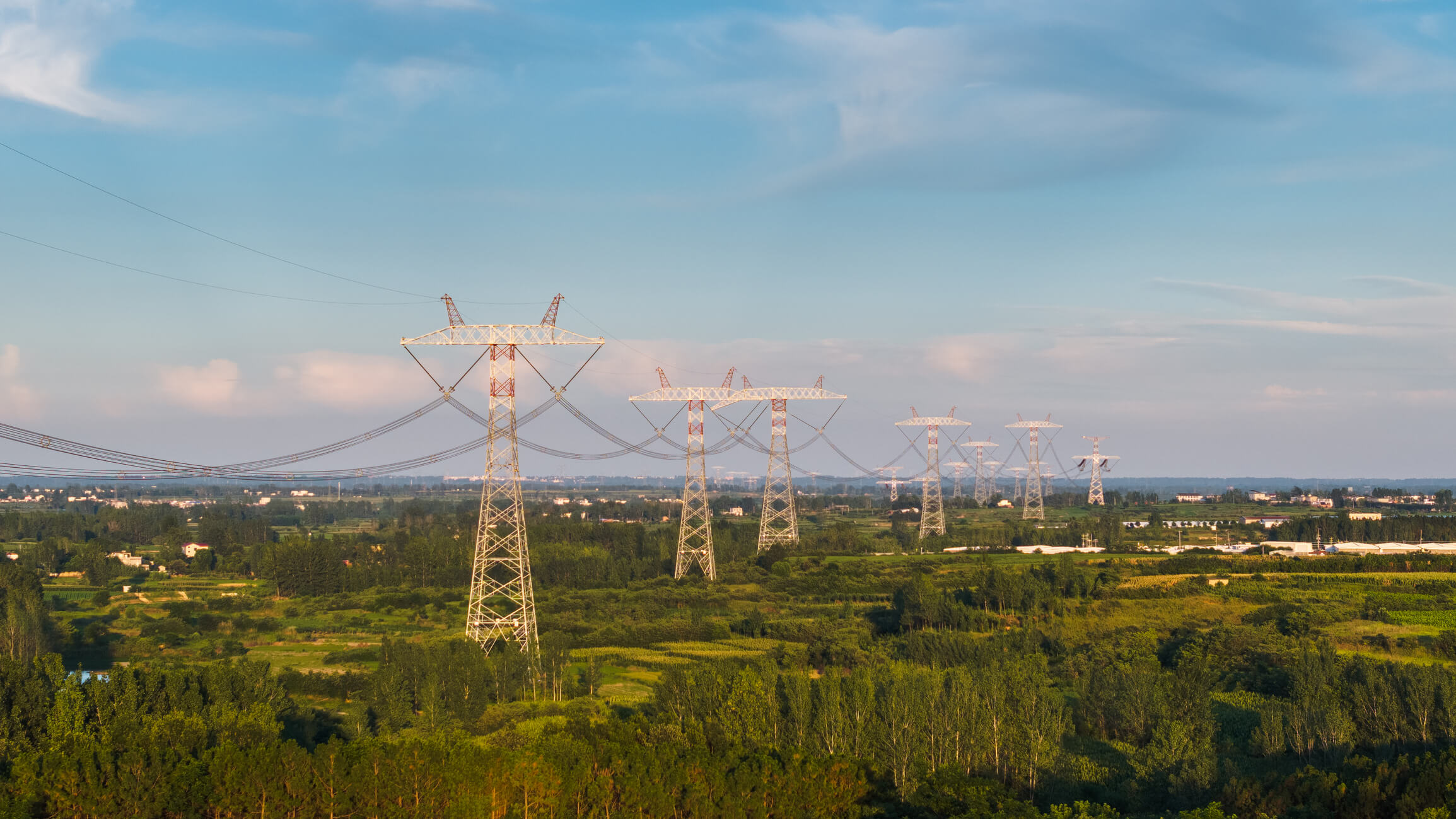
Building more is no substitute for building smarter. At times, this has been a challenge for America's energy infrastructure, particularly transmission. It is evident that the U.S. needs more transmission, but which transmission lines it builds matters for protecting ratepayers and keeping costs in check. An overwhelming number of House Members just reaffirmed this guiding principle for how America should approach the development of electric transmission.
By Dylan Maxik4 min readJuly 30, 2026
→
Energy
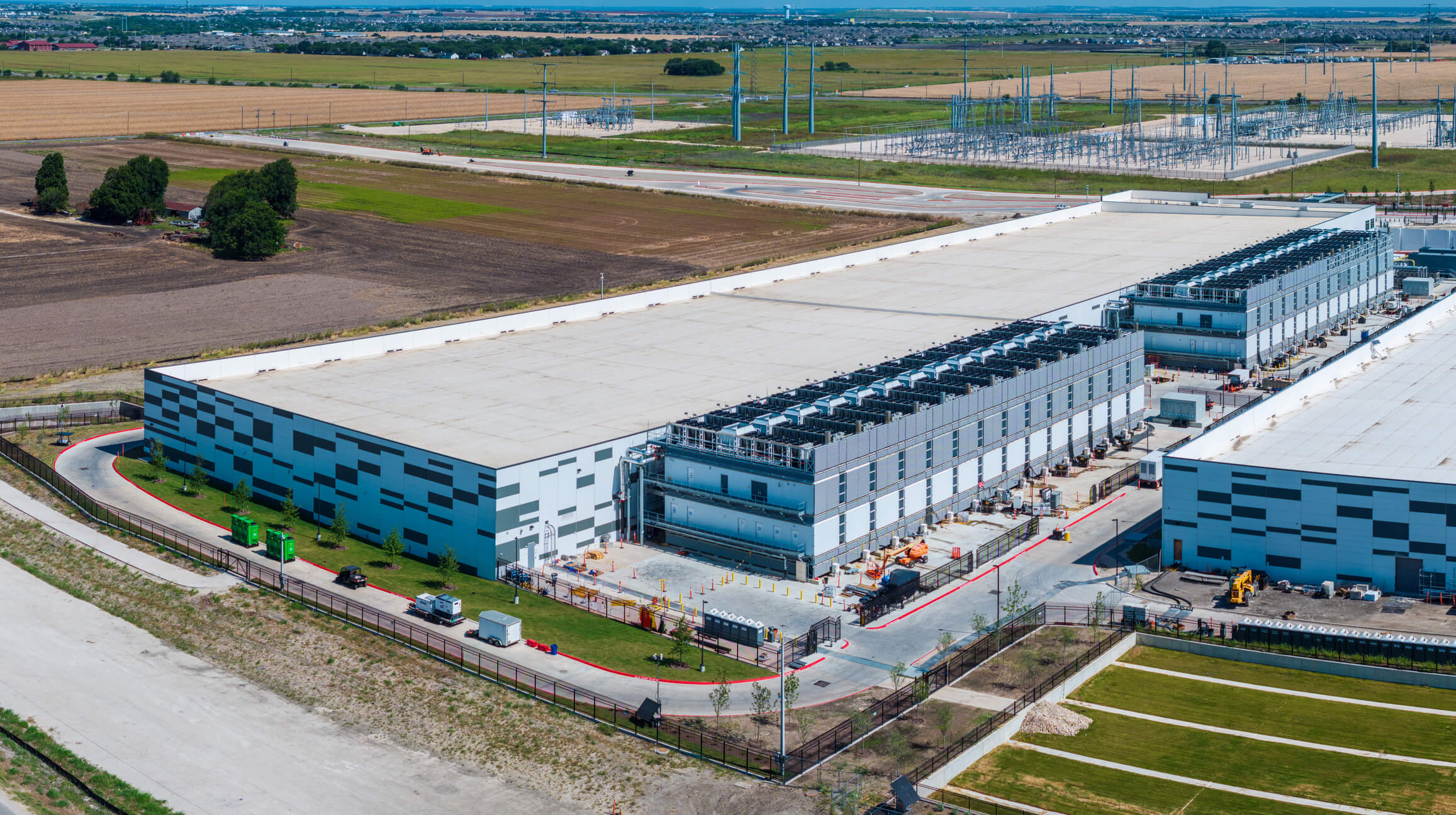
As Americans crank up their air conditioning bills in the summer months, the importance of affordable, dependable power is critical but often taken for granted. Especially today, families are more acutely aware of how much they’re paying as electricity rates have risen at a pace more than double the rate of inflation over the past year.
By Nick Loris4 min readJuly 29, 2026
→
Energy
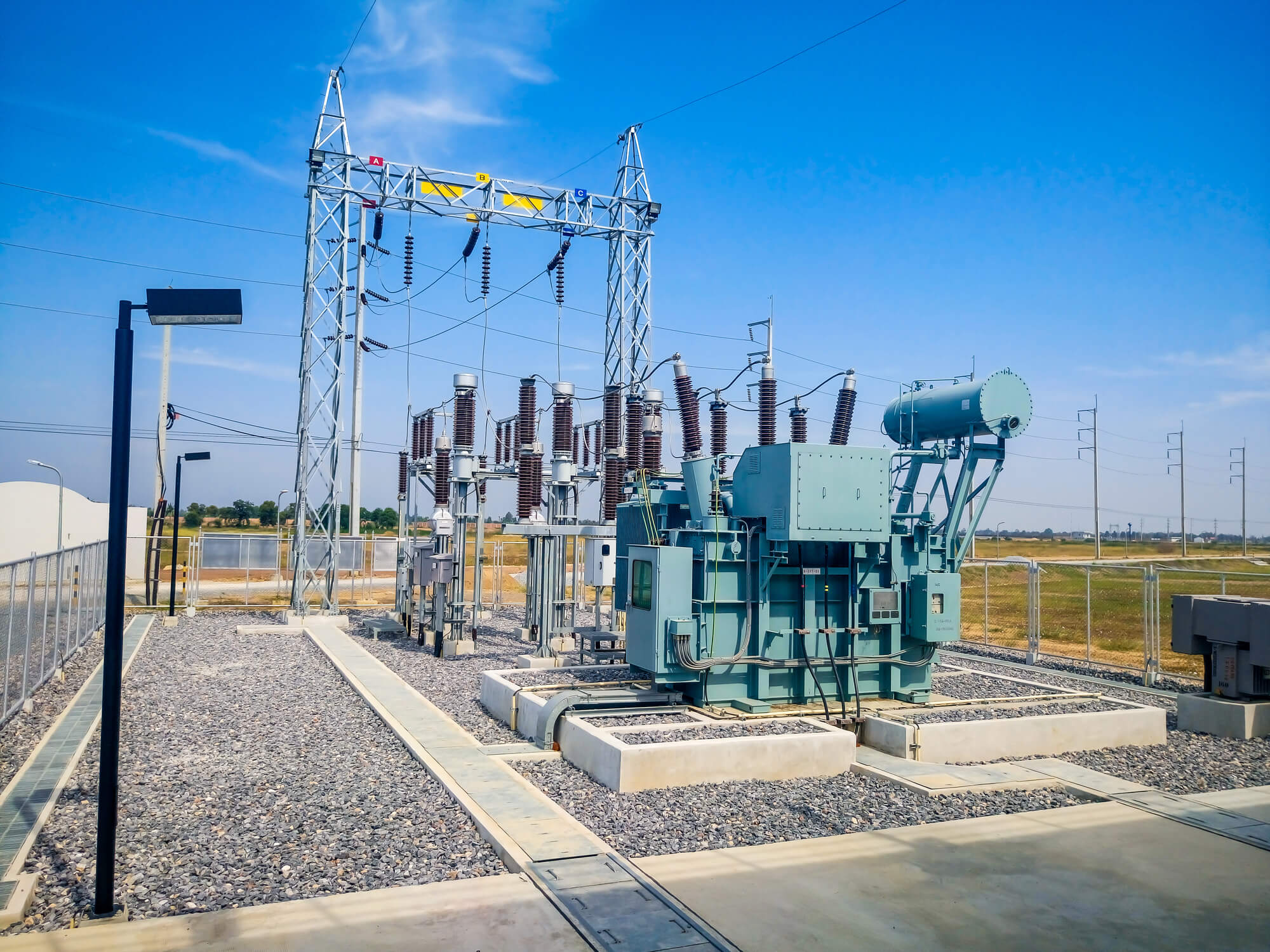
Many American power plants are stuck in a dysfunctional express lane. Energy Resource Interconnection Service, or ERIS was created to give generating facilities a faster, leaner way to connect to the grid without waiting in the main queue. Instead, in many markets, ERIS today places fast-trackers on the same slow schedule as projects in the main line. When new, highly competitive generation cannot be connected to the grid in a timely way, a key affordability and efficiency opportunity is left on the table.
By Dylan Maxik4 min readJuly 23, 2026
→
Energy
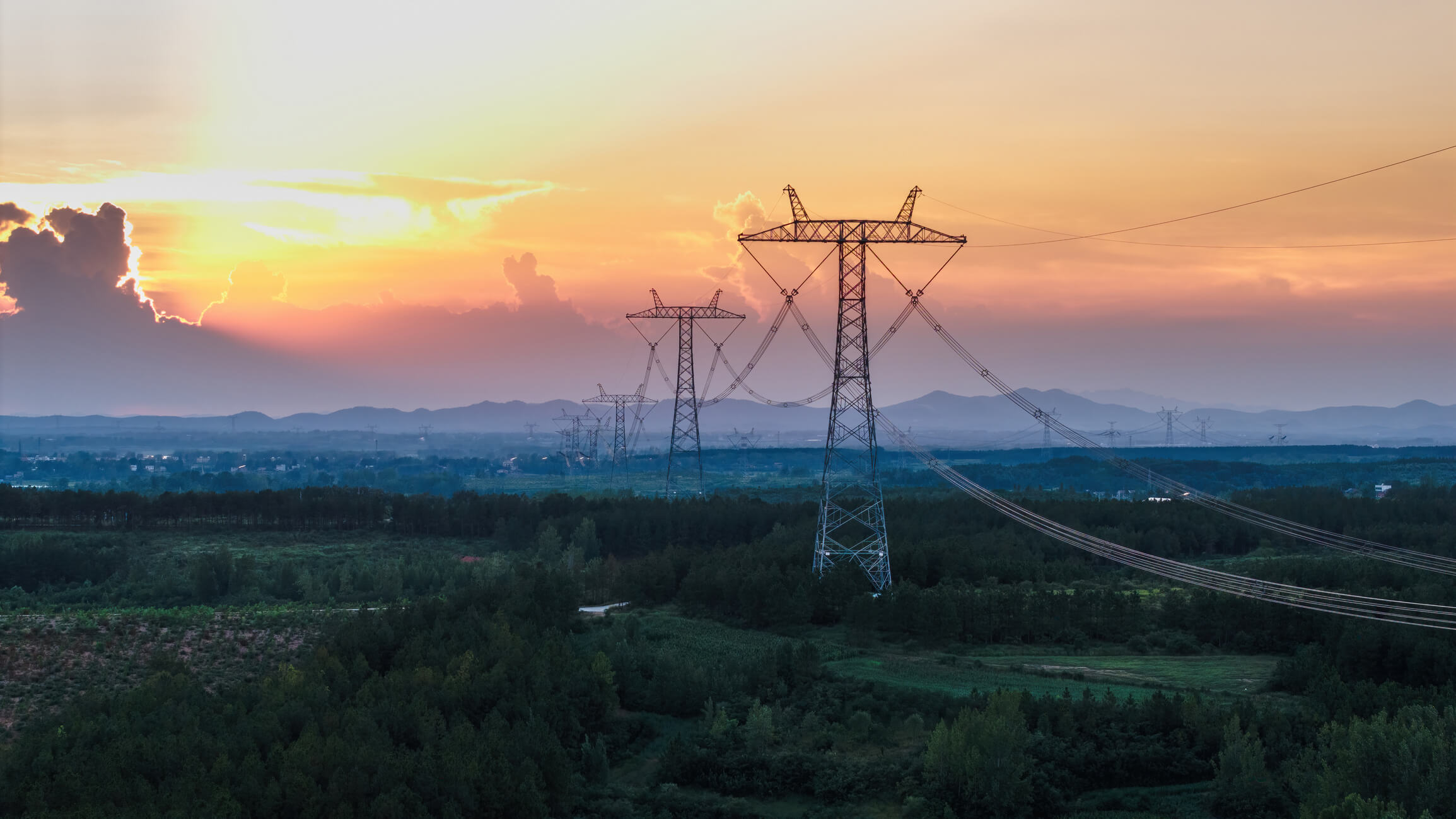
Electricity rates are rising faster than inflation and are felt by households across America. After decades of flat electricity demand, the country is experiencing significant load growth, driven by hyperscale AI data centers, resurgent domestic manufacturing, and the steady electrification of buildings and vehicles.
By Nick Loris5 min readJuly 20, 2026
→

Energy
Across state capitals and in Washington, policymakers are scrambling to address voters’ alarm over electricity bills. The Trump administration is unwinding major climate regulations, Democrats are focusing more on affordability concerns than climate change, and governors are quietly paring back clean energy subsidies and emissions mandates they championed only a few years ago. Climate policies are starting to bite, and the political strategy that helped enact them, downplaying costs and obscuring tradeoffs, is becoming harder to sustain as ratepayers see the impact on their bills.
By David Kemp4 min readJuly 8, 2026
→


