Energy
The surge in data centers with energy needs equivalent to small cities has put a spotlight on the new transmission infrastructure required to serve these customers. But recent action from the Federal Energy Regulatory Commission (FERC), America’s top energy market regulator, takes aim at a more basic question in this rapid buildout: who pays for that new steel in the ground, and when? Right now, the rules that determine cost allocation are opaque enough that customers who never asked for those upgrades can end up footing the bill. That is the cost-shifting problem the Commission just put a target on for transmission utilities across the country.
By Dylan Maxik4 min readJune 30, 2026
→
Energy
Electricity bills are up, and data centers are getting the blame. But in the data so far, the states with the fastest-growing power use have mostly seen rates rise slower than elsewhere, not faster. Rising demand is supposed to push rates up, not down, but there are good reasons to think rising demand has held electric rates down in some areas. The question worth asking is whether we can count on that to last.
By Michael Giberson4 min readJune 22, 2026
→
Energy
The surge in AI and data centers risks driving up electricity demand faster than we can deploy the power lines needed to carry it. The high-voltage transmission that this expansion, and economic growth more broadly, relies on is slow and expensive to develop, and stuck in an outdated regulatory system that often hands the work to local utilities without competition. New analysis from the R Street Institute shows what this costs us, finding that, when transmission projects are open to competitive bidding, they get built cheaper and faster.
By Dylan Maxik4 min readJune 15, 2026
→
Energy
With the AI and data boom underway, electricity has become the top economic infrastructure for growth. Electricity has long been foundational to our society, powering our homes and businesses, but now, it is the primary infrastructure on which the digital economy, advanced manufacturing and an American industrial resurgence depend.
By Patrick Sullivan4 min readJune 8, 2026
→
Energy
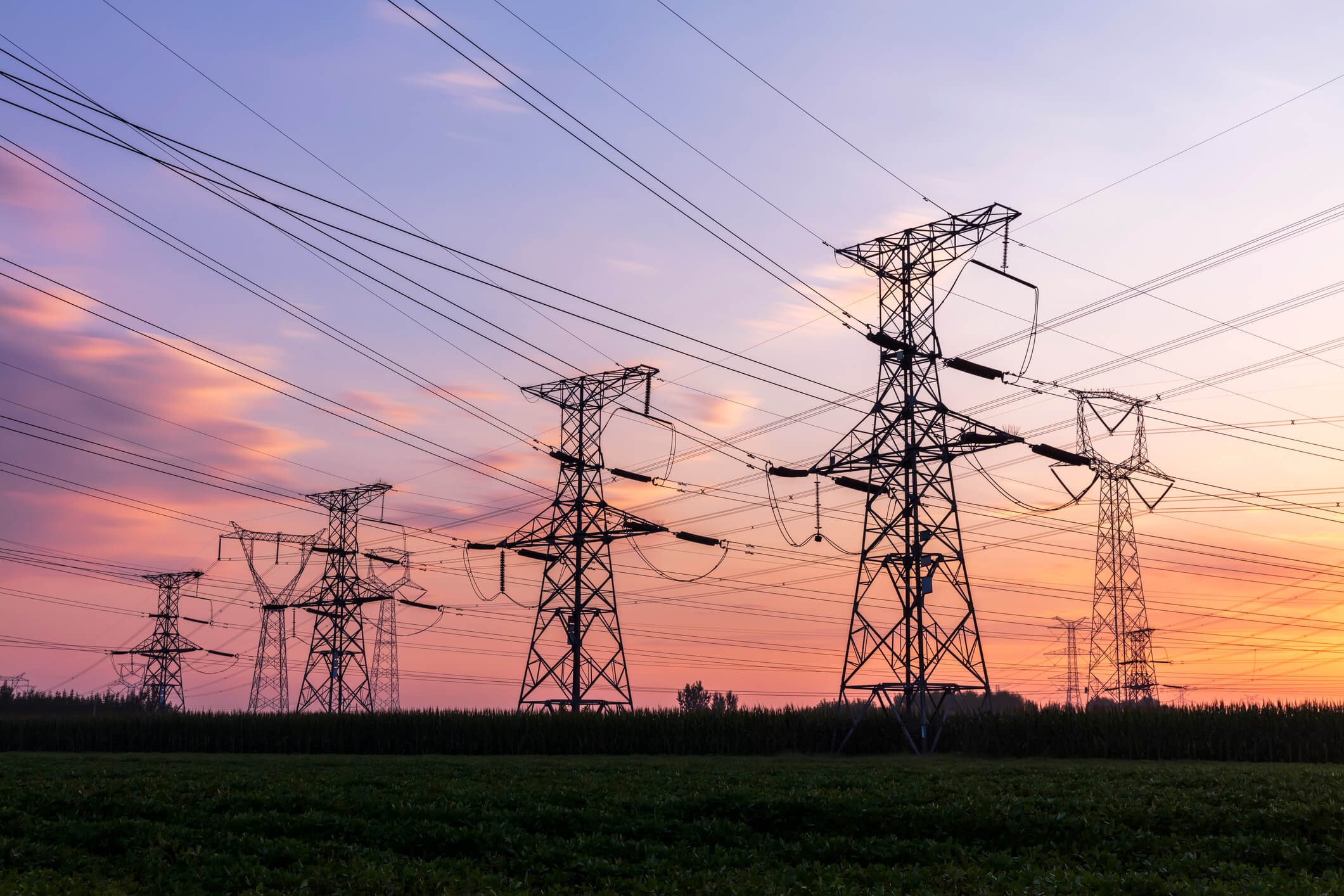
America’s electric grid is facing a structural breaking point. Trillions of dollars of artificial intelligence infrastructure, data centers, and industrial reshoring demand power today, but traditional high-voltage transmission upgrades take five to seven years to deliver firm capacity. Under the status quo, large energy consumers are forced to wait in line, threatening stymied global leadership and lost economic growth.
By Arushi Sharma Frank7 min readJune 2, 2026
→
Energy
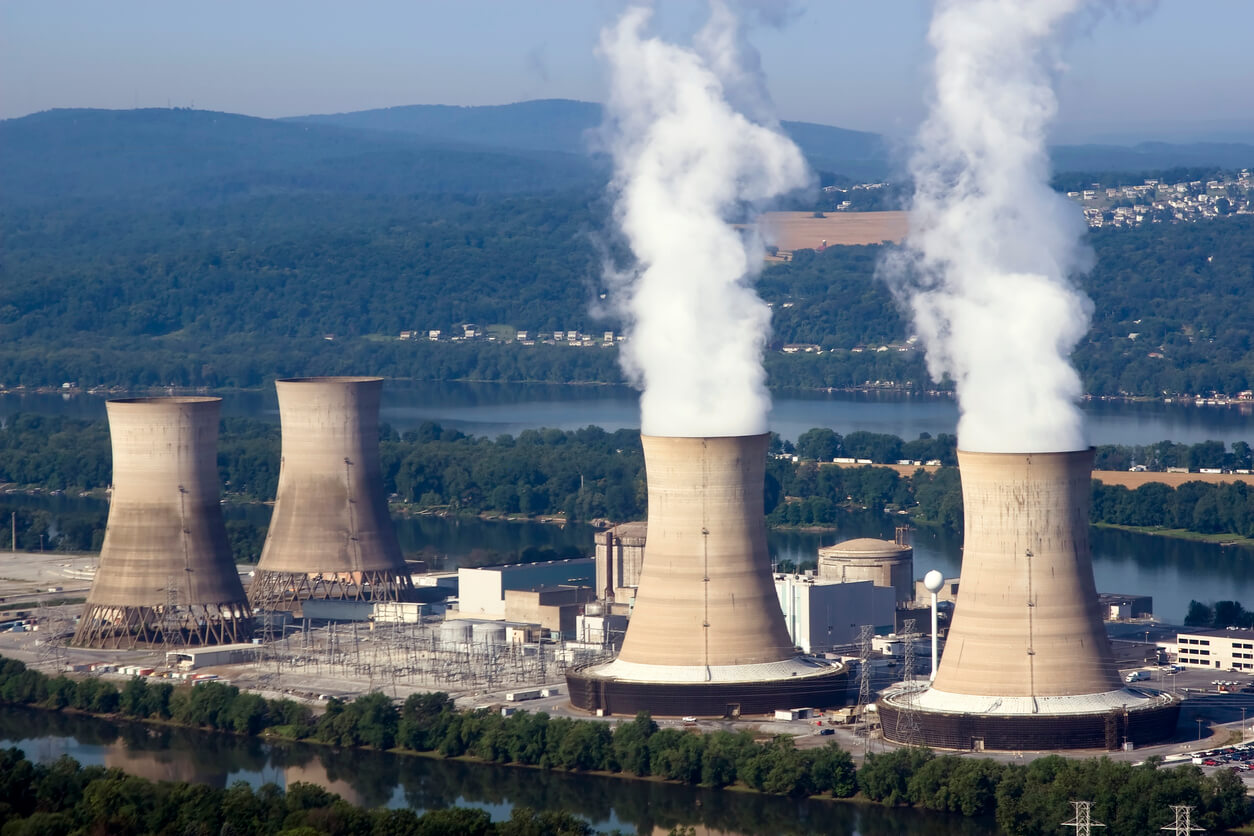
Nuclear energy is safe, clean, reliable, and scalable. It can power the artificial intelligence (AI) revolution, revitalize industrial communities, and help meet our environmental ambitions. So why does building a nuclear plant in the United States cost so much?
By Nick Loris5 min readMay 28, 2026
→
Energy
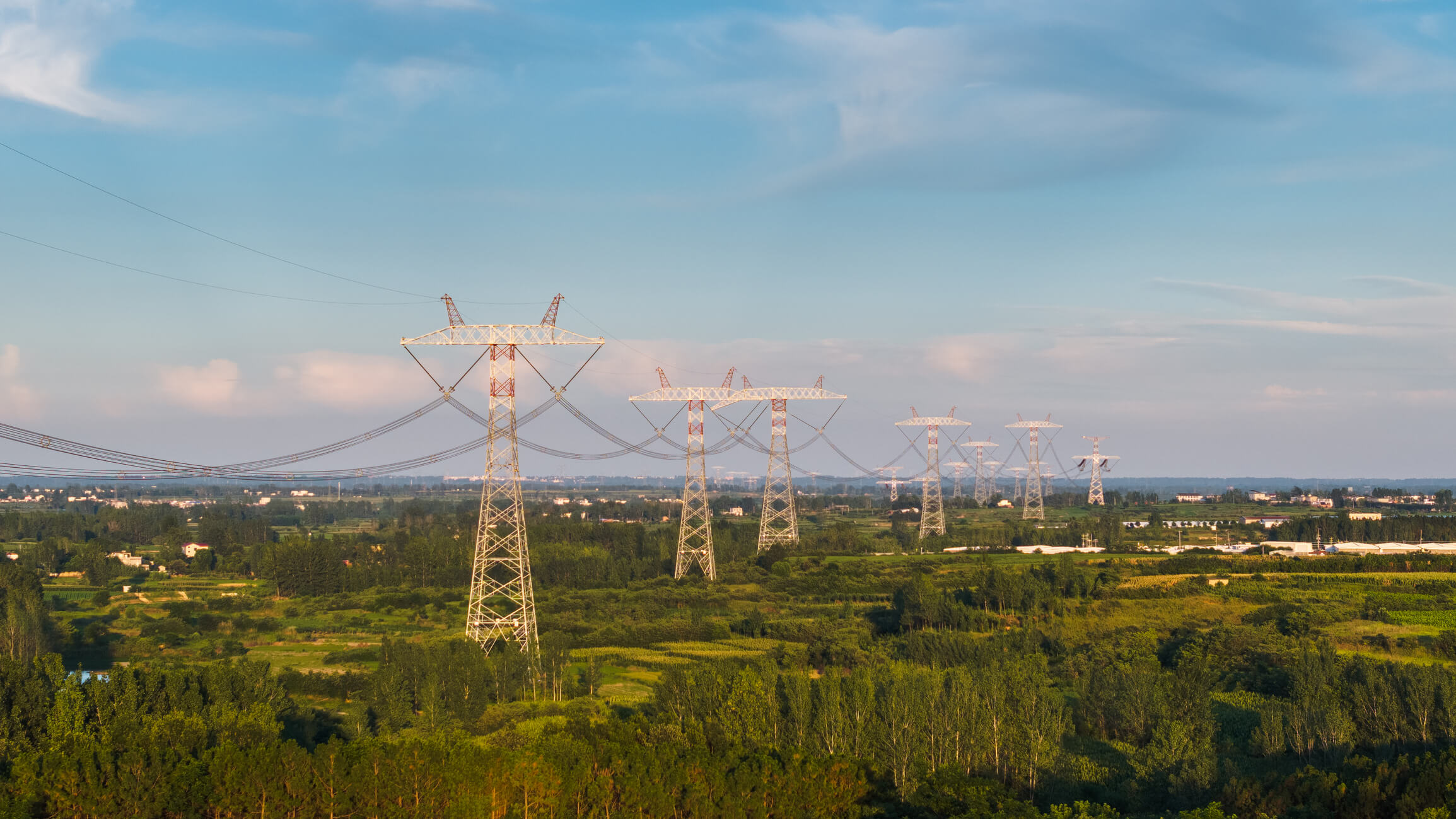
America needs more electric transmission, the high-voltage lines that carry electrons from power plants to communities nationwide. But under today’s policies, building those lines takes too long and costs too much. Without a substantial expansion in transmission capacity, the country is at risk of rising energy costs, a less reliable electric grid, and stymied global leadership in AI.
By Dylan Maxik4 min readMay 20, 2026
→
Energy
In a rare Level 3 alert, the North American Electric Reliability Corporation (NERC) warns that hyperscale data centers are introducing volatile, hard-to-predict load swings—where gigawatts can drop off the grid in seconds—that utilities aren’t equipped to manage, creating a new reliability risk as electricity demand surges. This comes on the heels of recent Senate and House hearings on the state of the bulk power system and how to meet growing electricity demand while protecting ratepayers.
By Nick Loris4 min readMay 7, 2026
→
Energy
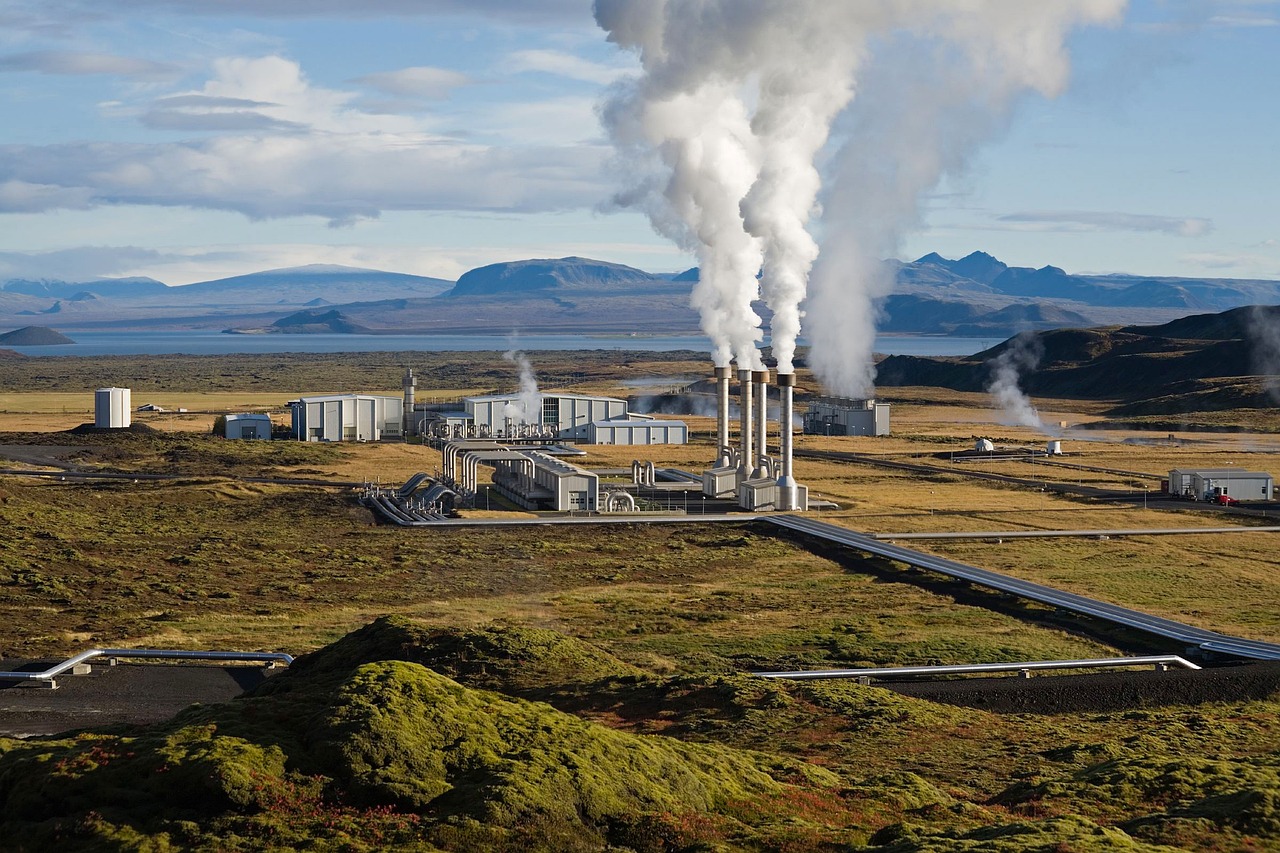
The fallout in global energy markets from the ongoing conflict in Iran demonstrates the perils of overrelying on a single energy source like oil to meet America’s energy needs. As countries are forced to ration fuel and subsidize energy costs, sustainable alternatives like geothermal power are receiving renewed and well-deserved attention for their ability to deliver reliable, always-on power without the risks of price volatility or supply disruptions.
By Nathalie Voit2 min readMay 6, 2026
→
Energy
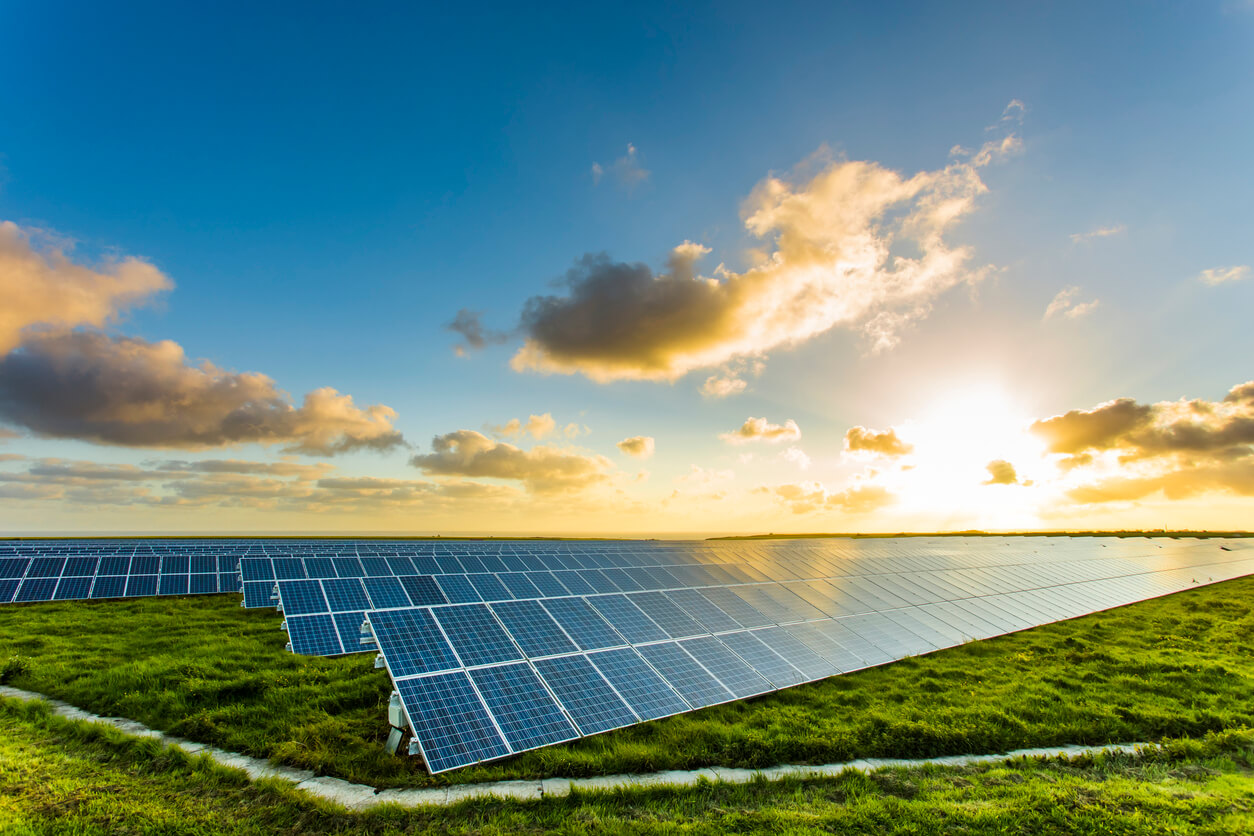
Solar power is now among the cheapest forms of electricity on Earth. Yet the industry still behaves as if it can’t survive without government support. Since President Donald Trump signed the “One Big Beautiful Bill” last July 4, the solar industry has sounded alarms.
By Drew Bond4 min readApril 29, 2026
→


