Energy
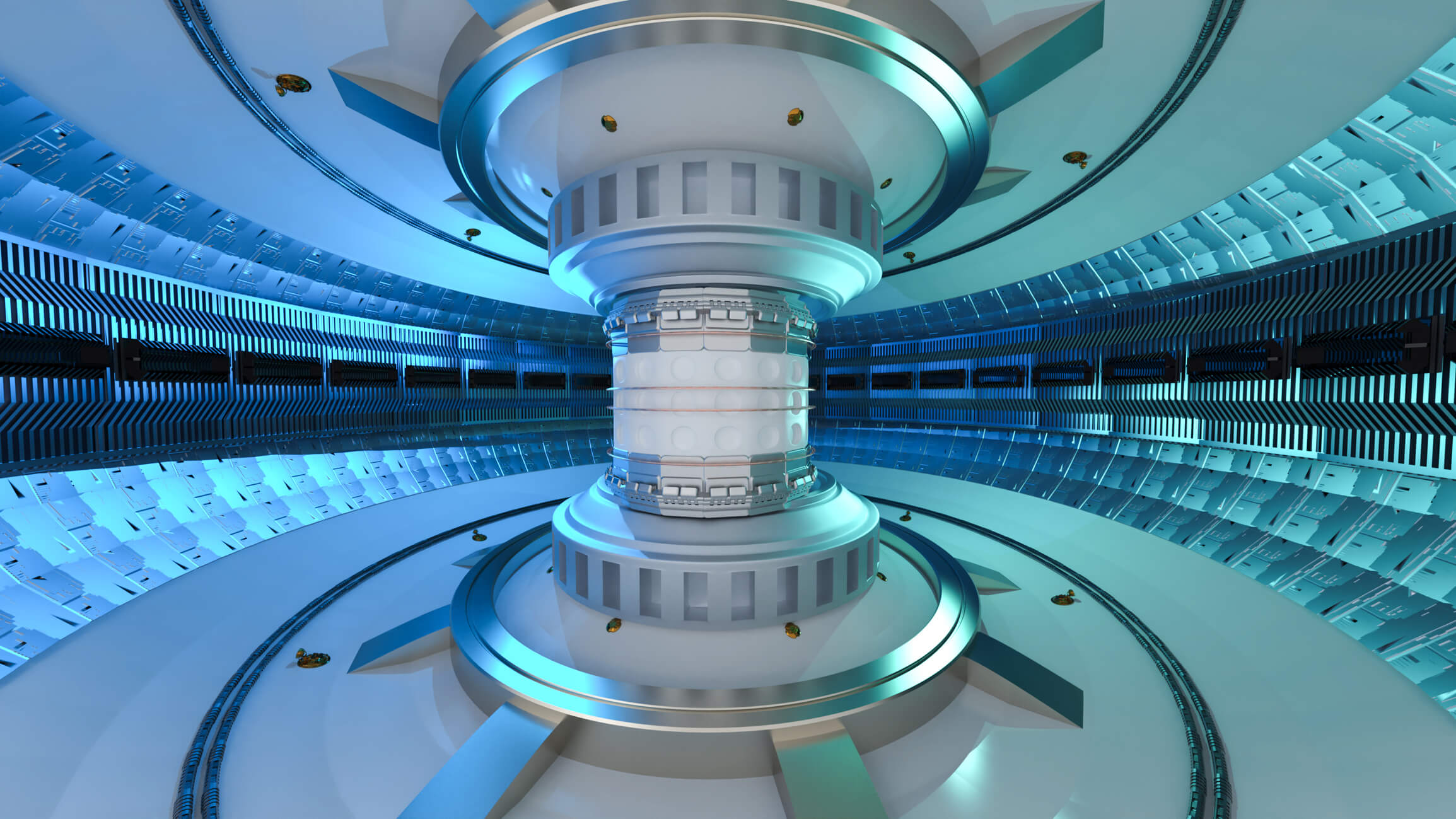
When President Trump stood before Congress in February 2026, he delivered a stark message to America’s technology leaders: “You have an obligation to provide for your own power needs.” His call to action on behind-the-meter nuclear power for data centers wasn’t mere rhetoric. It was a recognition that the energy demands of artificial intelligence and modern computing require a fundamental shift in how we power our economy.
By Alina Voss4 min readApril 8, 2026
→
Energy
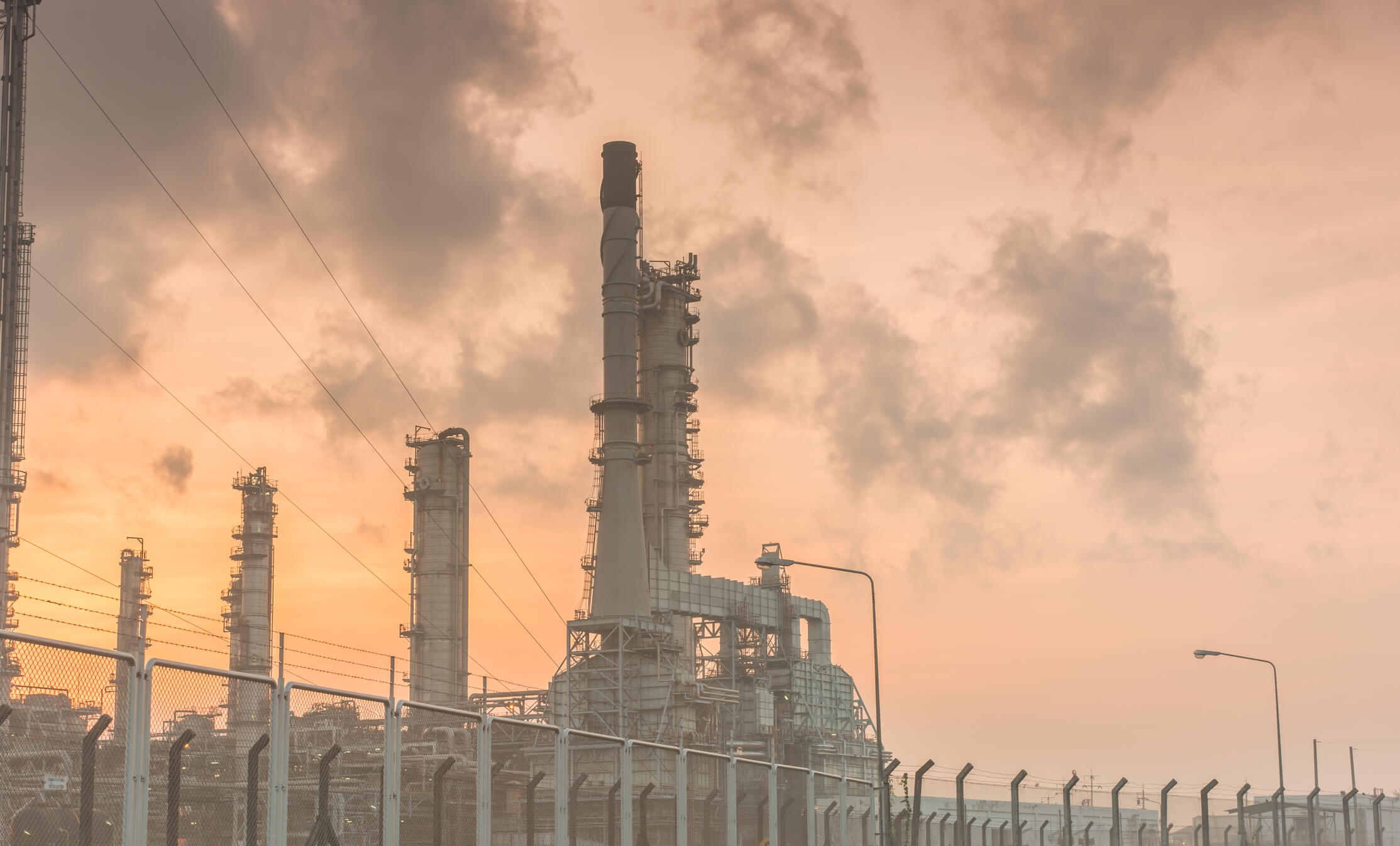
With seemingly no end to the Iran War in sight, the Trump administration has several actions to soften the economic blow, including waiving the Jones Act and releasing 172 million barrels of oil from the Strategic Petroleum Reserve. One sensible solution to help consumers is to grant exemptions for the small refineries that are critical to US energy security and affordability.
By Nick Loris4 min readApril 7, 2026
→

Energy
The conversation at CERAWeek shifts each year. In 2026, the focus was on surging demand, disruptions to energy flows through the Strait of Hormuz, infrastructure bottlenecks, and a more pragmatic energy posture. The conference showed an industry and policymakers increasingly focused not on abstract narratives about the future of energy, but on the harder questions of security, buildout, reliability, affordability, and competitiveness.
By Richard Meyer3 min readApril 2, 2026
→
Energy
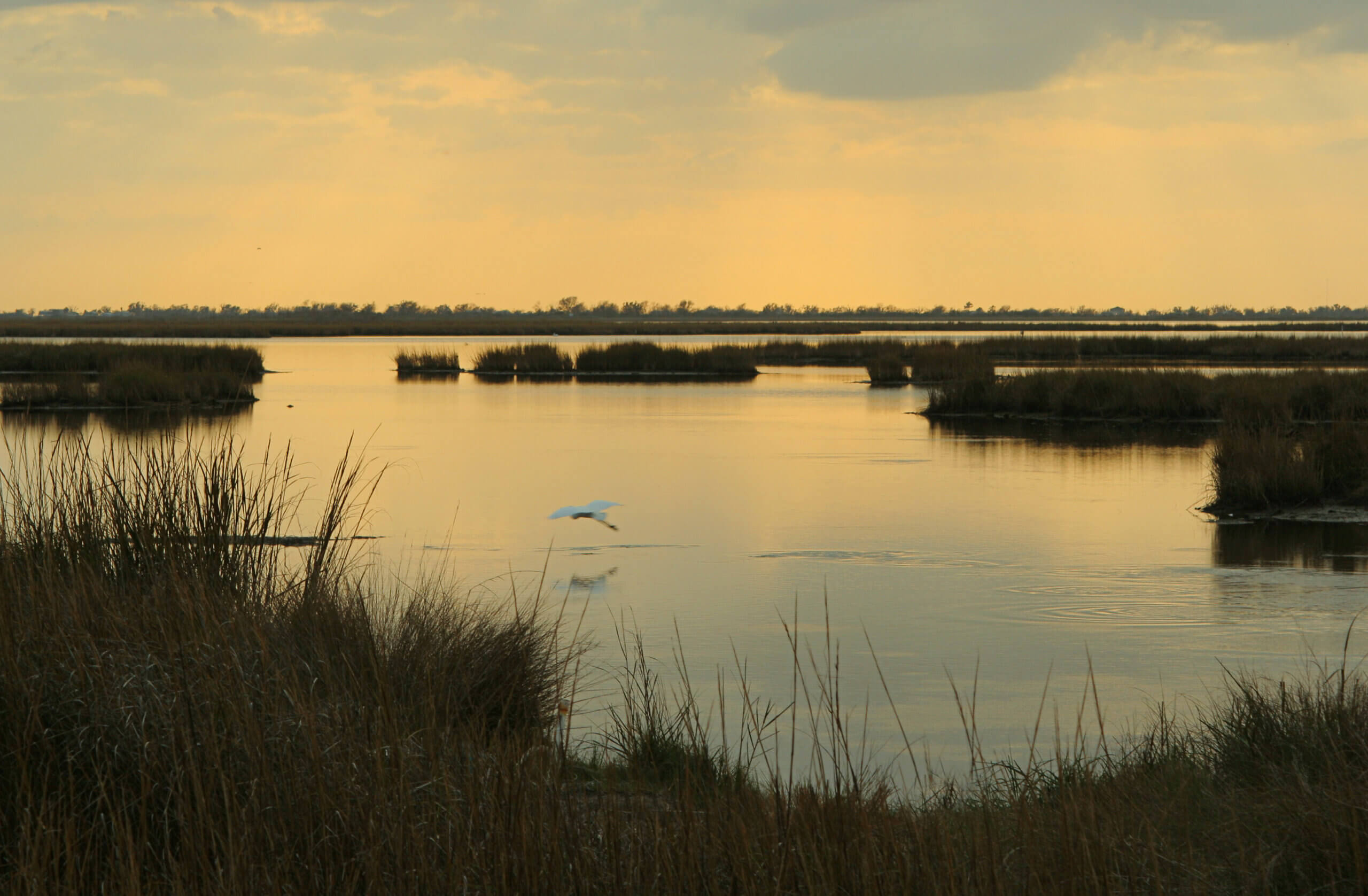
Louisiana has lost over 2,000 square miles of coastal land since the 1930s, an area the size of Delaware. Wetlands continue to disappear at an alarming rate, threatening communities, infrastructure, and one of America’s most productive fisheries.
By Prasanna Pydipalli5 min readApril 1, 2026
→
Energy
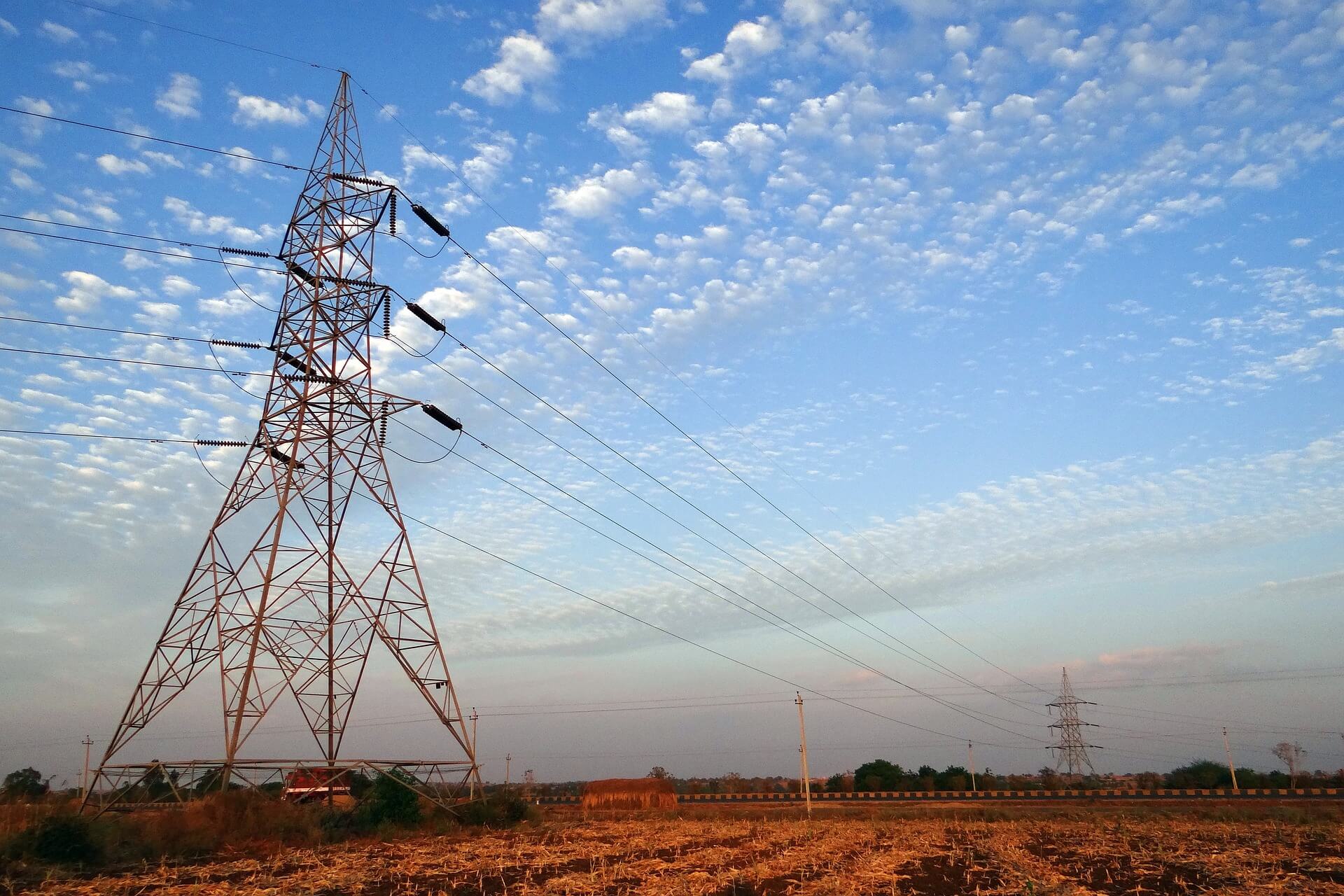
America has an infrastructure problem hiding in plain sight. Too often, when a storm rolls through, millions of homes dark. Politicians hold press conferences, utility companies apologize, and nothing fundamentally changes. The U.S. power grid is not a modern system under routine stress. It is an aging, fragile patchwork operating well past its design life, and the consequences are landing squarely on ordinary Americans and the natural environment around them.
By Adrian Norman4 min readMarch 31, 2026
→
Energy
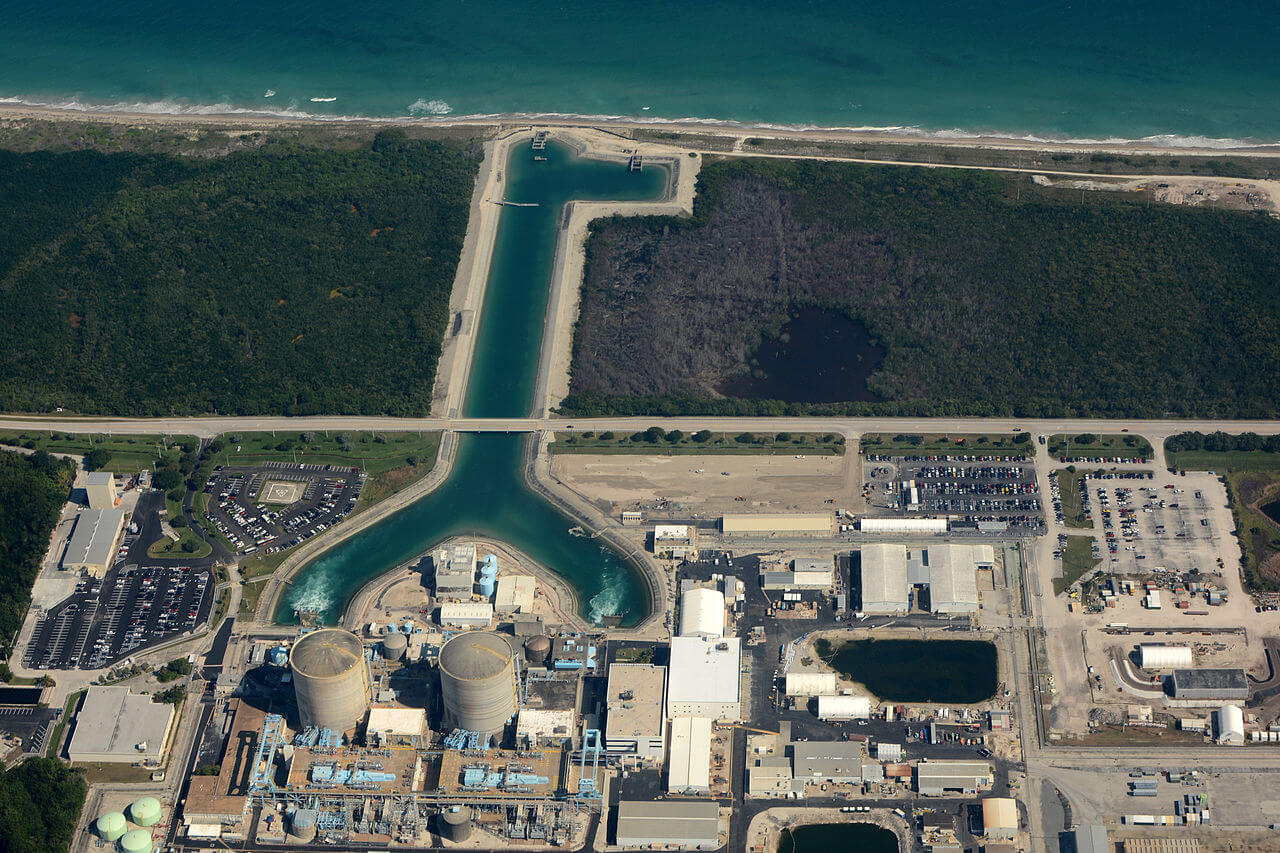
A new bill in the Sunshine State’s legislature seeks to streamline the approval process for constructing nuclear reactors.
By Nick Loris4 min readMarch 25, 2026
→
Energy
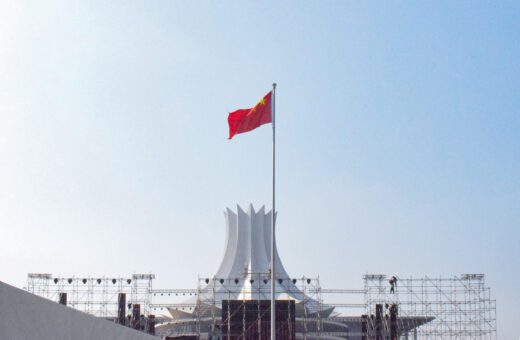
China’s monopoly on rare earth elements is not accidental. The United States, once the world leader in rare earth element production, helped create its own decline as environmental regulations and shifting industrial economics pushed production capacity offshore, allowing an increasingly adversarial nation to gain leverage over materials essential to defense systems and advanced technologies. Reasserting U.S. independence will require rebuilding our domestic supply chain and renewed coordination between government and industry.
By Aurelia S. Giacometto4 min readMarch 18, 2026
→
Energy
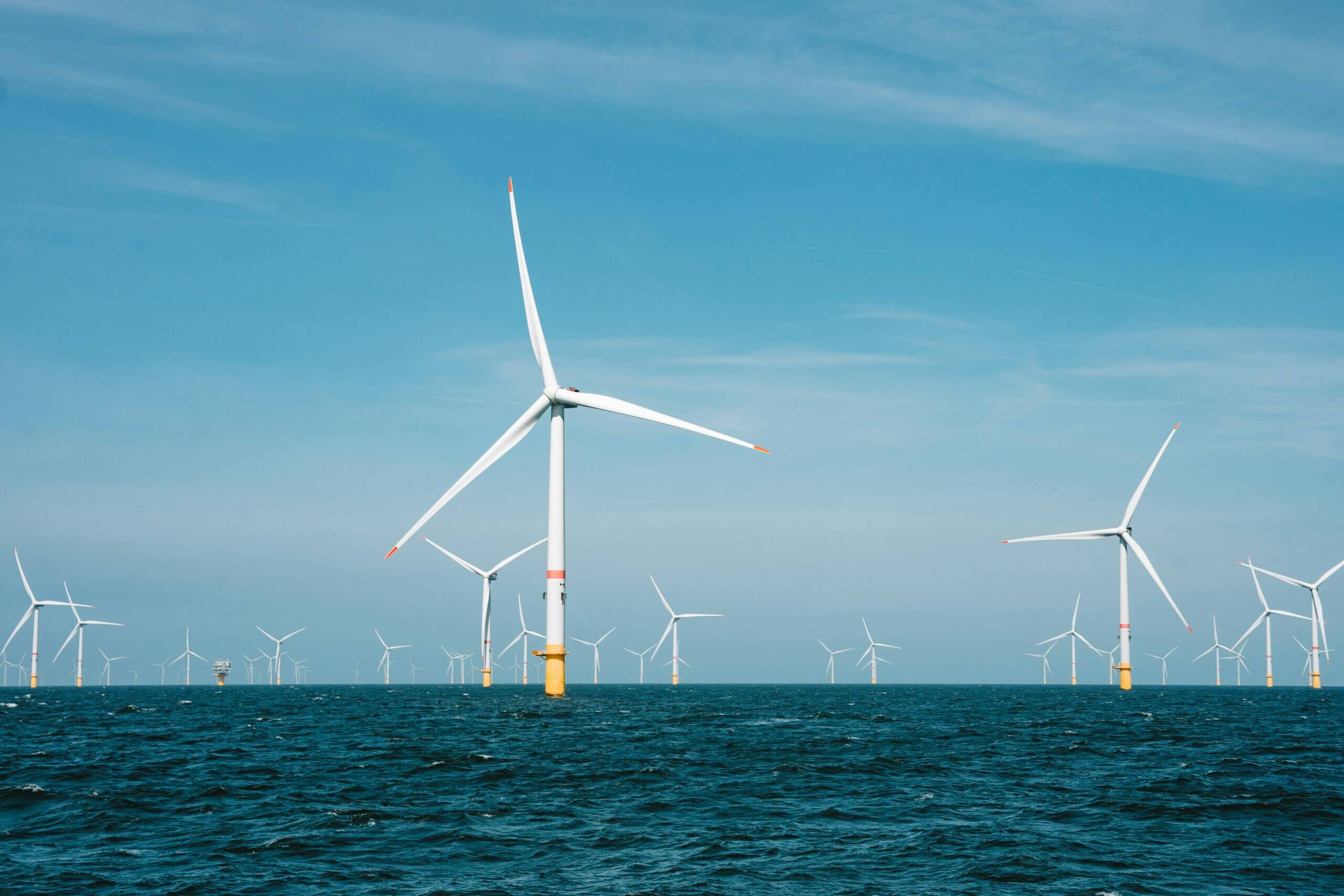
In its most recent foray against offshore wind, the administration announced it would appeal court rulings that allowed five offshore wind projects to proceed despite last December’s blanket construction halt on national security grounds. Yet the Administration’s ongoing actions risk derailing the possibility of reforming our broken permitting system—a downside far greater than allowing five fully permitted wind projects to go forward.
By Nick Loris4 min readMarch 11, 2026
→
Energy
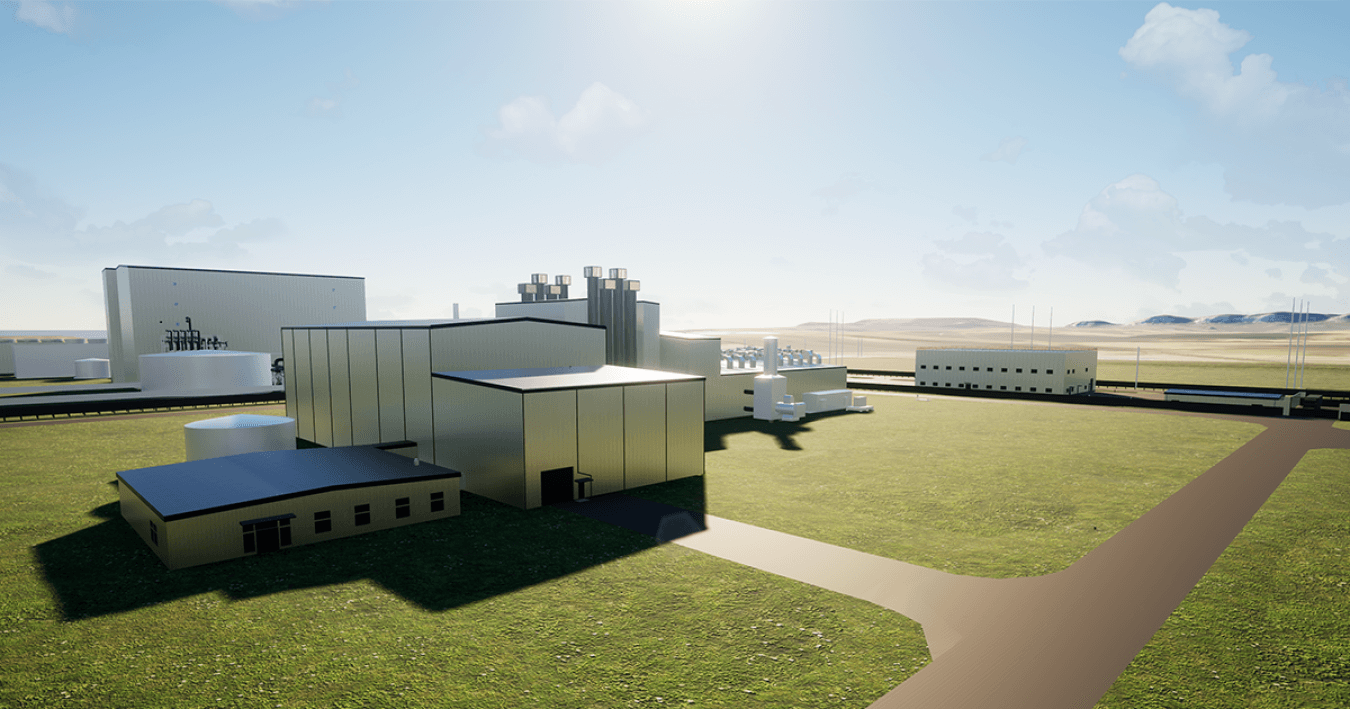
In a welcoming milestone, TerraPower received approval from the Nuclear Regulatory Commission (NRC) for a construction permit for its advanced nuclear power plant in Kemmerer, Wyoming. The review, completed ahead of schedule, provides a hopeful signal that the United States is finally turning the corner on one of the biggest barriers to clean energy innovation: an outdated, slow, and unpredictable licensing and permitting system.
By Nick Loris3 min readMarch 6, 2026
→

Energy
Onshore wave energy company Eco Wave Power is turning the tide on reliable, clean electricity with its patented, wave-harnessing devices that can be seamlessly integrated into coastal infrastructure. Founded in 2011, the Israeli-based company was featured in a February 2026 U.S. Department of Energy (DOE) national laboratory report on coastal structure-integrated wave energy converters (CSI-WECs), which are smart, automated devices that can be attached to onshore or nearshore structures such as breakwaters, piers, and ports.
By Nathalie Voit3 min readMarch 5, 2026
→
