Energy
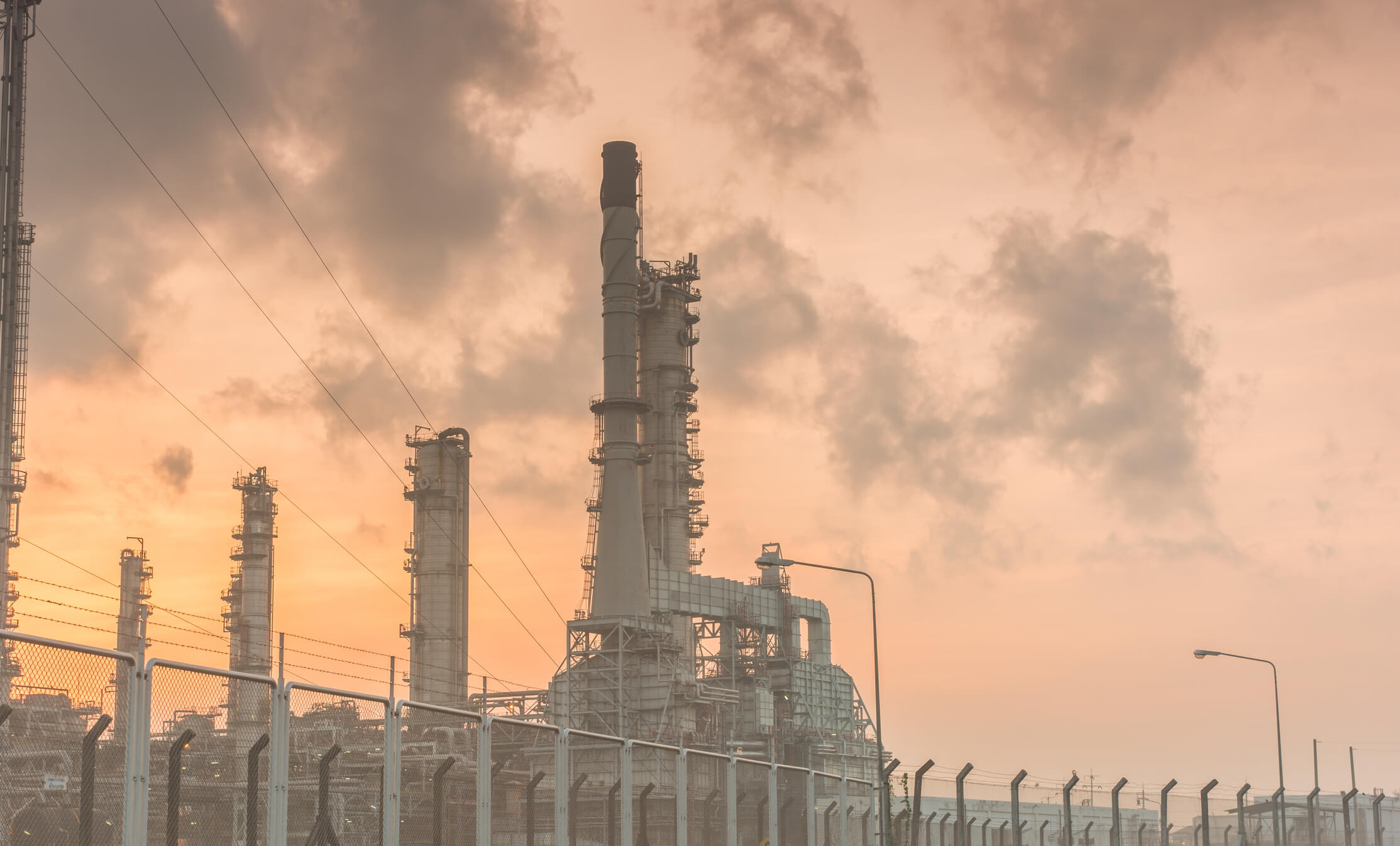
With seemingly no end to the Iran War in sight, the Trump administration has several actions to soften the economic blow, including waiving the Jones Act and releasing 172 million barrels of oil from the Strategic Petroleum Reserve. One sensible solution to help consumers is to grant exemptions for the small refineries that are critical to US energy security and affordability.
By Nick Loris4 min readApril 7, 2026
→
World
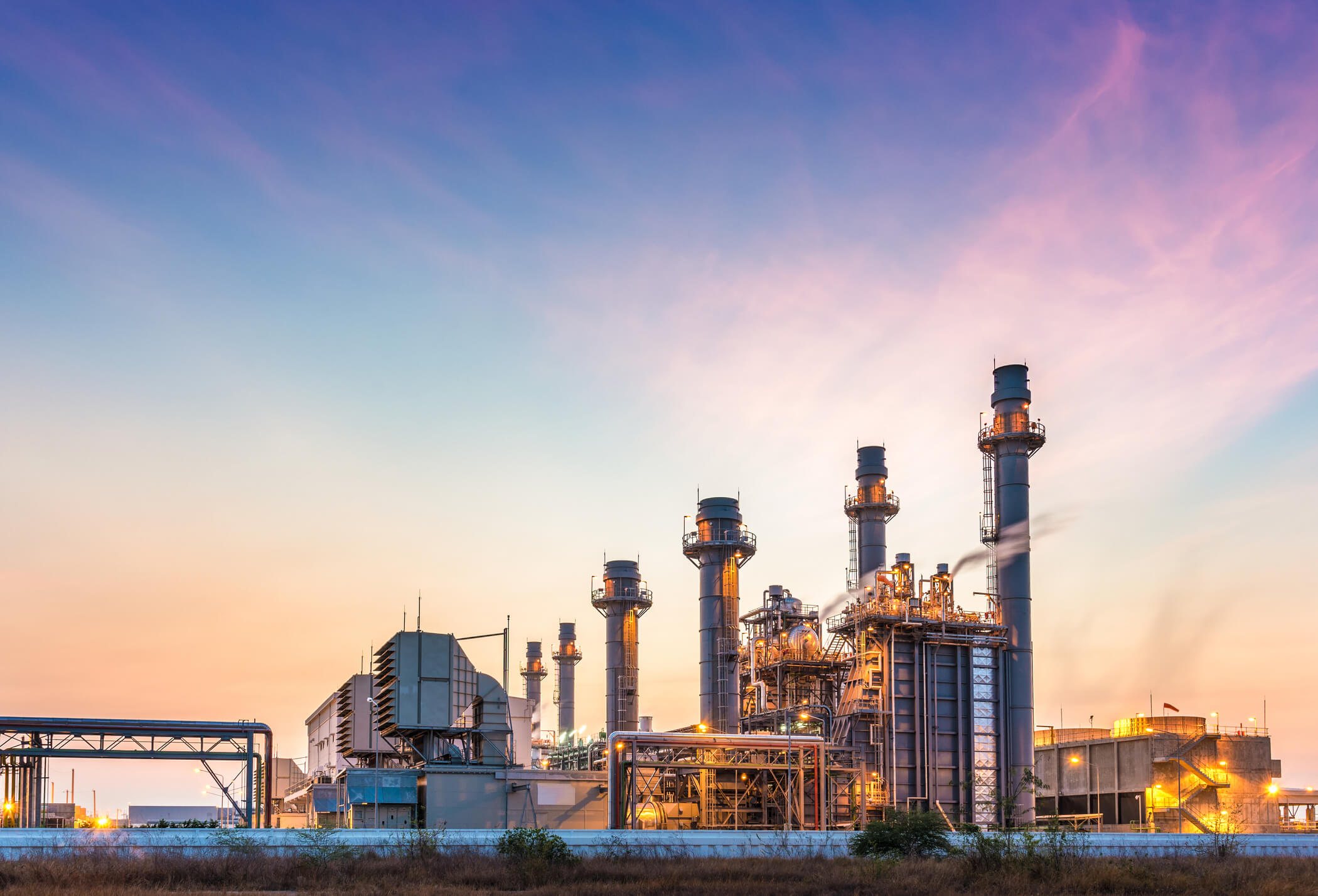
As the Iran war continues, oil prices keep rising. Gasoline has climbed to over $4 per gallon for the first time in four years. The ripple effects are spreading across the economy as markets that depend on affordable crude begin to absorb the disruption of roughly one-fifth of the world’s oil and liquefied natural gas that normally passes through the Strait of Hormuz. Everything from airline tickets to groceries is seeing upward pressure as the prices of jet fuel, diesel, and fertilizer all rise.
By David Kemp4 min readApril 6, 2026
→

Energy
The conversation at CERAWeek shifts each year. In 2026, the focus was on surging demand, disruptions to energy flows through the Strait of Hormuz, infrastructure bottlenecks, and a more pragmatic energy posture. The conference showed an industry and policymakers increasingly focused not on abstract narratives about the future of energy, but on the harder questions of security, buildout, reliability, affordability, and competitiveness.
By Richard Meyer3 min readApril 2, 2026
→

Energy
Louisiana has lost over 2,000 square miles of coastal land since the 1930s, an area the size of Delaware. Wetlands continue to disappear at an alarming rate, threatening communities, infrastructure, and one of America’s most productive fisheries.
By Prasanna Pydipalli5 min readApril 1, 2026
→
Energy
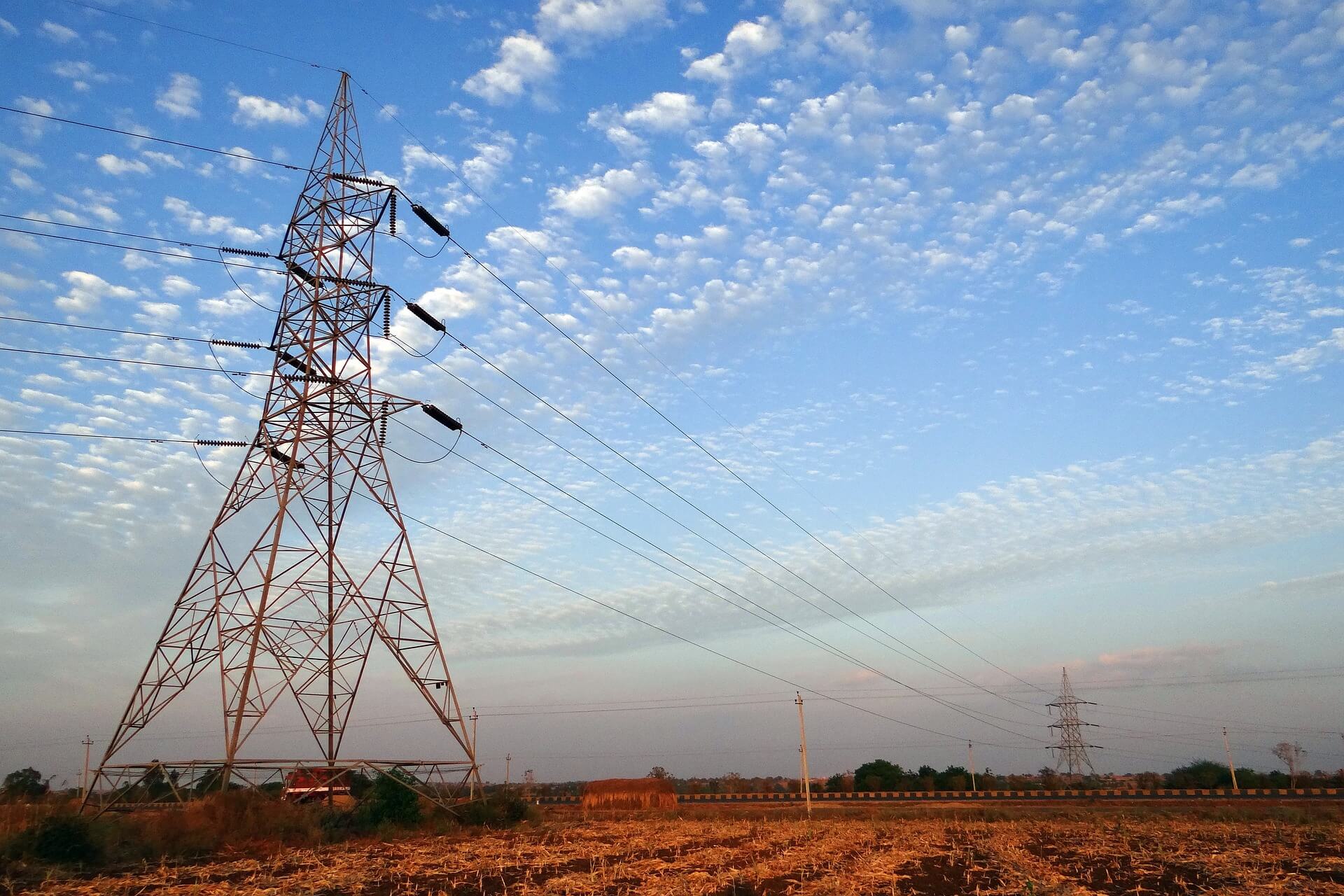
America has an infrastructure problem hiding in plain sight. Too often, when a storm rolls through, millions of homes dark. Politicians hold press conferences, utility companies apologize, and nothing fundamentally changes. The U.S. power grid is not a modern system under routine stress. It is an aging, fragile patchwork operating well past its design life, and the consequences are landing squarely on ordinary Americans and the natural environment around them.
By Adrian Norman4 min readMarch 31, 2026
→
Energy
While it still seems to be a long way off, Iran and Trump seem to be considering the conditions they need to make peace. As I’ve noted in past Low-Energy Fridays, peace is better for the economy than war, which destroys productive resources and erodes investor confidence. But we must also understand that the way in which this peace is achieved may impact energy markets in the long term. While any peace is generally better economically than the status quo, risks caused by the war may remain even after a deal is made.
By Philip Rossetti3 min readMarch 30, 2026
→

Environment
First commercially introduced in the 1940s due to their water-, stain-, and grease-resistant properties, they are commonly found in clothing, non-stick cookware, and other everyday household items. Because they persist for long periods in the environment, PFAS have been found in drinking water across the country.
By Nathalie Voit2 min readMarch 26, 2026
→
Energy
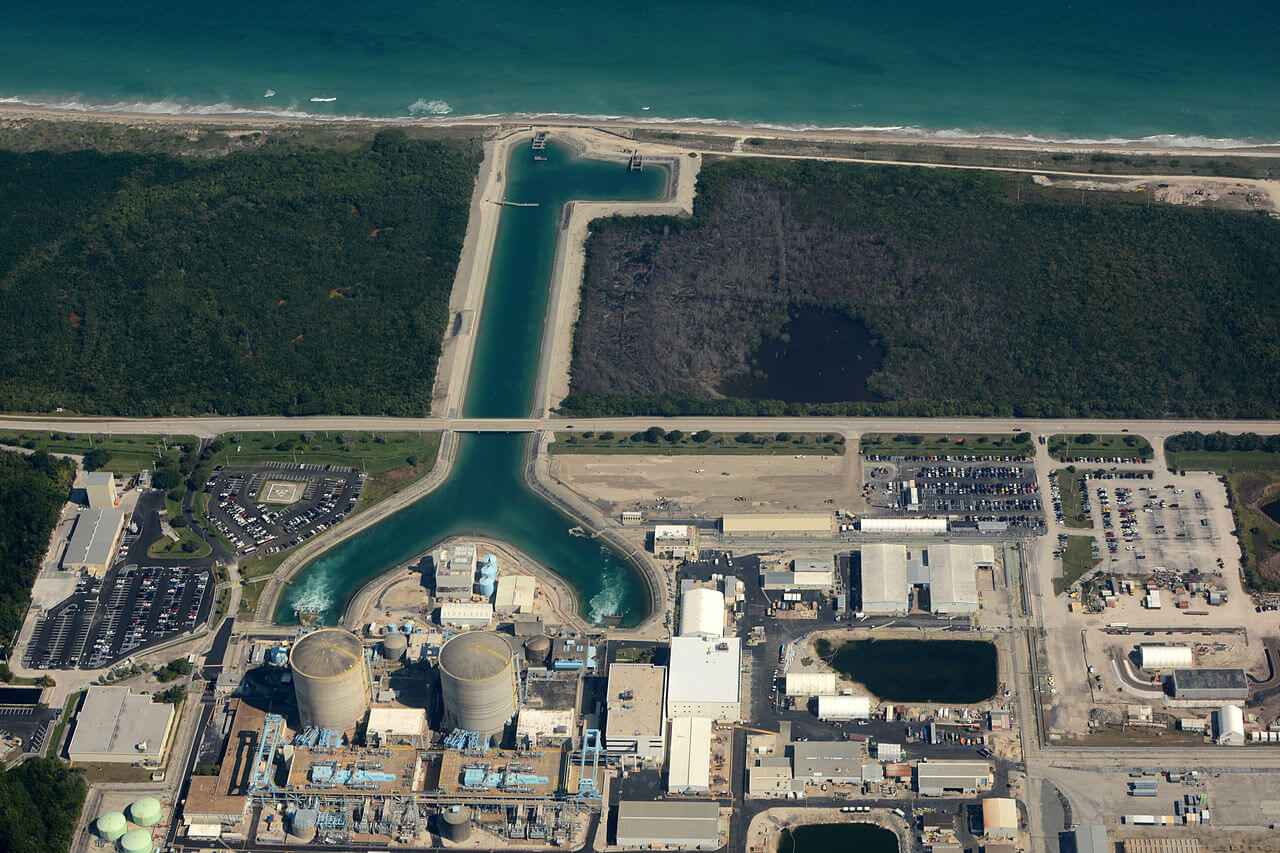
A new bill in the Sunshine State’s legislature seeks to streamline the approval process for constructing nuclear reactors.
By Nick Loris4 min readMarch 25, 2026
→
Energy
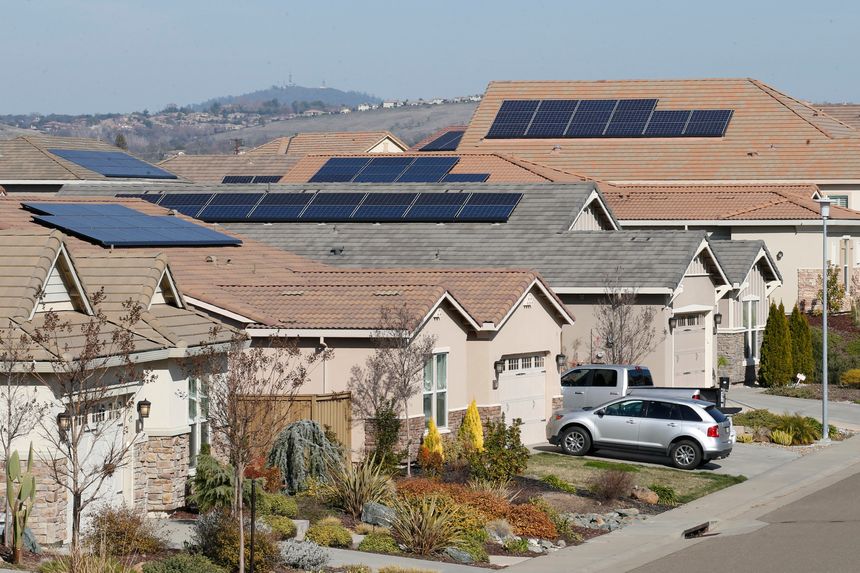
You wouldn't know it from the political debate, but the fastest-growing corner of the American energy market is also one of the most naturally conservative ideas in it: owning your own power. Home battery storage—the ability to store and manage the electricity that runs your household—is attracting growing investment, and greater attention from conservatives could be beneficial, particularly as the midterm elections approach.
By Adrian Norman2 min readMarch 24, 2026
→
Energy
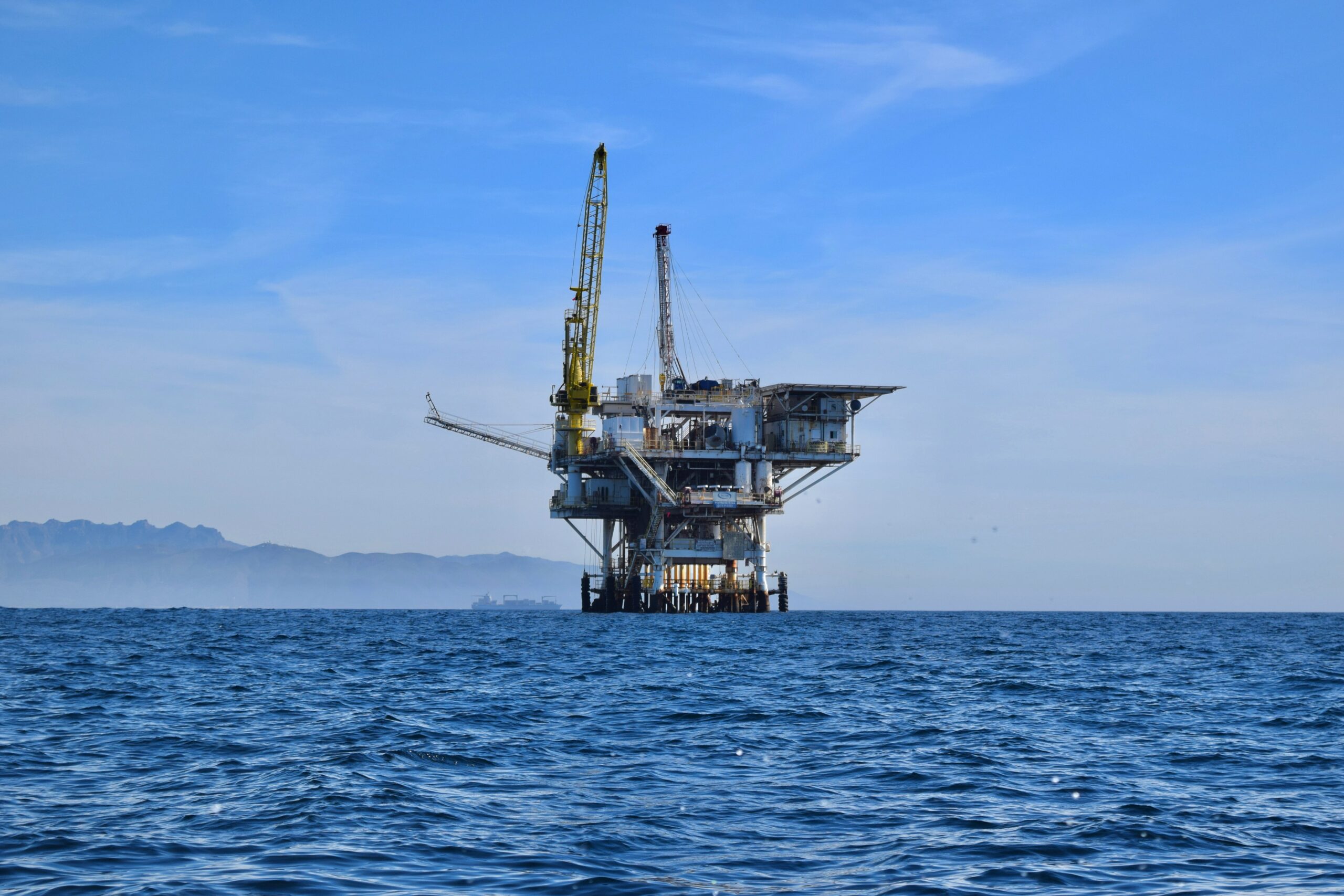
The war with Iran has sent oil prices, and then gasoline prices, sharply higher. West Texas Intermediate (WTI) crude, the main U.S. oil benchmark, rose from the mid-$60s per barrel in late February to around $100 on March 19. U.S. gasoline prices have followed suit, with the average price increasing from a pre-war level of under $3.00 per gallon to over $3.70 by mid-March.
By David Kemp5 min readMarch 23, 2026
→

Conservation
At the current pace, it would take the Forest Service more than 50 years to treat the 19 most at-risk sequoia groves in the country, a timeline the species cannot afford. With faster treatment efforts, more groves will be safeguarded from out-of-control wildfires.
By Cecilia Fassett4 min readMarch 19, 2026
→

Energy
China’s monopoly on rare earth elements is not accidental. The United States, once the world leader in rare earth element production, helped create its own decline as environmental regulations and shifting industrial economics pushed production capacity offshore, allowing an increasingly adversarial nation to gain leverage over materials essential to defense systems and advanced technologies. Reasserting U.S. independence will require rebuilding our domestic supply chain and renewed coordination between government and industry.
By Aurelia S. Giacometto4 min readMarch 18, 2026
→
