Changing climate doesn’t mean the same thing to everyone everywhere. To some, warming will mean that already hot places will become even more temperature-challenged. To others, it might actually create new opportunities for things like growing food and new crops.
For example, Europeans famously love their wines. That means they are sensitive to any changes in wine-making regions. A cold spell in Bordeaux? Mon Dieu! Flooding in Tuscany? Disastro!
However, not all regional changes are changes to the downside.
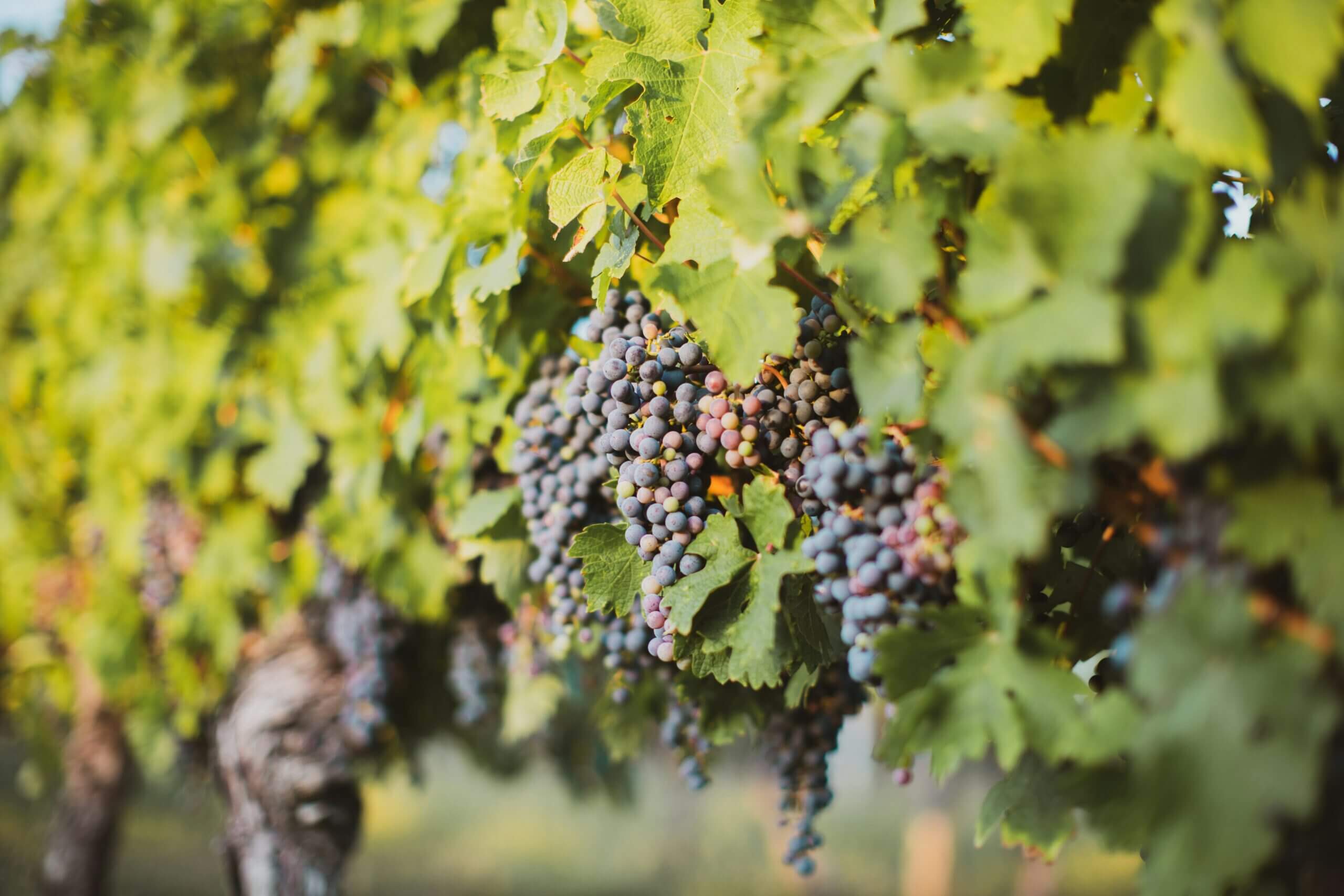
A recent article in the British Financial Times cited a potential upside to climate change. As the weather gets warmer, excellent wine grapes can be cultivated further north. “Ten years ago, you would never see a Danish wine on the list,” a French sommelier told the newspaper. “But, with the climate changing, Denmark is on its way to make great wines.”
Meanwhile, traditional regions will still produce wine. They may have to change their approach, alter their growing season, and water more often or less often. But they will do what they need to do, just as they have for centuries. Meanwhile, Denmark is viable not only because its climate is changing but because there will likely always be a desire for good wines.
“The more research I do, the more I feel very confident that this is not a crop that is facing extinction,” a climate expert told the Financial Times about the future of grapes. “There’s no giant cliff coming for wine grapes . . . but there are big changes coming.”
This illustrates a larger point. Changes are coming for other crops as well. “75 percent [of farmers] are open to implementing new technologies to better cope with climate change,” the online magazine Future Farming reported last year. “Desire for better yields, resilient farms, and protected livelihoods are driving interest and adoption of more regenerative and technological approaches to farming.”
>>>READ: From Seed to Bottle: How the Wine Industry is Going Circular
The key will be innovation to drive agricultural sustainability in existing areas and agricultural expansion into warming areas. This will be critical to the long-term health of our environment and the global economy. However, the overall message is that climate change can make more land available for growing more crops.
This isn’t surprising. Growing anything changes the environment. Settlers in the early United States cut down trees. Many farmers today burn fields to add nitrogen to the soil. Farmers rotate crops to balance the acidity of the soil. Agriculture modifies our environment and can have unintended consequences. But growing crops is essential for human survival and flourishing.
As the globe changes, groups like the Foundation for Food and Agriculture Research are working on ways to improve agricultural output.
FFAR forms and fosters relationships with private organizations that want to fill research gaps matching public funding. The partnership establishes private sector buy-in for research needs and accelerates solutions to agriculture and food challenges.
For instance, The Roslin Institute at the University of Edinburgh performed a study through FFAR funding that showed how radiography can be used to test the bone density of laying hens. This breakthrough will allow poultry breeders to improve bone health and reduce the risk of fractures for the next generation of their birds, supplying more eggs and keeping the hens healthy.
>>>READ: What is Biochar, and Why Does it Matter?
Fostering collaboration between stakeholders on the inside and outside of the agricultural industry makes the research applicable and useful to real problems farmers and ranchers face in the field, such as how changing climates will affect crops, when they should plant, and similar issues.
Various innovative technologies have helped farmers do more with less and harvest more weather-resistant crops. In the years ahead, humans will react to climate change by altering and improving our approach, not by standing at the shore trying to hold back the tides as they change. We will need more public-private partnerships through FFAR to help find innovative ways to grow food.
At the same time, farmers, like the grape growers noted in the Financial Times, will be working independently to find ways to innovate. Humans have always done this, ever since the very first farmers learned to crossbreed crops to produce hardier plants with better yields. We must keep doing it, to thrive during an era of climate changes.
Cheers to innovation!