Last week I had the honor of testifying before the House Select Committee on the Climate Crisis on the importance of investing in America’s ecosystems. Investing in nature-based climate solutions is one of the most cost-effective tools that we have to reduce the impacts of climate change.
>>>READ: The Importance of Nature-Based Climate Solutions
The following is adapted from my oral testimony made before the Select Committee on the Climate Crisis:
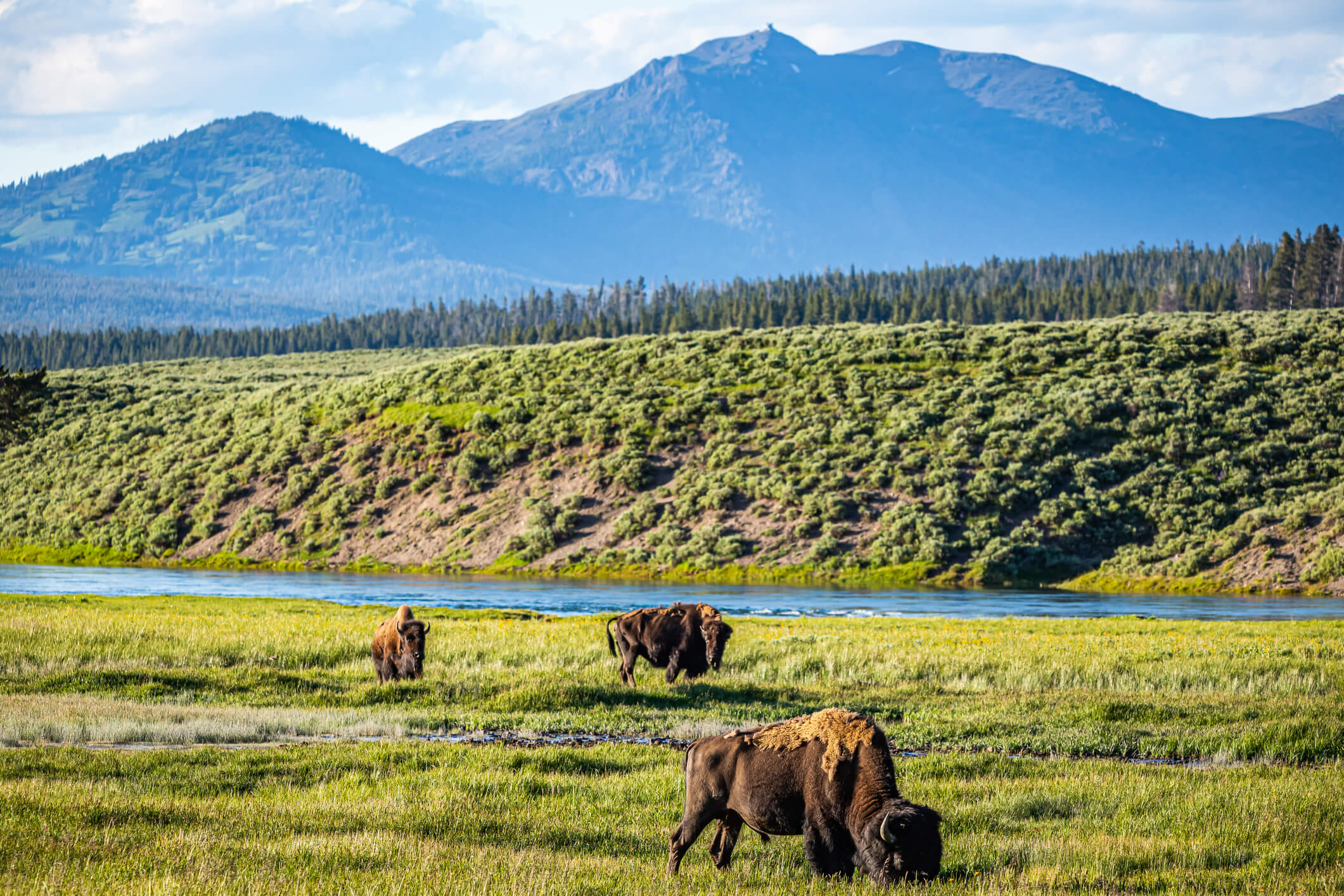
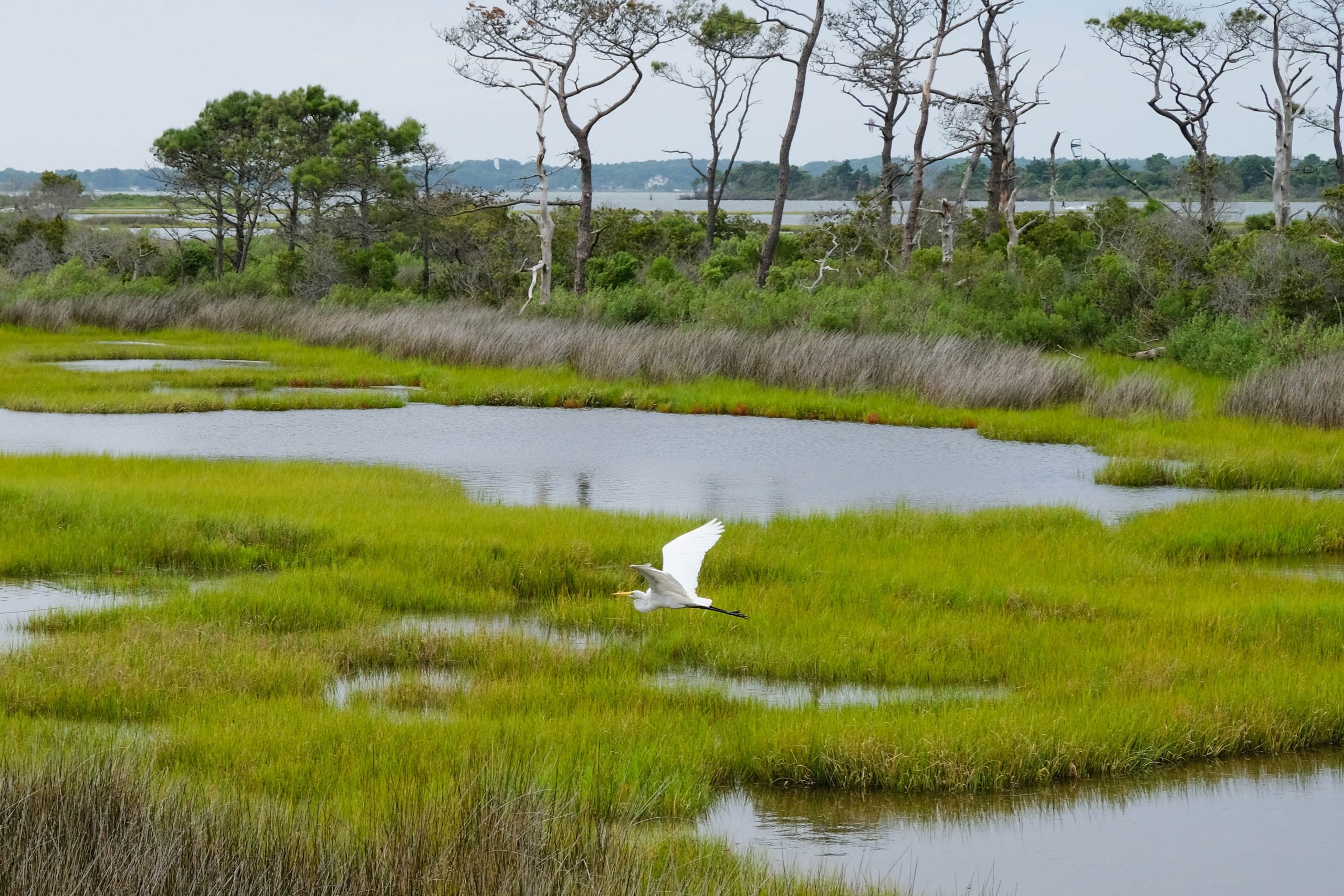
Investing in America’s natural ecosystems has significant economic, environmental, and climate benefits. Active management of America’s forests, grasslands, and wetlands will improve air and water quality, restore wildlife habitats and capture and sequester more carbon dioxide. Forest restoration and eradicating invasive species will also reduce the risk of wildfires, floods, and droughts.
Furthermore, innovative agricultural technologies and practices enable farmers and ranchers to produce more with less. The result is higher yields, cost savings and healthier soils that prevent erosion and sequester more co2.
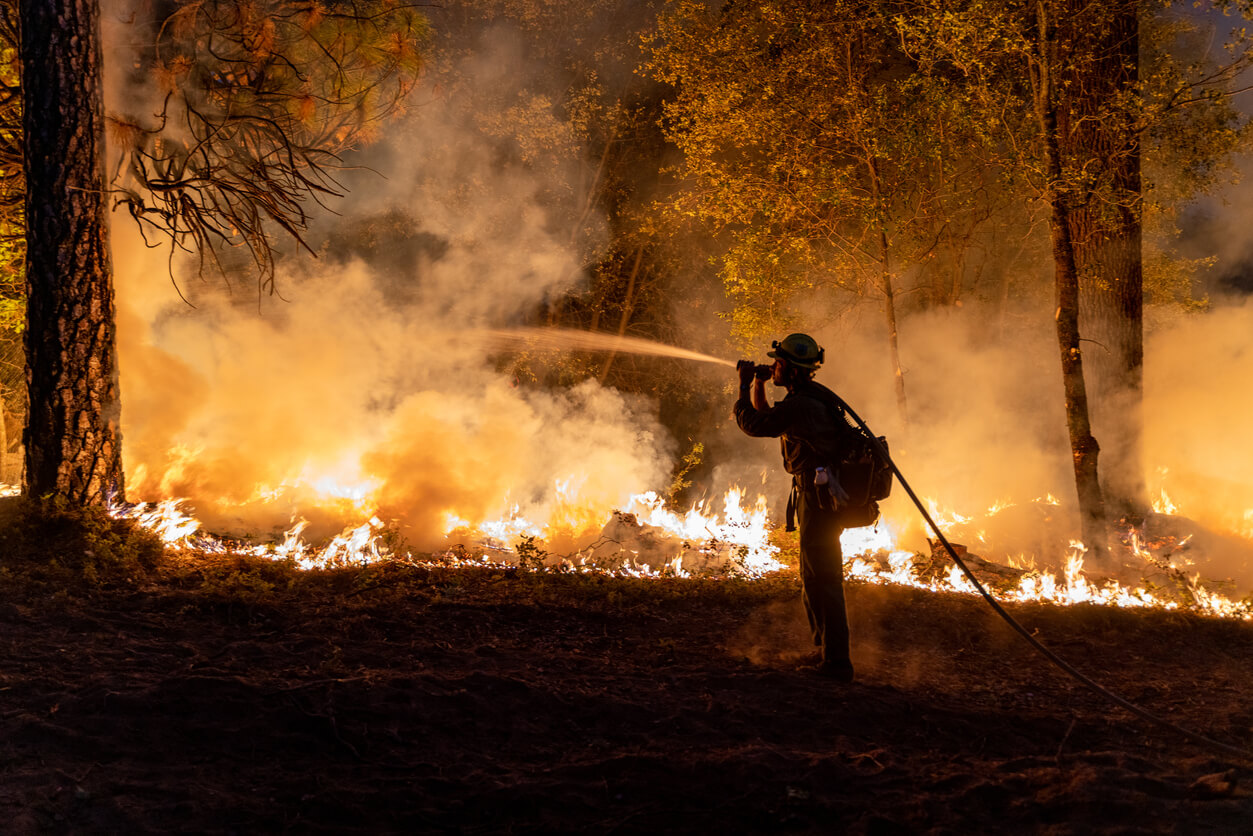
Without active care and investment, however, the mismanagement of America’s ecosystems can increase greenhouse gas emissions and pollution, exacerbate the risks of extreme weather, and be an economic drain on communities. For instance, the 2020 wildfires in California emitted more carbon dioxide than the entire state’s fossil fuel emissions that year. Addressing the fuel load through controlled burns and timber harvesting will reduce the size and intensity of wildfires and improve the health of America’s forests.
Another major challenge is invasive species, which devalue properties, damage infrastructure, devastate ecological systems, and threaten economic livelihoods. Whether it is cheatgrass increasing wildfire risk or zebra mussels compromising water infrastructure, invasive species impose significant economic and environmental harm.
Allocating resources toward prevention, early detection, and rapid response are the most cost-effective solutions as they prevent the invasive species from becoming too invasive. Harnessing the power of incentives is also an effective mechanism to reduce invasive species.
For instance, the nutria is a semi-aquatic rodent that adversely affects wetlands and vegetation in Louisiana and several other states. Through a federal-state program, participants can hunt and trap nutria and receive six dollars per nutria delivered to a collection center. Another example is a resource incentive, where Florida’s Fish and Wildlife Service provides a permit to harvest one additional spiny lobster for every 25 lionfish captured. The state also held a contest to see who could capture the most lionfish, and last year, participants collected more than 3,400 in total. These collaborative relationships that utilize incentives are an effective tool to reduce, and ideally eradicate, invasive species.
Importantly, reducing or removing barriers that obstruct or delay investments in healthy ecosystems will allow preventative and restorative ecosystem investments to occur more resourcefully.
These projects frequently run into burdensome, time-consuming permitting challenges. In addition, conservation projects can be held up for years in litigation. The significant loss of time to actively thin forests or eradicate invasive species often causes much worse environmental and climate outcomes.
Rather than have pragmatic evaluations of risk and trade-offs, environmental reviews have too often devolved into a tool to stunt the development of cleaner infrastructure and to delay projects that will restore America’s ecosystems.
To be clear, environmental reviews are a critical part of any project, as is the participation of the public and communities affected by the project. Modernizing permitting is not about removing environmental safeguards but increasing accountability and improving efficiency. Streamlined permitting will stretch taxpayer dollars further and inject more private capital into natural climate solutions. Federal agencies, states, the private sector and non-profits will be able to tackle our backlog of environmental priorities with more urgency and efficiency.
With respect to agriculture, pro-growth tax policies will incentivize investment in new farming technologies and equipment. And leveraging Department of Agriculture programs to provide technical assistance for farmers and ranchers who want to pursue regenerative and precision agriculture will improve soil health and better optimize seed planting and treatment application, which will reduce the use of fertilizers, pesticides, fuel, and water.
Investment in healthy ecosystems is smart economic and climate policy. Rehabilitating forests, preventing and eradicating invasive species, promoting sustainable agriculture, and encouraging responsible land and water use practices will result in better ecological health, will reduce emissions, and will build up natural resiliencies to a changing climate.
Nature-based climate solutions and healthy ecosystems will not come from treating America’s lands and waters as if they should be stored behind glass in a museum. Instead, they require active attention, investment, and management. Policies and regulations should reflect those needs.
You can read my full written testimony here or watch the full hearing here.