World
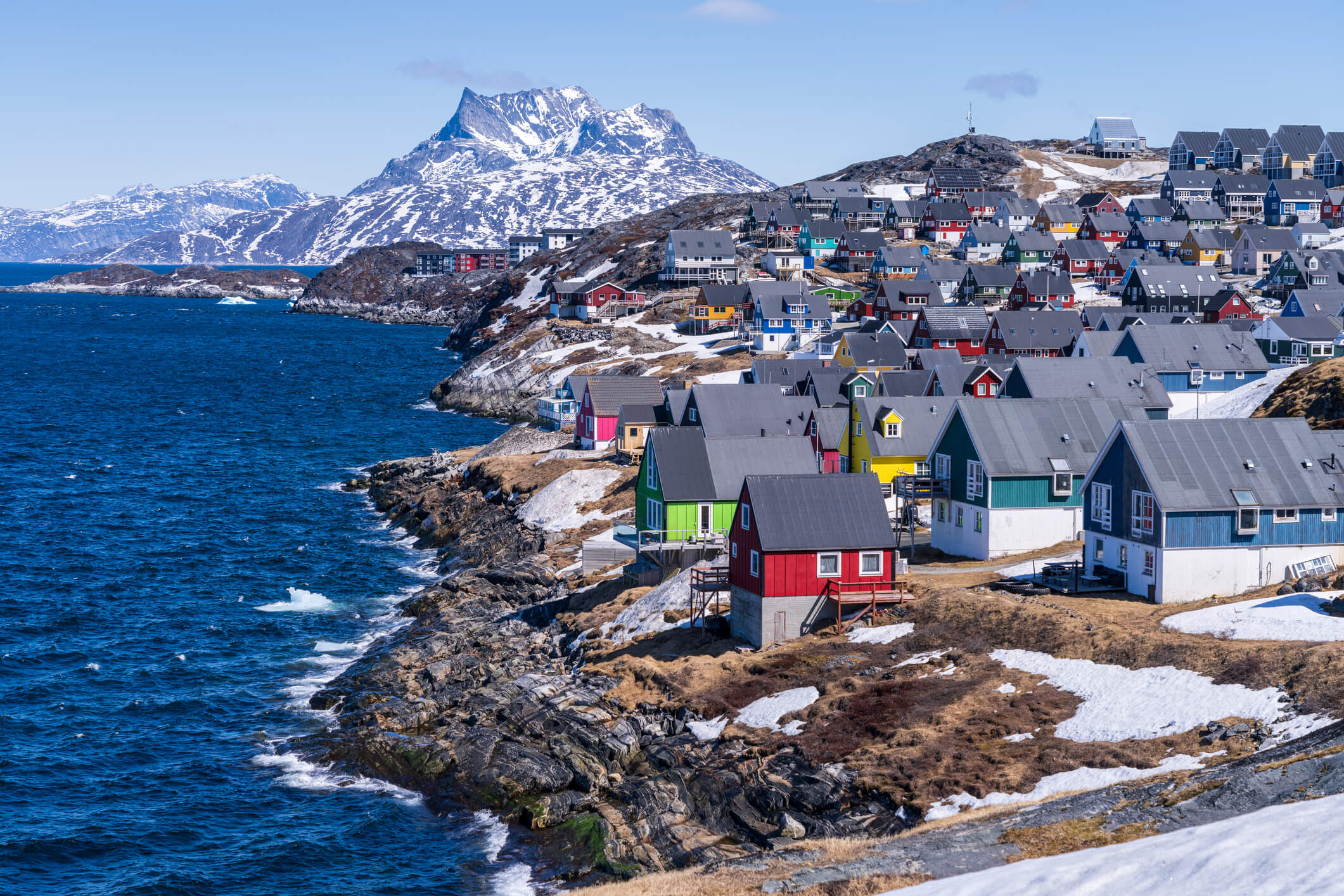
There’s an interesting paradox in economics known as the “resource curse.” Simply put, areas with abundant natural resources tend to be poorer than those that face scarcity. Competing theories attempt to explain the resource curse, but one generally accepted explanation is that these resource-rich countries usually have authoritarian governments while citizens under democracies fare better.
By Philip Rossetti3 min readJanuary 26, 2026
→
World
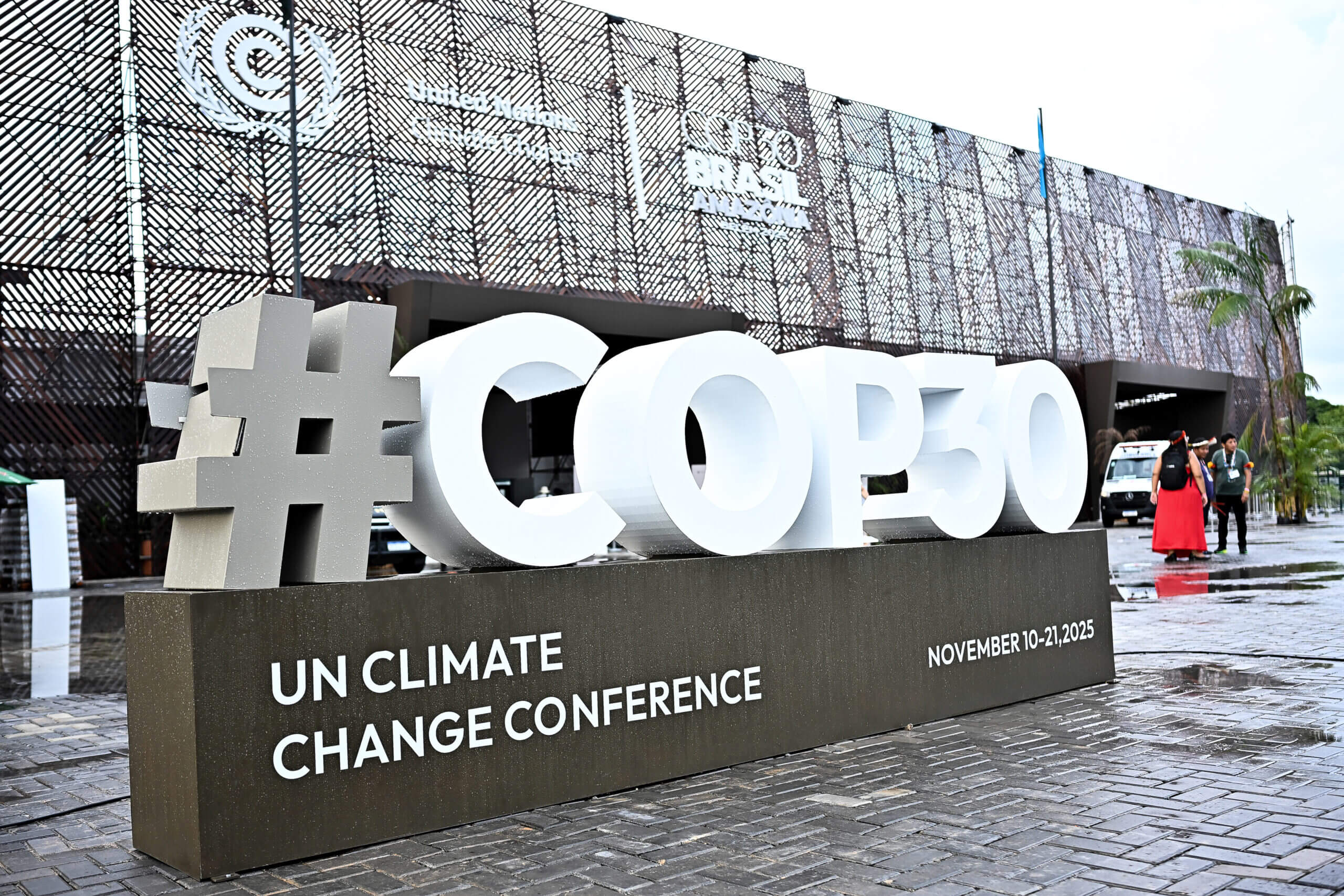
Last week, the Trump Administration announced its intention to withdraw the United States from several landmark international climate institutions, including the United Nations Framework Convention on Climate Change (UNFCCC) and the Intergovernmental Panel on Climate Change (IPCC). In practical terms, the move is largely symbolic: U.S. participation or non-participation in these bodies has relatively little direct effect on domestic climate policy or near-term global emissions outcomes.
By David Kemp4 min readJanuary 21, 2026
→
Around the Web
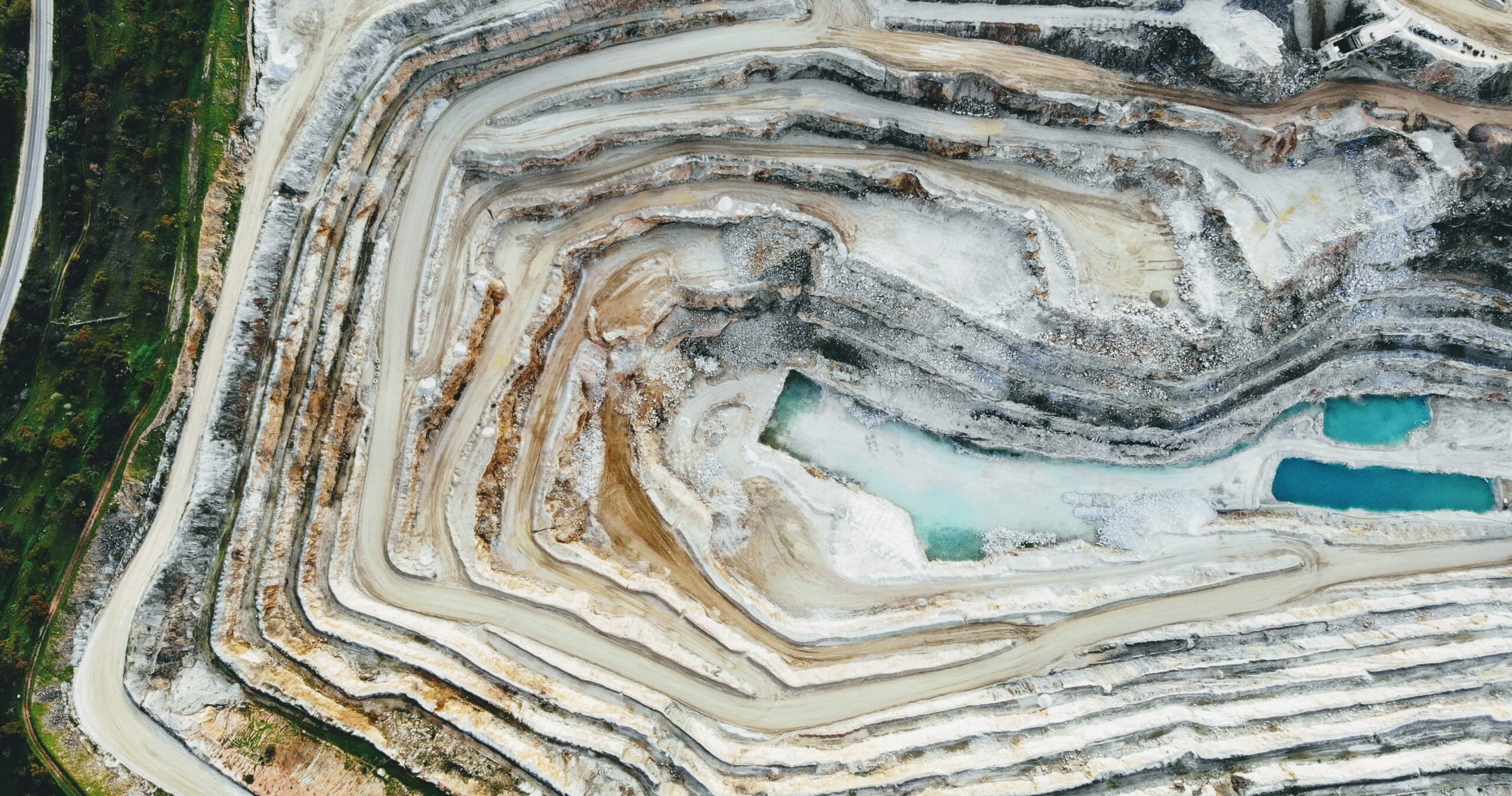
The bold vision for America’s clean energy rests on an extremely fragile foundation. The United States is highly dependent on foreign countries for crucial minerals.
By Walter Blanks Jr3 min readJanuary 8, 2026
→
Energy
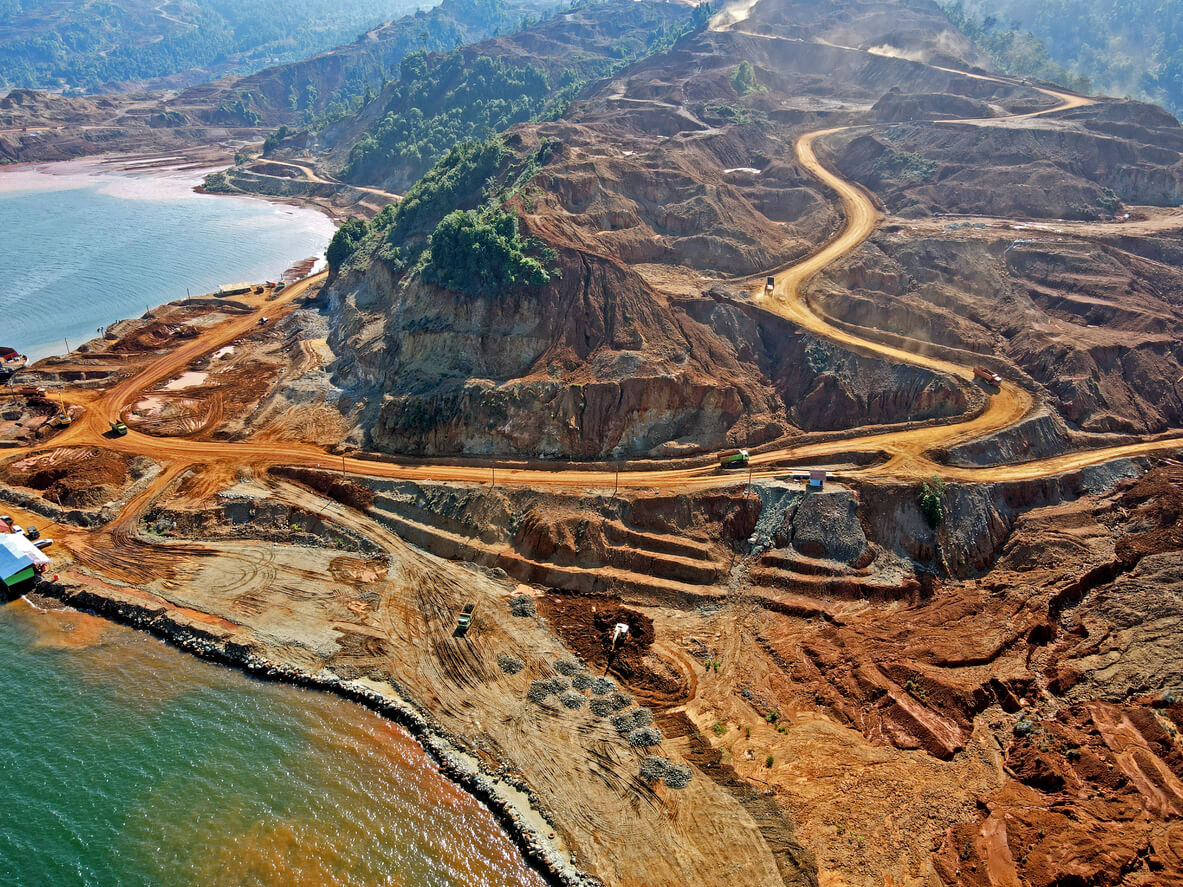
Earlier this year, China sent up a red flag. Its Ministry of Commerce introduced export restrictions that immediately reduced the international supply of seven rare earth elements. The move followed President Trump’s tariffs on Chinese goods, but it reminded Americans that we are always vulnerable. We need a source of rare earth elements that isn’t spelled C-H-I-N-A.
By Drew Bond3 min readDecember 29, 2025
→
World
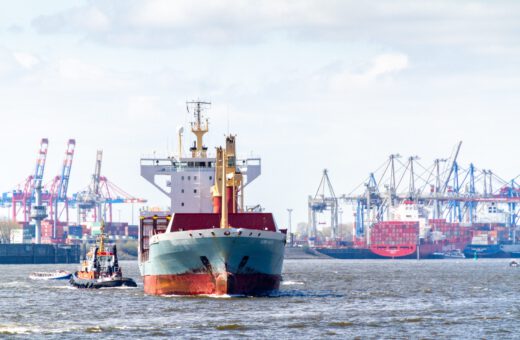
Energy Independence: this idea is wrapped around the promise that America can stand apart from global uncertainty by running on its own bountiful resources, immune to worldwide instability and to the control of oil-rich autocracies. Here is the uncomfortable truth: energy independence is a complete myth.
By Walter Blanks Jr3 min readNovember 24, 2025
→
Energy
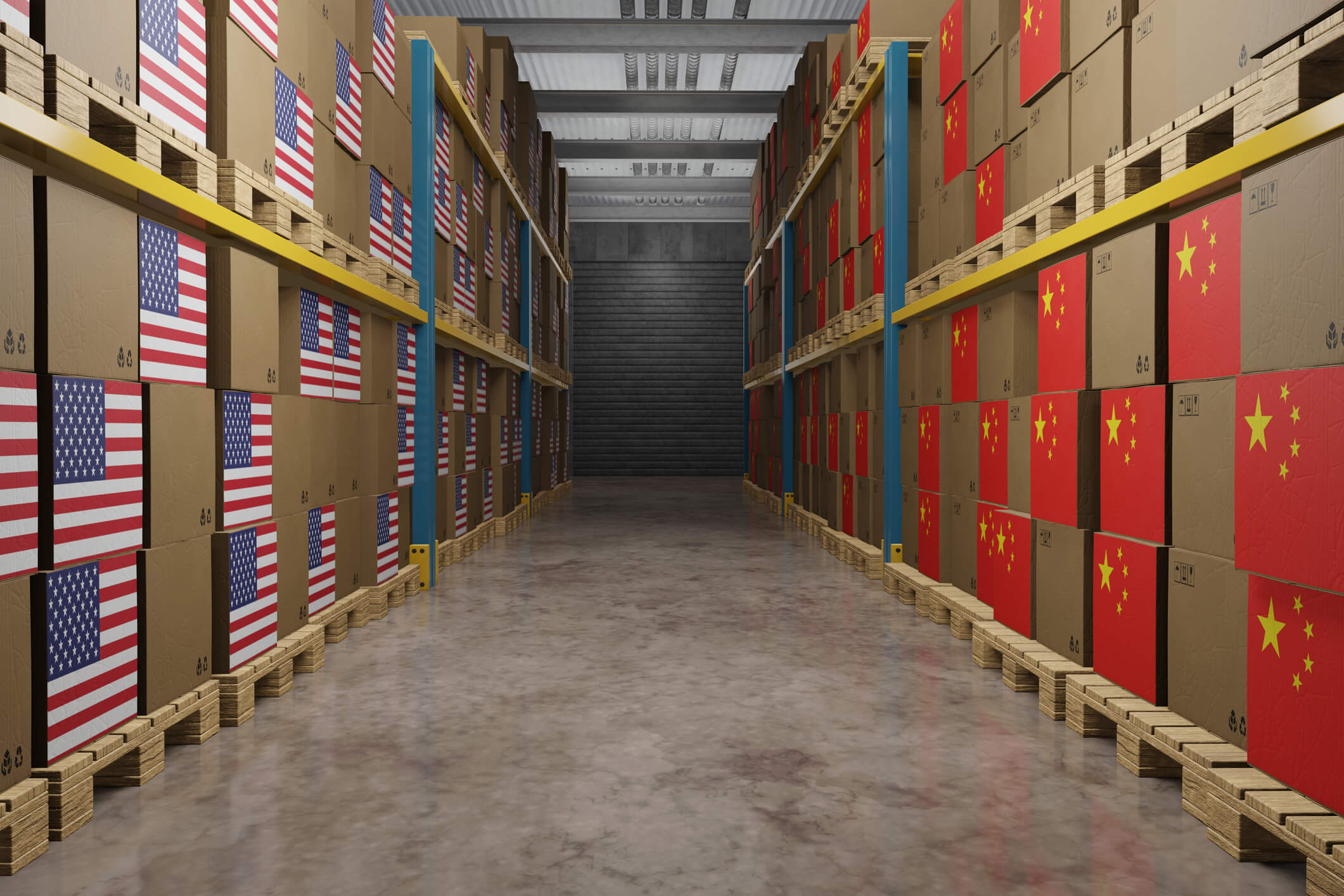
The trade war between the U.S. and China is turning into an MMA-style cage match. President Donald Trumpjust announced 100% tariffs on Chinese-made goods, while President Xi Jinping has slapped a near 100% ban on critical minerals from China into the U.S. Xi’s move makes the heart of the conflict clear: The ultimate winner will be the country that dominates critical minerals mining supply chains and the innovative energy that critical minerals make possible.
By Drew Bond4 min readOctober 29, 2025
→
Conservation
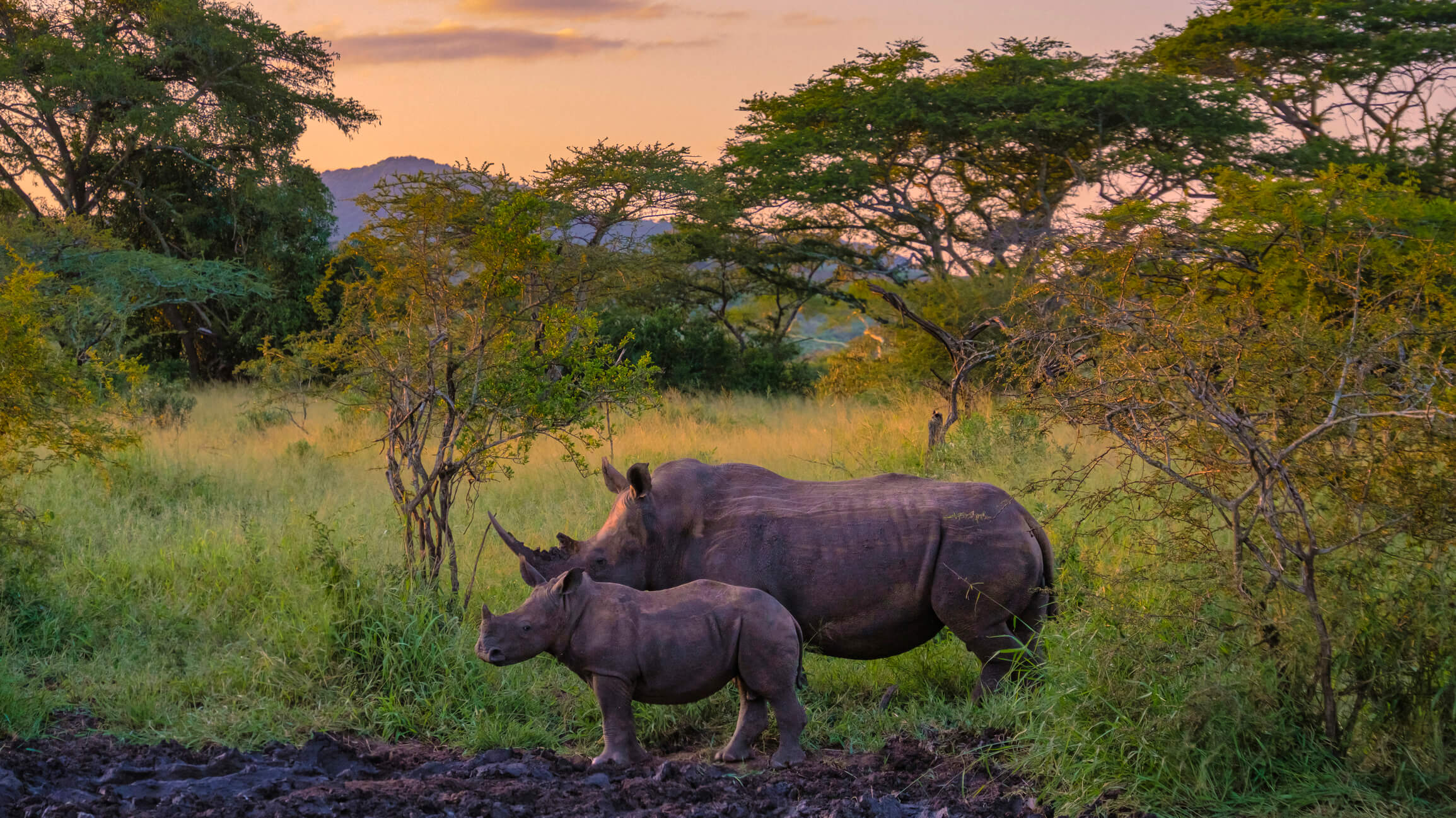
What we didn’t see reported was the actual progress made during the sessions (or outside the sessions). An important event quietly brought together the leaders of Botswana, Mozambique, Namibia, and South Africa, along with bipartisan leadership from Congress, and philanthropists representing the Walton Family to the Bezos Earth Fund, all around a central theme of conservation and international cooperation.
By Drew Bond4 min readOctober 9, 2025
→
World
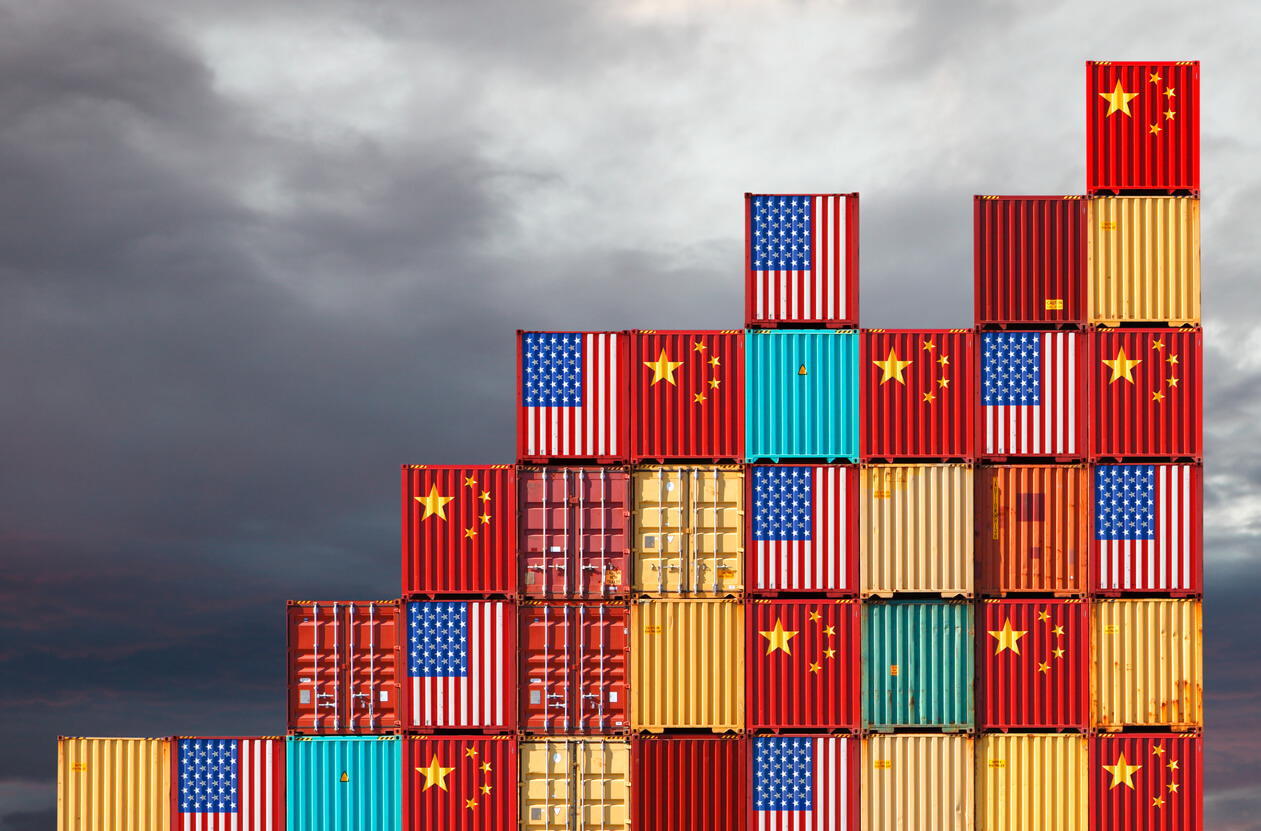
President Trump’s comments drew quick condemnation, with California Governor Gavin Newsom arguing the US is “ceding our leadership to China.” But anyone seriously claiming that China is a global leader on climate policy has not been paying attention.
By David Kemp3 min readOctober 6, 2025
→
Energy
“The West does not need to develop a home-grown substitute for the entire Chinese rare-earth industry to reduce the threat China’s monopoly poses,” the Economist article concluded. Indeed, “the West could ‘significantly derisk’ by cutting its reliance on China to 60-70 percent of consumption. That would provide sufficient alternative supply for the most critical uses.”
By Drew Bond4 min readOctober 1, 2025
→
Policy
The United States faces a growing strategic challenge: China has emerged as the world’s dominant energy financier, outpacing the U.S. nearly ten-to-one in global markets and establishing itself as a primary partner in key nations like Brazil. This first-of-a-kind analysis of U.S. and Chinese energy finance shows that, since 2015, China has outpaced the U.S. by more than 100x in public energy finance in Brazil, $60B to $472M.
By Casey Kelly, Jacob Kincer, Justin Williams, and Will Bryant3 min readSeptember 23, 2025
→
