
Infrastructure
Leveraging Xylem's 'smart sewer' technology, the community of South Bend, Indiana, was able to save around $400 million in planned infrastructure spending... roughly one billion gallons of polluted water are now prevented from contaminating the St. Joseph River every year.
By Nathalie Voit2 min readSeptember 2, 2026
→
Energy
Rather than causing disparate groups to come together to recognize the importance of all forms of energy, oil prices have resulted in some pushing harder for oil and gas and others pressing harder for solar, wind and batteries. This is a false dichotomy. Both are needed.
By Scott Tinker4 min readAugust 20, 2026
→

Environment
Here is a fact that should embarrass every climate activist: States with the most liberated energy markets in America are producing better environmental outcomes than the green mandators of Europe — and doing it without impoverishing their people in the process. Freedom, it turns out, is a remarkably effective environmental policy.
By Drew Bond5 min readJuly 21, 2026
→
Energy
Two hundred and fifty years young, the United States of America remains the best country in the world. We’re not perfect, but we still pass “the gates test” with flying colors.
As the longtime conservative leader Bill Bennett noted in highlighting the Berlin Wall, “You can measure a nation’s worth by observing the flow of humanity when barriers are raised: do they fight to enter, or do they risk everything to escape?” In America, people are still desperately trying to get in, and for good reason.
By Drew Bond6 min readJune 23, 2026
→

Energy
Yesterday, the United States and Iran signed an agreement to end the war. The 14-point Memorandum of Understanding (MOU) includes an immediate and permanent end to military operations, the lifting of the U.S. naval blockade, and the reopening of the Strait of Hormuz. It is a preliminary deal, not a final settlement, and sets a maximum 60-day deadline to negotiate a final agreement.
By David Kemp4 min readJune 18, 2026
→
World
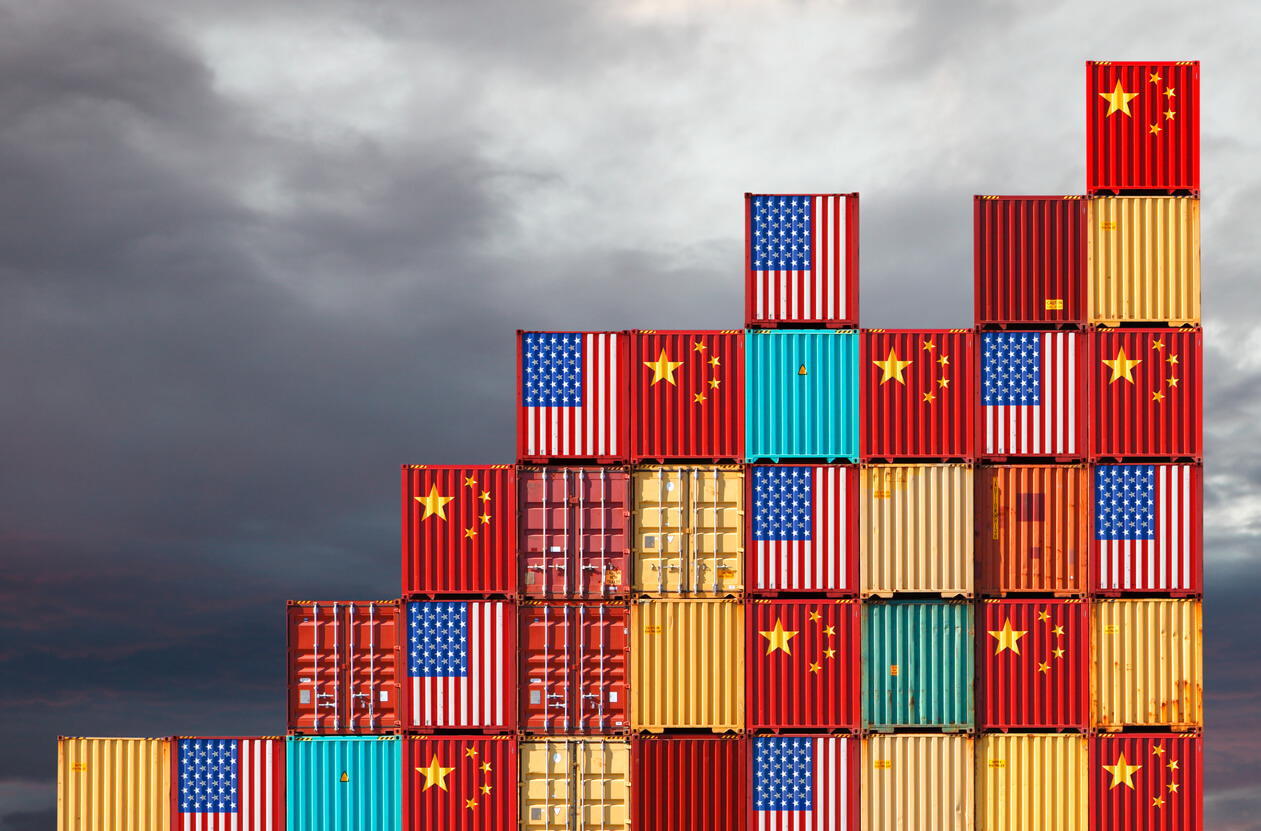
As the Iran war continues, oil prices keep rising. Gasoline has climbed to over $4 per gallon for the first time in four years. The ripple effects are spreading across the economy as markets that depend on affordable crude begin to absorb the disruption of roughly one-fifth of the world’s oil and liquefied natural gas that normally passes through the Strait of Hormuz. Everything from airline tickets to groceries is seeing upward pressure as the prices of jet fuel, diesel, and fertilizer all rise.
By David Kemp4 min readApril 6, 2026
→
Energy
While it still seems to be a long way off, Iran and Trump seem to be considering the conditions they need to make peace. As I’ve noted in past Low-Energy Fridays, peace is better for the economy than war, which destroys productive resources and erodes investor confidence. But we must also understand that the way in which this peace is achieved may impact energy markets in the long term. While any peace is generally better economically than the status quo, risks caused by the war may remain even after a deal is made.
By Philip Rossetti3 min readMarch 30, 2026
→

Energy
China’s monopoly on rare earth elements is not accidental. The United States, once the world leader in rare earth element production, helped create its own decline as environmental regulations and shifting industrial economics pushed production capacity offshore, allowing an increasingly adversarial nation to gain leverage over materials essential to defense systems and advanced technologies. Reasserting U.S. independence will require rebuilding our domestic supply chain and renewed coordination between government and industry.
By Aurelia S. Giacometto4 min readMarch 18, 2026
→
World
America's energy future is often framed as a binary choice between fossil fuels and a clean energy transition. But that framing is misleading, and acting on it could worsen both our energy bills and our climate outcomes. Domestic oil and gas production remains critical to energy affordability, grid reliability, and even near-term emissions reductions.
By Prasanna Pydipalli4 min readMarch 10, 2026
→

Energy
Harvesting from the sea floor is the most environmentally sustainable way to obtain the minerals we need. These nodules can be harvested using specialized, deep-sea vessels. Seabed nodules sit exposed on the ocean floor, allowing collection without significant disruption.
By Drew Bond4 min readFebruary 18, 2026
→
