Environment
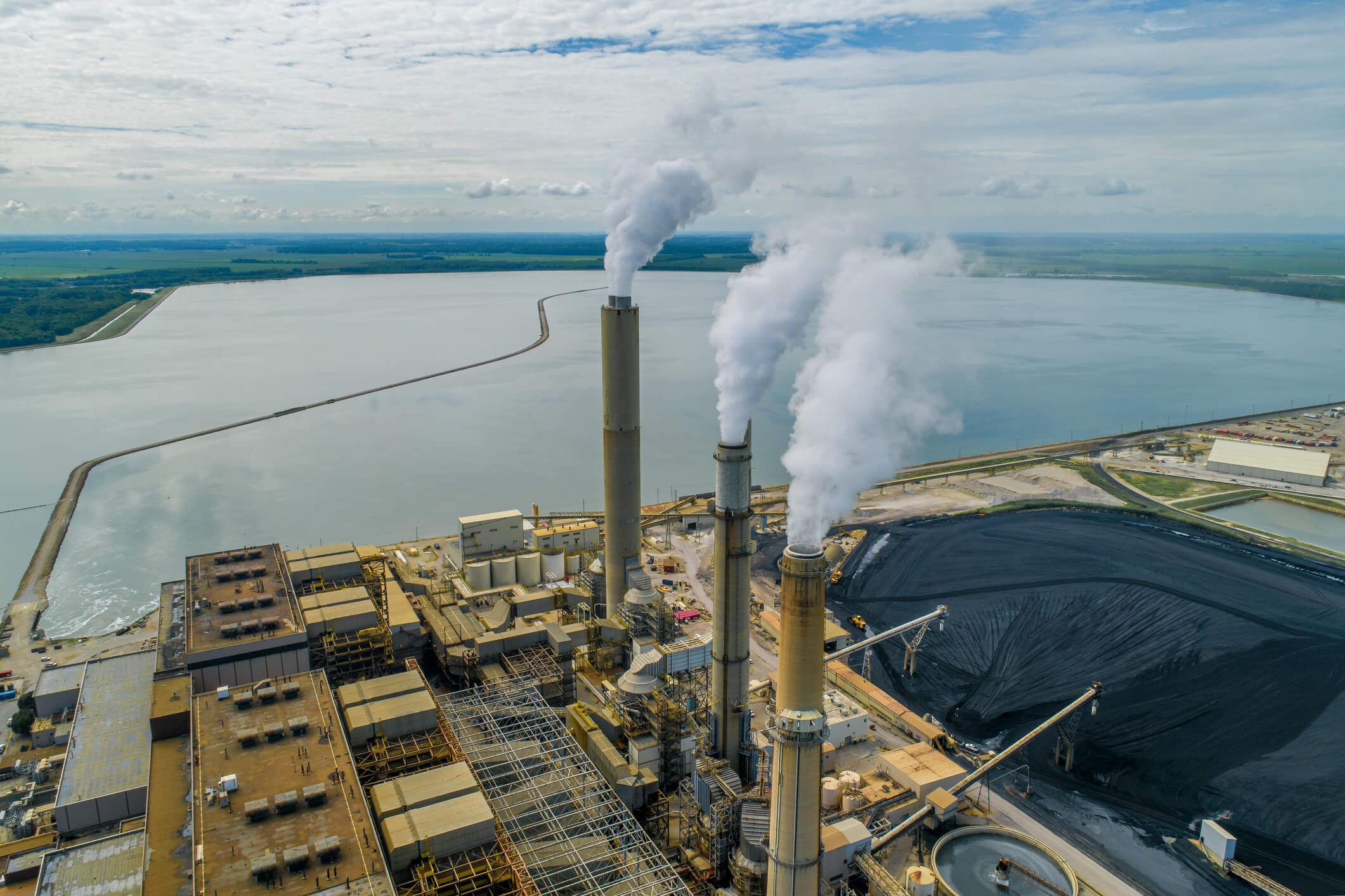
Across the United States, billions of tons of industrial waste could hold the key to revitalizing the country’s struggling critical metals sector. PHNX Materials is unlocking that opportunity by transforming waste into high-value materials for the agriculture, semiconductor, and building materials industries.
By Nathalie Voit3 min readMay 27, 2026
→
Energy
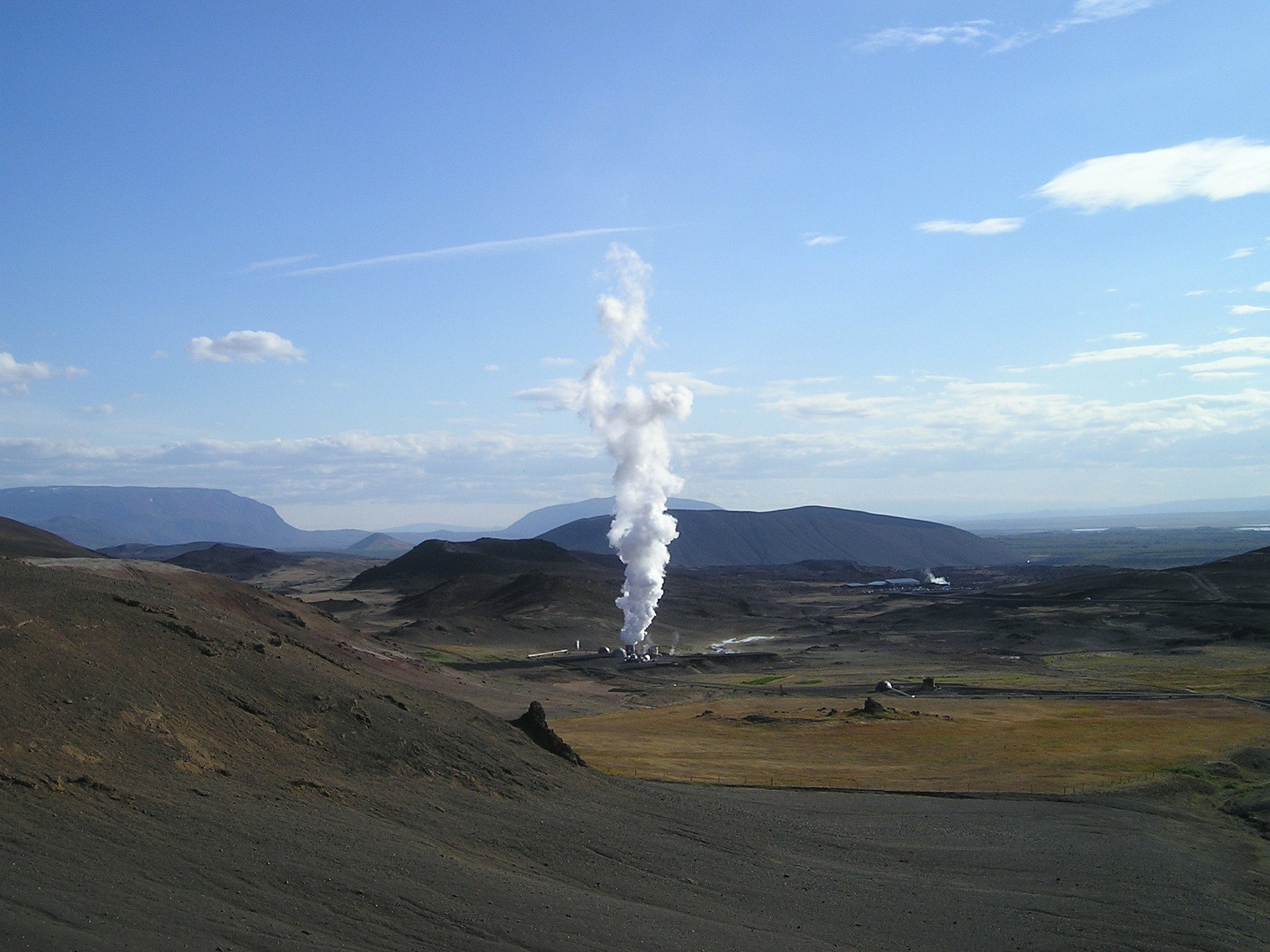
The Department of Energy’s Hydrocarbons and Geothermal Energy Office (HGEO) is allocating $14 million to fund field-testing of next-generation geothermal technologies. According to an announcement on April 14, the Pennsylvania-based enhanced geothermal systems (EGS) pilot project will reuse existing oil and gas infrastructure to test the potential of geothermal energy in the eastern U.S., where resources are less accessible due to the region’s unfavorable geology.
By Nathalie Voit3 min readMay 13, 2026
→
Energy
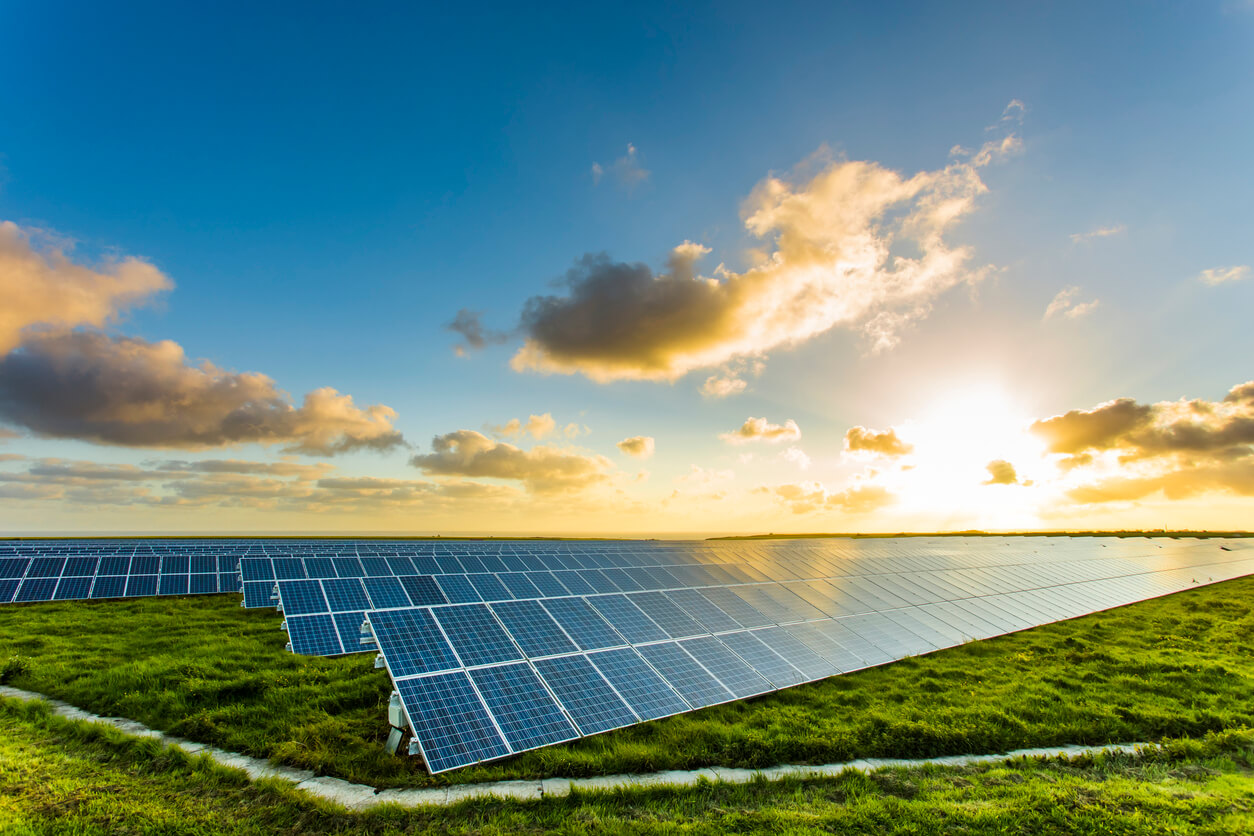
Solar power is now among the cheapest forms of electricity on Earth. Yet the industry still behaves as if it can’t survive without government support. Since President Donald Trump signed the “One Big Beautiful Bill” last July 4, the solar industry has sounded alarms.
By Drew Bond4 min readApril 29, 2026
→
Tech
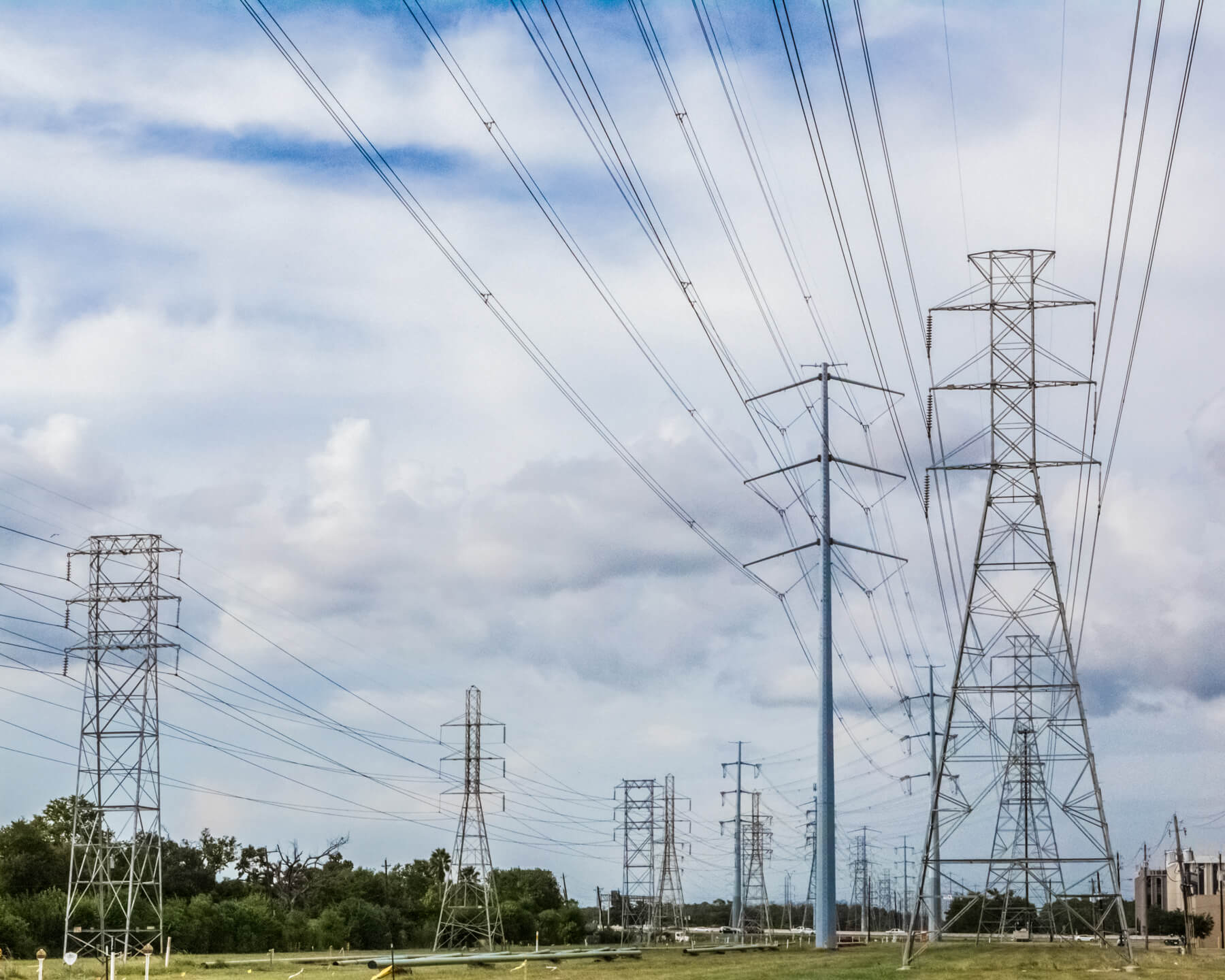
Texas has long stood apart from national energy policy—its own grid, its own rules. In 2026, that independence has made it the top destination for AI-driven electricity demand. While Washington grapples with the pressures of building data centers, ensuring reliability, and controlling costs, Texas is tackling everything at once. The Electric Reliability Council of Texas (ERCOT) market is solving for speed-to-power by surmounting transmission bottlenecks, phantom load growth, buying down residential rate increases, and more.
By Arushi Sharma Frank7 min readApril 13, 2026
→
Energy
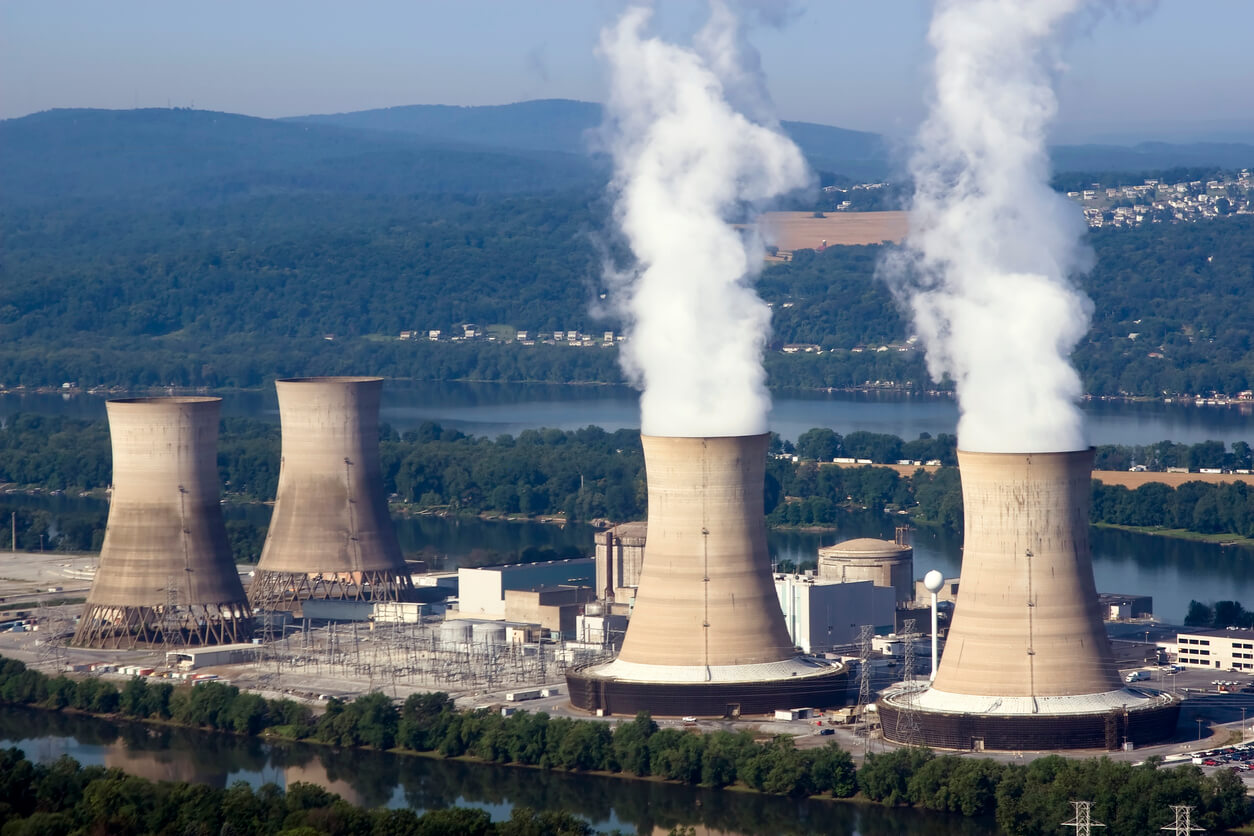
After the Iran war ends and the Strait of Hormuz opens, gas prices will fall. But when the next crisis comes, we’ll be happy for every nuclear reactor we have, large and small. So let’s build.
By Drew Bond4 min readApril 9, 2026
→

Energy
When President Trump stood before Congress in February 2026, he delivered a stark message to America’s technology leaders: “You have an obligation to provide for your own power needs.” His call to action on behind-the-meter nuclear power for data centers wasn’t mere rhetoric. It was a recognition that the energy demands of artificial intelligence and modern computing require a fundamental shift in how we power our economy.
By Alina Voss4 min readApril 8, 2026
→
Energy
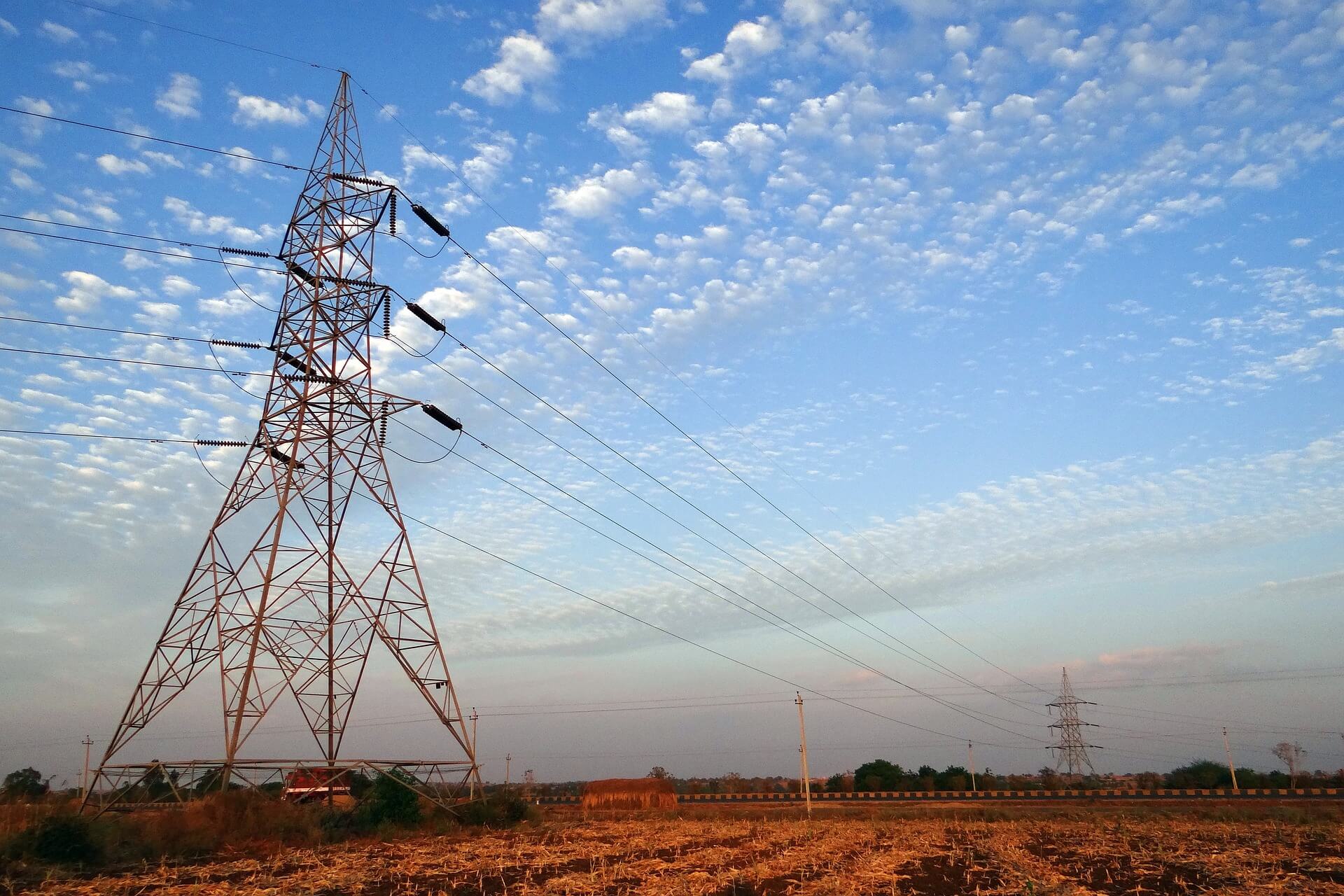
America has an infrastructure problem hiding in plain sight. Too often, when a storm rolls through, millions of homes dark. Politicians hold press conferences, utility companies apologize, and nothing fundamentally changes. The U.S. power grid is not a modern system under routine stress. It is an aging, fragile patchwork operating well past its design life, and the consequences are landing squarely on ordinary Americans and the natural environment around them.
By Adrian Norman4 min readMarch 31, 2026
→
Around the Web
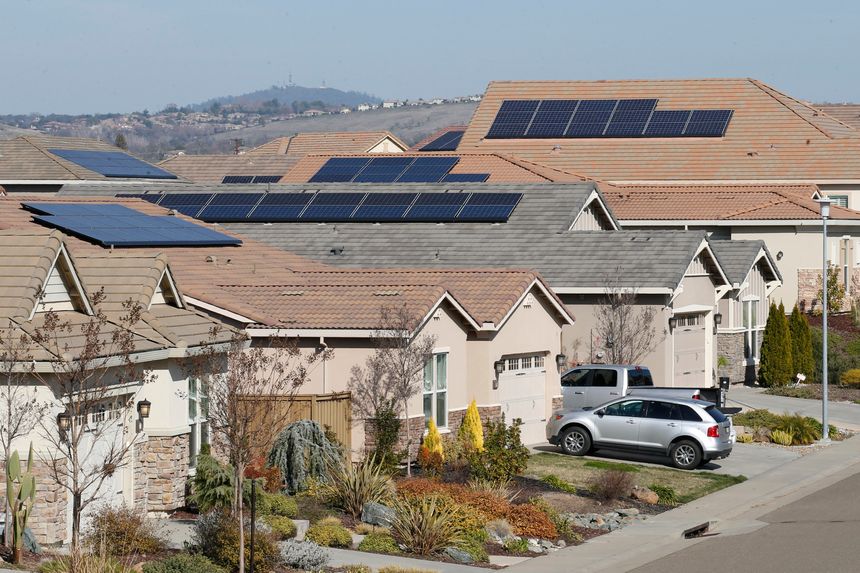
You wouldn't know it from the political debate, but the fastest-growing corner of the American energy market is also one of the most naturally conservative ideas in it: owning your own power. Home battery storage—the ability to store and manage the electricity that runs your household—is attracting growing investment, and greater attention from conservatives could be beneficial, particularly as the midterm elections approach.
By Adrian Norman2 min readMarch 24, 2026
→

Energy
In a welcoming milestone, TerraPower received approval from the Nuclear Regulatory Commission (NRC) for a construction permit for its advanced nuclear power plant in Kemmerer, Wyoming. The review, completed ahead of schedule, provides a hopeful signal that the United States is finally turning the corner on one of the biggest barriers to clean energy innovation: an outdated, slow, and unpredictable licensing and permitting system.
By Nick Loris3 min readMarch 6, 2026
→
Energy
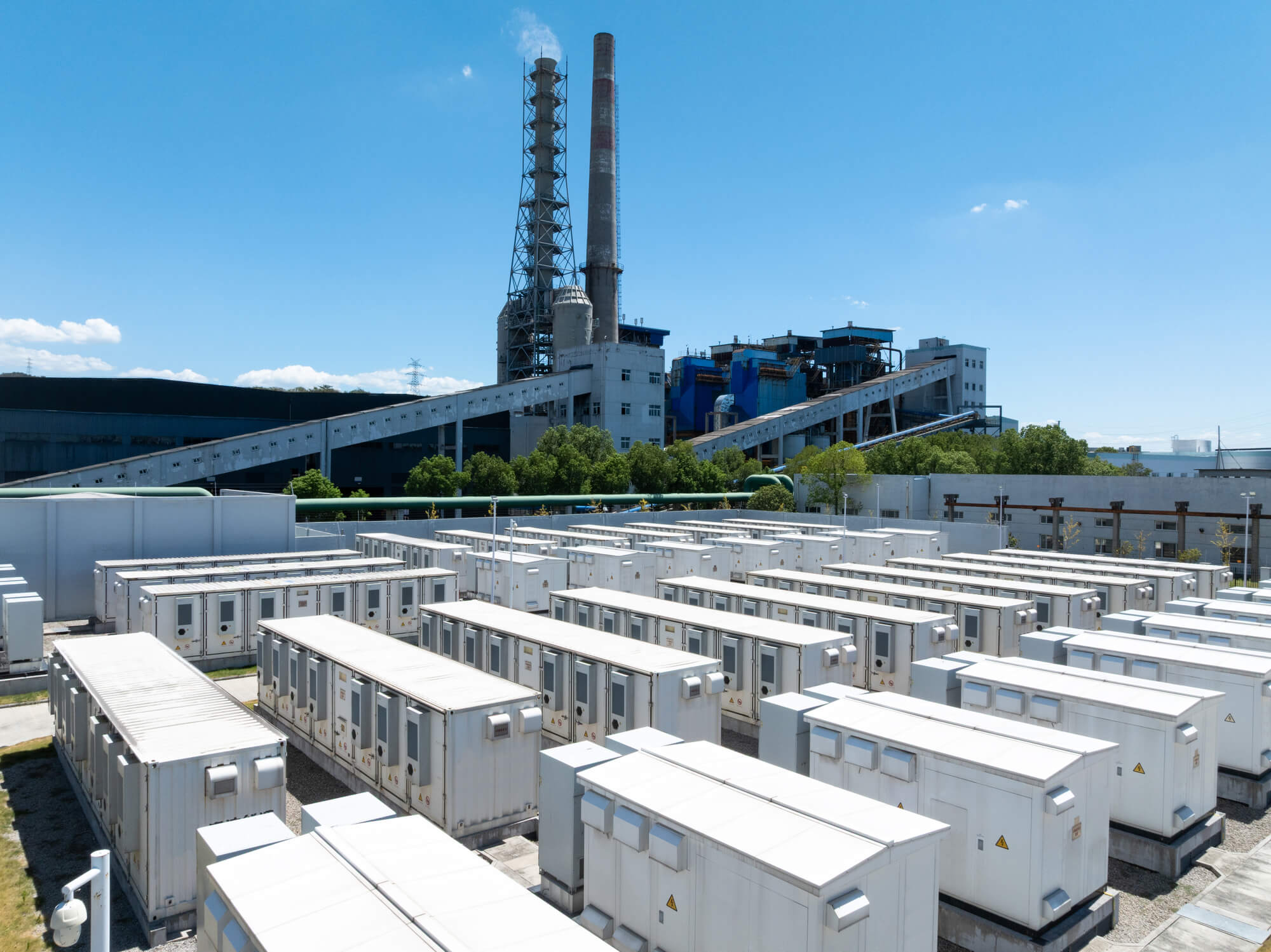
By many measures, the Texas electricity grid was put to the test in 2025. The Electric Reliability Council of Texas (ERCOT) reported near-record power demand, with electricity use in the first three quarters of 2025 up about 5 percent from the prior year – the fastest growth of any U.S. grid. Since 2023, wind, solar, and energy storage have been the fastest-growing sources of electricity in Texas, all helping meet rising demand.
By Matt Welch5 min readJanuary 14, 2026
→
