Energy
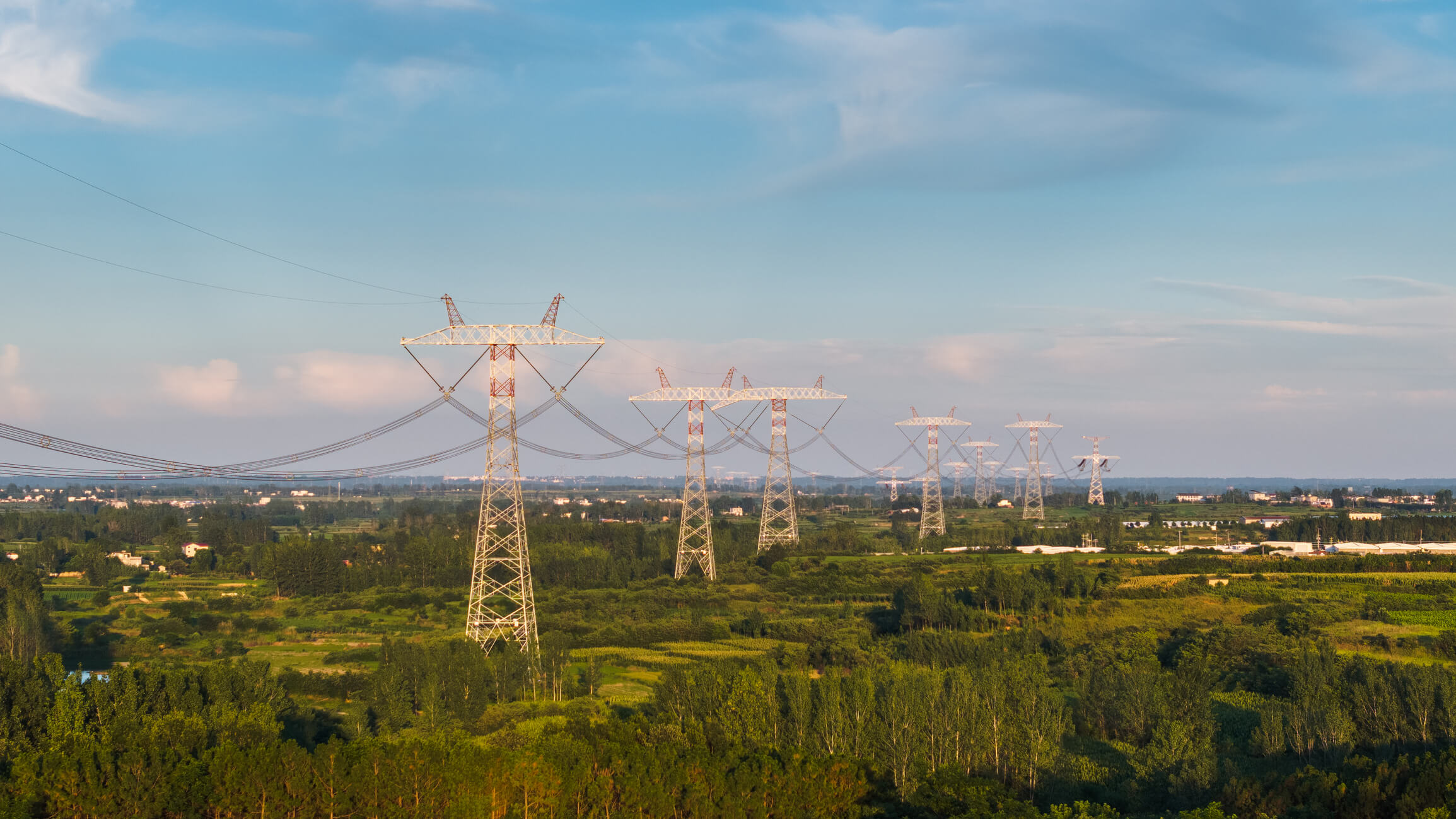
America needs more electric transmission, the high-voltage lines that carry electrons from power plants to communities nationwide. But under today’s policies, building those lines takes too long and costs too much. Without a substantial expansion in transmission capacity, the country is at risk of rising energy costs, a less reliable electric grid, and stymied global leadership in AI.
By Dylan Maxik4 min readMay 20, 2026
→
Policy
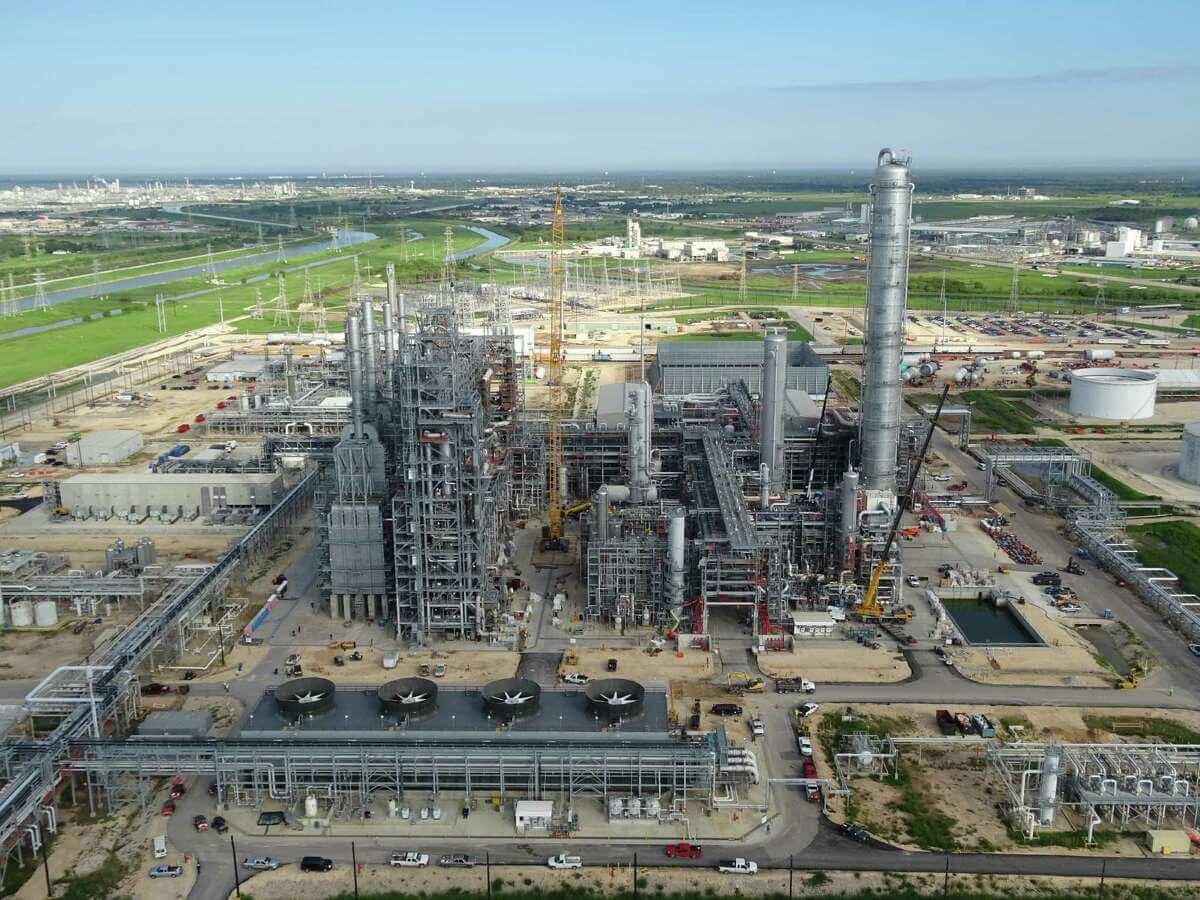
This month, C3 Solutions Action signed on to a bipartisan coalition letter calling for steady, robust federal funding for energy research, development, and demonstration. Addressed to the leadership of the House and Senate Appropriations Committees, the letter highlights the United States’ long history of energy innovation and the importance of maintaining that leadership.
By David Kemp2 min readMay 18, 2026
→

Energy
The national average for gas prices has surpassed $4.50 per gallon, up roughly 45% from a year ago. If Congress passes a bill that allows for year-round higher ethanol content in gasoline (“E15”) without protecting small refineries, Americans’ pain at the pump will only get worse.
By Nick Loris4 min readMay 12, 2026
→
Policy
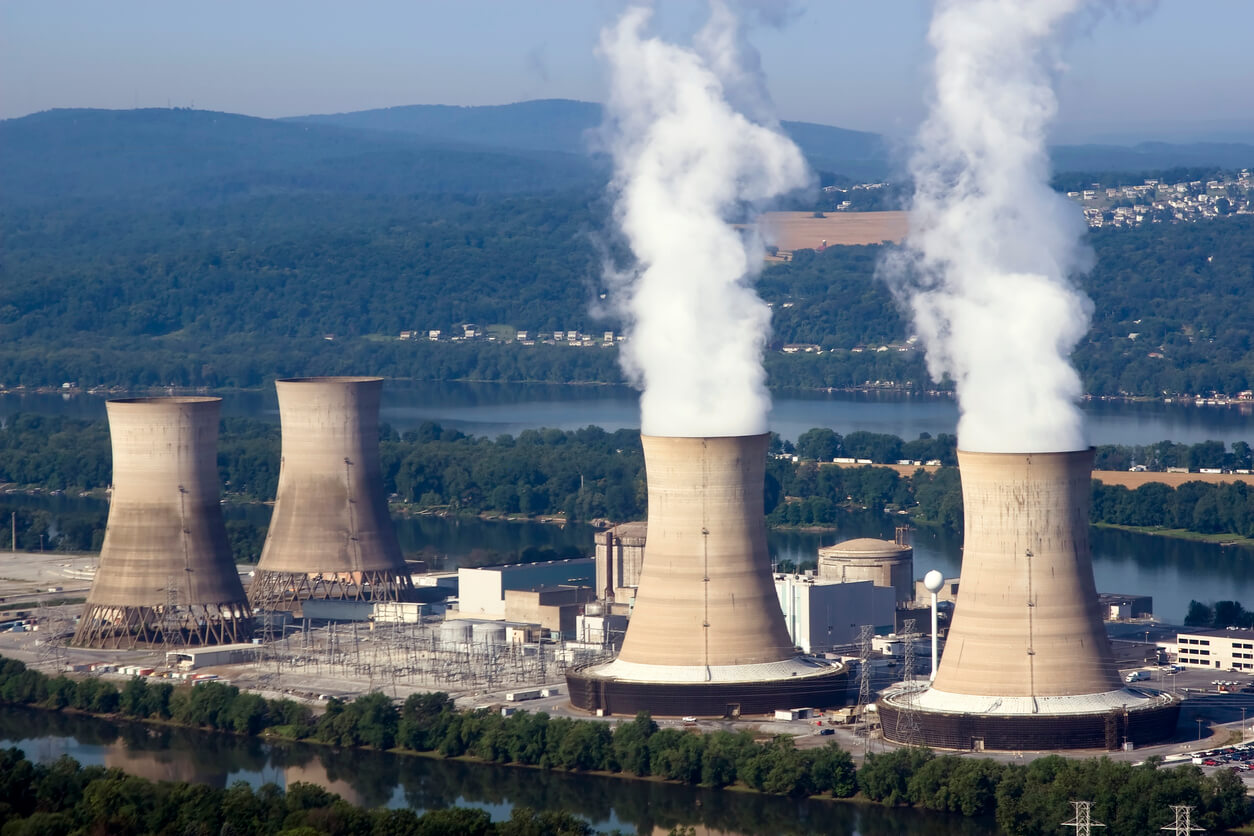
In the coming months, the Nuclear Regulatory Commission (NRC) will finalize a slate of rulemakings that, taken together, represent the most consequential overhaul of America’s nuclear regulatory framework in nearly 70 years. The modernizations will address many significant regulatory cost drivers that have disadvantaged advanced nuclear energy as a reliable, emissions-free, dispatchable source of power. For nuclear energy to be a viable option, it needs to work for the American taxpayer and ratepayer. The NRC’s reforms give all forms of nuclear power a better shot at doing so.
By Nick Loris4 min readMay 11, 2026
→
Energy
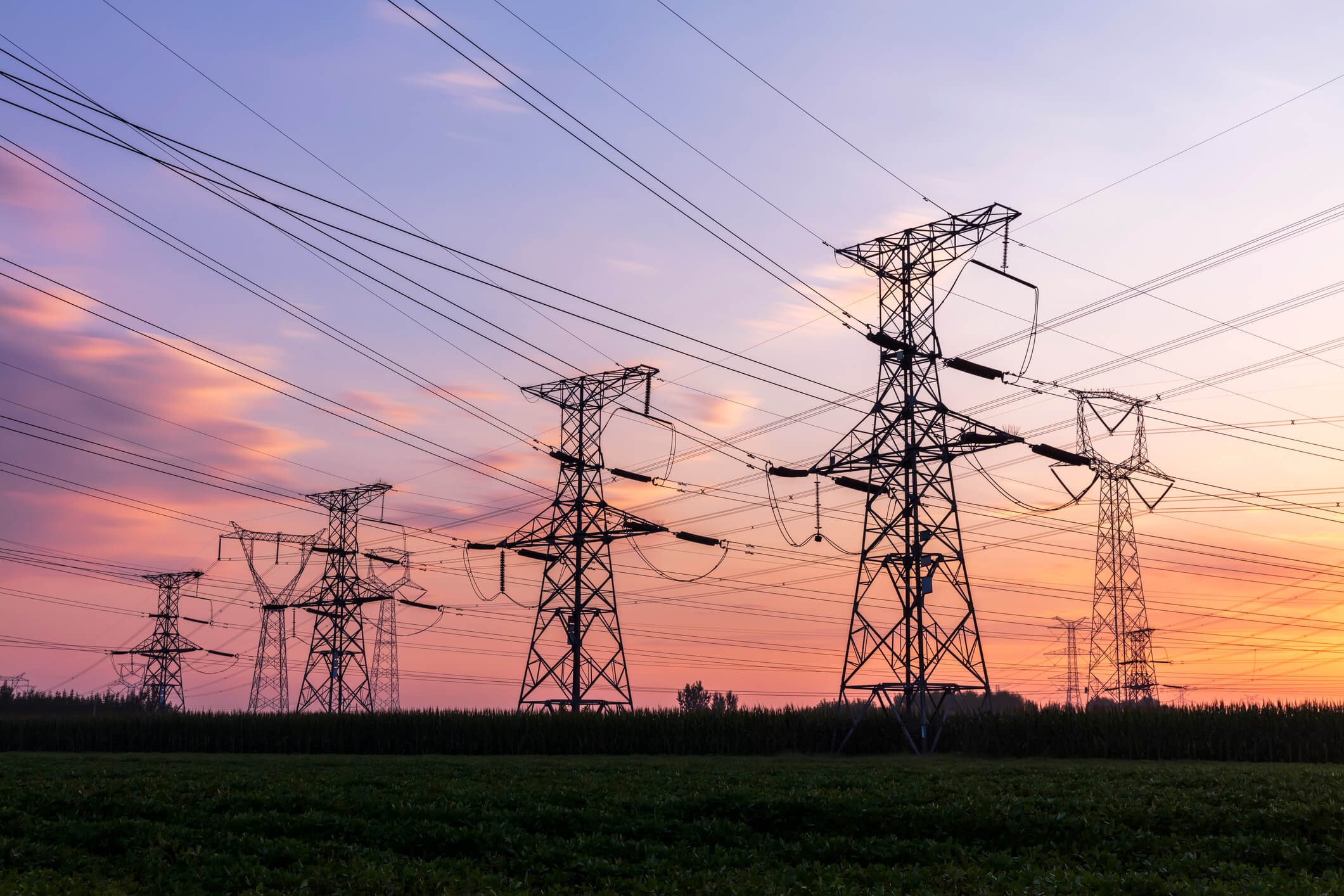
In a rare Level 3 alert, the North American Electric Reliability Corporation (NERC) warns that hyperscale data centers are introducing volatile, hard-to-predict load swings—where gigawatts can drop off the grid in seconds—that utilities aren’t equipped to manage, creating a new reliability risk as electricity demand surges. This comes on the heels of recent Senate and House hearings on the state of the bulk power system and how to meet growing electricity demand while protecting ratepayers.
By Nick Loris4 min readMay 7, 2026
→
Energy
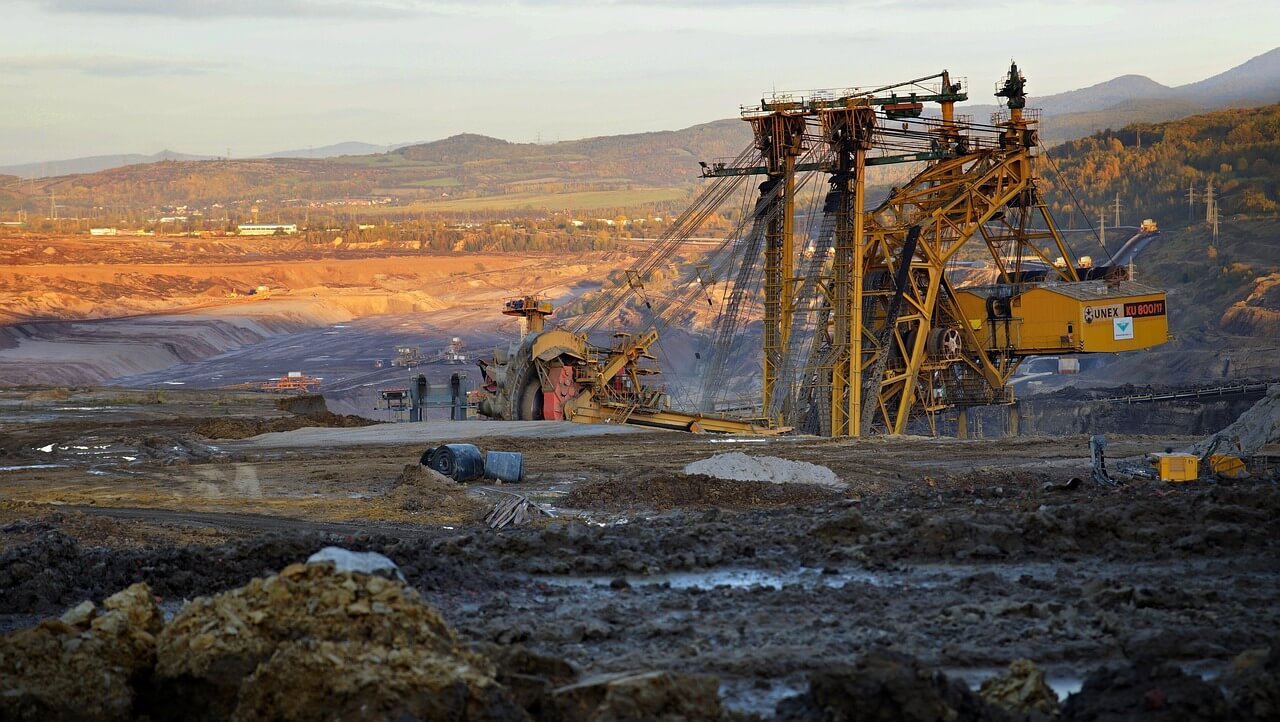
Critical minerals have become a marquee issue in Washington over the past several years, driven by growing concern that the United States and its allies depend too heavily on China for materials that are indispensable to both the civilian economy and the defense industry.
By David Kemp5 min readMay 5, 2026
→
Energy
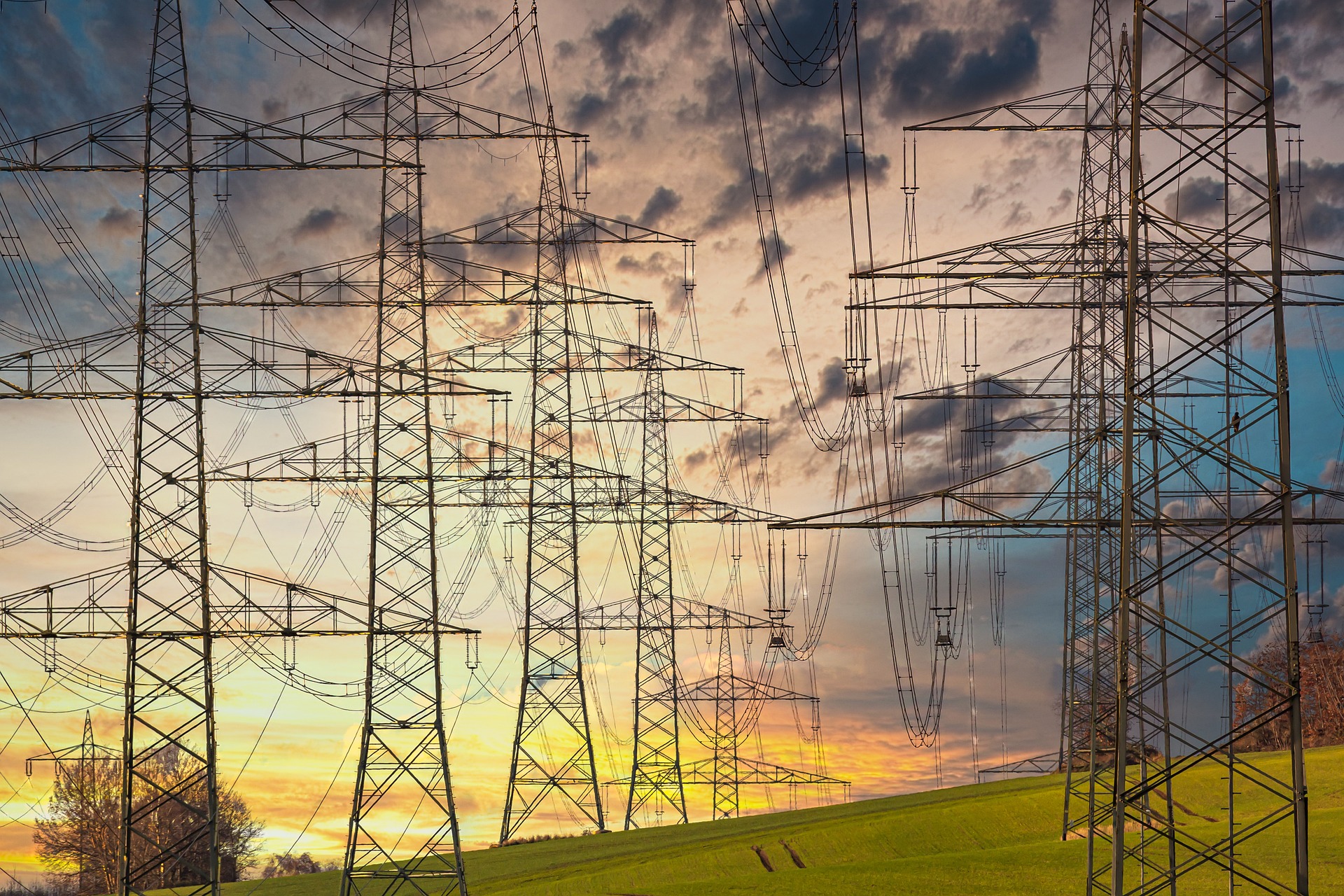
Transmission is one of the most inefficiently regulated forms of infrastructure in the United States. Regulatory flaws reward inefficient projects, underdevelop efficient projects, and underutilize existing infrastructure. This has caused escalating transmission costs to consumers, while the gap between transmission need and infrastructure capacity widens.
By C3 Solutions4 min readApril 28, 2026
→

Infrastructure
The United States is the most energy-rich nation on earth. We have motivated capital, human ingenuity, a wide range of resources, and innovative technologies. With unprecedented energy demand needed in the next few years, the United States needs more power generation, more pipelines, and transmission lines.
By Nick Loris9 min readApril 27, 2026
→
Policy
Affordability has quickly overtaken climate change as the primary focus of energy policy. One reason may be that the climate policies adopted over the past decade are finally starting to bind, imposing added costs at a time of rising electricity demand and, in some parts of the country, higher power bills.
By David Kemp3 min readApril 23, 2026
→

Infrastructure
The National Historic Preservation Act (NHPA) was enacted in 1966 to protect America’s cultural heritage at a time when rapid development was destroying historic sites. Its core process, Section 106, requires federal agencies to consider how projects they fund, permit, or carry out affect historic and cultural resources. Though well-intentioned, nearly six decades later, Section 106 has become a source of uncertainty, delay, and rising costs for energy, transmission, and conservation projects.
By Cecilia Fassett4 min readApril 16, 2026
→
