
Around the Web
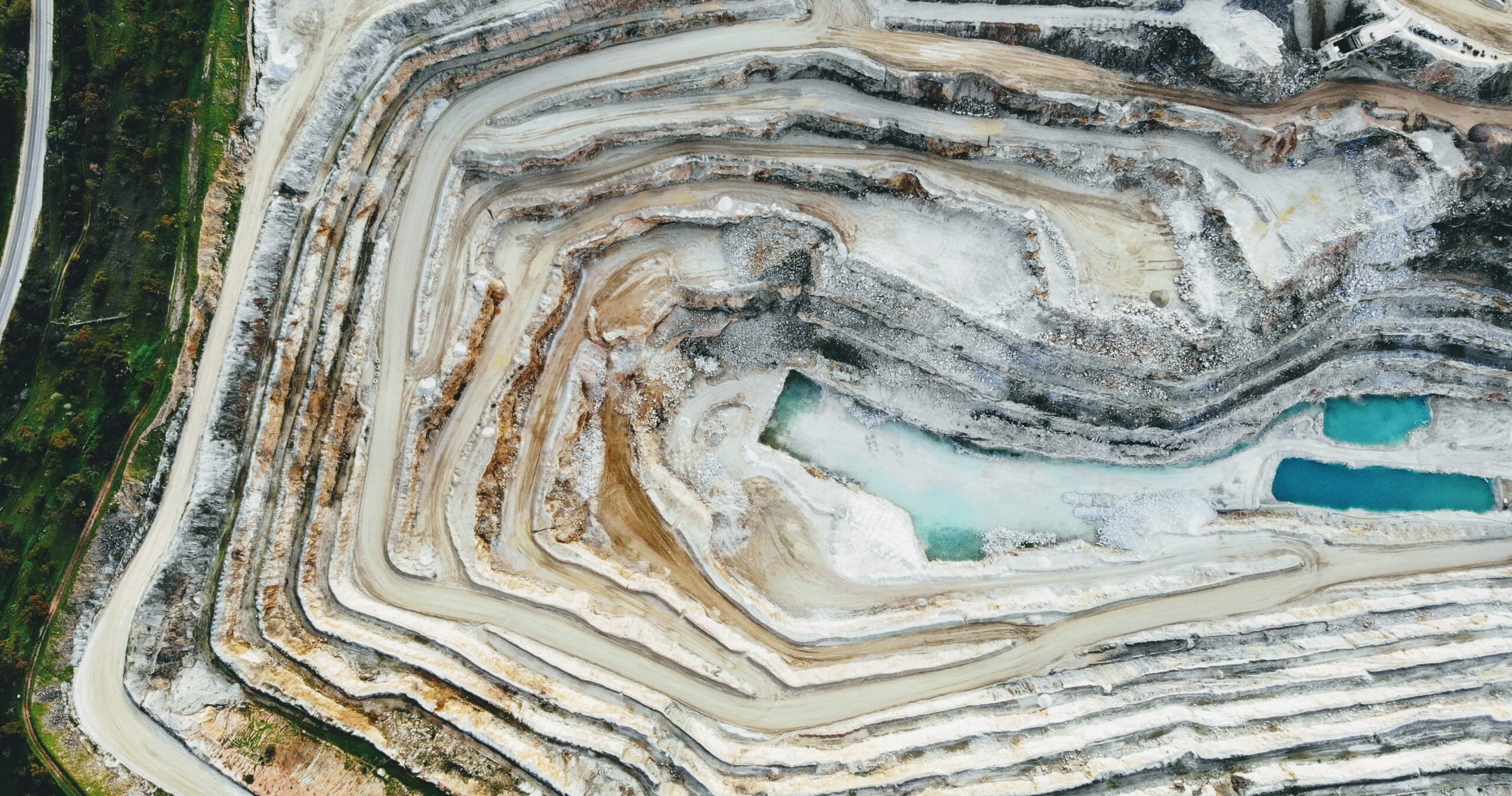
America’s Critical Mineral Bottleneck Is a National Security Risk
The bold vision for America’s clean energy rests on an extremely fragile foundation. The United States is highly dependent on foreign countries for crucial minerals.
The archive
Around the Web
The bold vision for America’s clean energy rests on an extremely fragile foundation. The United States is highly dependent on foreign countries for crucial minerals.
Economics
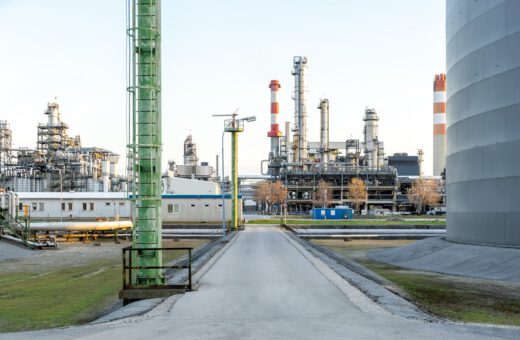
Last year, in one of his first actions on inauguration day, President Donald Trump signed an executive order directing federal agencies to stop using the social cost of carbon (SCC) when weighing the costs and benefits of regulations. The decision prompted predictable outrage from many environmental activists, climate scientists, and economists, who argued that abandoning the SCC would strip climate regulations of their scientific grounding.
Transportation
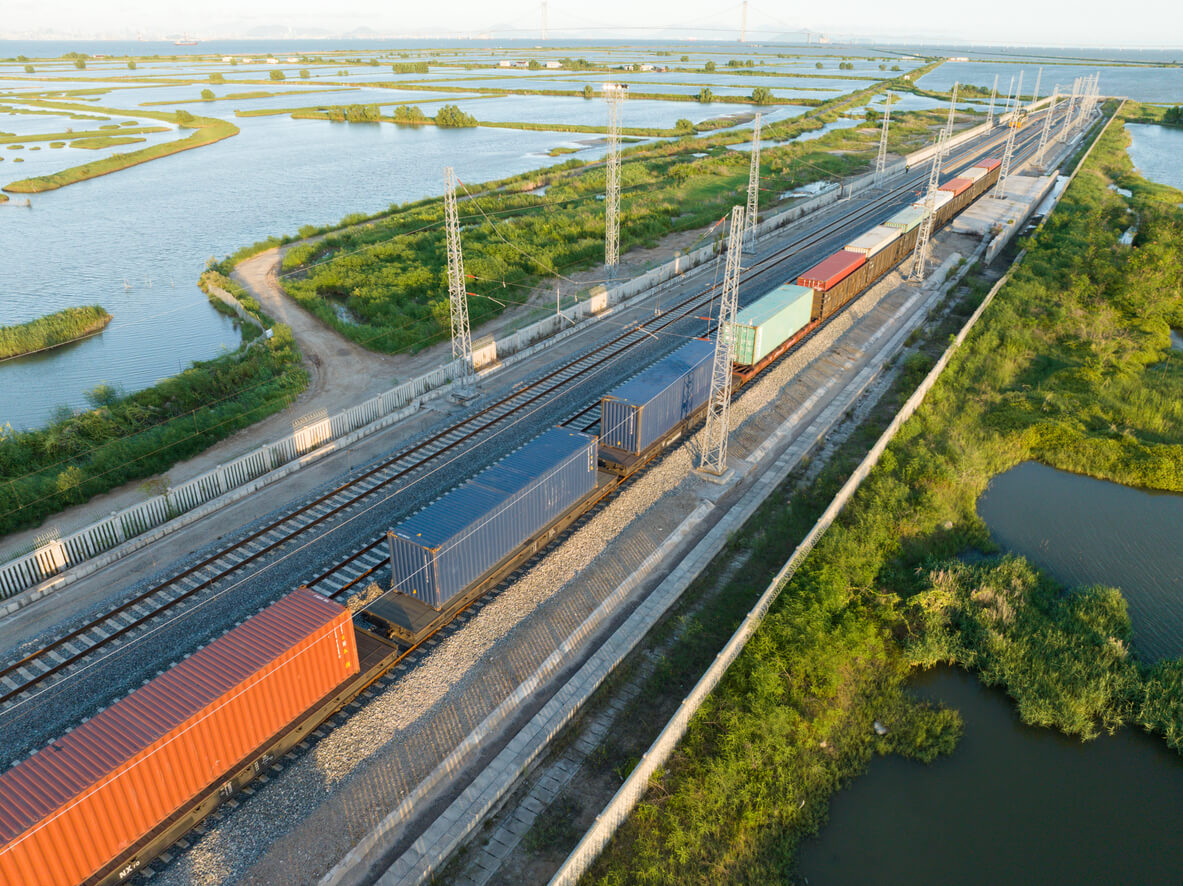
From global pandemics to port congestion, extreme weather and rising transportation costs—our nation’s supply chains have been put to a severe test. New analysis from the Association of American Railroads (AAR) shows that some freight networks are inherently more stable during these disruptions.
Economics
Artificial intelligence may be the future, but the public isn’t convinced it’s the future they want. Even as companies, investors, and the federal government invest heavily in this transformative technology, the American people remain skeptical. A third of Americans are concerned about AI, nearly half think AI will cause “significant job losses,” and less than half think the government will regulate AI well.
Energy
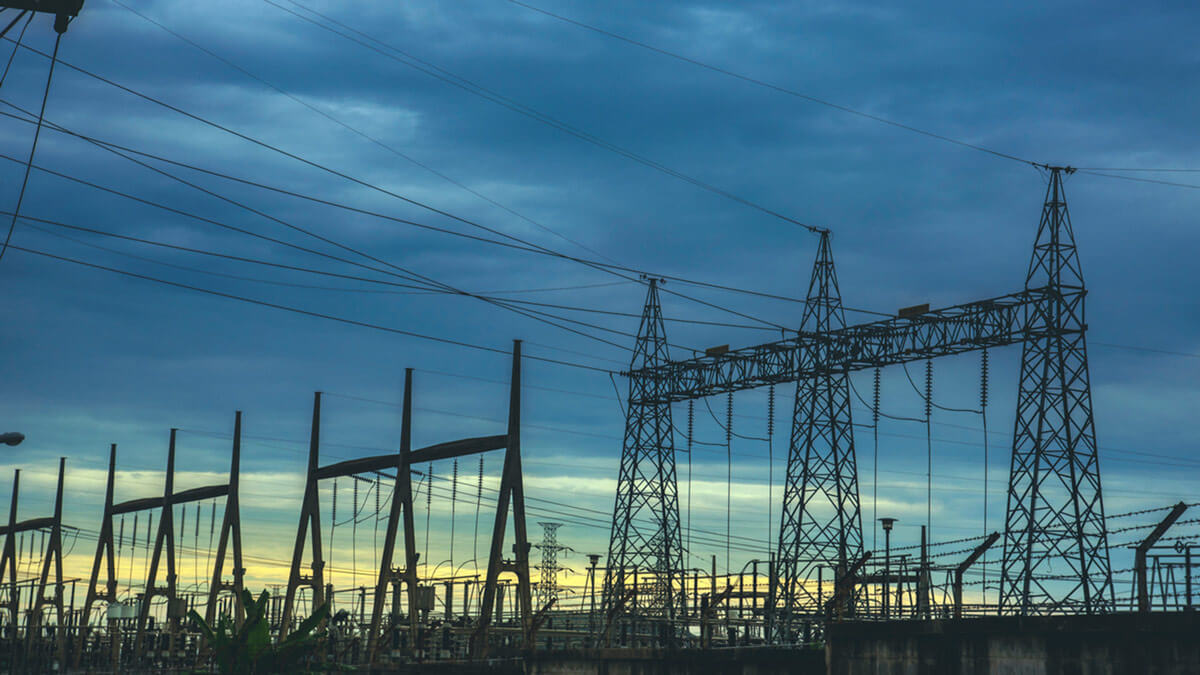
Advocates of large-scale transmission expansion have recited a simple slogan for years: There is no transition without transmission. By this, they mean that the shift to renewable energy will require vast new power lines. Whatever one thinks of climate policy, that argument no longer carries much weight. The relevant question now is whether building more transmission will make electricity more affordable.
Energy
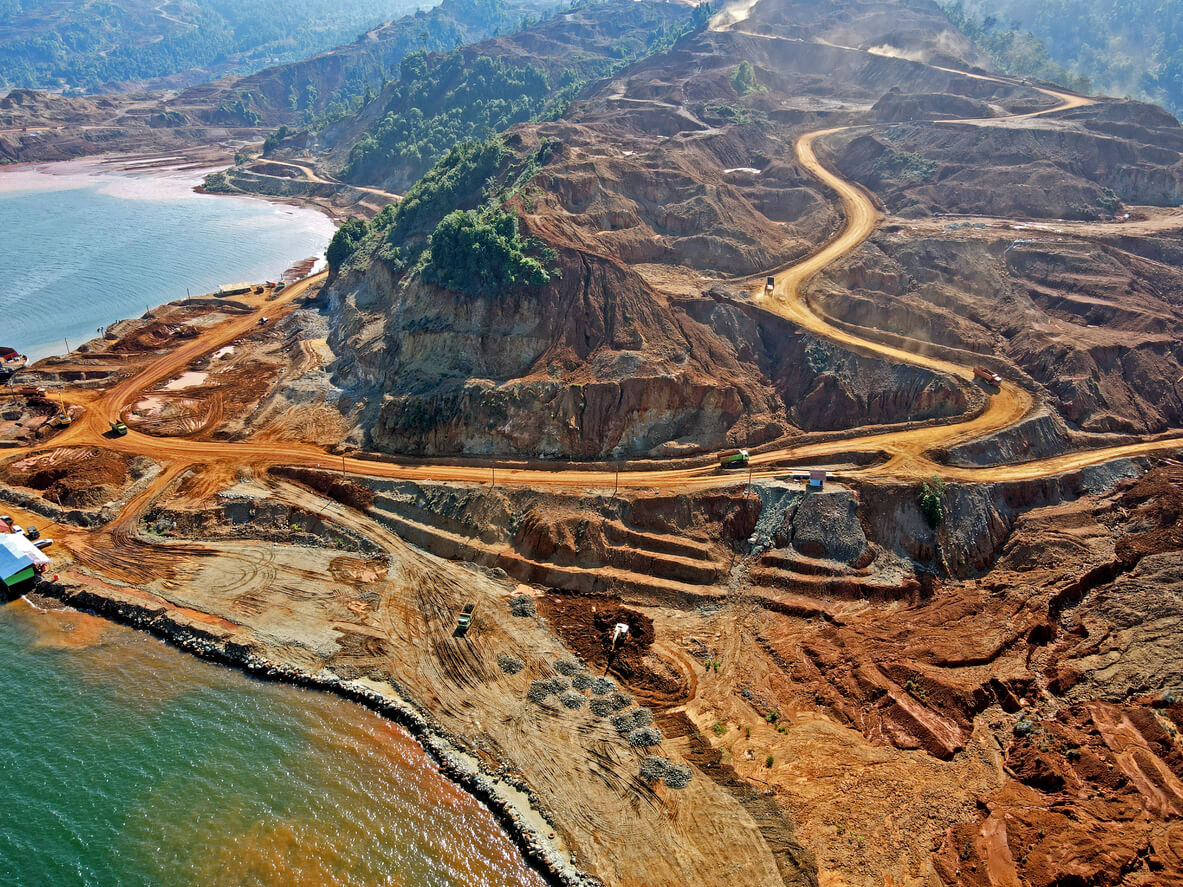
Earlier this year, China sent up a red flag. Its Ministry of Commerce introduced export restrictions that immediately reduced the international supply of seven rare earth elements. The move followed President Trump’s tariffs on Chinese goods, but it reminded Americans that we are always vulnerable. We need a source of rare earth elements that isn’t spelled C-H-I-N-A.
Energy
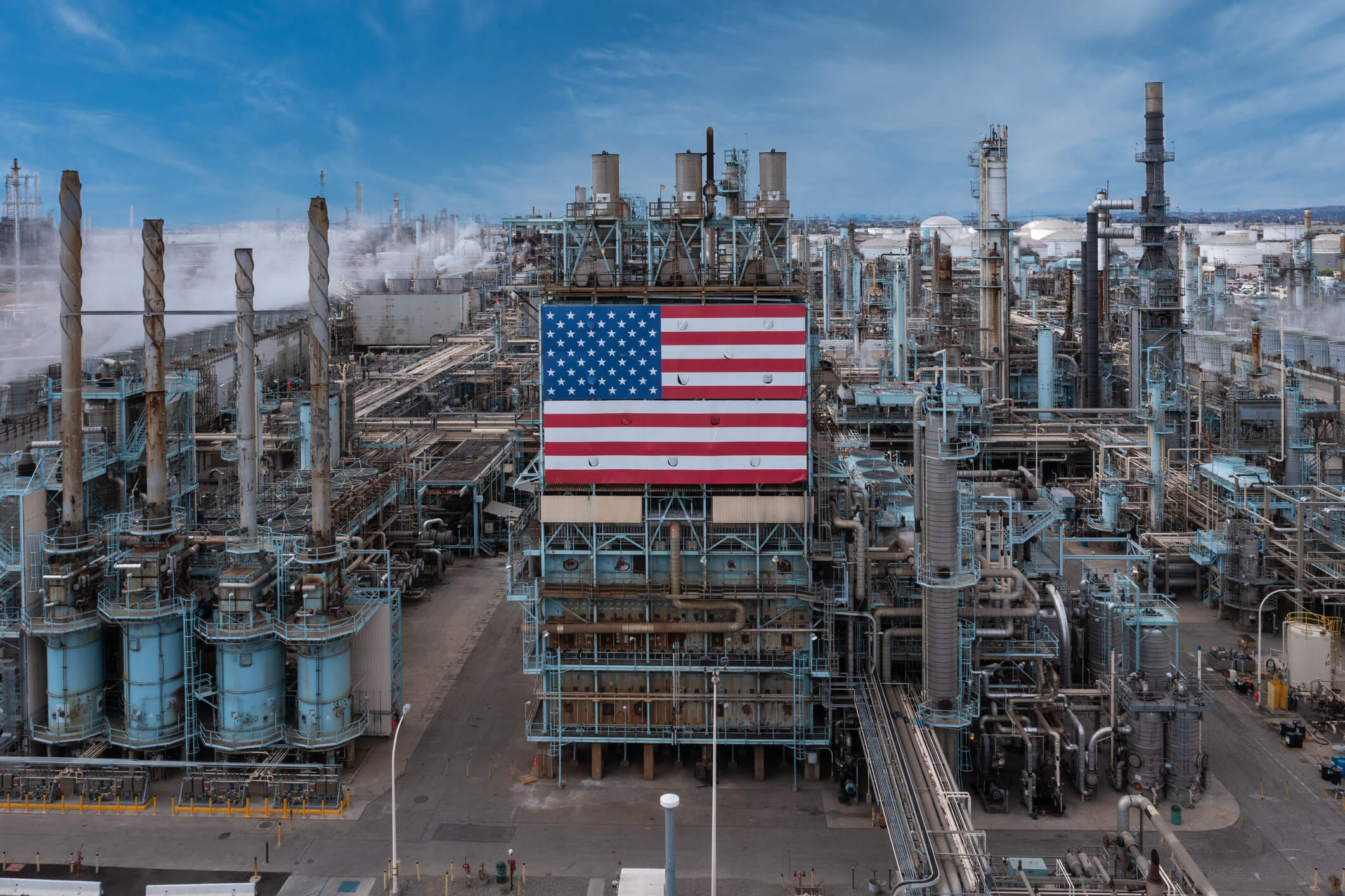
While domestic energy demand surges, our adversaries — led by China, the world’s dominant energy financier — are outpacing us in investments in innovative R&D and critical infrastructure. To win this competition, the federal government must enable the U.S. energy sector to compete in technology areas where the financial risk is too high for the private sector to bear alone. One of the U.S. government’s more powerful tools is loan guarantees.

Culture
Long before climate policy became a hotbed for political debates, America had already trailblazed one of the most impactful tools for protecting the environment: conservation. From the restoration of rangeland, wetlands, and forests to the creation of national parks, America has a rich, bipartisan tradition of properly natural landscapes.
Culture
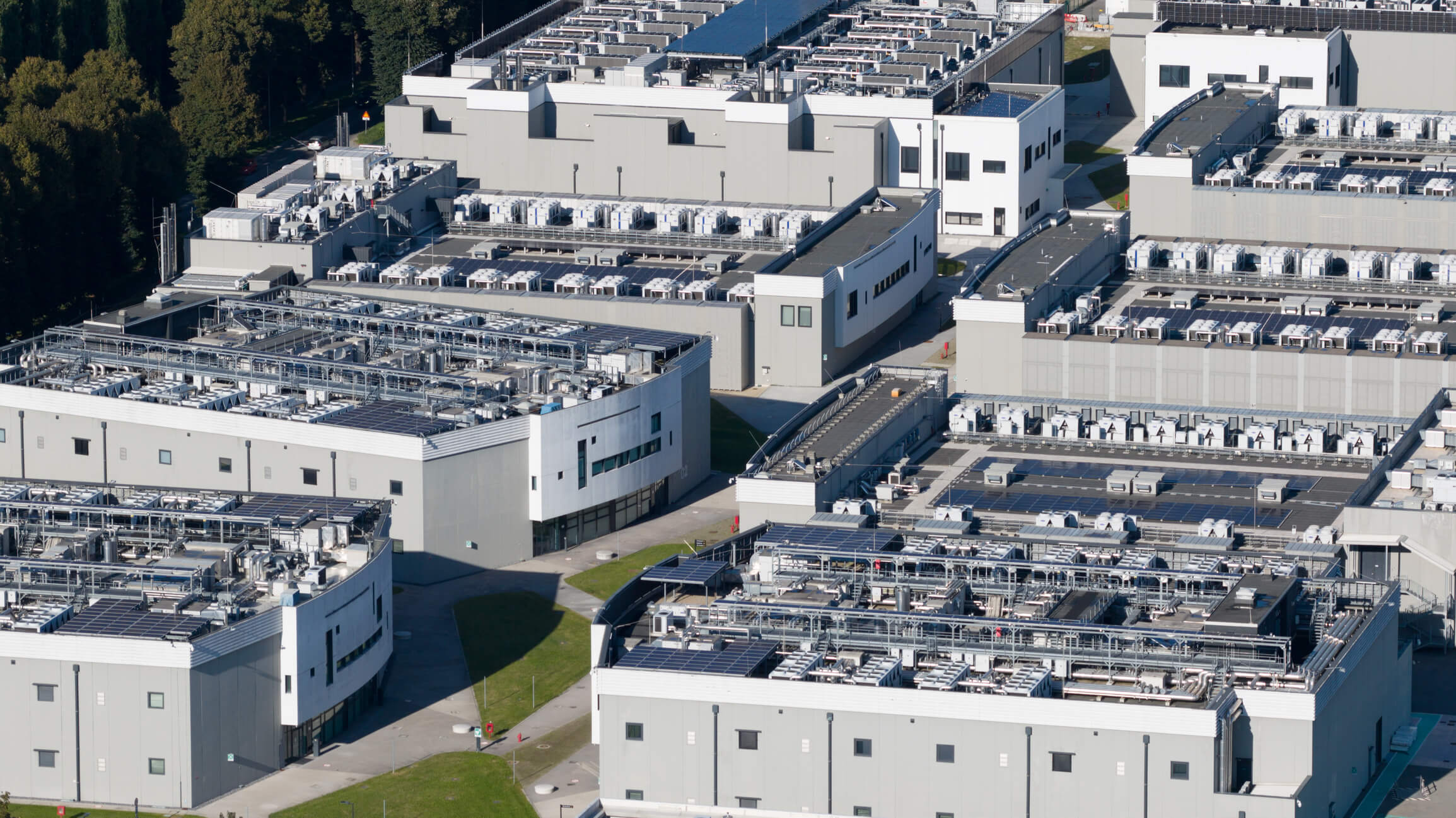
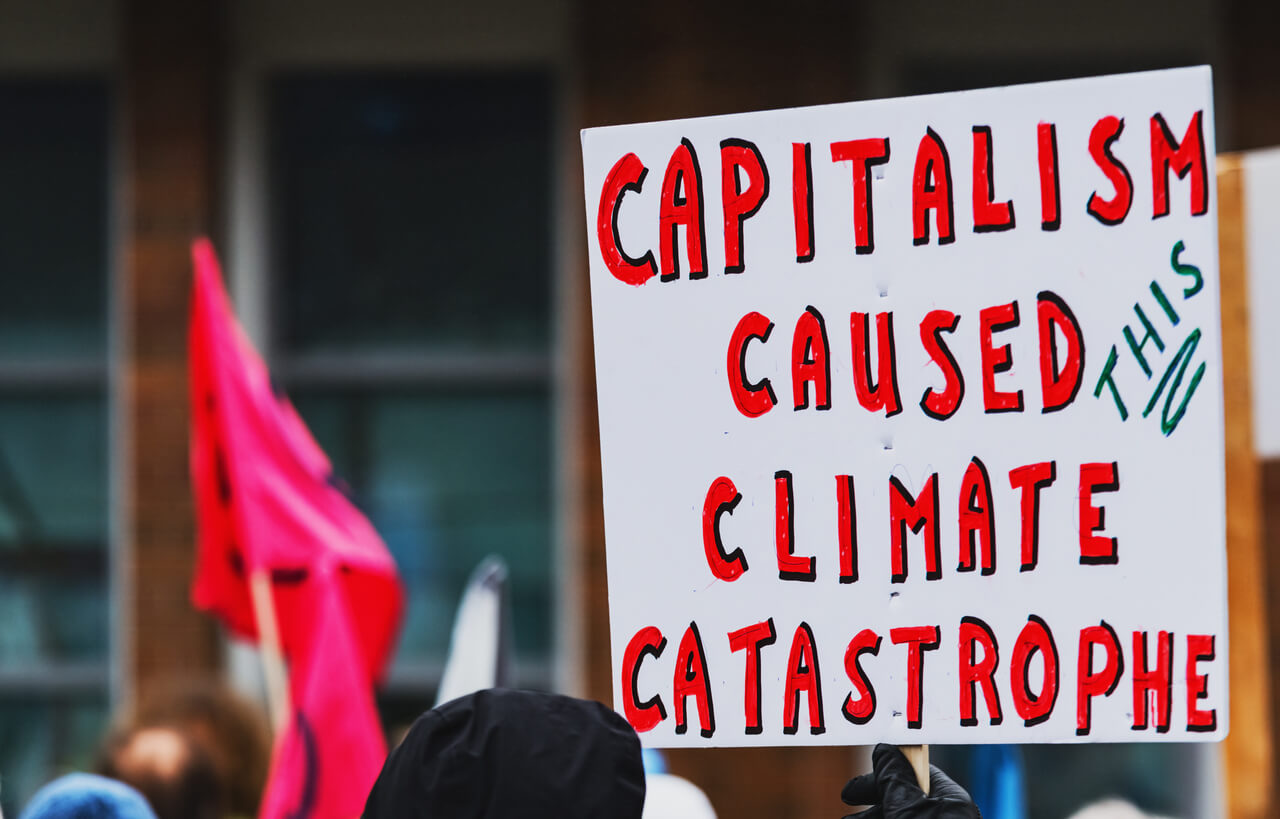
An alliance of more than 200 environmental organizations is demanding a national moratorium on the construction of new data centers, escalating opposition to an industry that has become central to the rapid expansion of artificial intelligence and cloud computing.
Tech
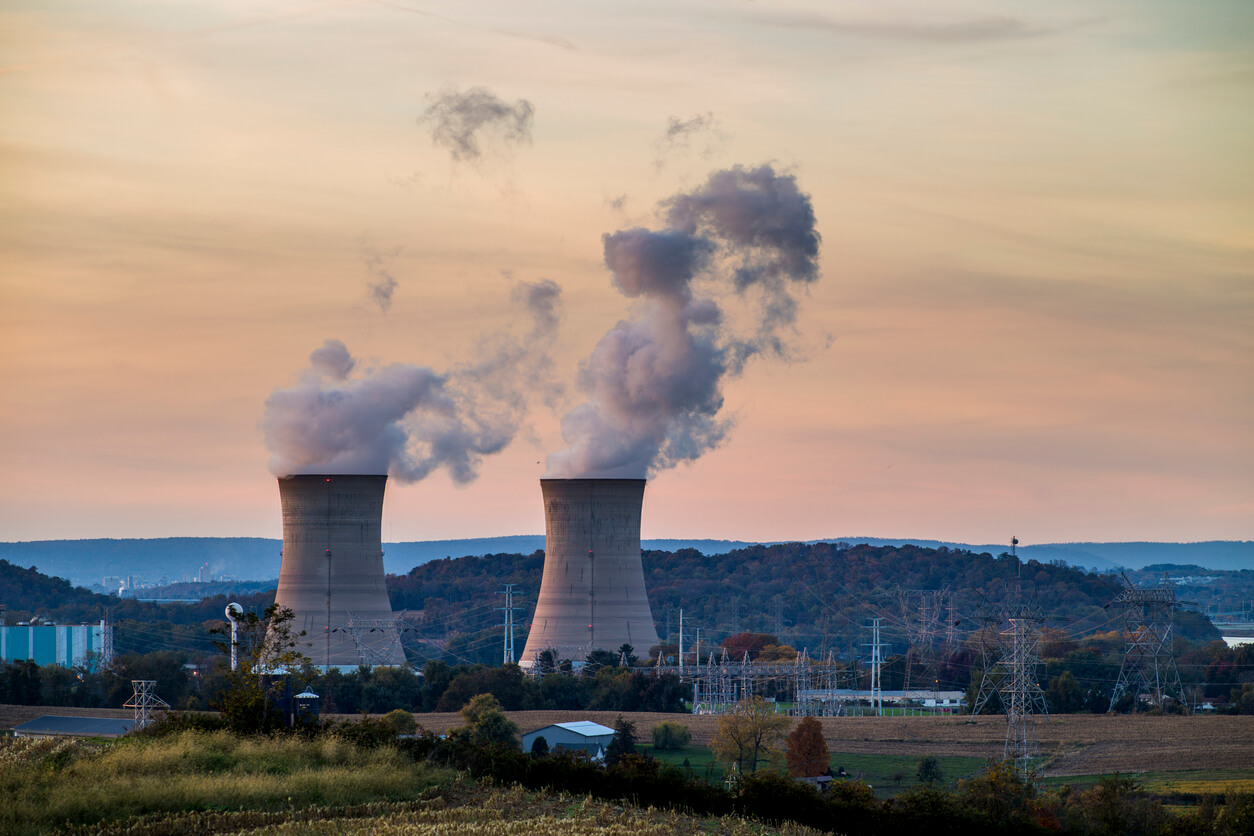
As America works to meet rising energy demands, nuclear technology is finally ready for a second act. The level of success depends heavily on our commitment to update rules made when rotary phones were all the rage.