
Infrastructure
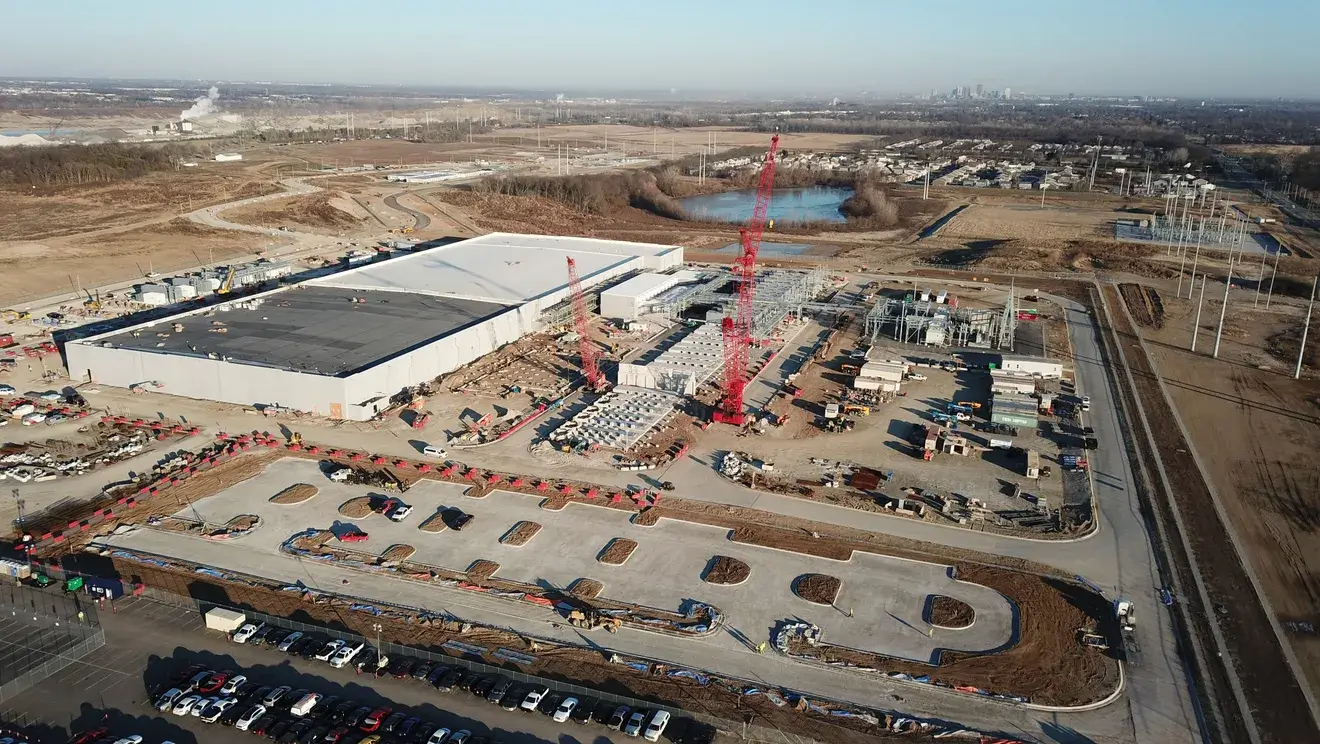
Some critics have complained that Trump’s Environmental Protection Agency can’t protect us from the supposed environmental harms of data centers if they cut down on red tape to streamline building permits. That’s part of a broader narrative that data centers are bad for the environment, but it ignores their benefits.
By Andrew Follett3 min readSeptember 10, 2026
→
Culture
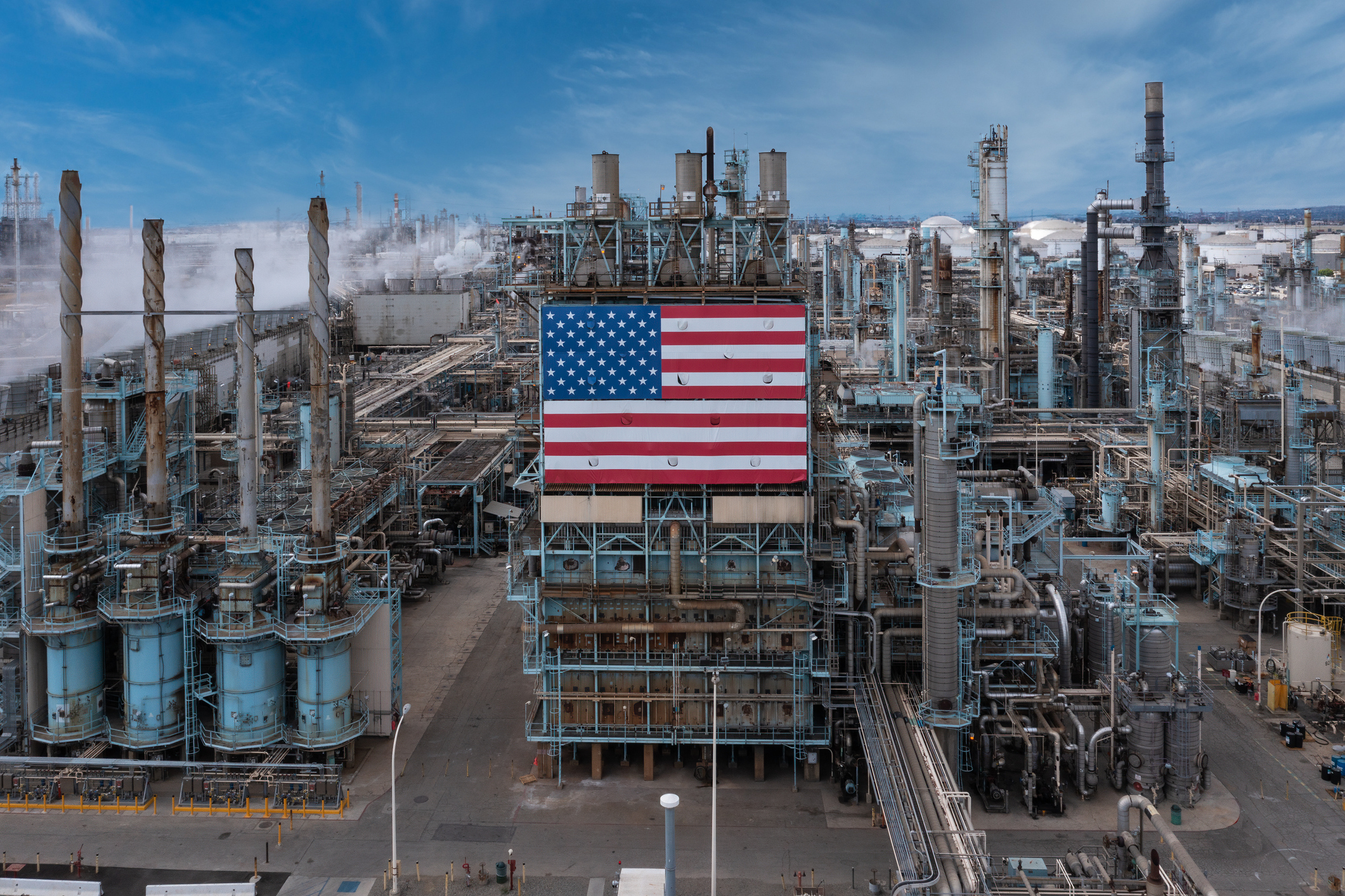
Over the past two decades, we have been trained either by politics, by media, or by endless crisis rhetoric, to think in fixed pies. When demand rises, we are told someone must be taking more than their share. The industries capable of expanding supply — engineers, industrialists, investors, technologists — are cast as villains before they break ground. In other eras, they won wars, electrified cities, doubled oil output, and built the networks on which modern abundance rests. Today, they are more likely to be hauled before a hearing than celebrated for production. The instinct to increase capacity has given way to the instinct to referee.
By Marc Oestreich7 min readMarch 2, 2026
→
Energy
Business leaders talk about moving from strength to strength: going from one thing they do well to another thing they do well. However, the real power move is going from weakness to strength. Figuring out what you are doing poorly and finding a way to do it well.
By Drew Bond4 min readFebruary 10, 2026
→

Culture
Long before climate policy became a hotbed for political debates, America had already trailblazed one of the most impactful tools for protecting the environment: conservation. From the restoration of rangeland, wetlands, and forests to the creation of national parks, America has a rich, bipartisan tradition of properly natural landscapes.
By Walter Blanks Jr3 min readDecember 22, 2025
→
Culture
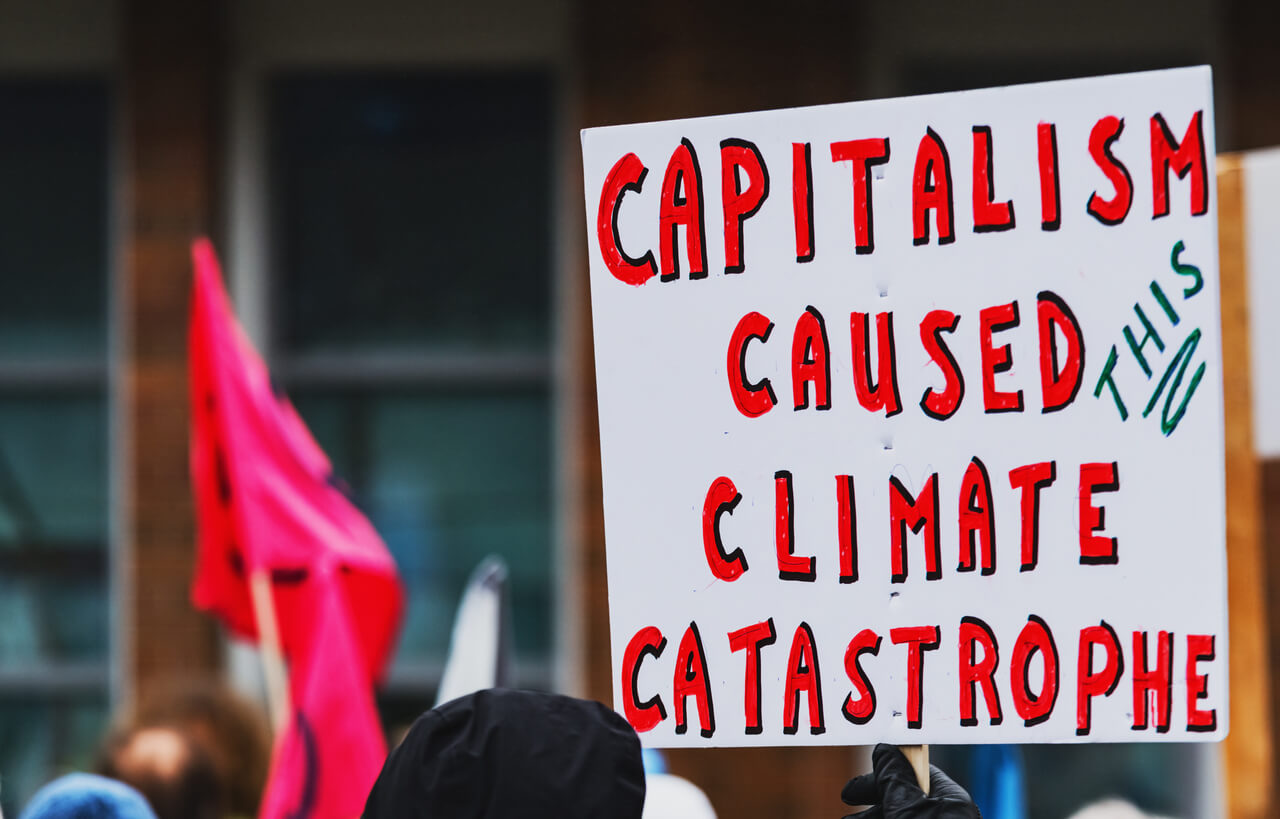
An alliance of more than 200 environmental organizations is demanding a national moratorium on the construction of new data centers, escalating opposition to an industry that has become central to the rapid expansion of artificial intelligence and cloud computing.
By Adrian Norman4 min readDecember 18, 2025
→
Culture
A new climate change lawsuit filed last week in Washington State takes a novel approach by arguing that the fossil-fuel industry is responsible for rising homeowners’ insurance premiums. The plaintiffs, two Washington residents, claim their costs have increased because of a growing number of climate-related natural disasters.
By David Kemp6 min readDecember 8, 2025
→

Culture
That alarmist messaging has never been particularly helpful. It creates an all-or-nothing perspective on climate change, where one side pushes for aggressive mitigation efforts at the expense of all other considerations, while the other dismisses climate risks altogether. It’s time to drop that framing and instead adopt a perspective that puts climate risks in context.
By David Kemp5 min readNovember 4, 2025
→
Culture
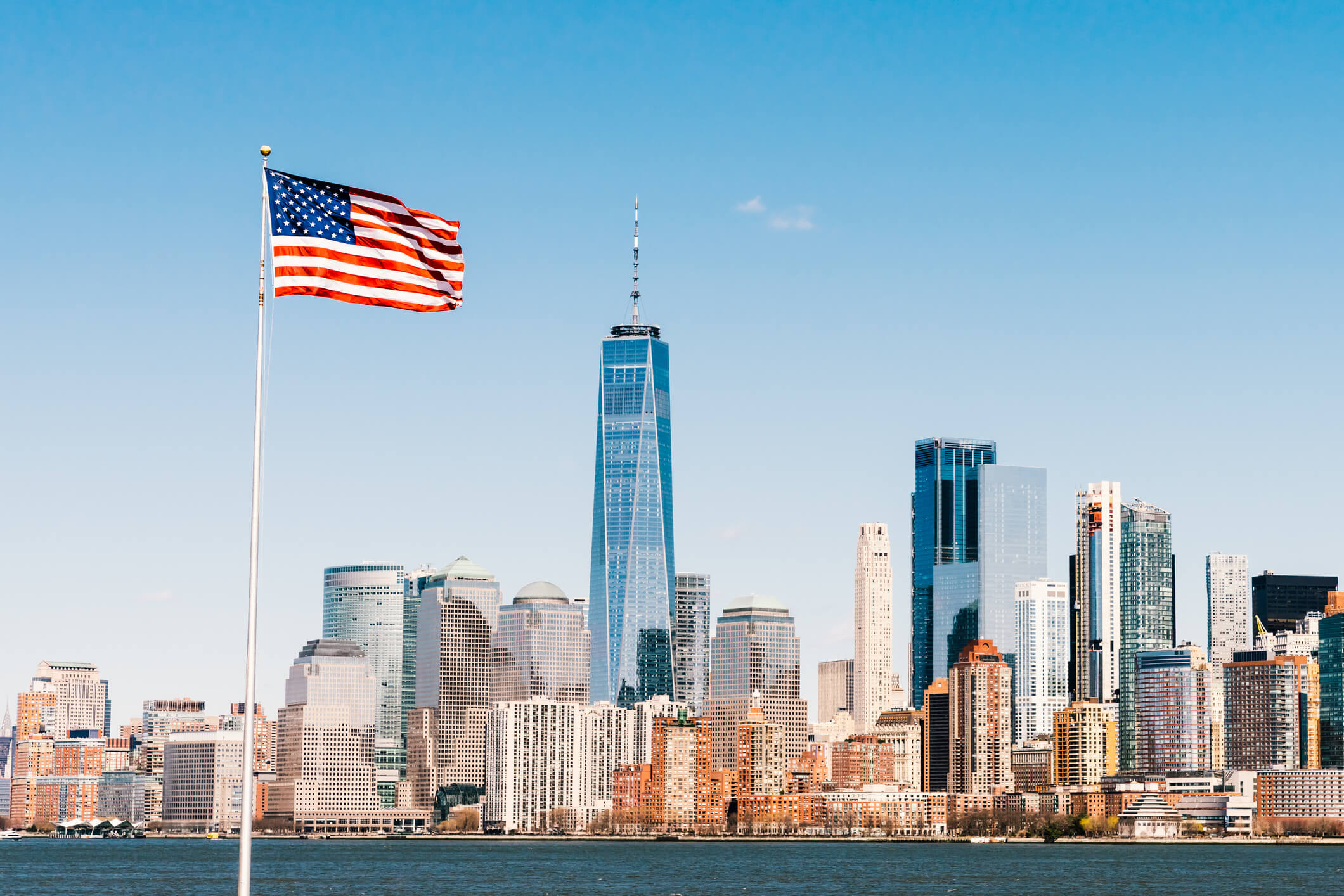
When world leaders fly into New York City (just think of the CO2 emissions from all the flights!) to hobnob at the annual UN General Assembly, they think and act as many leaders often do: they are seeking top-down solutions to global problems. They will tell us what to do. If we balk, they will offer to pay us to do it. If we do it, then problem(s) solved.
By Drew Bond4 min readSeptember 22, 2025
→
Culture
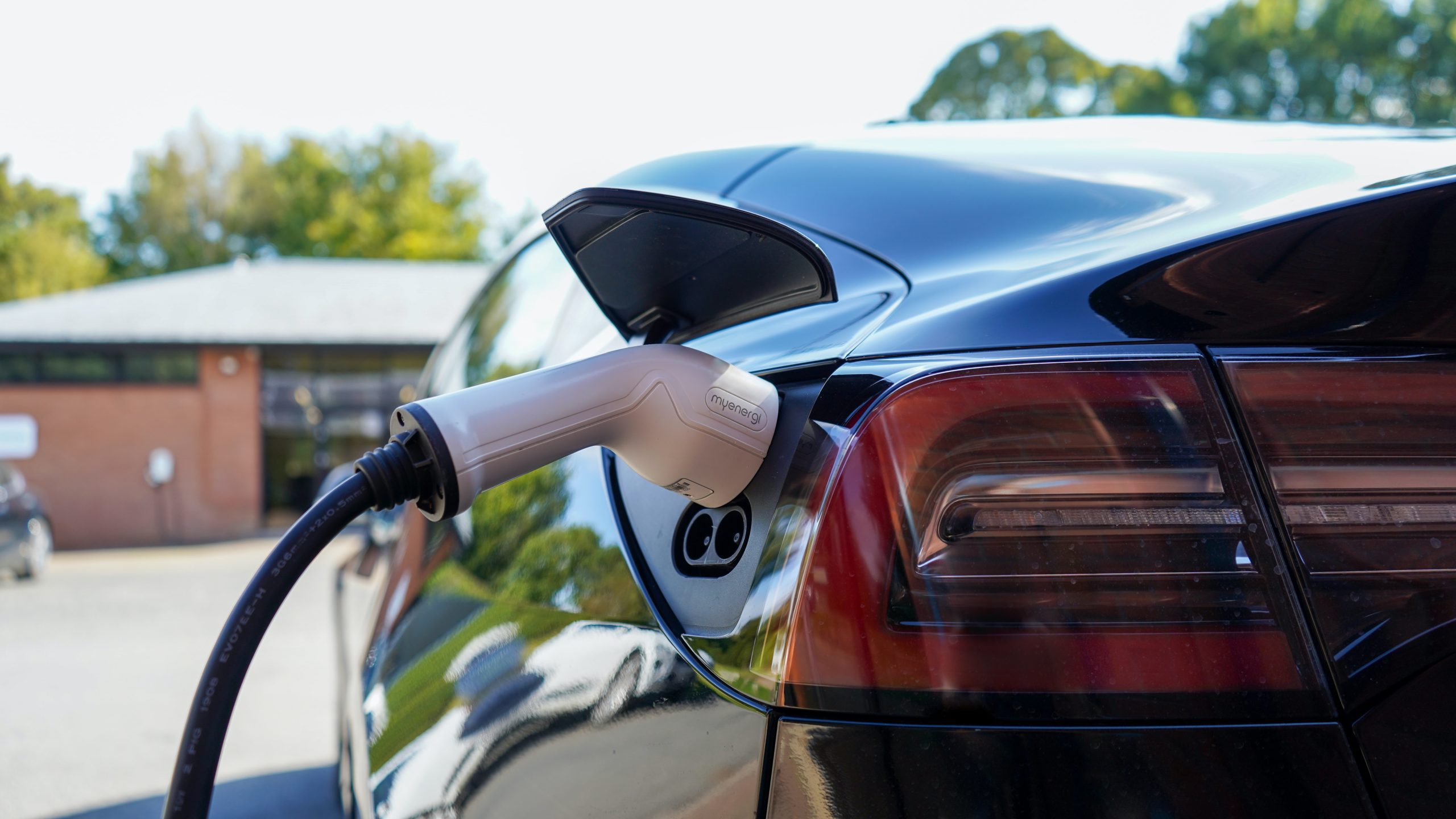
That is where battery swapping comes in. Instead of plugging in and waiting, drivers can stop at a station, have their empty battery taken out, and have a fully charged one installed, all within a few minutes.
By Lika Kobeshavidze4 min readSeptember 9, 2025
→

Culture
Tucked away on the edge of an entertainment district in Huntsville, Alabama, the venue is mainly surrounded by parking lots and fencing. But in the three years since it opened, the Orion has hosted more than 625,000 visitors for hundreds of concerts and other on-site events while generating millions in revenue. Better yet, it’s done so while minimizing its environmental footprint.
By Kelvey Vander Hart3 min readSeptember 5, 2025
→
