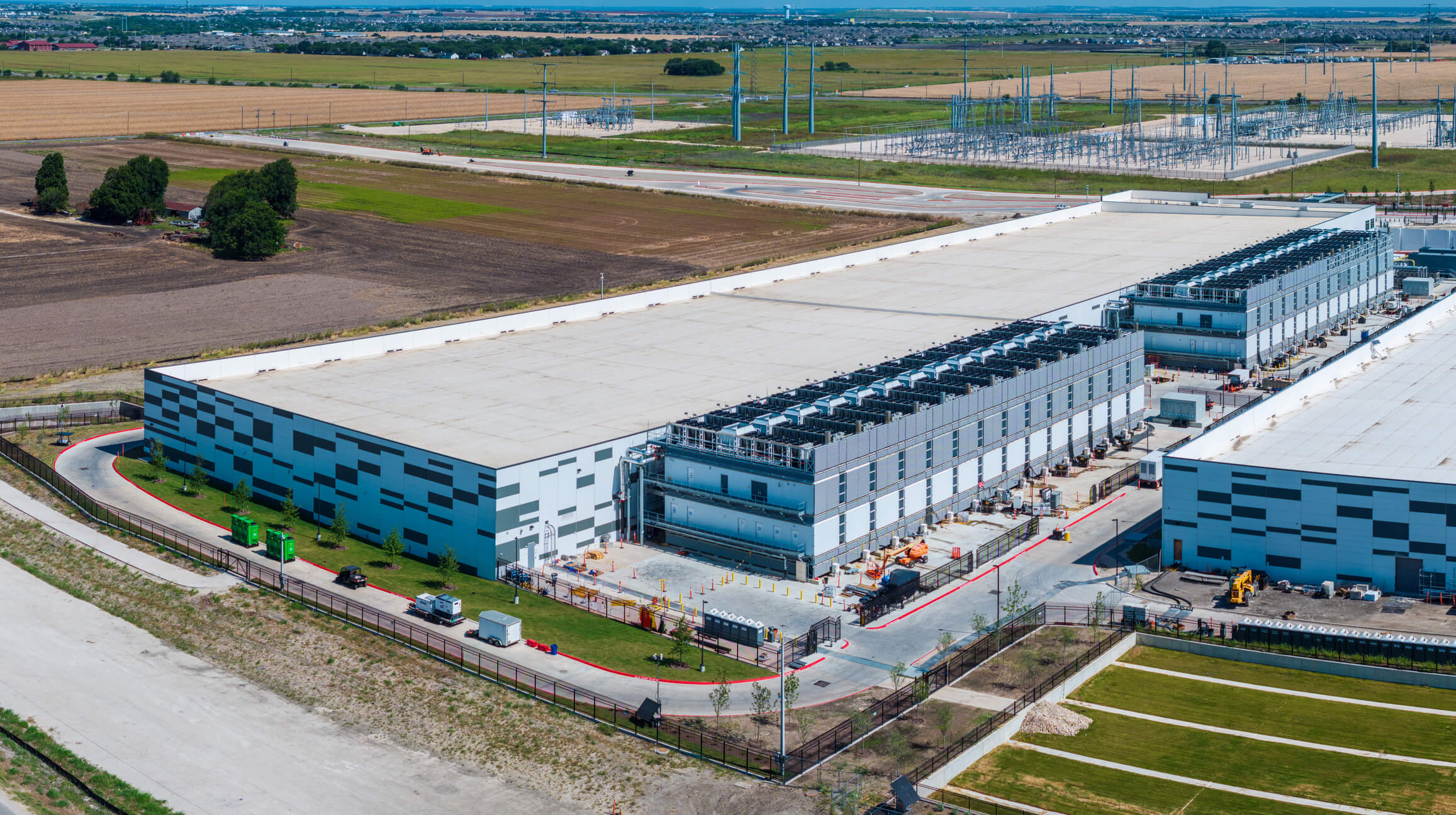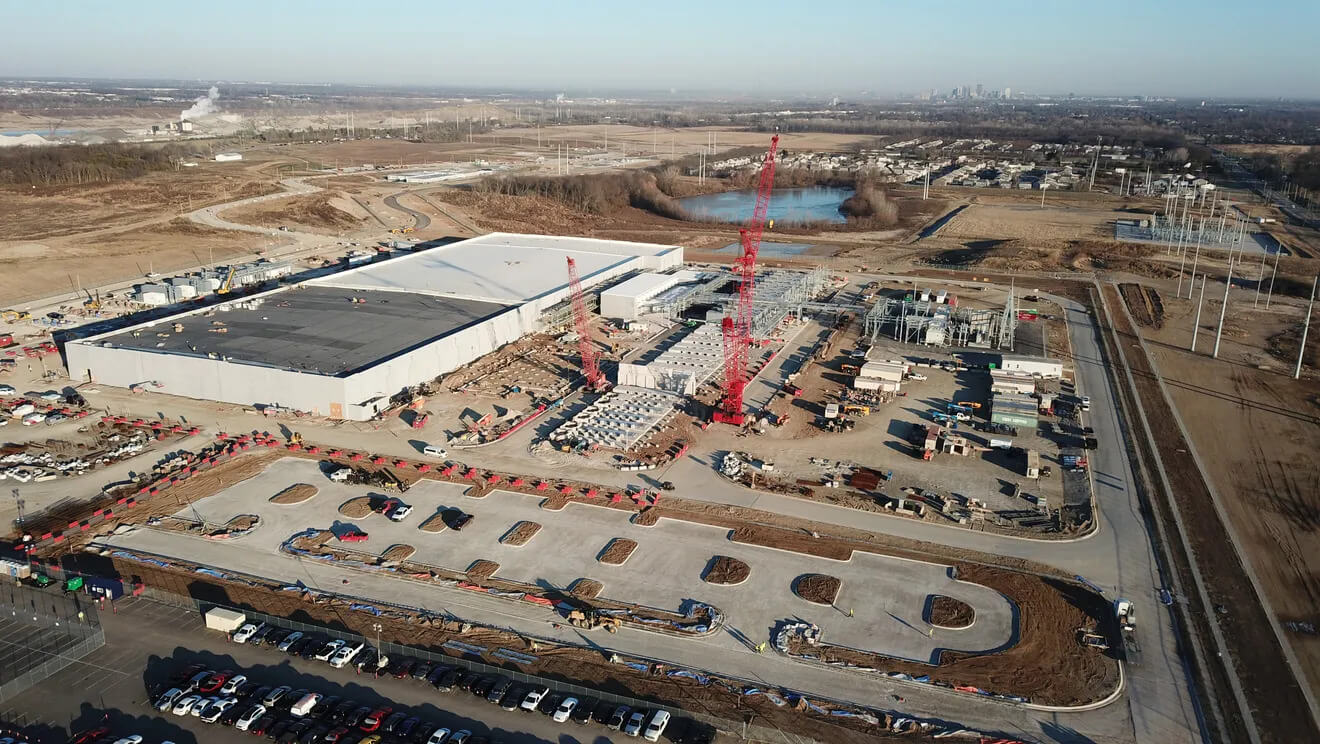
Lamenting the “obscene” energy demands artificial intelligence (AI) will command, a recent New Yorker article asks, “How can the world reach net zero if it keeps inventing new ways to consume energy?” The energy needs of cryptocurrency mining and clean-tech manufacturing have also raised concerns that the world will not meet climate targets.
The reality is inventing new ways of doing things is how we make peoples’ lives better. Growing energy demand is a sign of greater prosperity and economic progress. Underscoring the need for more power should not be misconstrued as a reason to curtail growth, trap people in energy poverty, or subject consumers to pay higher prices for less energy. Climate concerns cannot wish away demand but instead offer a chance to meet greater energy needs with affordable, dependable, and clean power.
>>>READ: Energy Won’t Stay in the Ground
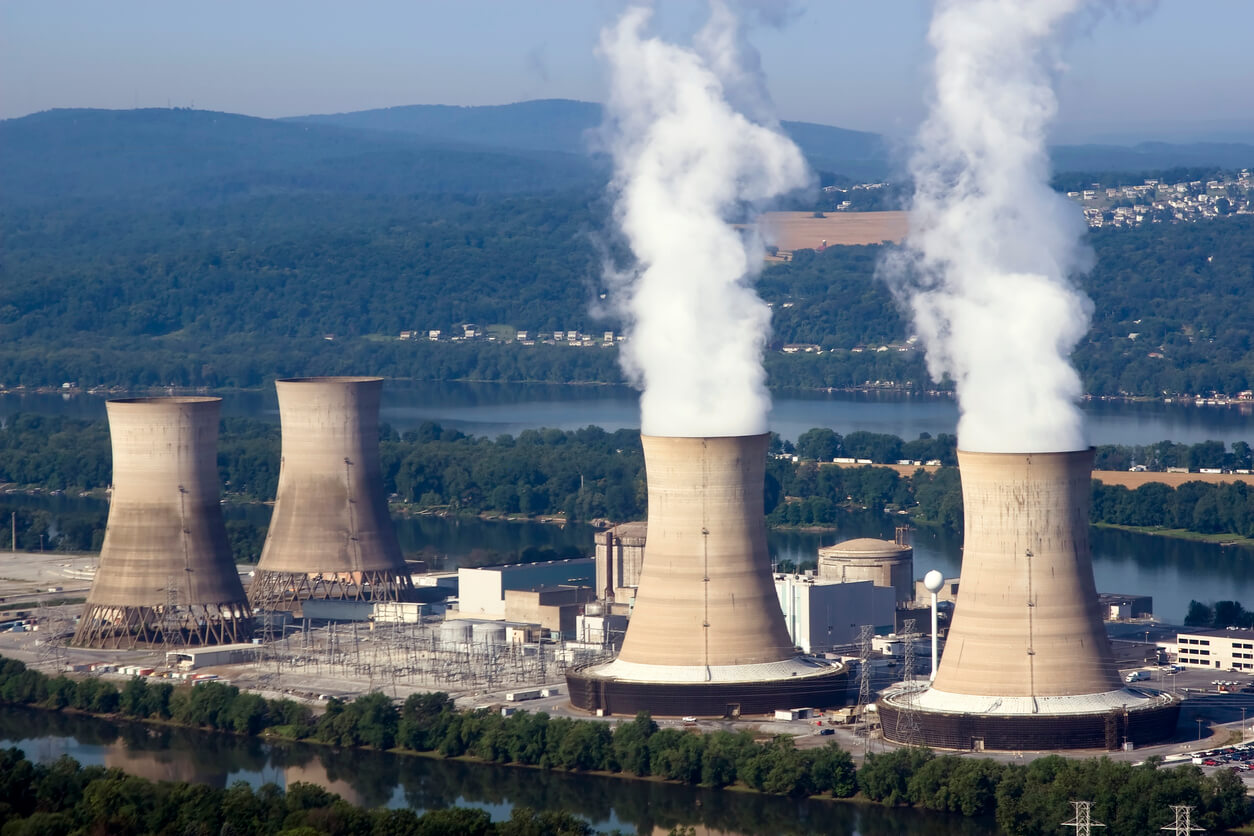
Major energy consumers are already paving the way for procuring low-carbon and zero-emissions energy sources. Google has been an early customer for advanced geothermal. While not a new supply, Amazon recently bought a nuclear-powered data center. Commercial and industrial manufacturers are procuring power from solar, battery storage, and microgrids, and investing in energy efficiency and demand-side management. Crypto miners are using cheap natural gas that would have otherwise been flared.
These investments will not only help reduce the environmental footprint of industrial energy consumers, but they can also help drive the price down to make clean energy sources cost-competitive without taxpayer-funded subsidies. If the concern is crypto miners and manufacturers using dirty, cheap Chinese electricity, the solution is cleaner, cheaper power from the U.S. and its allies.
Global emissions are a global challenge and most of the electricity demand will come from emerging and developing economies, and it is in their economic interest to pursue the lowest-cost power generation. Whether it is natural gas, nuclear, renewables, or geothermal, when cleaner forms of energy are reliable and cost-effective, emerging economies will more quickly decouple economic growth and emissions as the U.S. and other developed countries have done.
The New Yorker notes how industrial energy users can be part of the solution, saying, “A.I. could potentially be used to alleviate some of the problems it is exacerbating. For instance, it might be used to improve the efficiency of renewable-energy systems, which could reduce emissions from server farms. But it seems unlikely that such gains will keep up with A.I.’s growing electricity demands.”
>>>READ: The Coming Energy Expansion and What it Means for the Climate
Demand outpacing clean energy supply may very well be where the world is headed, but much of that is a function of policy, politics, and NIMBYism. Antiquated permitting processes, restricted market access, and higher taxes curtail investment and innovation for breakthrough technologies. In fact, AI could help address challenges like permitting for nuclear and other energy projects with more timely and efficient processes to meet the necessary environmental and public health benchmarks.
While there have been genuine, good-faith efforts to advance pragmatic energy and environmental reforms, divisive politics have obstructed opportunities to unleash domestic investments in all forms of energy. Ever-present and growing NIMBYism has either concluded “We need more energy but not here” or “Not that kind of energy.” This has been true for projects that would not only create jobs and spur economic growth but also lower energy bills and lower emissions – whether it is natural gas pipelines, necessary transmission investment, critical mineral mines, or new renewable energy developments.
If policymakers fail to address these issues, demand will outpace new supply – raising prices and pushing investments and jobs to countries with far worse environmental standards. We can raise red flags about what future energy needs mean for prices, reliability, and the planet, but it does no good if policymakers ignore them.