
Environment
On Climate, the U.S. Should be Tough on China
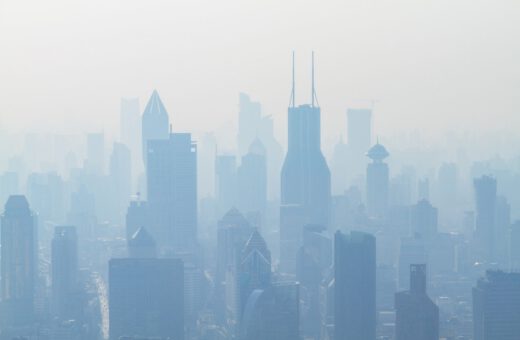
Being tough on China is not downplaying the risks of climate change or the role that China plays as the world’s largest emitter. It’s operating in the real world.
Environment
Being tough on China is not downplaying the risks of climate change or the role that China plays as the world’s largest emitter. It’s operating in the real world.

Environment
Rather than focus primarily on government finance and regulating certain fuels out of existence, policymakers should pursue reforms rooted in free enterprise that raise peoples’ standards of living and mobilizes private investments in cleaner technologies.

Energy
AirAsia’s recent success with digital solutions is a model in sustainable aviation.
Agriculture
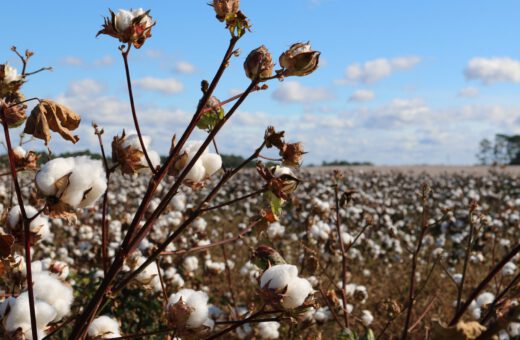
Cotton is a staple product in shirts and jeans, but the carbon emissions released from large agricultural fields are a big contributor to climate change. Regenerative farming offers a solution.

Energy
Decades of one-size-fits-all environment regulation and policy inattention are part of the reason for the increased dependency. Even with the United States holding vast mineral reserves worth trillions of dollars, America is now 100 percent dependent on imports for some 17 key minerals.

Agriculture
Studies show introducing seaweed into the cattle diet can help the meat industry reduce its carbon footprint.

Environment
he impact of Thread has been astronomical and has served to do good in many ways. Besides keeping millions of pounds of plastic out of oceans, Thread's supply chains offer a steady flow of income for those who could not otherwise bring home money for their family, effectively fighting poverty.

Energy
Hydrogen is the ultimate game changer. Not only does it assure energy system reliability, affordability and security, but because it is versatile, it can address the sustainability needs of a multitude of markets.
Environment
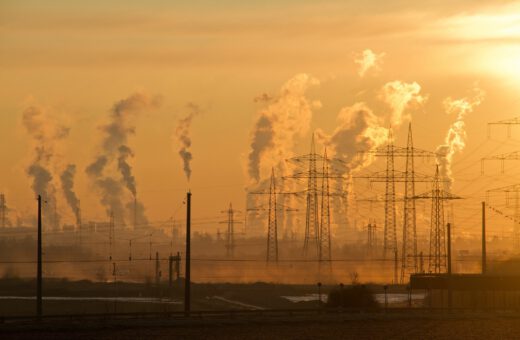
Private industry and individual innovators should be leaders in our work to reduce carbon emissions and combat climate change.

Environment
KeepCup’s success shows that private-sector innovators, not government, continues to lead the way on environmental stewardship.