Last week more than 40 progressive organizations sent a letter to the White House and Congress urging them to not antagonize China but instead pursue multilateral efforts to address the challenge of global climate change.
Specifically, the letter said, “China and the United States should not only work together to support international best practice environmental, human rights, social, and governance standards, but also to ensure that producer countries and communities have access to affordable and clean energy — and the resources needed to mitigate the impacts of climate change.”
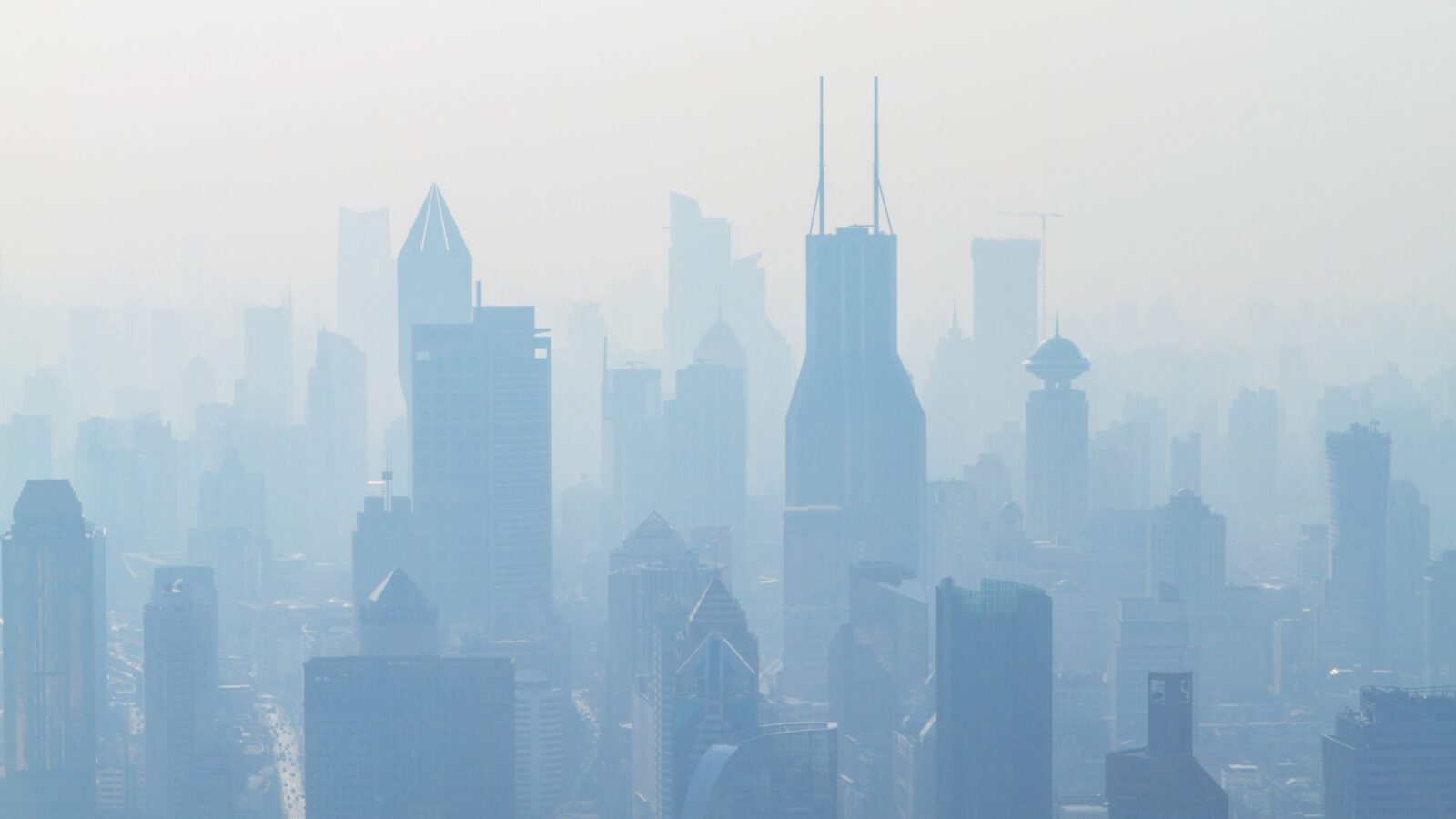
If it were only that easy. In theory, working together to develop strong standards on human rights and the environment would be a win-win. In reality, these words are largely tone-deaf and wishful thinking. The reasons the United States needs to be tough is exactly because of the Chinese government’s human rights abuses, military ambitions and repressive policies. China’s centrally managed industrial policy without any serious concern for the environment has resulted in harmful air pollution, soil contamination and poor water quality.
The issues that “antagonize” China are ones U.S. policymakers cannot ignore. China used forced labor from Uyghurs to manufacture solar panels. Beijing was angry when Japan and the U.S. announced COVID-19 vaccinations for the people of Taiwan. The Chinese LGBT community continues to be oppressed. The list goes on.
The letter does not explicitly suggest ignoring these issues in the name of combatting climate change. It does, however, fundamentally misunderstand what motivates and upsets the Chinese government. China’s human rights abuses, military concerns and industrial policy cannot operate in separate lanes from climate change. If the U.S. speaks up on any of these issues, it would effectively violate the intent of the letter, which is to “prioritize multilateralism, diplomacy, and cooperation with China.”
In actuality, playing nice on climate change could be counterproductive to humanitarian and national security concerns with respect to China. Andrew Erickson, professor at the U.S. Naval War College, and Gabriel Collins, research fellow at Rice University’s Baker Institute for Public Policy wrote, “Xi’s bullish talk of combating climate change is a smokescreen for a more calculated agenda. Chinese policymakers know their country is critical to any comprehensive international effort to curb greenhouse gas emissions, and they are trying to use that leverage to advance Chinese interests in other areas.”
Further, the letter asserts that the U.S. and China have “complementary strengths” and that “China is the world leader in industrial capacity across a number of clean energy industries and is a major source of infrastructure financing across the Global South.” It’s one thing to note that China has certain comparative advantages, but the failure to acknowledge at what cost (to human rights, liberty, the environment, etc) is deeply concerning. Instead, America and its allies should continue to crack down on human rights abuses and demand greater transparency and accountability on all environmental issues. One does not preclude the other.
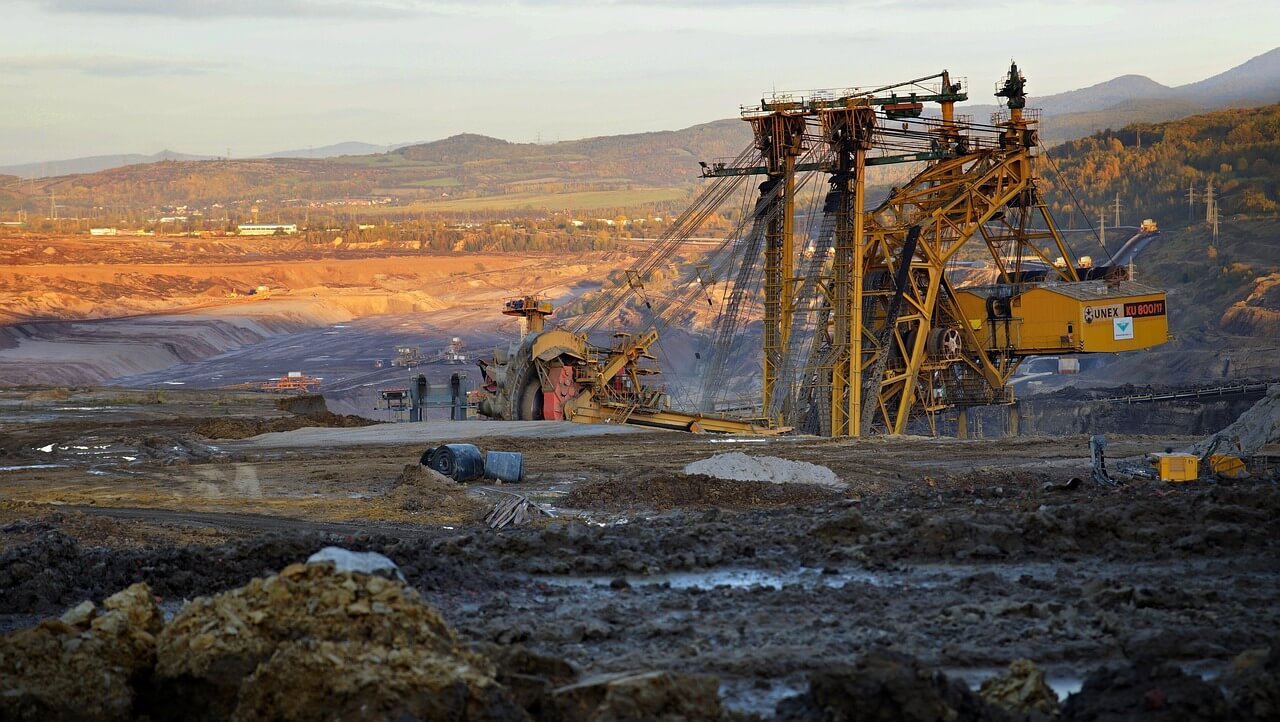
In fact, the letter does get one thing right in that “climate change has no nationalistic solutions.” To reach any climate mitigation targets, China’s actions are imperative. China is now emitting more greenhouse gases than the entire developed world combined. According to a recent report in GreenBiz, “A total of 247 gigawatts of coal power is in planning or development, nearly six times Germany’s entire coal-fired capacity. China also has proposed additional new coal plants that, if built, would generate 73.5 gigawatts of power, more than five times the 13.9 gigawatts proposed in the rest of the world combined.”
China has previously underreported its emissions, making it difficult to track what type of progress they may be making on emissions reductions. Congress and the Biden administration cannot ignore these trends because any policies that fail to account for the global nature of emissions will be climatically meaningless. Climate pragmatism is necessary, but not at the cost of sidelining serious issues surrounding China.
In President Biden’s first speech to Congress in April, he remarked, “We’re in a competition with China and other countries to win the 21st Century.” It’s a competition of ideas, values and what economic system best protects human rights, raises standards of living and improves the environment. If a new Cold War is emerging, policymakers need to remember the values that won the last Cold War. They need to lean into our system that protects personal freedom and promotes economic liberty. It is the system that breeds innovation, increases prosperity and will accelerate the development of cleaner technologies. Global cooperation has its place, too. Free trade (absent human rights abuses, IP theft, etc) and collaboration on scientific exploration, research and development with partners around the world can generate enormous economic and social benefits, too.
Being tough on China is not downplaying the risks of climate change or the role that China plays as the world’s largest emitter. It’s operating in the real world. If policymakers put on climate blinders, they may miss the true intent behind China’s initiatives. Doing so could only exacerbate human rights abuses and geopolitical tensions down the road.