Energy
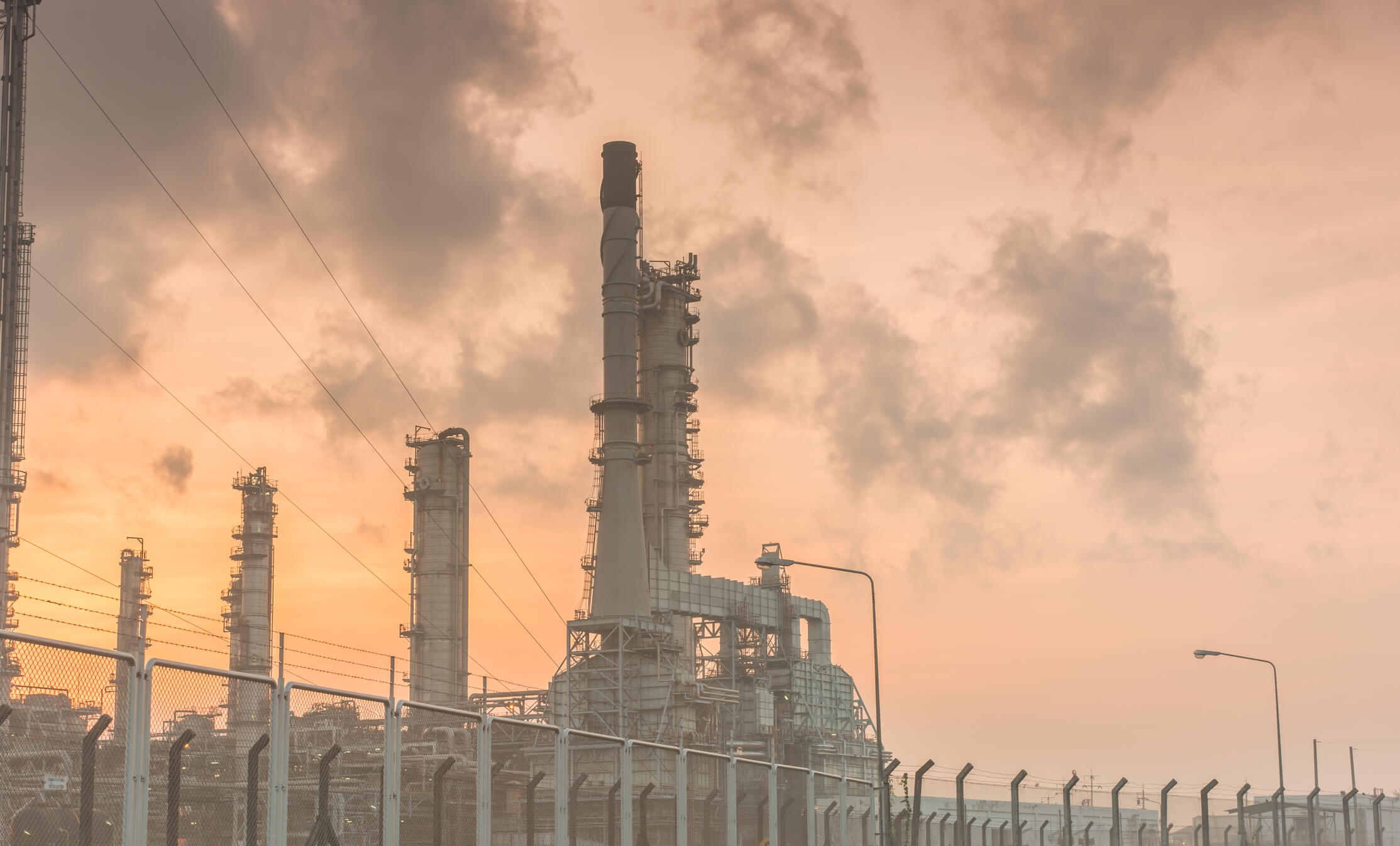
With seemingly no end to the Iran War in sight, the Trump administration has several actions to soften the economic blow, including waiving the Jones Act and releasing 172 million barrels of oil from the Strategic Petroleum Reserve. One sensible solution to help consumers is to grant exemptions for the small refineries that are critical to US energy security and affordability.
By Nick Loris4 min readApril 7, 2026
→

Energy
The conversation at CERAWeek shifts each year. In 2026, the focus was on surging demand, disruptions to energy flows through the Strait of Hormuz, infrastructure bottlenecks, and a more pragmatic energy posture. The conference showed an industry and policymakers increasingly focused not on abstract narratives about the future of energy, but on the harder questions of security, buildout, reliability, affordability, and competitiveness.
By Richard Meyer3 min readApril 2, 2026
→
Energy
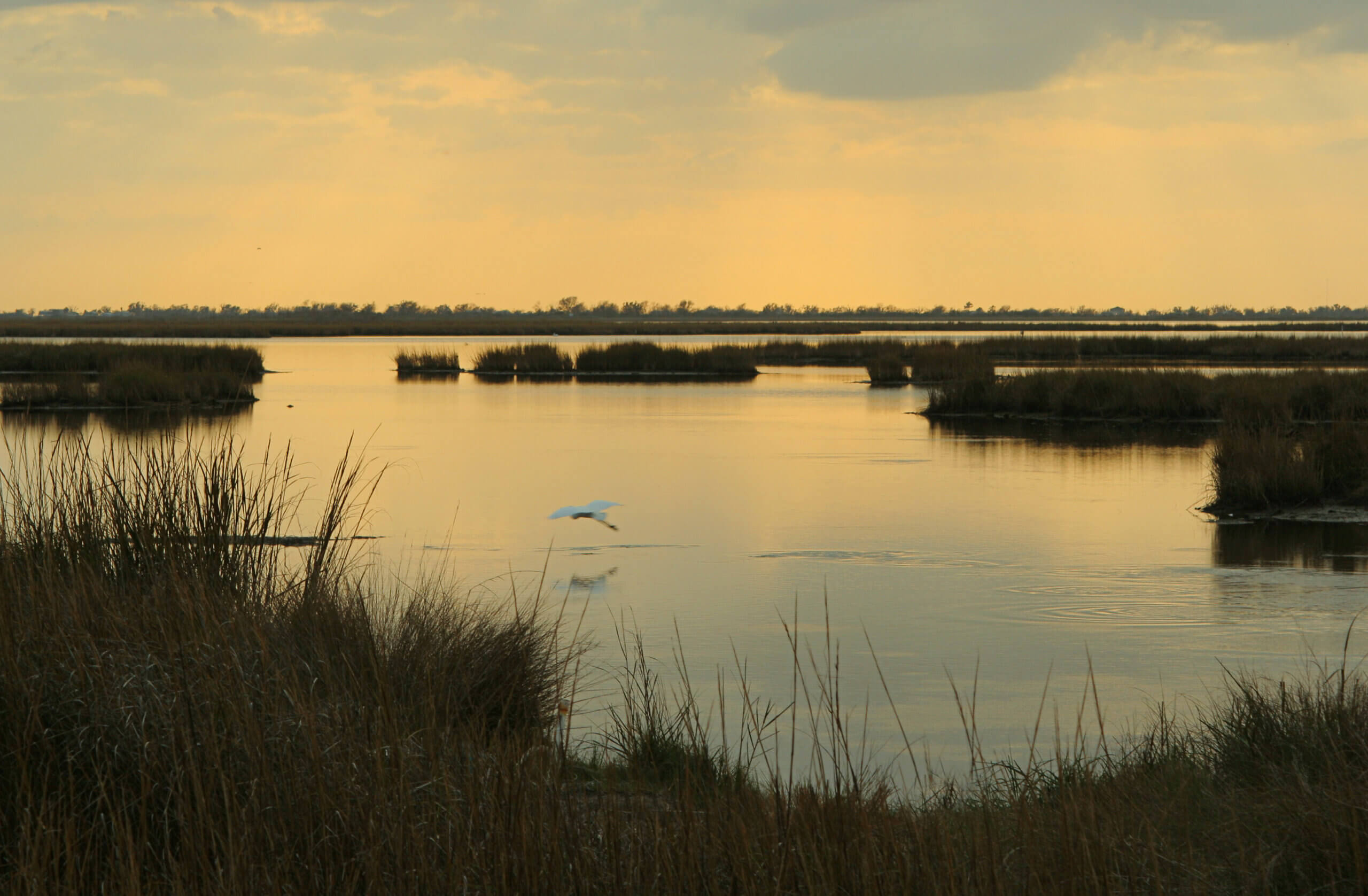
Louisiana has lost over 2,000 square miles of coastal land since the 1930s, an area the size of Delaware. Wetlands continue to disappear at an alarming rate, threatening communities, infrastructure, and one of America’s most productive fisheries.
By Prasanna Pydipalli5 min readApril 1, 2026
→
Energy
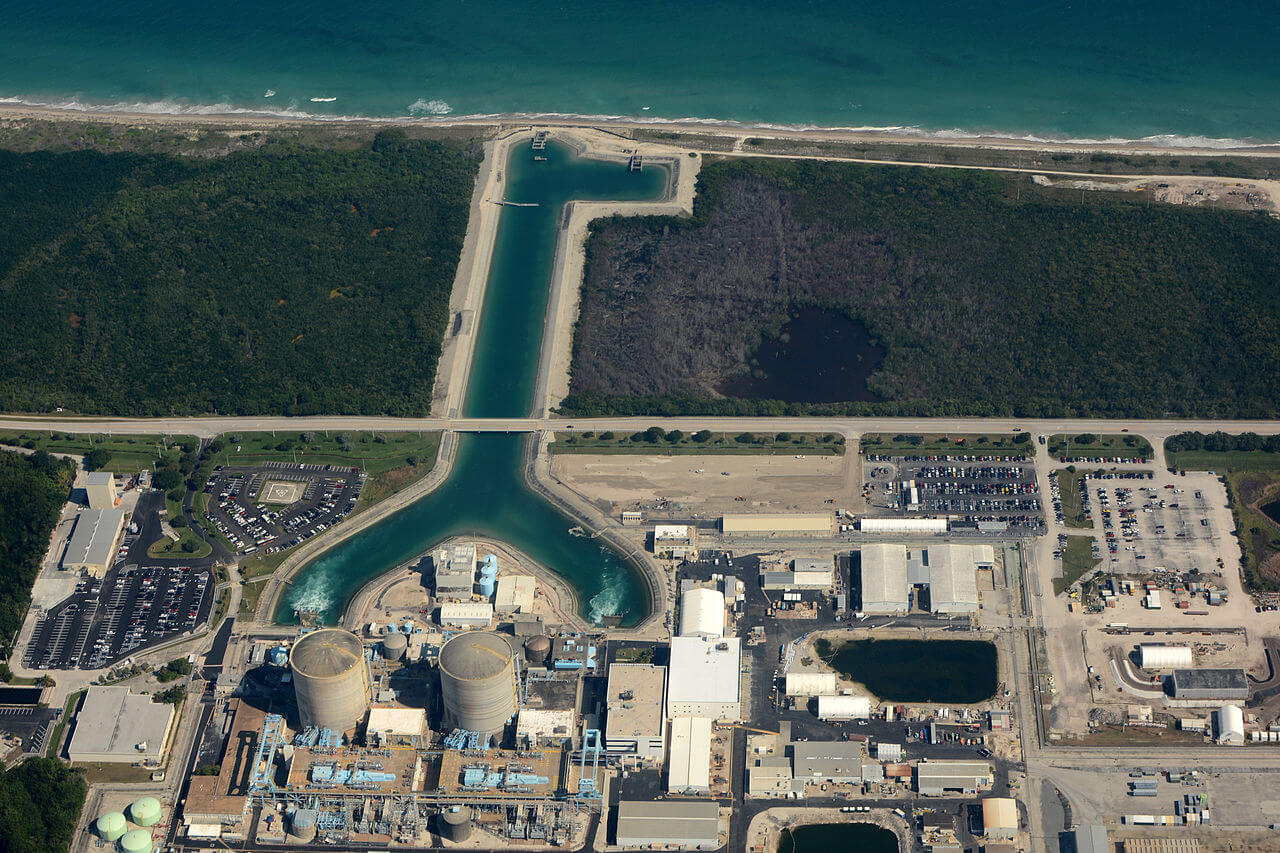
A new bill in the Sunshine State’s legislature seeks to streamline the approval process for constructing nuclear reactors.
By Nick Loris4 min readMarch 25, 2026
→

Conservation
At the current pace, it would take the Forest Service more than 50 years to treat the 19 most at-risk sequoia groves in the country, a timeline the species cannot afford. With faster treatment efforts, more groves will be safeguarded from out-of-control wildfires.
By Cecilia Fassett4 min readMarch 19, 2026
→
Energy
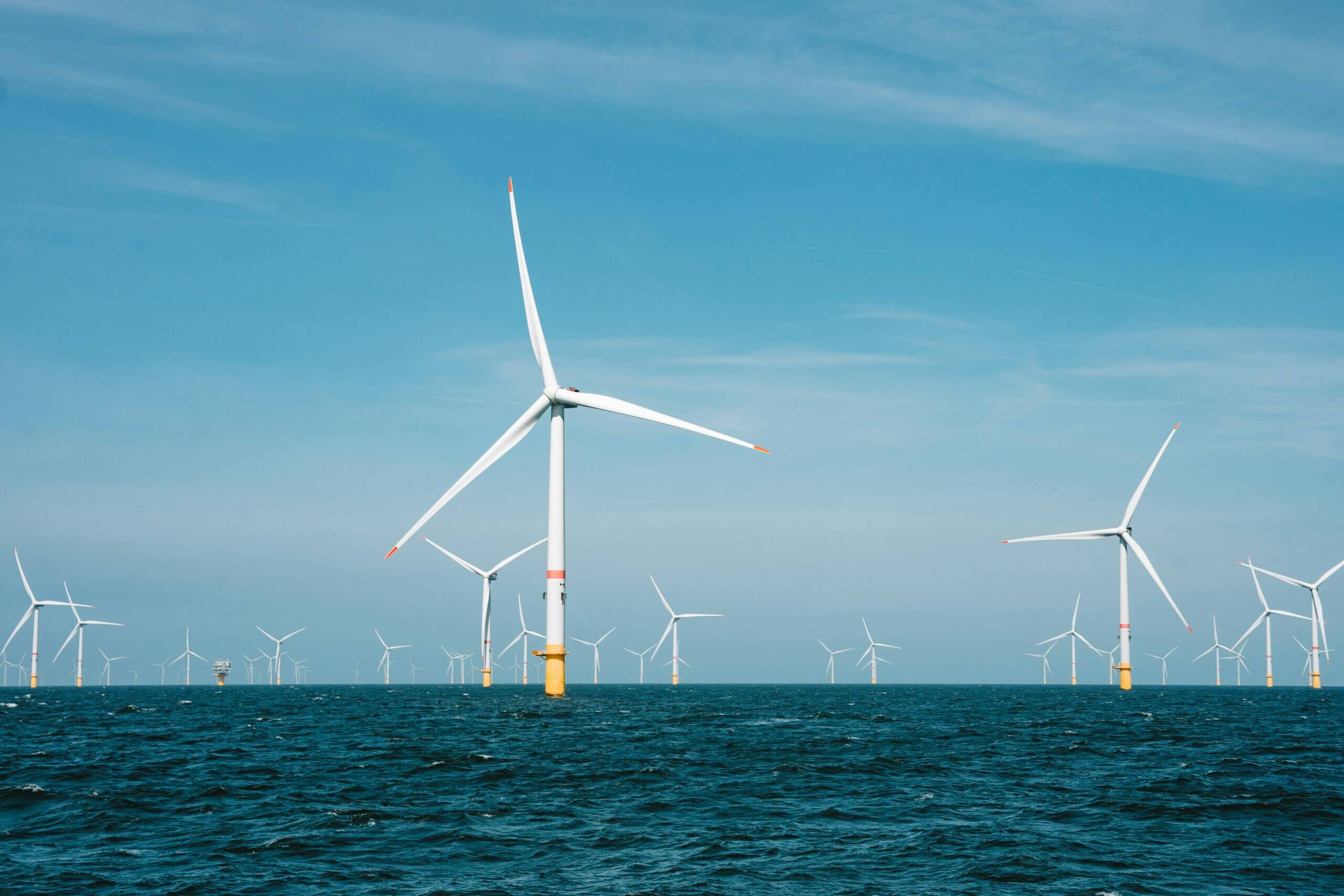
In its most recent foray against offshore wind, the administration announced it would appeal court rulings that allowed five offshore wind projects to proceed despite last December’s blanket construction halt on national security grounds. Yet the Administration’s ongoing actions risk derailing the possibility of reforming our broken permitting system—a downside far greater than allowing five fully permitted wind projects to go forward.
By Nick Loris4 min readMarch 11, 2026
→
Environment
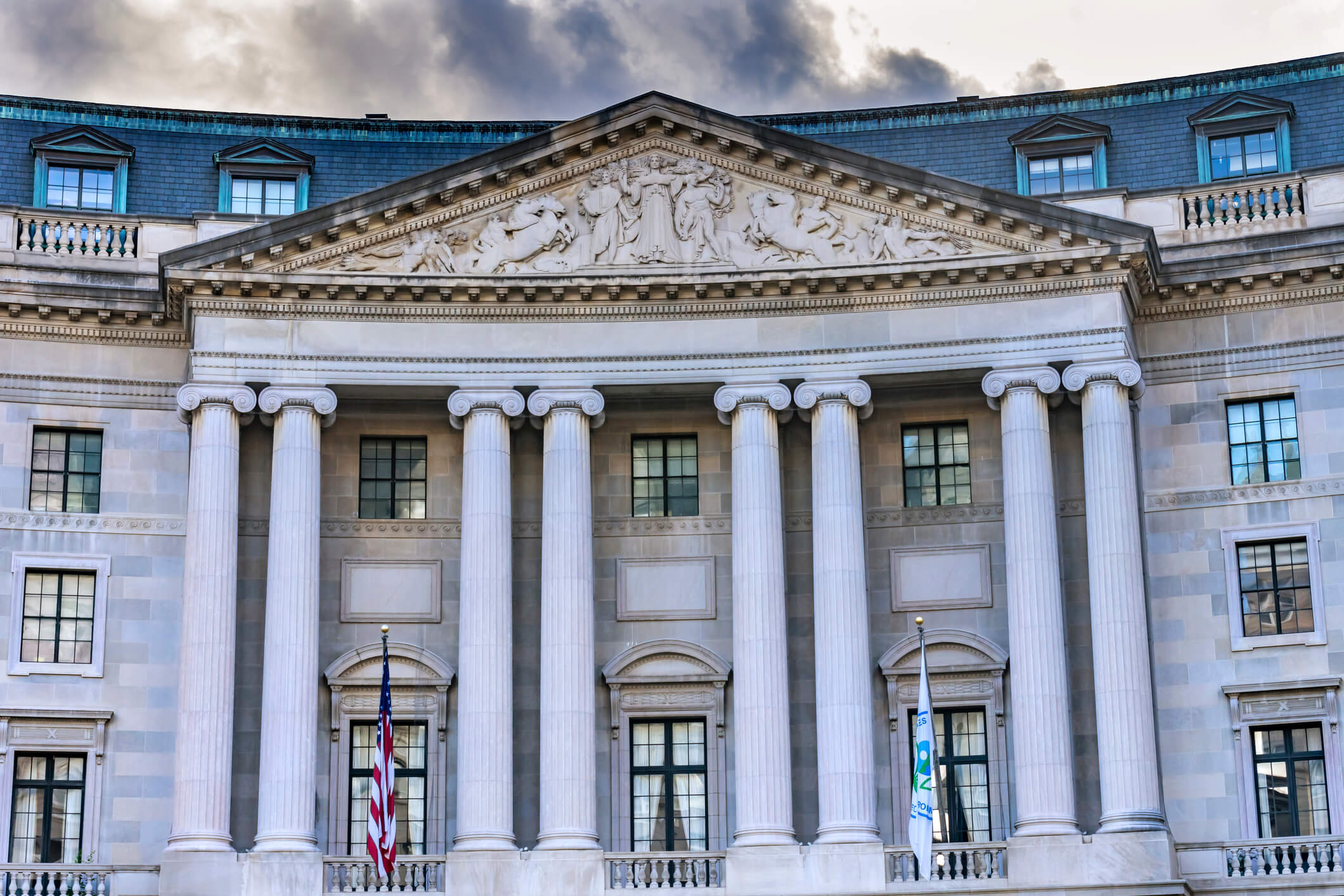
These days, the role of Chicken Little is filled by reporters and environmental extremists. Every time a conservative administration somewhere in the world proposes to roll back an expensive environmental regulation, rest assured, we’ll hear that the sky is falling in on us.
By Drew Bond4 min readMarch 4, 2026
→
Infrastructure
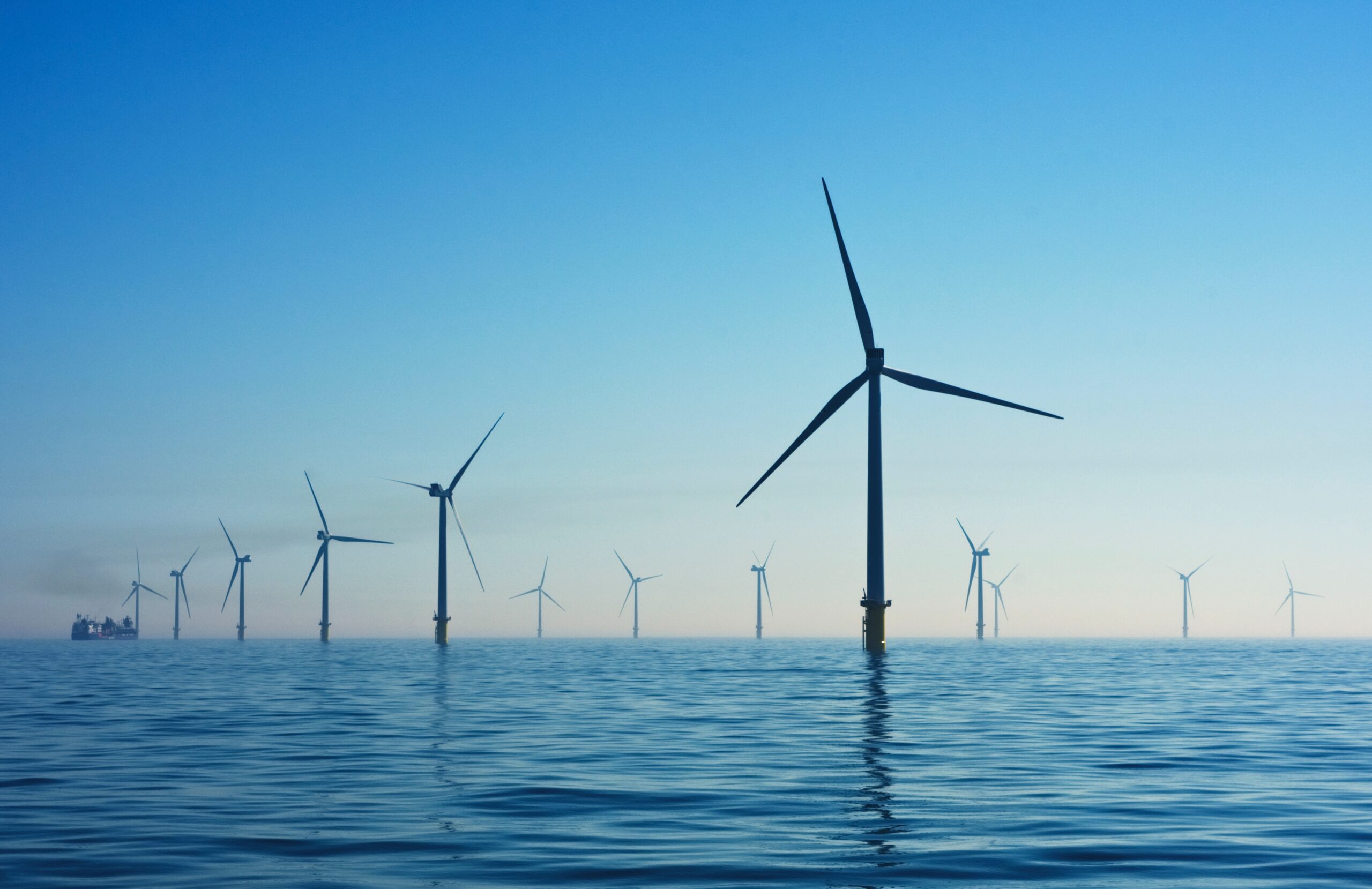
The Trump administration recently announced it would appeal court rulings that allowed offshore wind projects to proceed with construction. This follows the administration’s halt to construction on five projects last December for national security reasons, even though those projects had already received permits and are nearly complete. If the goal is true American energy dominance, the bigger task is fixing the broken permitting system that slows every form of American energy infrastructure.
By Nick Loris6 min readMarch 3, 2026
→
Policy
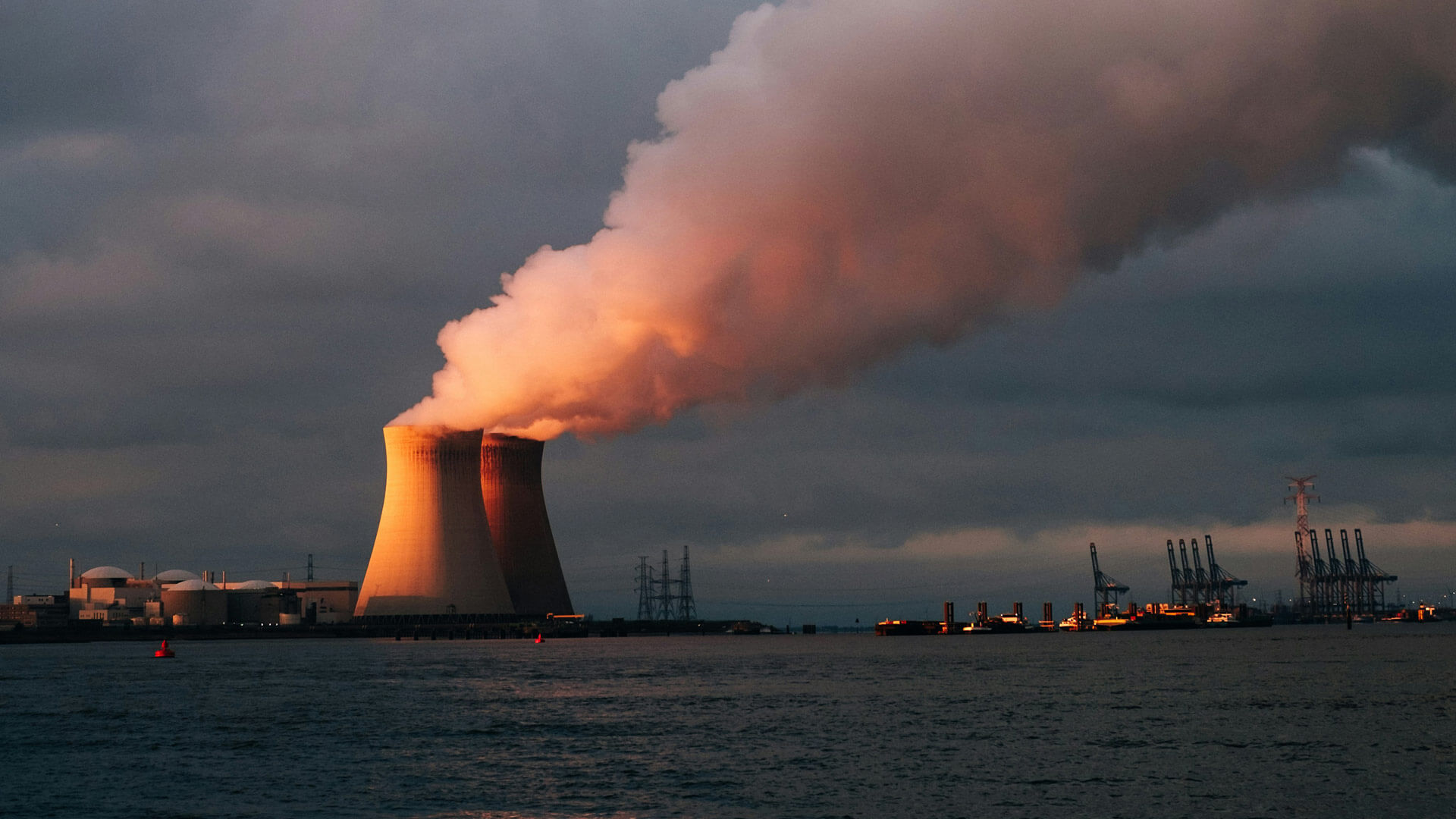
Across the country, energy demand is rising. Data centers, advanced manufacturing, population growth, and electrification are all putting new pressure on the grid.
Unfortunately, that has spilled over and is now also putting pressure on your wallet. If Florida wants to lower electricity costs and attract continued investment, the state needs to take the driver’s seat. House Bill 1461 does exactly that. It sets Florida up to lead the nation in energy innovation and, at the same time, help spur continued economic growth.
By Josh T. Smith and Mark Miller4 min readFebruary 26, 2026
→
Policy
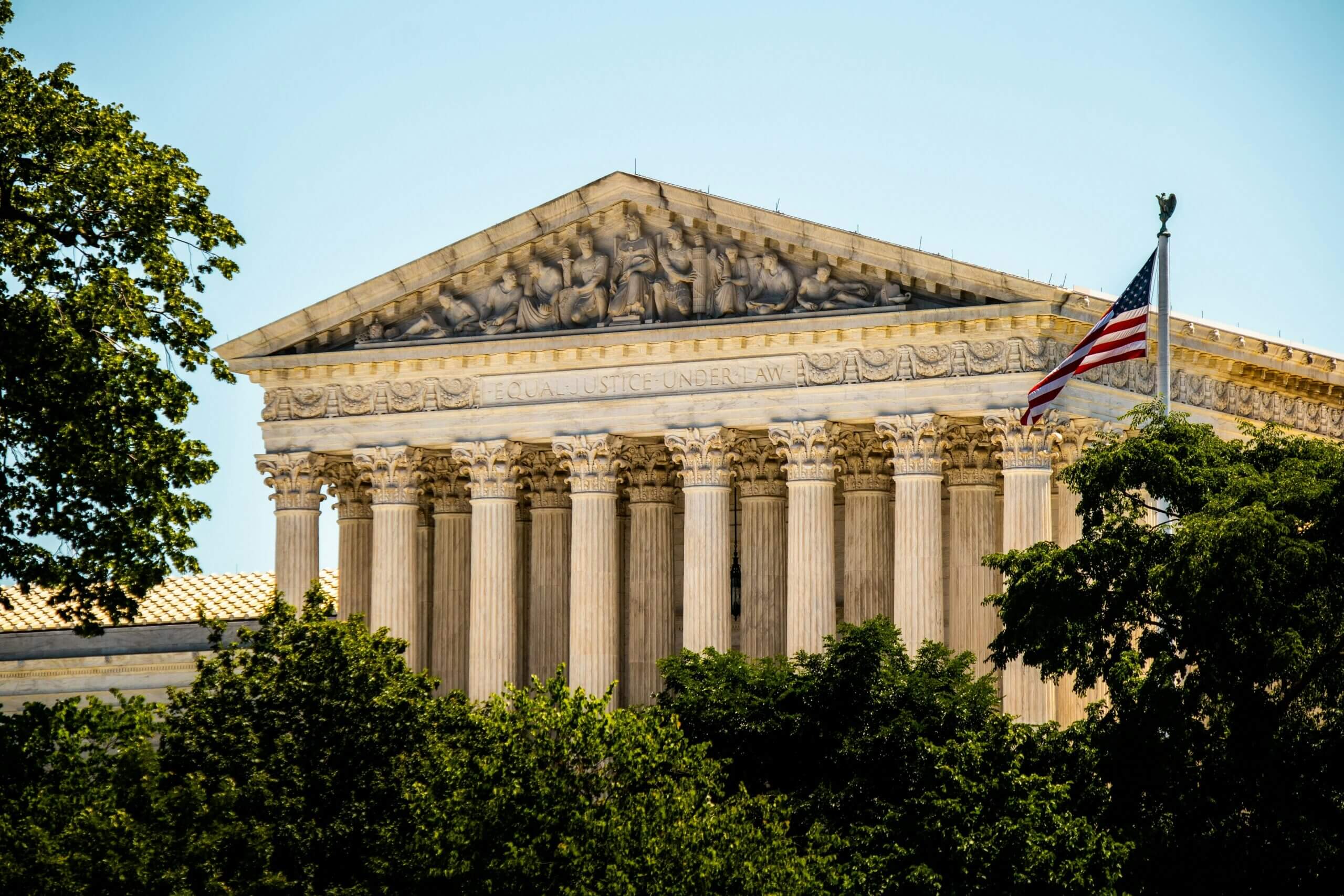
For the past two decades, U.S. climate policy has been driven more by legal and administrative maneuvering than by legislative consensus. The result has been regulatory inefficiency, policy whiplash between administrations, and little progress toward a durable, politically sustainable framework for managing climate risk.
By David Kemp4 min readFebruary 23, 2026
→


