Energy
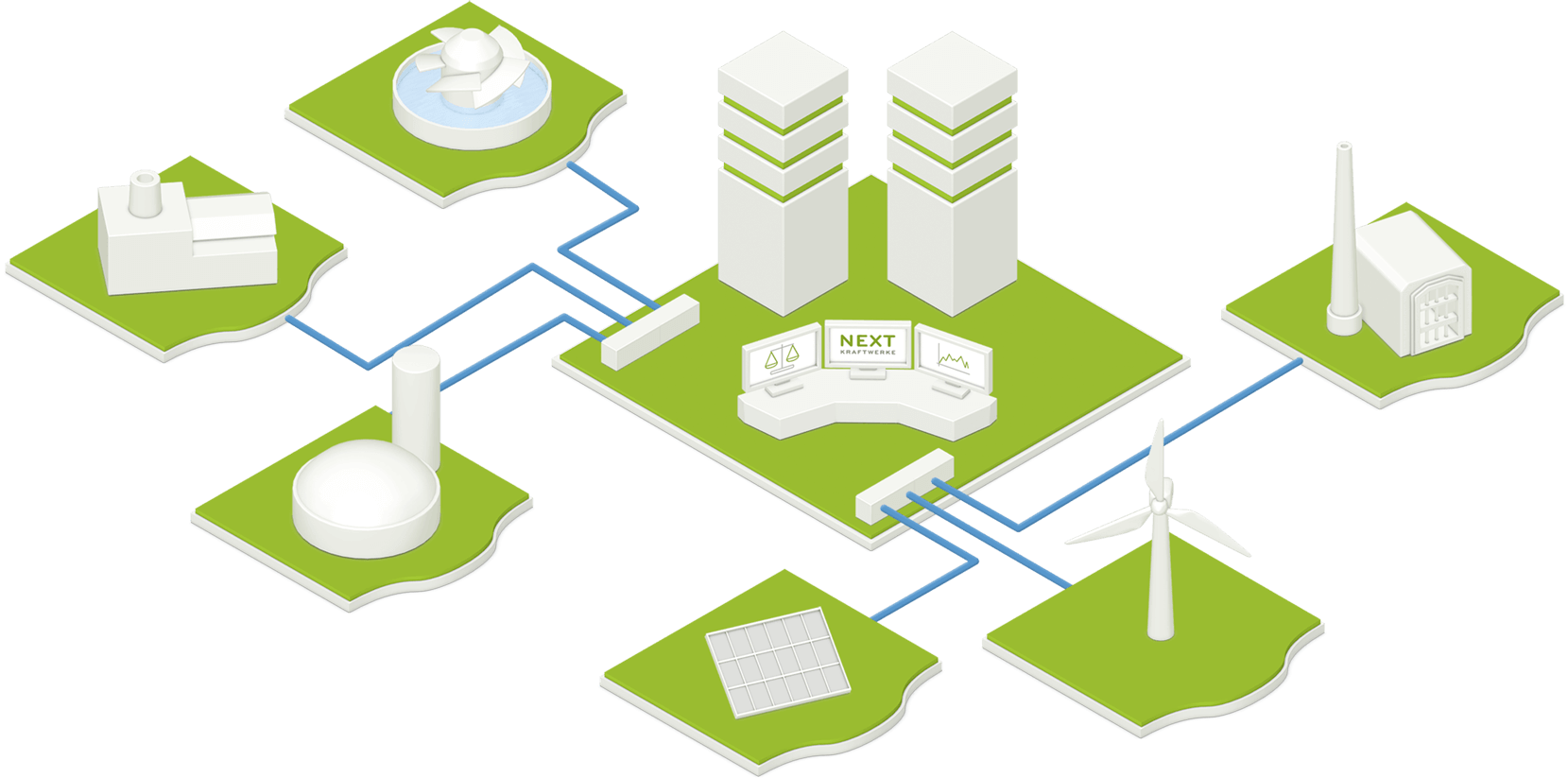
Across the United States, a quiet revolution is changing the way we think about energy. It’s not happening in massive power stations or through billion-dollar infrastructure projects. Instead, it’s unfolding in ordinary neighborhoods on rooftops, in garages, and behind smart thermostats. Homes equipped with solar panels, electric vehicles, and connected appliances are linking together to form what experts call virtual power plants.
By Lika Kobeshavidze4 min readJanuary 12, 2026
→
Environment
Last year, in one of his first actions on inauguration day, President Donald Trump signed an executive order directing federal agencies to stop using the social cost of carbon (SCC) when weighing the costs and benefits of regulations. The decision prompted predictable outrage from many environmental activists, climate scientists, and economists, who argued that abandoning the SCC would strip climate regulations of their scientific grounding.
By David Kemp6 min readJanuary 7, 2026
→

Agriculture
Long before climate policy became a hotbed for political debates, America had already trailblazed one of the most impactful tools for protecting the environment: conservation. From the restoration of rangeland, wetlands, and forests to the creation of national parks, America has a rich, bipartisan tradition of properly natural landscapes.
By Walter Blanks Jr3 min readDecember 22, 2025
→
Energy
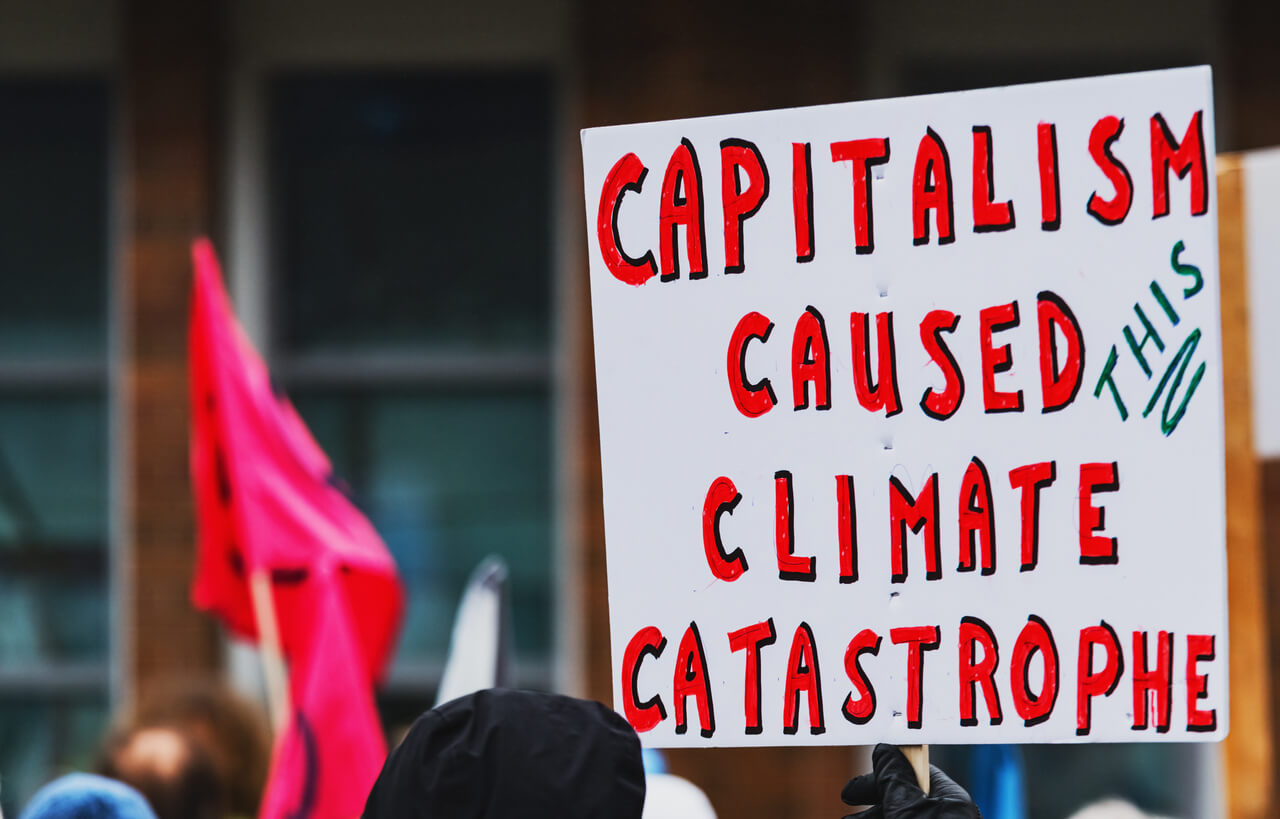
An alliance of more than 200 environmental organizations is demanding a national moratorium on the construction of new data centers, escalating opposition to an industry that has become central to the rapid expansion of artificial intelligence and cloud computing.
By Adrian Norman4 min readDecember 18, 2025
→
Environment
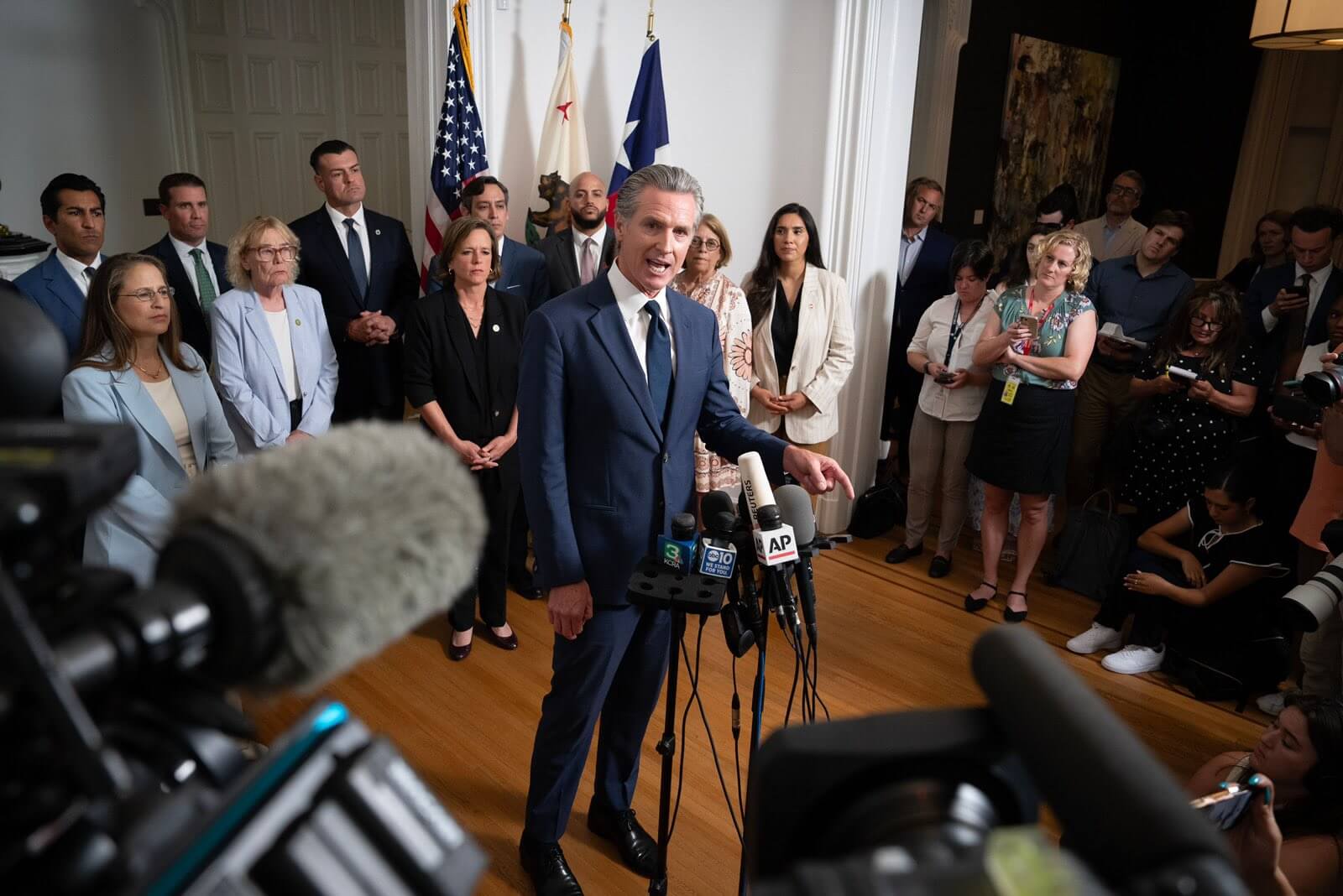
At a recent climate conference in Brazil, the Governor of California Gavin Newsom insisted that “The United States of America is as dumb as we want to be on this topic [of climate change], but the state of California is not,” Newsom said. “We are going to assert ourselves, we’re going to lean in, and we are going to compete in this space.” Let’s review the facts and see who is really doubling down on dumb.
By Drew Bond4 min readDecember 16, 2025
→
Environment
The Clean Air Act (CAA) is now 55 years old—and shows its age. That’s not a critique of its legacy. The law, in conjunction with innovation and private investment in environmental improvement, has contributed to significant improvements in air quality, public health, and environmental protection. But its regulatory framework still operates like it’s 1970, often resulting in costly, inefficient regulations that stifle economic growth for little environmental gain.
By Nick Loris5 min readDecember 11, 2025
→
Energy
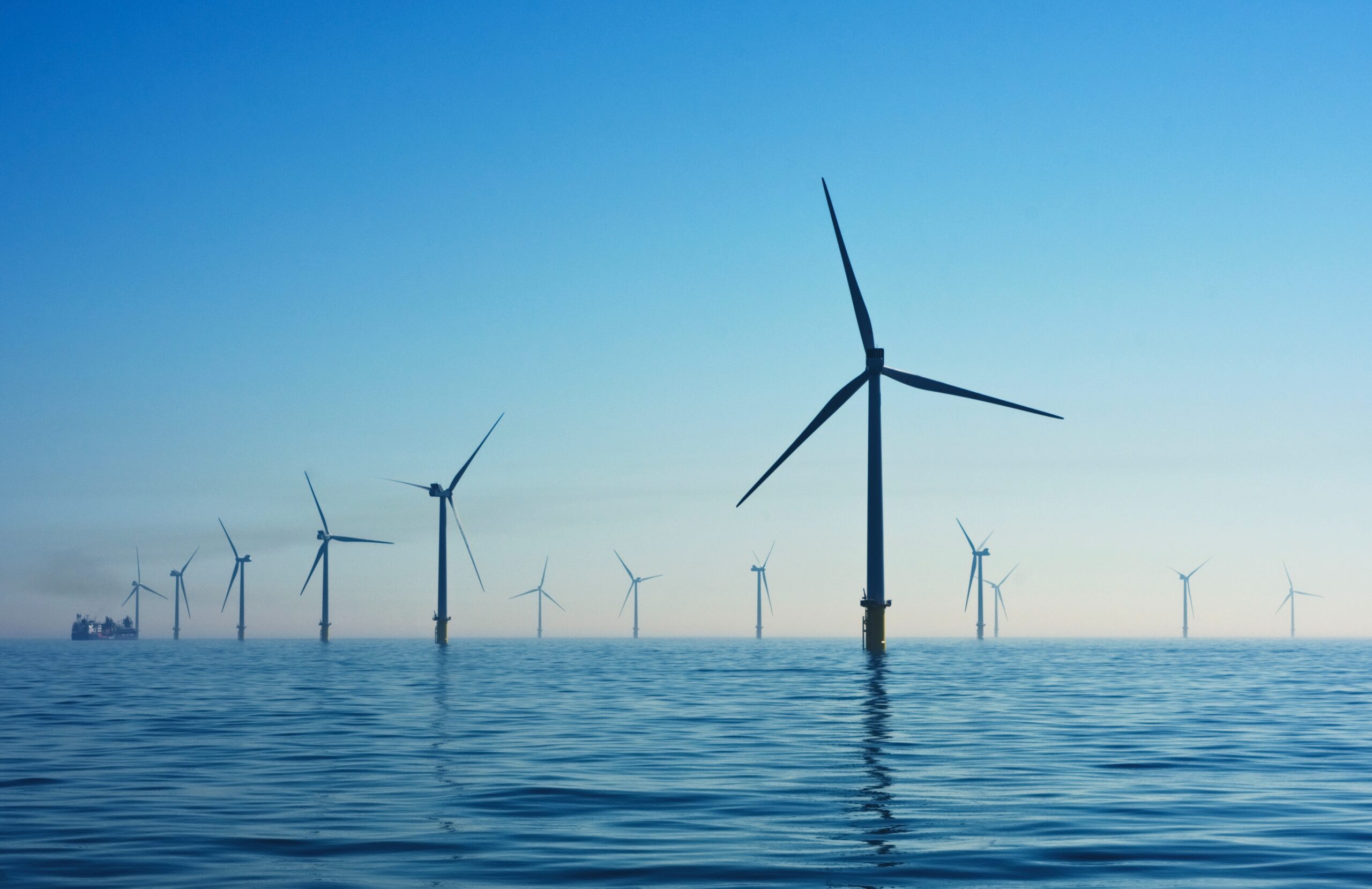
The Trump administration’s stop-work orders on renewable energy projects add an under-discussed layer of friction in the United States’ bid for energy dominance. While the effects of halting near-finished offshore wind projects are immediately apparent, the downstream political consequences could hobble the administration’s hopes for progress on both bipartisan permitting reform and their “build baby build” energy posture.
By Alina Voss3 min readDecember 9, 2025
→
Energy
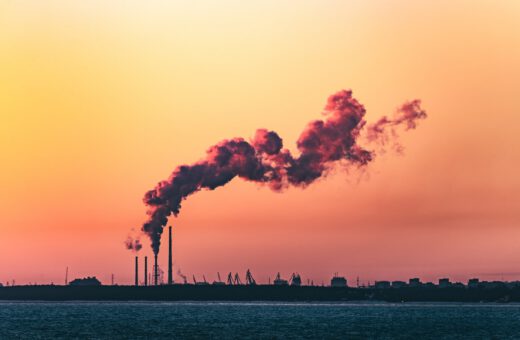
A new climate change lawsuit filed last week in Washington State takes a novel approach by arguing that the fossil-fuel industry is responsible for rising homeowners’ insurance premiums. The plaintiffs, two Washington residents, claim their costs have increased because of a growing number of climate-related natural disasters.
By David Kemp6 min readDecember 8, 2025
→

Energy
Efficient permitting isn’t a partisan luxury – it's a national imperative. As our nation confronts rising energy demand, aging infrastructure, and growing pressure on our natural lands, the question is not whether we should reform our permitting processes; it’s how quickly and boldly we will.
By Nick Loris3 min readNovember 21, 2025
→
Energy
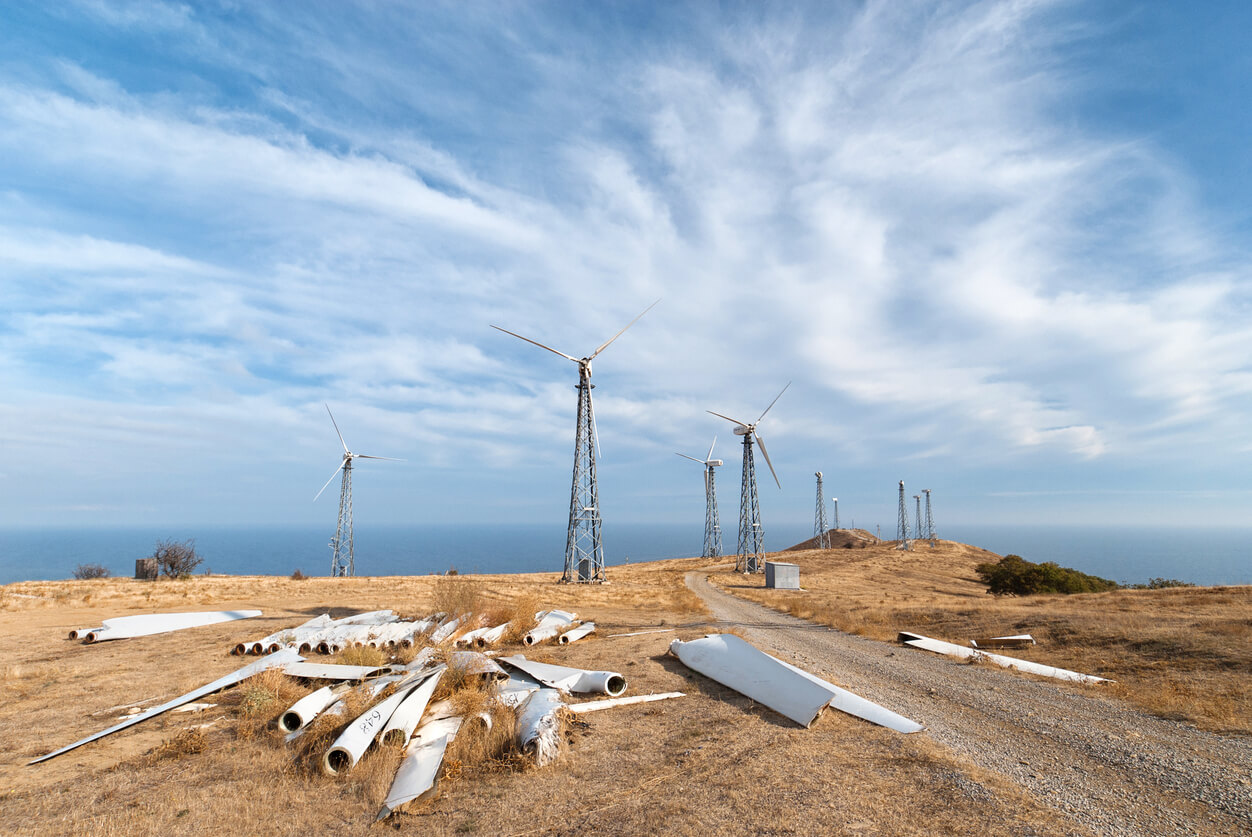
Economist Thomas Sowell once stated, “There are no solutions. There are only trade-offs.” Nowhere is that clearer than in debates over climate policy, where enthusiasm for low-carbon technologies frequently outpaces planning for their long-term consequences.
By Adrian Norman4 min readNovember 20, 2025
→
