

Energy
Inflation’s Assault on Clean Energy
Reducing wasteful and redundant government spending and modernizing regulations will lower borrowing costs for companies and make clean energy more competitive.
Energy
Reducing wasteful and redundant government spending and modernizing regulations will lower borrowing costs for companies and make clean energy more competitive.

Energy
Maine’s residential electricity rates are already 59% higher than the national average. They will only rise more if Maine cannot build pipelines, transmission lines, and power stations.

Energy
The faster candidates pivot to making the case for economic freedom, and avoid lower priority fights, the better.

Agriculture
Talus offers a sustainable, low-cost ammonia alternative that will save farmers money and help the agricultural industry reduce its emissions.

Energy
A more competitive nuclear industry would be good for energy security and the climate.

Agriculture
Micro-pumped hydropower systems could provide additional clean energy and energy storage for America's farmers

Energy
Opening up trade, reducing inefficient regulations, and promoting pro-growth tax policies will allow the market to respond to consumer demands for cleaner technologies without leaving the developing world behind.
Energy
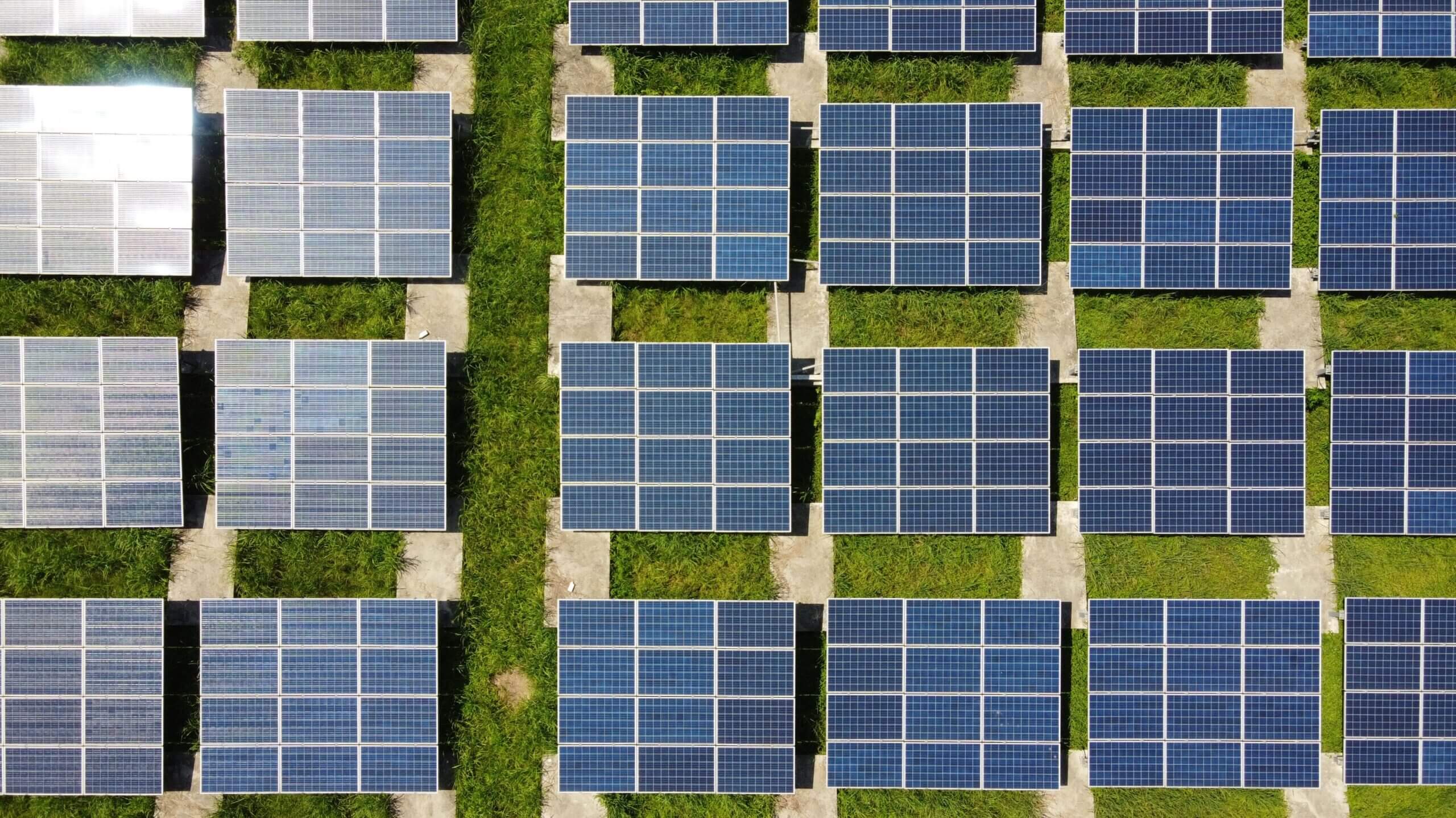
Successful energy and climate policies should liberate producers and innovators to provide consumers with what they want as opposed to policymakers and regulators dictating to consumers what they think they should have.

Energy
Expanding renewable energy generation can coincide with high property values for homeowners and businesses.
Energy
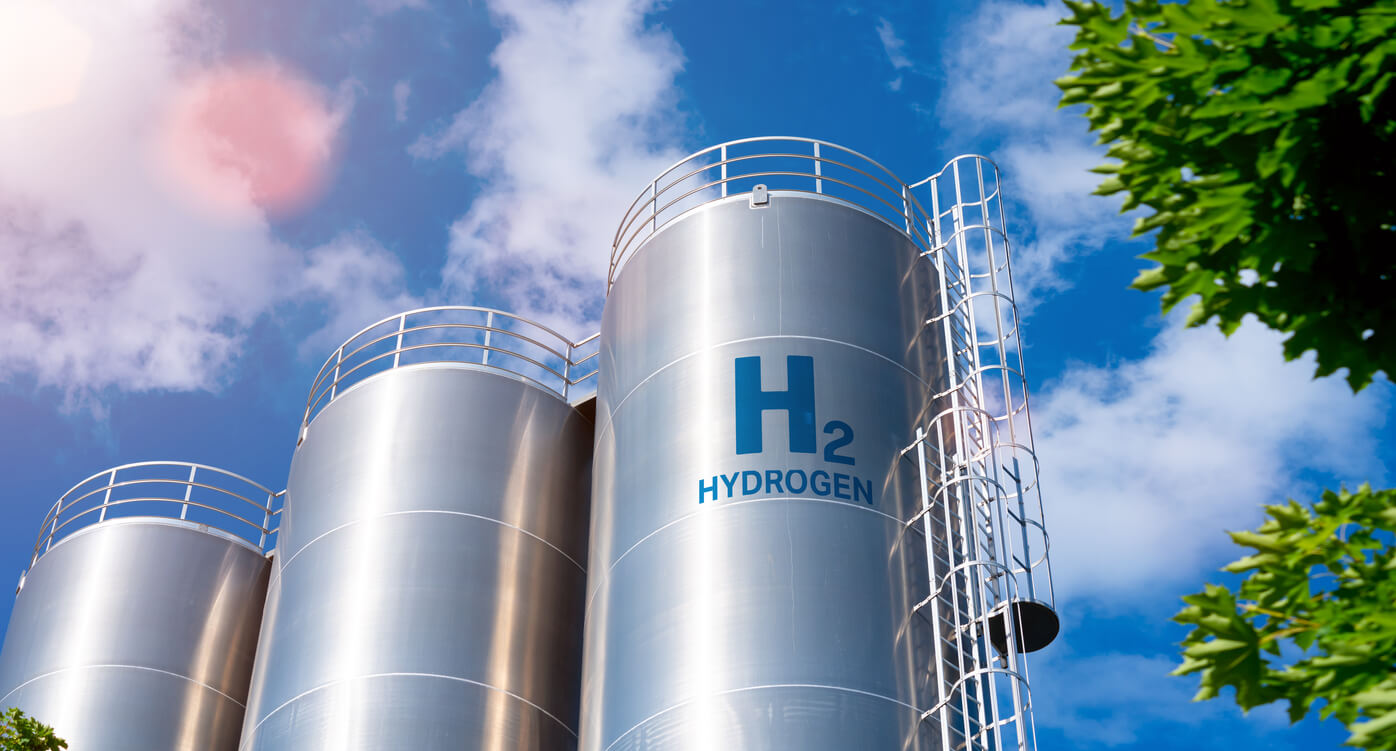
Together the Regional Hydrogen Hubs will further America’s hydrogen industry and benefit consumers and the environment.