Energy
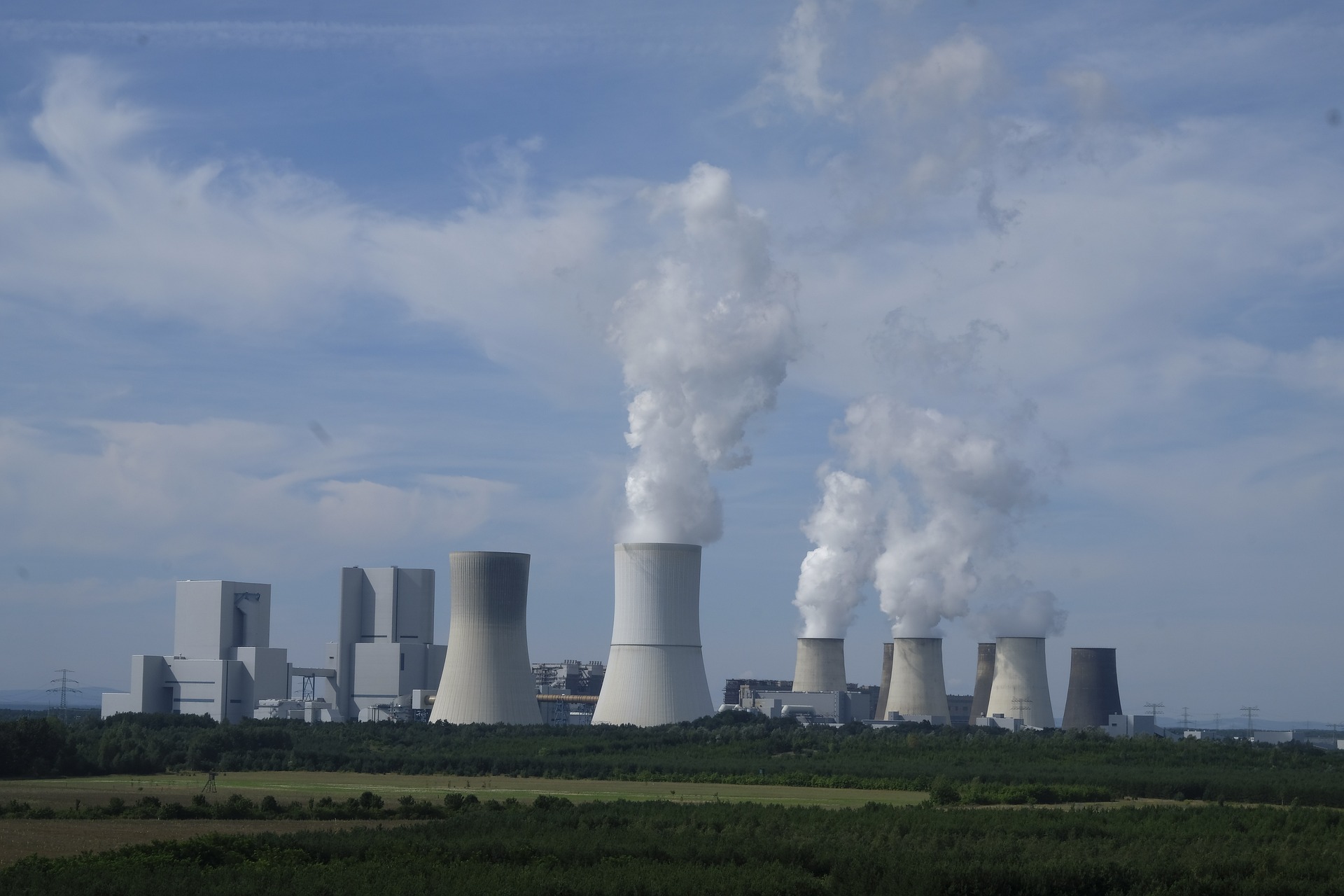
Reforming the Nuclear Regulatory Commission’s [NRC] outdated radiation protection framework is essential to unlocking nuclear energy’s potential. Reconsidering the linear no-threshold (LNT) radiation standard could help streamline construction and lower costs, strengthening the President's nuclear agenda without compromising safety.
By Andrew Follett3 min readJuly 6, 2026
→

Infrastructure
Americans are exhausted by the cost of living—and energy sits at the heart of it. Recently published research by Kevin Dayaratna and Kat Miller at Advancing American Freedom (AAF) analyzing worldwide data finds that robust energy production is directly tied to higher incomes, greater productivity, longer life expectancy, and lower child mortality. The reality is stark: no country has ever achieved high living standards without substantial energy use.
By Kevin Dayaratna, Ph.D. and Paul Teller4 min readJuly 2, 2026
→

Energy
The surge in data centers with energy needs equivalent to small cities has put a spotlight on the new transmission infrastructure required to serve these customers. But recent action from the Federal Energy Regulatory Commission (FERC), America’s top energy market regulator, takes aim at a more basic question in this rapid buildout: who pays for that new steel in the ground, and when? Right now, the rules that determine cost allocation are opaque enough that customers who never asked for those upgrades can end up footing the bill. That is the cost-shifting problem the Commission just put a target on for transmission utilities across the country.
By Dylan Maxik4 min readJune 30, 2026
→
Energy
Trade tensions between the U.S. and China continue to escalate, and rare earths remain a central pawn, despite an apparent agreement reached last month, in which China would address U.S. concerns over shortages of rare earths and other critical minerals. Earlier this week, China added 10 companies to its export control list, banning exports of dual-use rare earths to firms it says are tied to the U.S. military. The move was a response to Washington’s decision earlier this month to add new companies, including large Chinese firms such as Alibaba and Baidu, to a list of entities it says assist the Chinese military, a designation that restricts their access to U.S. technology and trade.
By David Kemp5 min readJune 29, 2026
→

Infrastructure
Recent heatwaves across Western Europe are highlighting the growing need for reliable and efficient climate-control infrastructure. limate infrastructure firm Trane Technologies is helping address this challenge through its energy optimization services powered by artificial intelligence. A leading provider of heating, ventilation, and air conditioning (HVAC) systems, Trane’s innovative roster of energy-efficient technologies reduce energy consumption, improve efficiency, and enhance operational resilience across a wide array of facilities, from data centers and hospitals to residential buildings.
By Nathalie Voit3 min readJune 25, 2026
→

Energy
Two hundred and fifty years young, the United States of America remains the best country in the world. We’re not perfect, but we still pass “the gates test” with flying colors.
As the longtime conservative leader Bill Bennett noted in highlighting the Berlin Wall, “You can measure a nation’s worth by observing the flow of humanity when barriers are raised: do they fight to enter, or do they risk everything to escape?” In America, people are still desperately trying to get in, and for good reason.
By Drew Bond6 min readJune 23, 2026
→
Energy
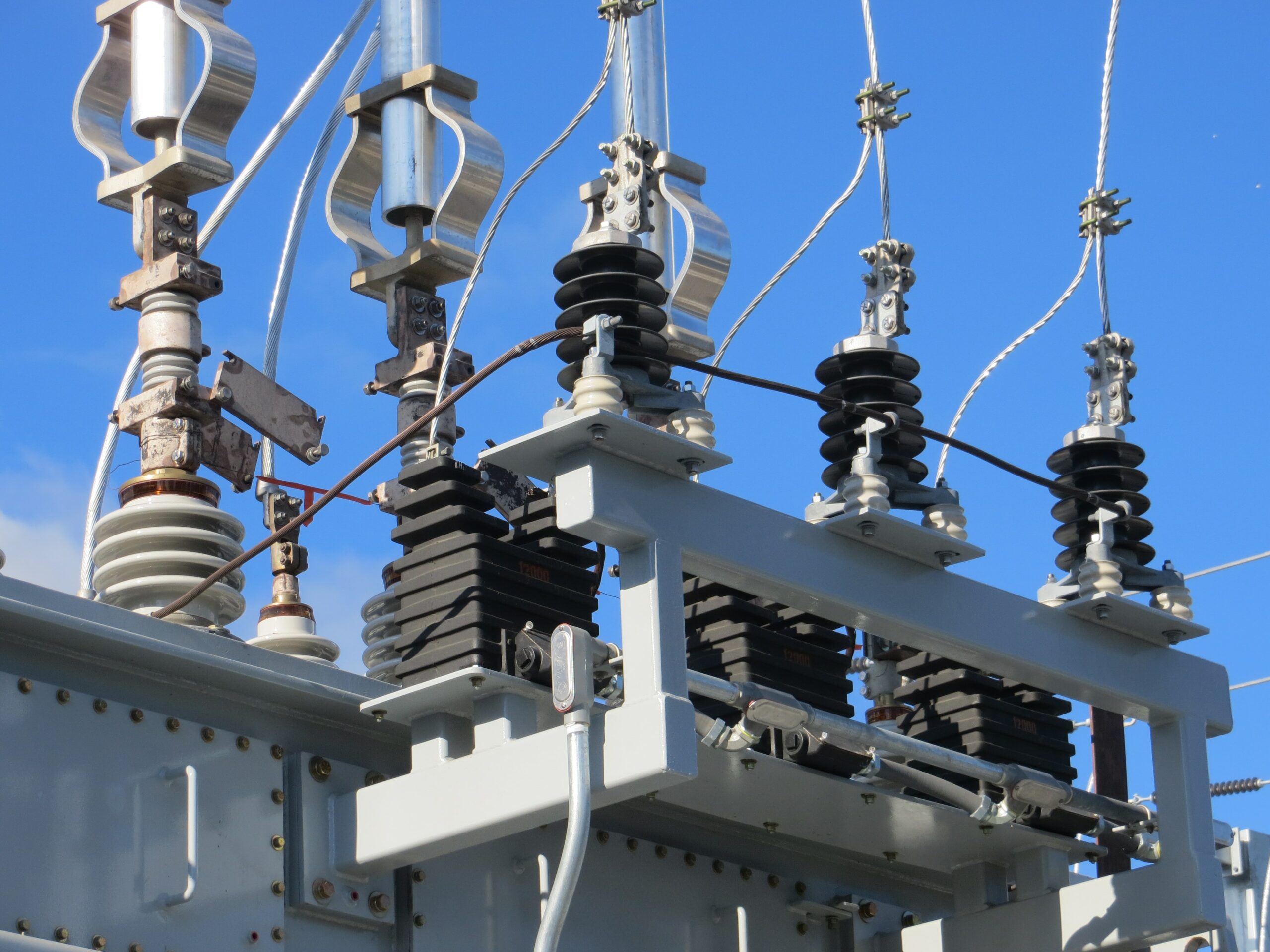
Electricity bills are up, and data centers are getting the blame. But in the data so far, the states with the fastest-growing power use have mostly seen rates rise slower than elsewhere, not faster. Rising demand is supposed to push rates up, not down, but there are good reasons to think rising demand has held electric rates down in some areas. The question worth asking is whether we can count on that to last.
By Michael Giberson4 min readJune 22, 2026
→

Energy
Yesterday, the United States and Iran signed an agreement to end the war. The 14-point Memorandum of Understanding (MOU) includes an immediate and permanent end to military operations, the lifting of the U.S. naval blockade, and the reopening of the Strait of Hormuz. It is a preliminary deal, not a final settlement, and sets a maximum 60-day deadline to negotiate a final agreement.
By David Kemp4 min readJune 18, 2026
→

Conservation
In the 154 years since, the world has followed America’s lead, establishing national parks in over 100 countries. The United States now has 63 federally protected national parks, and hundreds of other National Park Service sites including battlefields, trails, seashores, and rivers. Often called “America’s best idea”, all play an incredible role in the preservation of some of the country’s most treasured landscapes.
By Cecilia Fassett4 min readJune 17, 2026
→

Energy
Necessity, the proverb says, is the mother of invention. That indicates that the reason behind most innovations is that they fill a need. Many of us have a different, more modern way to explain that same observation: free markets work. People see a need, and they innovate to fill it, often crafting a new product or service.
By Drew Bond4 min readJune 16, 2026
→
Energy
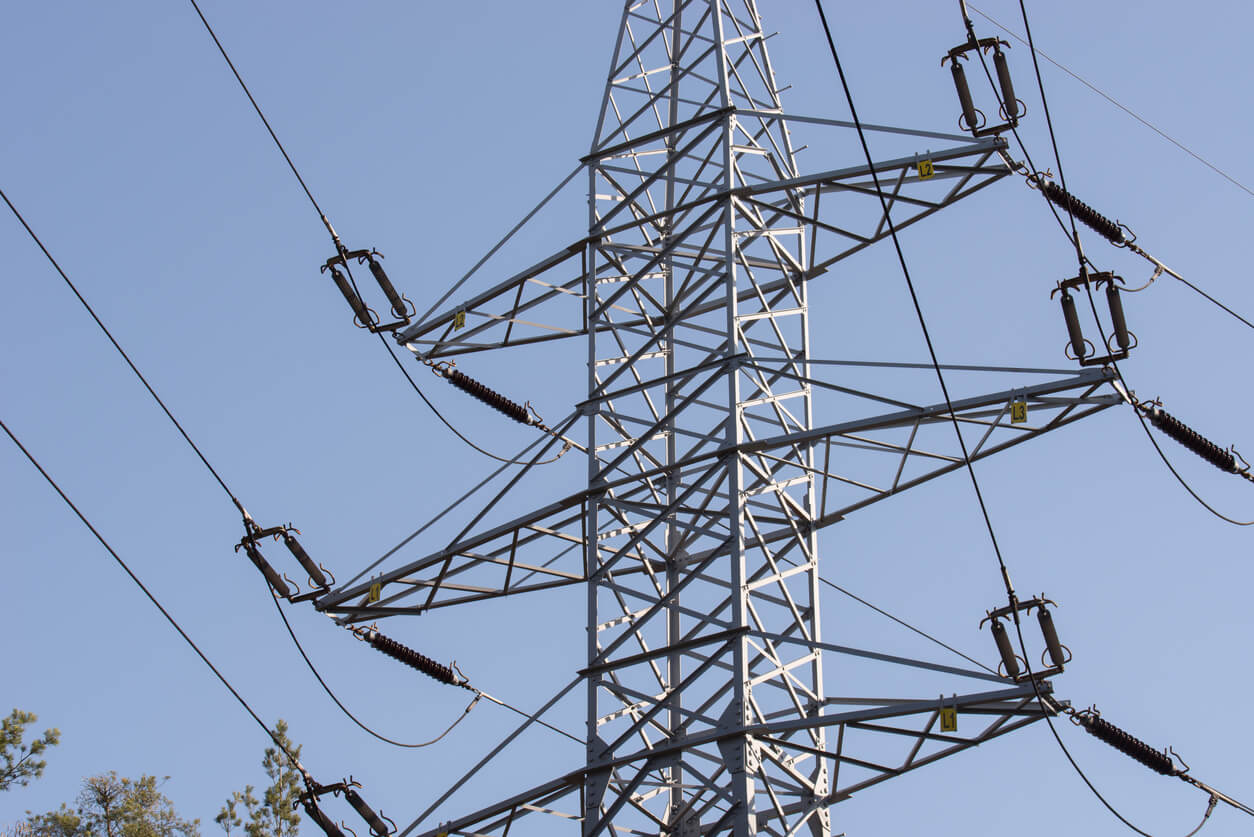
The surge in AI and data centers risks driving up electricity demand faster than we can deploy the power lines needed to carry it. The high-voltage transmission that this expansion, and economic growth more broadly, relies on is slow and expensive to develop, and stuck in an outdated regulatory system that often hands the work to local utilities without competition. New analysis from the R Street Institute shows what this costs us, finding that, when transmission projects are open to competitive bidding, they get built cheaper and faster.
By Dylan Maxik4 min readJune 15, 2026
→

Energy
The term “moon shot” was launched in the 1940s, according to research by the Oxford English Dictionary. “The real result of all the work which would have to go into the moon shot,” Rotarian magazine wrote in 1949, “would be the knowledge of how to build and operate rockets of such size.”
By Drew Bond4 min readJune 11, 2026
→
