
Energy
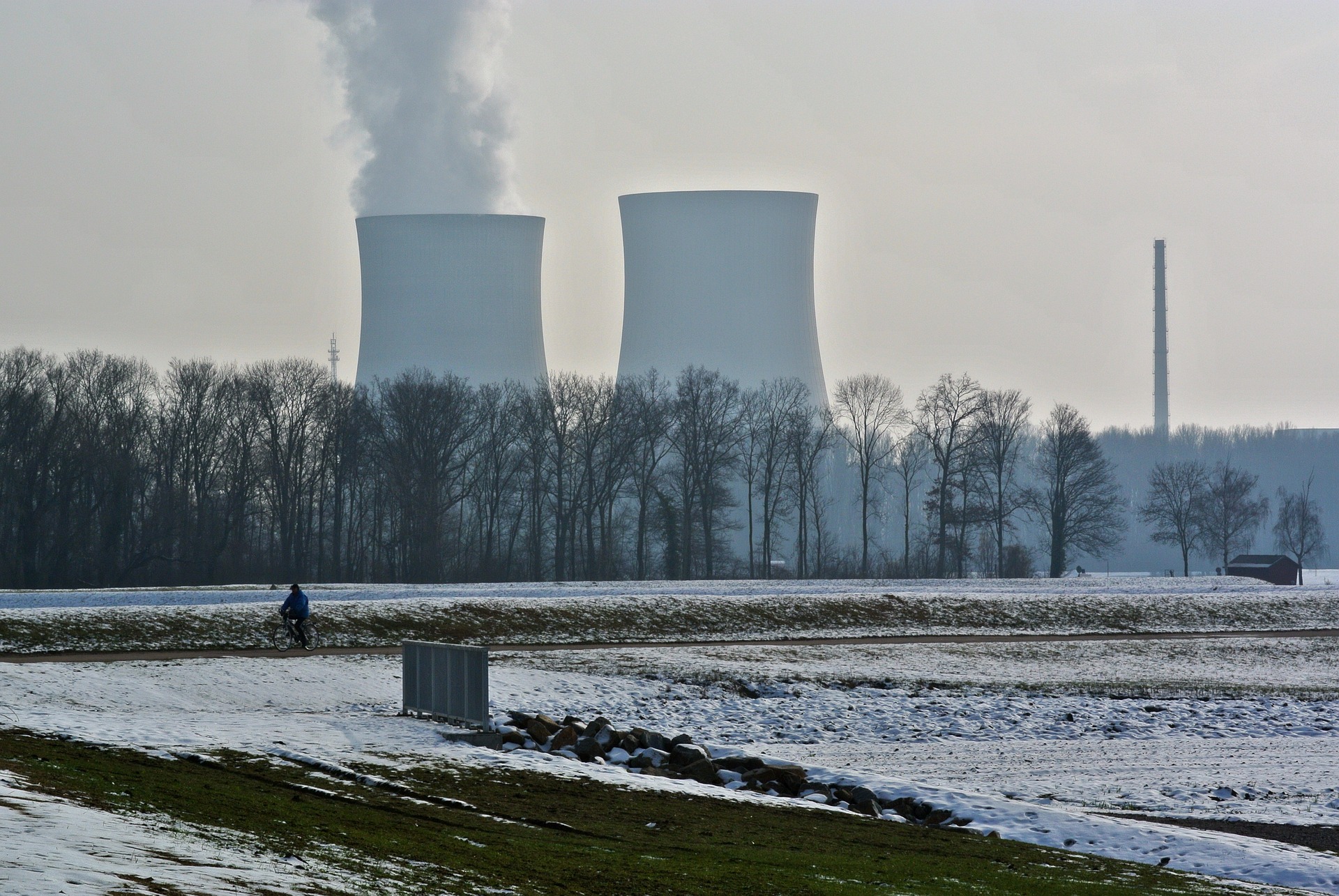
House Energy and Commerce Moves to Unleash Nuclear Power
A more competitive nuclear industry would be good for energy security and the climate.
Energy
A more competitive nuclear industry would be good for energy security and the climate.
Agriculture
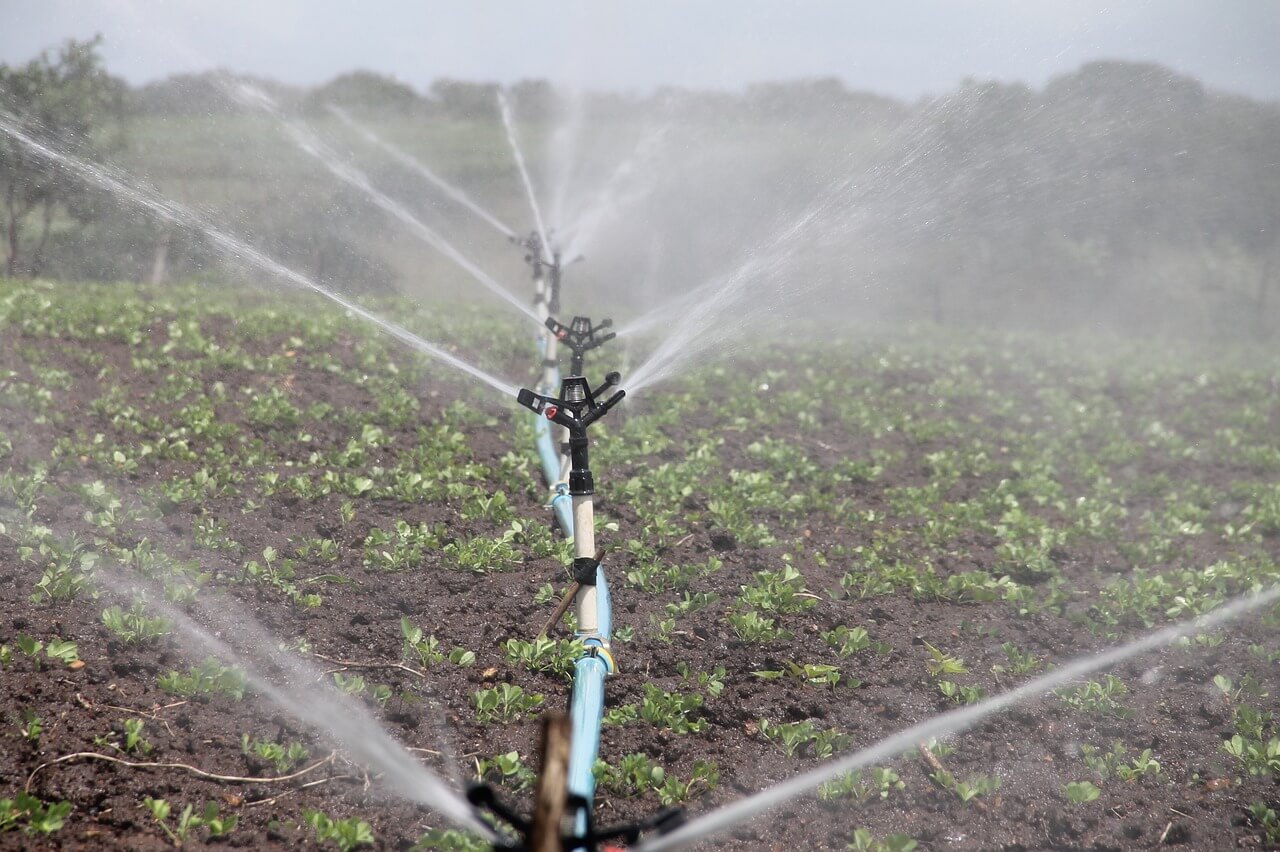
Micro-pumped hydropower systems could provide additional clean energy and energy storage for America's farmers
Environment
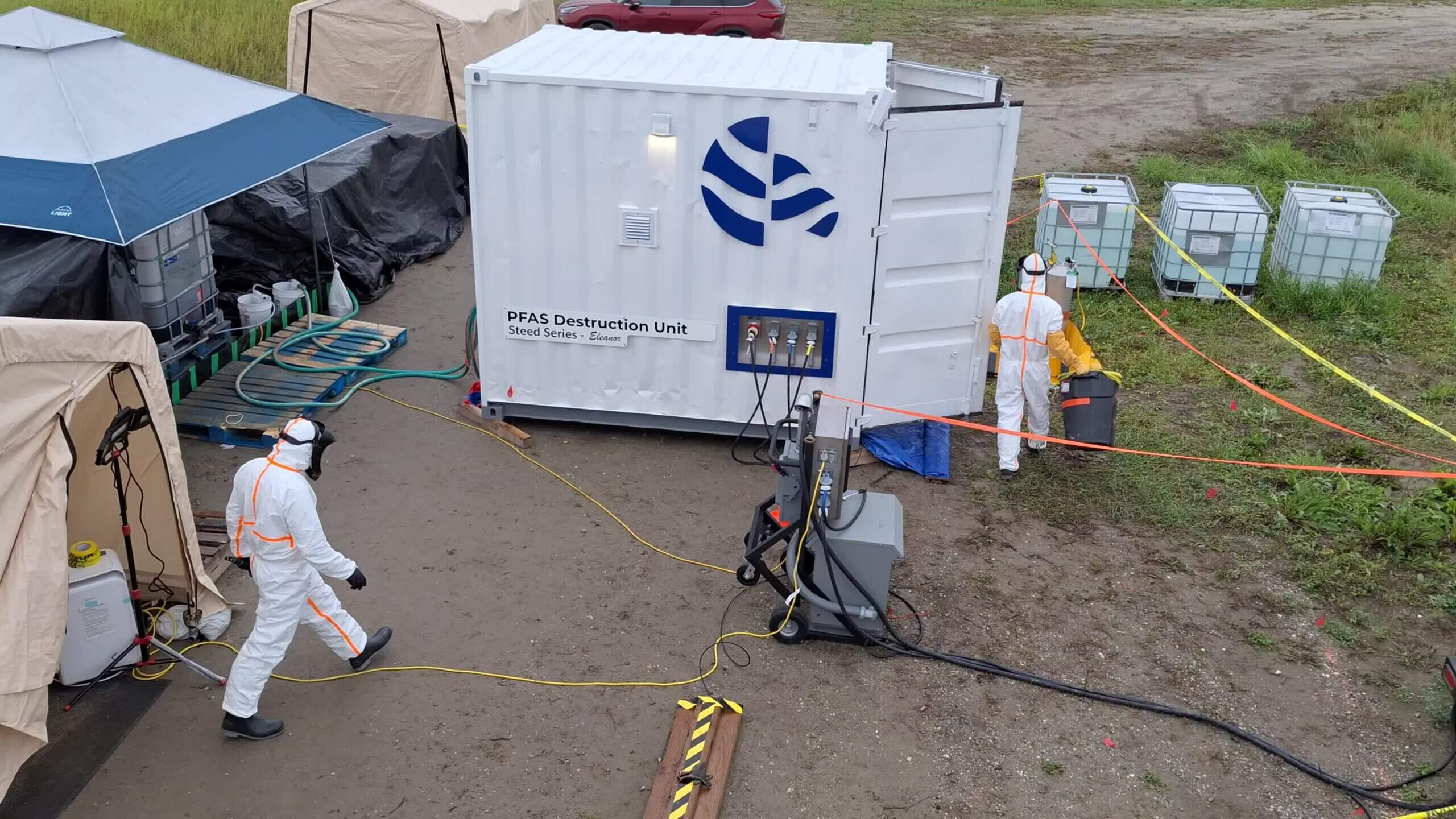
As demand for PFAS removal services soars, the private sector is stepping in to deliver solutions that have the potential to eliminate even the most pervasive man-made chemicals.
Energy
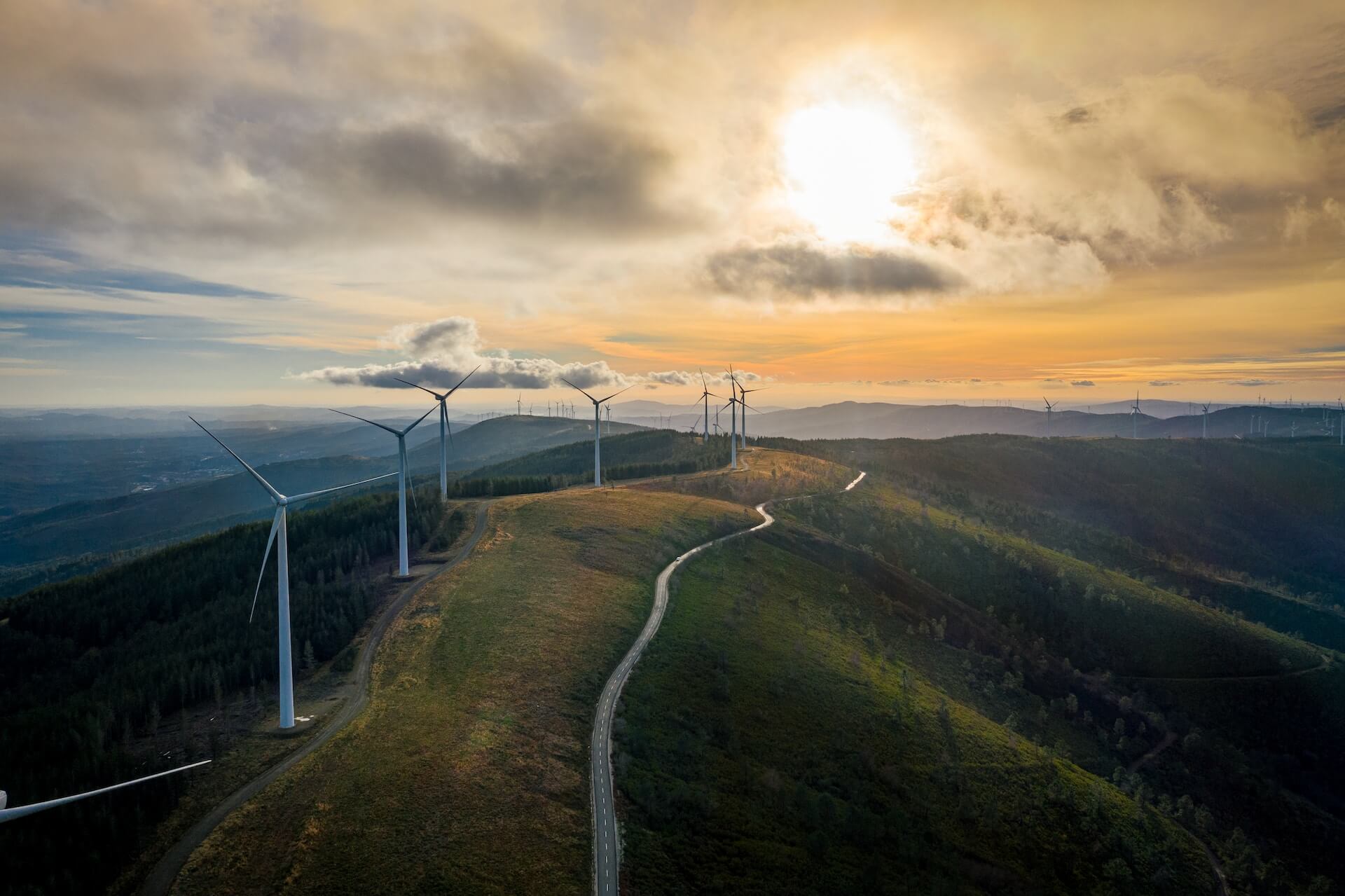
Opening up trade, reducing inefficient regulations, and promoting pro-growth tax policies will allow the market to respond to consumer demands for cleaner technologies without leaving the developing world behind.

Conservation
Market-based conservation efforts are showing the power that incentives and private management provide in protecting endangered and threatened species.
Energy
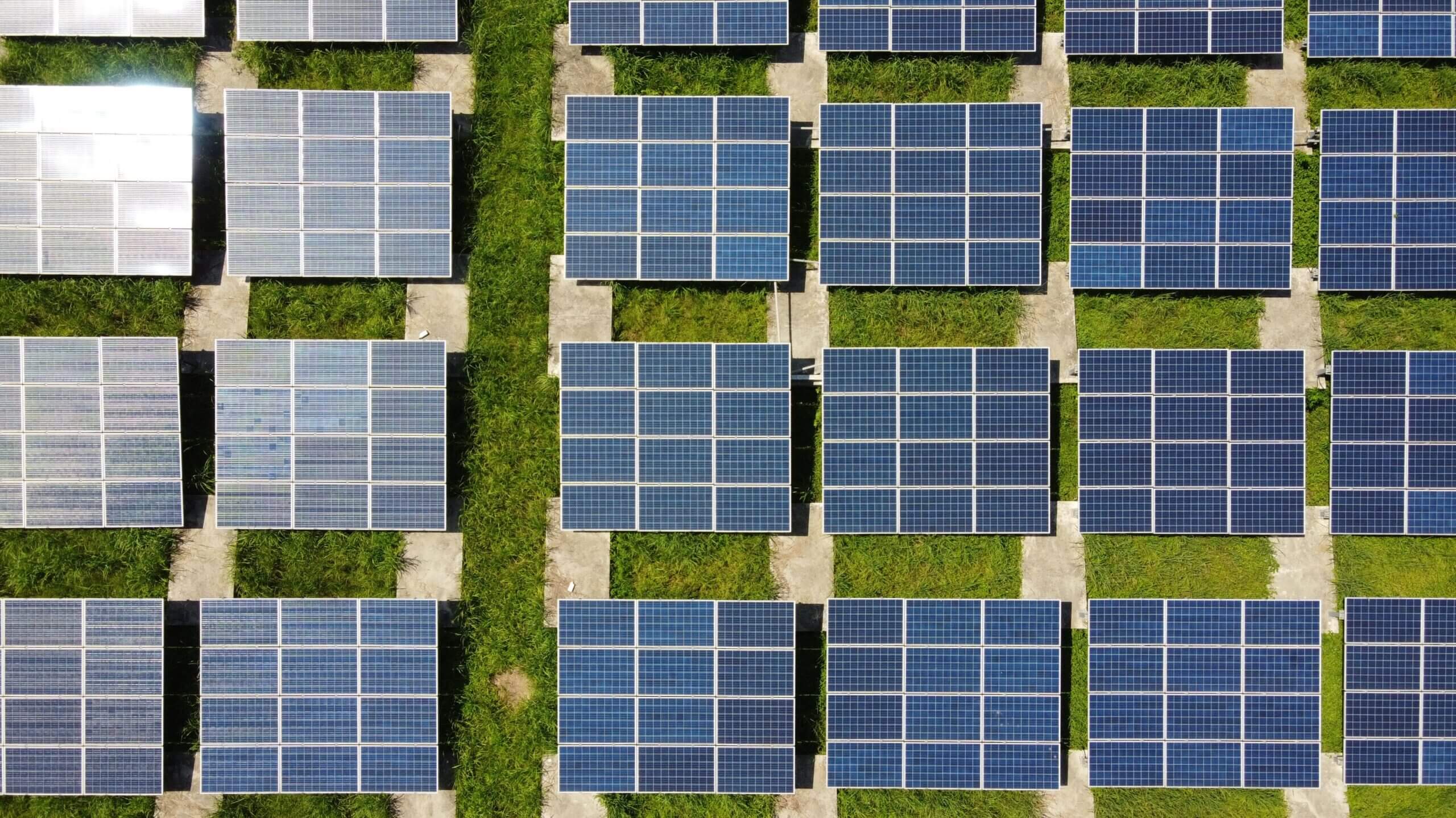
Successful energy and climate policies should liberate producers and innovators to provide consumers with what they want as opposed to policymakers and regulators dictating to consumers what they think they should have.
Energy
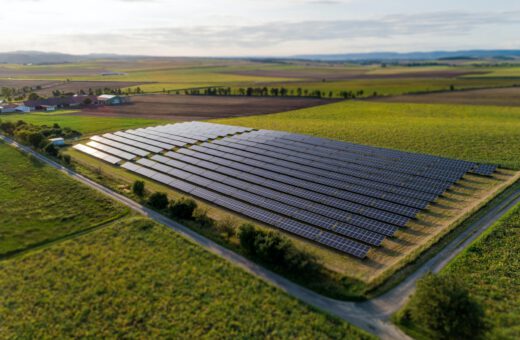
Expanding renewable energy generation can coincide with high property values for homeowners and businesses.
Energy
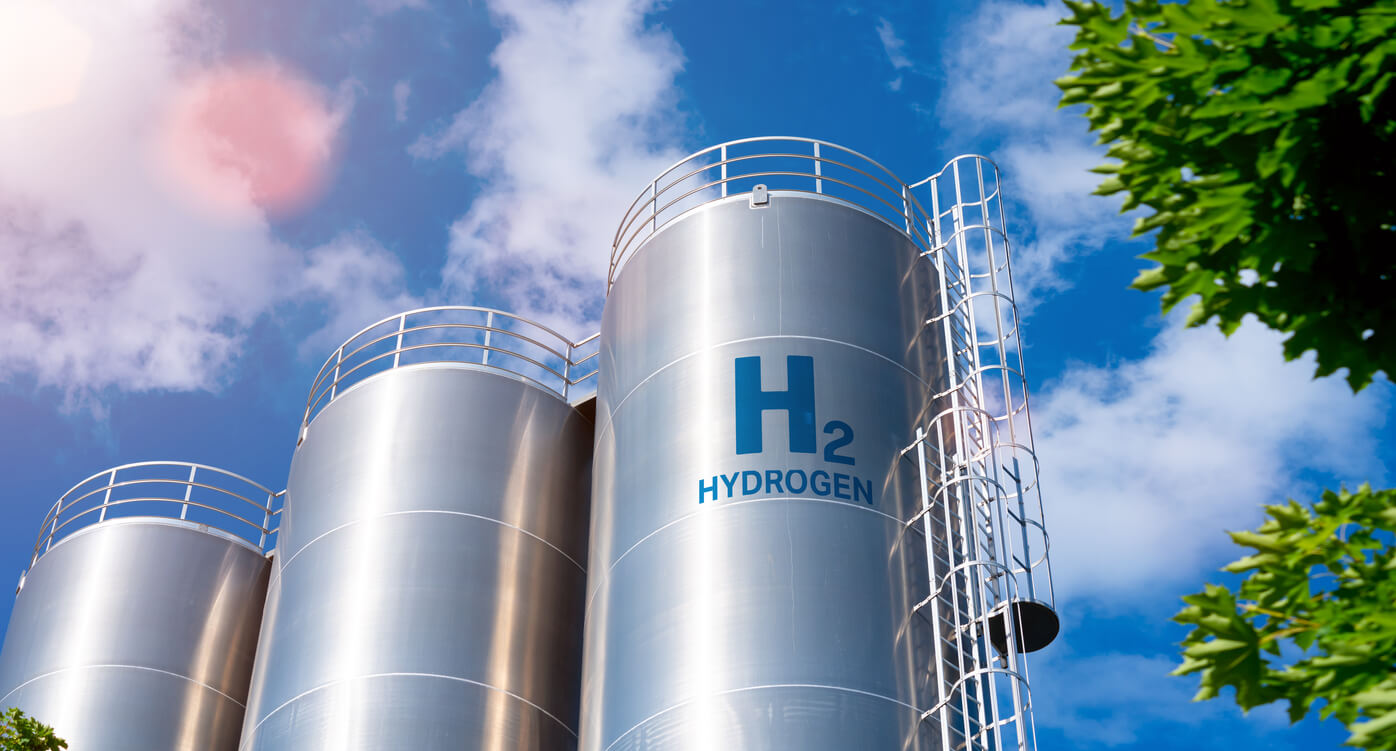
Together the Regional Hydrogen Hubs will further America’s hydrogen industry and benefit consumers and the environment.

Environment
Young Americans may not want to have children for personal reasons, but if their decision to go childless is driven by fears of climate change, society and our leaders should urge them to strongly reconsider.

Energy
Blocking Access to American Energy Resources Invites Aggression

Environment
As the heart of South America, Paraguay is leading the way for other developing nations to follow.
Environment
"The startup’s weapon of PFAS destruction incorporates technology from the University of Washington and the Colorado School of Mines. It annihilates the pollutants in a device that can reach high pressure and temperature — hitting 570 degrees Fahrenheit. To that they add lye — an ingredient in soap — to create a caustic environment. The conditions dismantle the PFAS, breaking off the compound at its head, chopping up its spine of carbon molecules, and lopping off the fluoride molecules that run along the backbone."