It seems Governor Evers nearly forgot about 14 percent of Wisconsin’s electricity generation in the state’s first-ever Clean Energy Plan this week.
The Wisconsin Clean Energy Plan, according to the governor and the Office of Sustainability and Clean Energy, will create more than 40,000 jobs and move Wisconsin toward in-state energy independence. These goals are admirable, to be sure, but the Evers Administration fell into a common trap: there’s little mention of developing Wisconsin’s nuclear energy.
>>>READ: America Can’t Have a Clean Energy Future Without Nuclear Power
To be fair, the Clean Energy Plan does mention nuclear energy, but two-and-a-half times less than solar power. The simple fact is Wisconsin cannot run on solar and wind alone, not today and not in 2050 when the plan pledges to have 100 percent carbon-free electricity. Wisconsin’s nuclear energy is a critical piece of the puzzle.
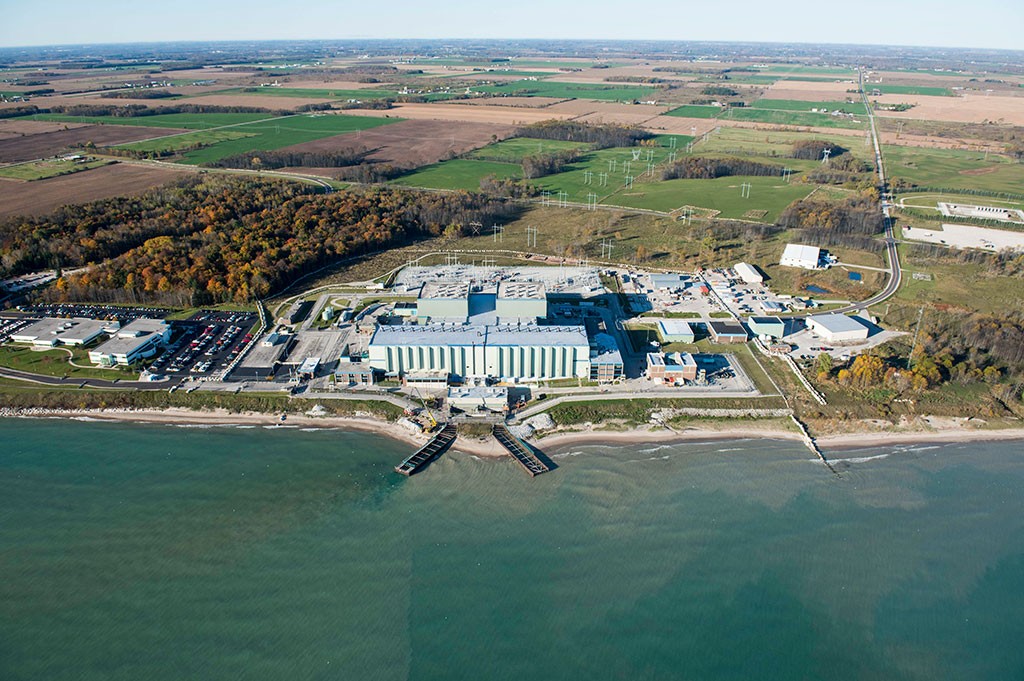
Currently, there are three nuclear power plants within the state, but only one – Point Beach – is operational. Unfortunately, the two reactors on site are only licensed to operate through 2030 and 2033 respectively. With nuclear power plants across the country in jeopardy, it’s not unreasonable to think that these plants may, too, be victims of anti-nuclear sentiments within the environmental movement.
We’ve already seen the rejection of nuclear energy play out, both abroad and here at home. Germany’s energy transition has recently made headlines because after Chernobyl, the country pledged to stop generating nuclear energy in favor of renewables like wind and solar. This ultimately caused an energy shortage and made Germany reliant on Russian natural gas. By rejecting clean nuclear energy, Germany handed its wallet to Russia, and coal became its leading energy source.
Here at home, we see the repercussions of nuclear rejection as well. Last year, the Indian Point nuclear reactor in New York closed, and the state’s emissions promptly increased by more than 40 percent. Progressive climate activists cheered the closure of the plant because their leaders suggested the energy generation would be replaced by renewables, but instead, coal and natural gas took its place.
>>>READ: Finland Bets on Nuclear Energy and The US Should Do the Same
It’s important to note that when we talk about nuclear energy that we clarify we’re not talking about your grandfather’s nuclear reactor. Most nuclear advocates are not in favor of building huge 1950s-style nuclear power plants. Instead, we’re talking about small modular nuclear reactors (SMRs), cutting-edge technology that means baseload clean energy. While you may be envisioning green slime and nuclear meltdowns thanks to pop culture like The Simpsons, nuclear power is actually the safest form of energy we have available.
As a climate activist and Wisconsin-native, I would implore those in Governor Evers’ administration to prioritize nuclear energy within this clean energy plan. There needs to be more than a passive mention of Point Beach – which by itself is a whopping 14 percent of the state’s electricity generation – as well as the potential for advanced production from Wisconsin’s nuclear energy.
Benji Backer is an Appleton, Wisconsin native and the president and founder of the American Conservation Coalition (ACC). Follow him on Twitter @BenjiBacker.