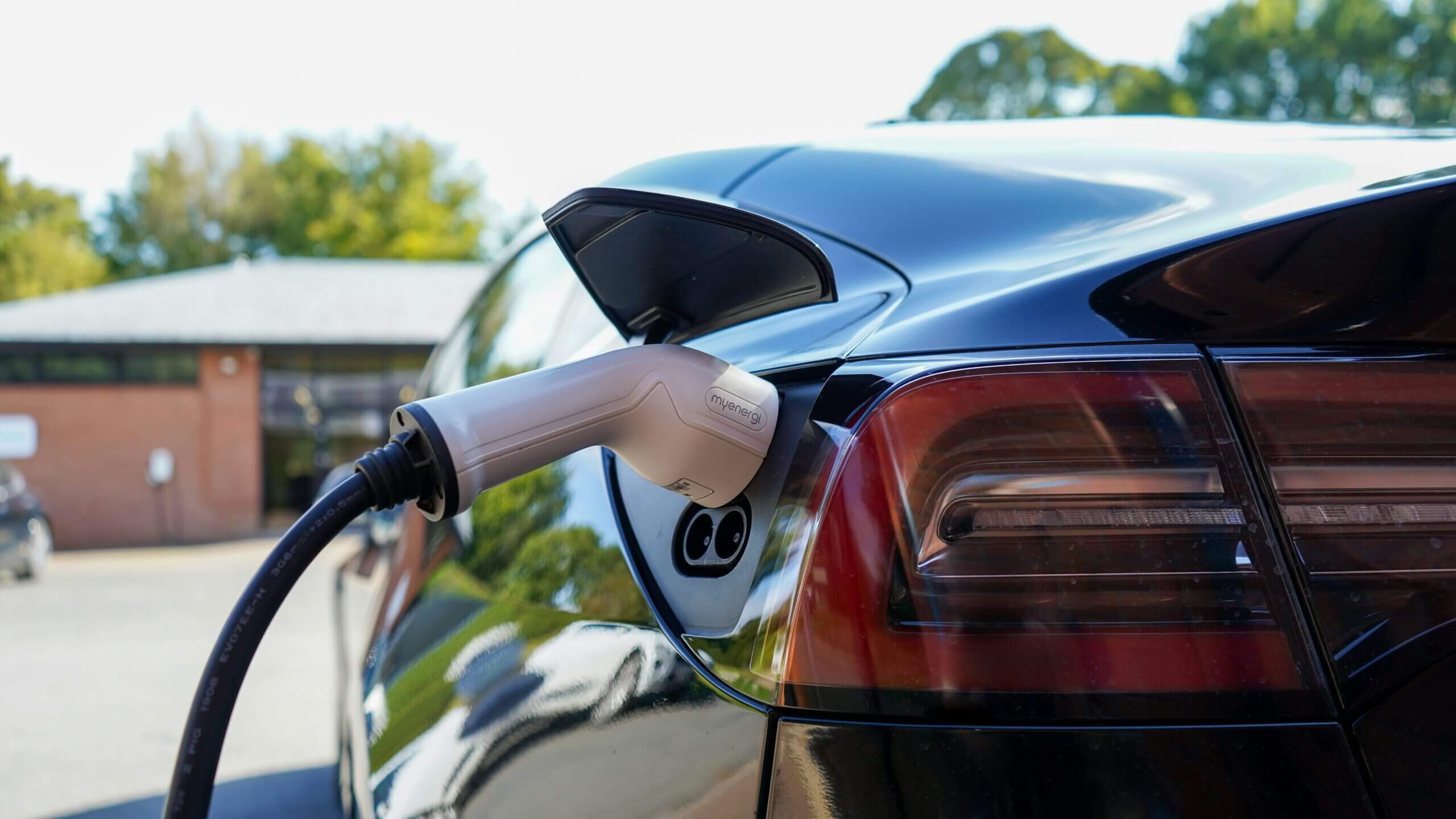
2024 has not been kind to the electric vehicle, particularly in the United States. Sales are down, Tesla laid off staff, and EVs have been caught in the political crosshairs. The future of transportation may still be electric, but recent struggles underscore the market’s role in determining that future.
In this year alone, freezing weather in Chicago stranded EV drivers as the winter storms rapidly depleted batteries and incapacitated charging infrastructure. Several automakers abandoned EV targets, Ford cut production plans for its F-150 Lightning and Hertz offloaded 20,000 EVs to replace them with gas-powered cars. Tesla conducted a spree of layoffs and the U.S. Energy Information Administration reported declining sales of battery electric vehicles for the first quarter of 2024.
>>>READ: Could Solid-State Batteries Accelerate Electric Vehicle Adoption?
Recent polling shows the hesitancy that many Americans feel toward EVs. An October 2023 survey from Yahoo Finance and Ipsos found that 57 percent of respondents were unlikely to purchase an EV. A Gallup poll published in March 2023 found that 41 percent of adults would not purchase an EV while 43 percent might consider it in the future. Opposition is much stronger among Republicans, with 76 percent (Yahoo) and 71 percent (Gallup) responding that they would not buy an EV.
Some of the issues surrounding EVs are concerning to all Americans. Chief among them are range anxiety, lack of infrastructure and higher costs (even with a generous $7,500 tax credit).
The Department of Energy’s Argonne National Laboratory in Chicago conducted a cost assessment of purchasing and operating electric vehicles compared to hybrids and gas-powered cars. The authors found that compact cars, mid-sized cars, and SUVs were cheaper than the lowest-cost comparable EV if owned for 15 years. Technological innovations, cheaper commodity prices, and changes in oil and electricity prices could make owning an EV the economical option, but getting the upfront cost down will be critical for more widespread adoption.
Beyond economics, politics and policies are fueling technology tribalism and opposition to EVs. Former President Donald Trump continues to bash EVs on the campaign trail and the Biden administration is using massive carrots and sticks to force more EVs on the road. The politicization has helped fuel an “us vs. them” mentality of internal combustion engine vs. electric. People find delight that Tesla’s Cybertruck can’t handle a simple offroad test or the F-150 Lightning can’t handle a simple tow. At times it feels like the NFL where fans like seeing their most hated rival lose almost as much as their team win.
But the real frustration should be with the policies because mandates, subsidies, and regulations are poor economic and environmental policy. Despite attempts to make the EV tax credit more equitable, it is far from it. Households that make $300,000 annually still qualify for the $7,500 tax credit. In effect, the subsidy goes to rich people who didn’t need the tax credit in the first place. Consequently, there is not a significant change in the number of EVs purchased and there is a high taxpayer cost for a modest amount of emissions reductions.
Further, if the goal is to bring costs down to encourage more EVs on the road, the administration is doing a poor job. Because of price thresholds and domestic content requirements, only 22 of the 110 EV models sold in the U.S. qualify for the tax credit. More recently, the Biden administration enacted tariffs that will increase costs and restrict choice.
>>>READ: Shattering Barriers to Address Environmental Challenges
Add in the Environmental Protection Agency’s tailpipe regulations and state commitments to phase out the sale of internal combustion engine vehicles, and Americans understandably feel the government is forcing them to make one of their biggest financial undertakings for a product they do not want.
Competition and innovation are good for the transportation sector, and most importantly, consumers. When the government overrides the preferences of Americans, it makes them worse off. While it’s mostly Republicans who oppose buying EVs, both the left and the right should be troubled by the economic cost, inequity, and environmental futility of EV subsidies. A far better approach would be to liberate markets to drive down costs and provide more choices for American drivers.