Energy
Last November, President Donald Trump launched the Genesis Mission through an executive order (EO) that outlines 26 National Science and Technology Challenges, ranging from autonomous scientific labs to fusion energy to artificial intelligence (AI)-driven grid operations. Embedded in that order is a directive to use prize competitions to get there. This is a smart policy because prizes are a growing but still underutilized tool at the Department of Energy (DOE). Now the DOE needs to run with it.
By Adria Wilson and Nick Loris5 min readApril 21, 2026
→
Environment
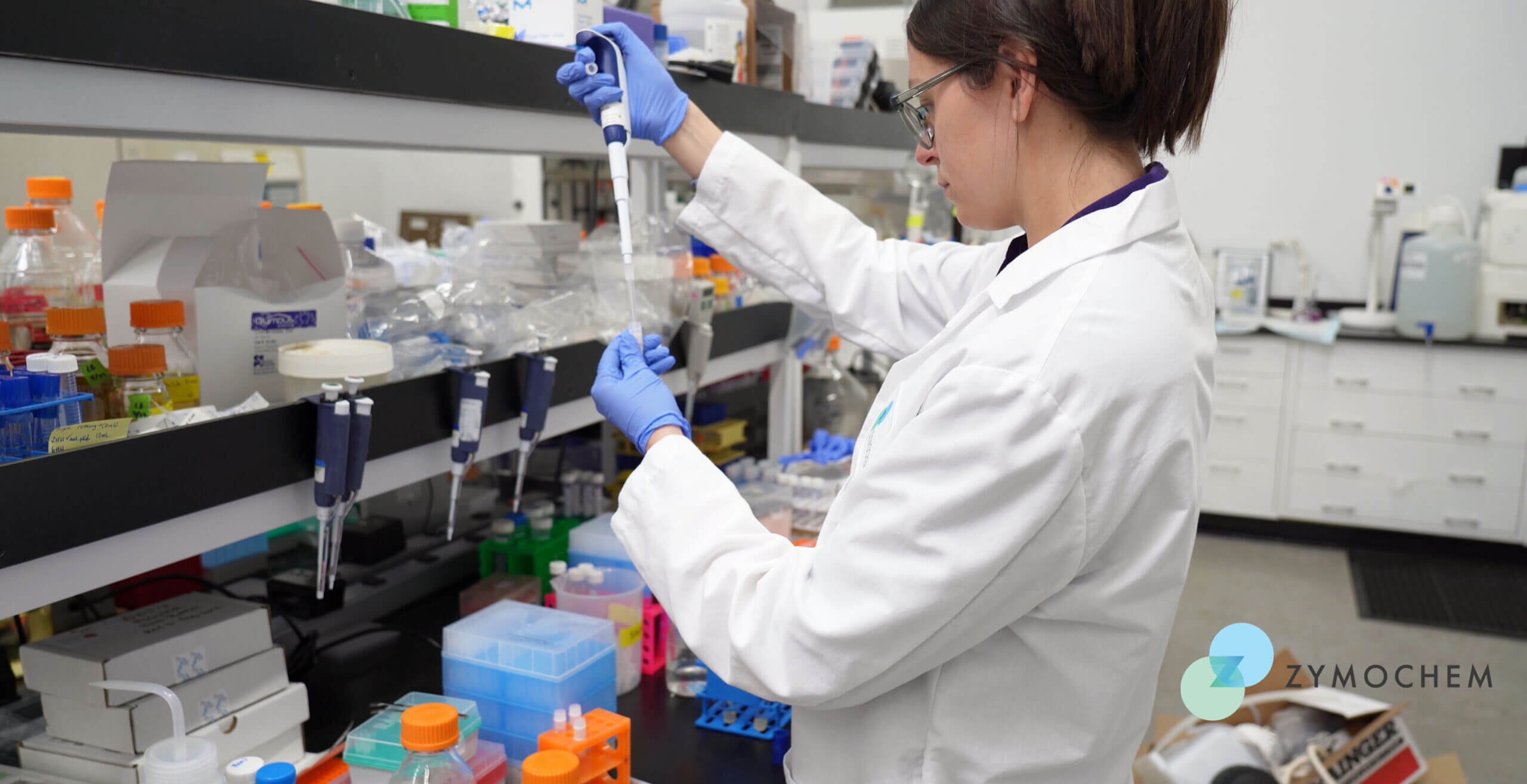
ZymoChem, the San Leandro, California-based chemical biomanufacturer creating sustainable alternatives for everyday products, announced that its bio-based and biodegradable Super Absorbent Polymer (SAP), BAYSE, now matches or exceeds key performance metrics of conventional fossil-fuel based SAPs, according to company data.
By Nathalie Voit2 min readApril 20, 2026
→

Environment
First commercially introduced in the 1940s due to their water-, stain-, and grease-resistant properties, they are commonly found in clothing, non-stick cookware, and other everyday household items. Because they persist for long periods in the environment, PFAS have been found in drinking water across the country.
By Nathalie Voit2 min readMarch 26, 2026
→

Agriculture
As the global population grows, bio-innovative solutions capable of meeting rising food demand will be critical to sustainably safeguarding the global food supply and mitigating environmental risks. Among the companies contributing to global crop protection efforts is Eden Research, a UK-based developer of sustainable fungicides.
By Nathalie Voit2 min readMarch 17, 2026
→
Science & Tech
Over the holidays this winter, the White House Office of Science and Technology Policy (OSTP) solicited information on how “to accelerate the American scientific enterprise, enable groundbreaking discoveries, and ensure that scientific progress and technological innovation benefit all Americans.” Building on work to accelerate and reform the American scientific enterprise, I offered suggestions for how to effectively direct this effort to improve the function, productivity, vitality, and health of American science. It is a welcome attempt to wrest American science from the grip of malaise that characterizes the status quo. Science is viewed as slowing down, productivity decreasing, and requiring more resources, more grants, and more personnel to achieve tremendous breakthroughs.
By Ian R. Banks6 min readMarch 12, 2026
→
Agriculture
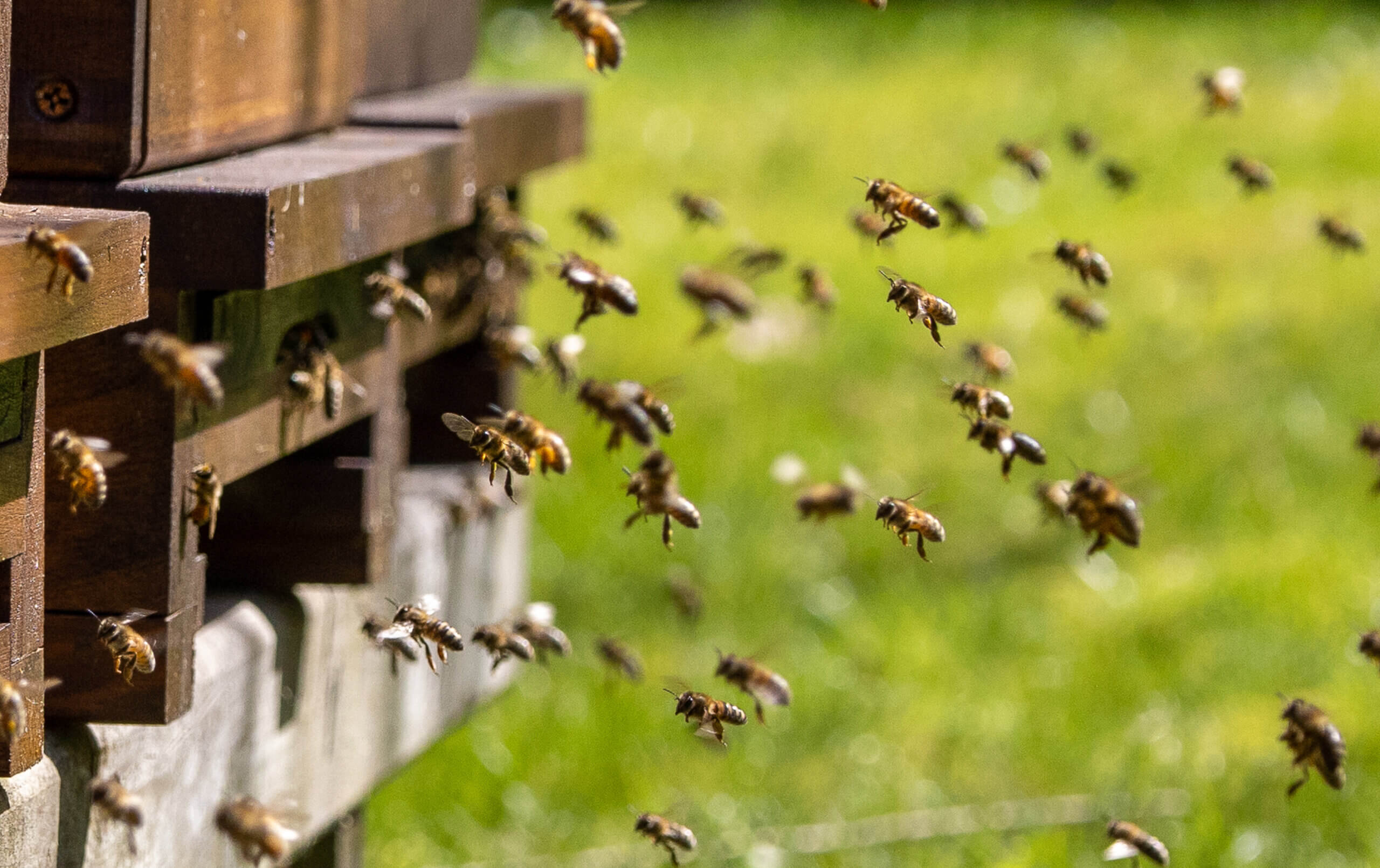
Bees are among the most important and best-known pollinators on the planet. Despite their small size, these insects play an outsized role in sustaining the global food supply. That’s why AI-powered beehive company Beewise wants to save them.
By Nathalie Voit3 min readMarch 9, 2026
→
Energy
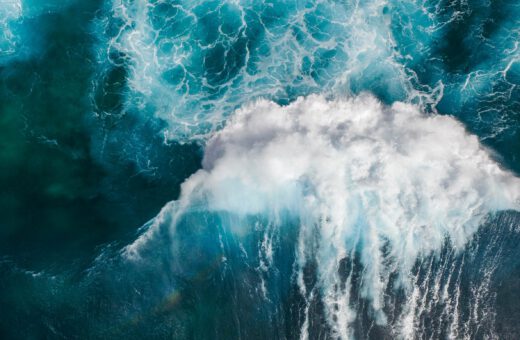
Onshore wave energy company Eco Wave Power is turning the tide on reliable, clean electricity with its patented, wave-harnessing devices that can be seamlessly integrated into coastal infrastructure. Founded in 2011, the Israeli-based company was featured in a February 2026 U.S. Department of Energy (DOE) national laboratory report on coastal structure-integrated wave energy converters (CSI-WECs), which are smart, automated devices that can be attached to onshore or nearshore structures such as breakwaters, piers, and ports.
By Nathalie Voit3 min readMarch 5, 2026
→

Conservation
The Great Salt Lake is drying up. Since the mid-1980s, the lake has dropped 22 feet, and its surface area is 60 percent smaller than it once was. If that doesn’t sound like a lot, consider this: it takes 12 minutes and 13 seconds to walk from where the lake’s shoreline once was to where it is today.
By Cecilia Fassett6 min readFebruary 24, 2026
→

Popular
The Environmental Protection Agency’s (EPA’s) recent decision to stop monetizing the health benefits of reducing fine particulate matter, known as PM2.5, has refocused attention on a long-running debate over air pollution regulation.
By David Kemp4 min readFebruary 5, 2026
→

Conservation
The ocean is the largest and most consequential ecosystem on Earth. It regulates the climate, absorbs 30 percent of annual carbon emissions, supports millions of species, and drives economic activity through fisheries, trade, shipping, and tourism. Modern life depends on a functioning, healthy ocean.
By Cecilia Fassett3 min readDecember 2, 2025
→
