Economics
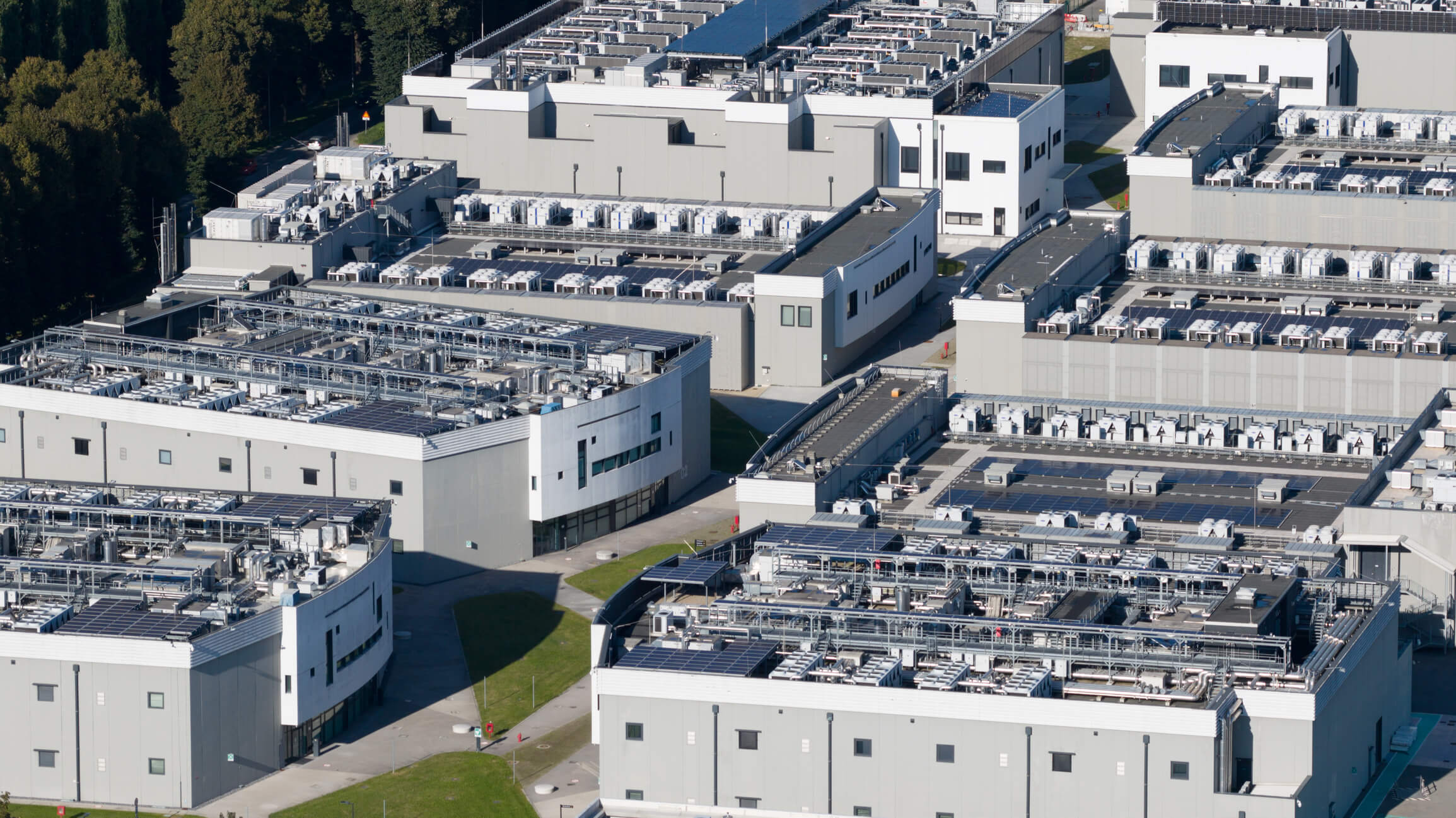
Artificial intelligence may be the future, but the public isn’t convinced it’s the future they want.
Even as companies, investors, and the federal government invest heavily in this transformative technology, the American people remain skeptical. A third of Americans are concerned about AI, nearly half think AI will cause “significant job losses,” and less than half think the government will regulate AI well.
By Drew Bond4 min readJanuary 5, 2026
→

Energy
Democrats are desperate to make the 2026 midterm elections about affordability, buoyed by their November victories, enthusiasm for their so-called Abundance Agenda, and polling showing President Donald Trump losing support on the economy.
By Drew Bond4 min readDecember 10, 2025
→
Economics
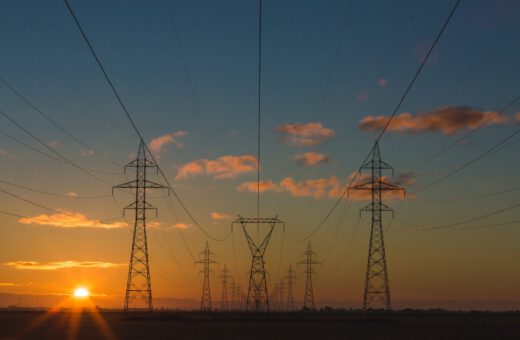
A lot of attention has been paid to the role of growing electricity use by data centers; however, most commentary has proceeded without much in the way of thoughtful analysis. A study on drivers of state-level trends in U.S. retail electricity prices from the Lawrence Berkeley National Lab begins to fill the gap.
By Michael Giberson and Olivia Manzagol5 min readNovember 12, 2025
→

Environment
Joel Mokyr, Philippe Aghion, and Peter Howitt won the 2025 Nobel Prize in Economics for their work on innovation-driven economic growth. Innovation spurs technological advancements that improve human flourishing and quality of life. It is also essential for a cleaner environment. As we remind policymakers in the U.S. and abroad, free economies are clean economies.
By Nick Loris4 min readOctober 16, 2025
→
Economics
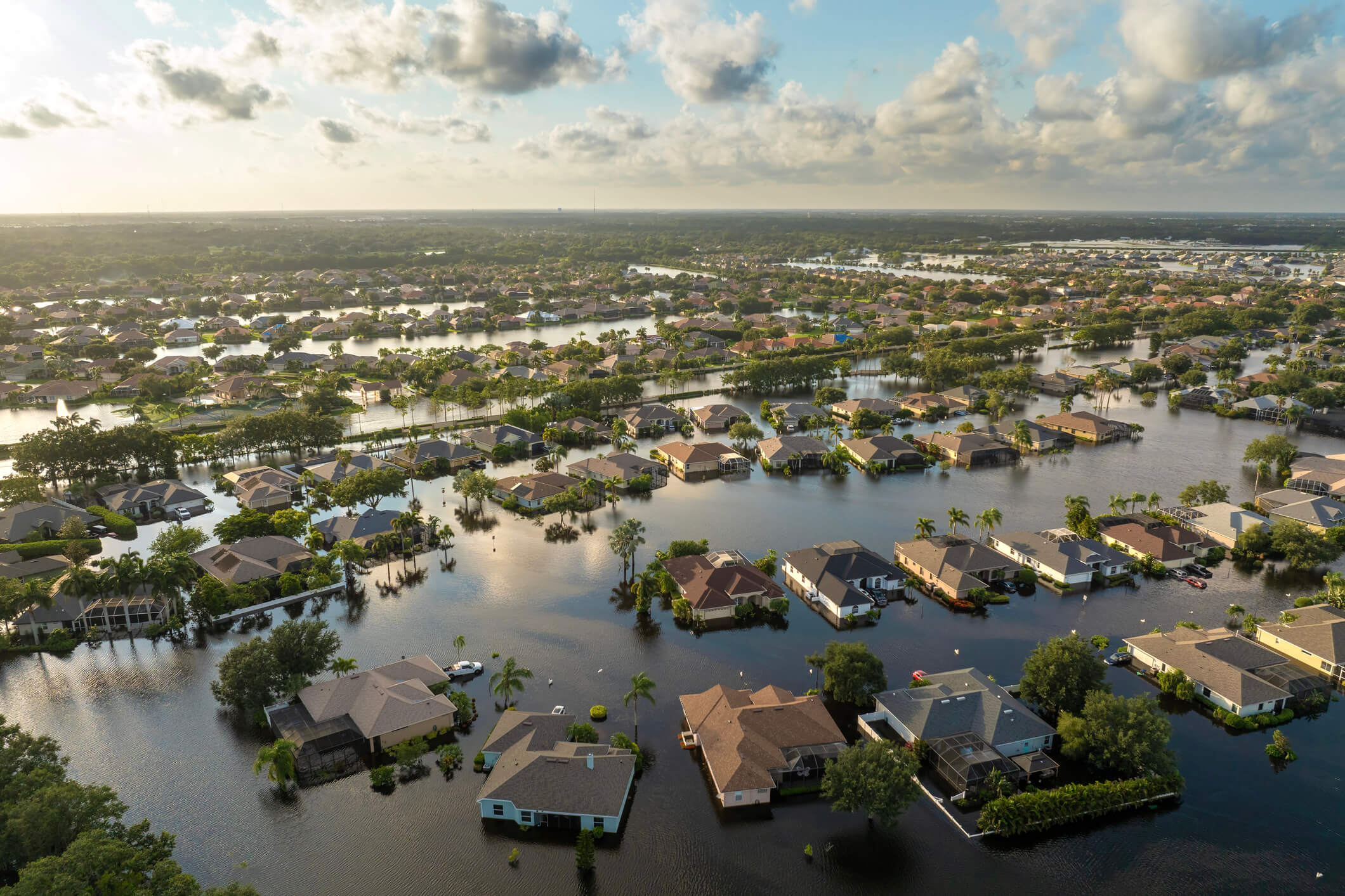
When Cyclone Freddy swept through southern Africa in 2023, the physical destruction and loss of life weren’t the only things communities endured. For many, the hardship persisted long after the storm had passed, while communities waited for help to arrive.
By Lika Kobeshavidze3 min readJuly 2, 2025
→
Economics
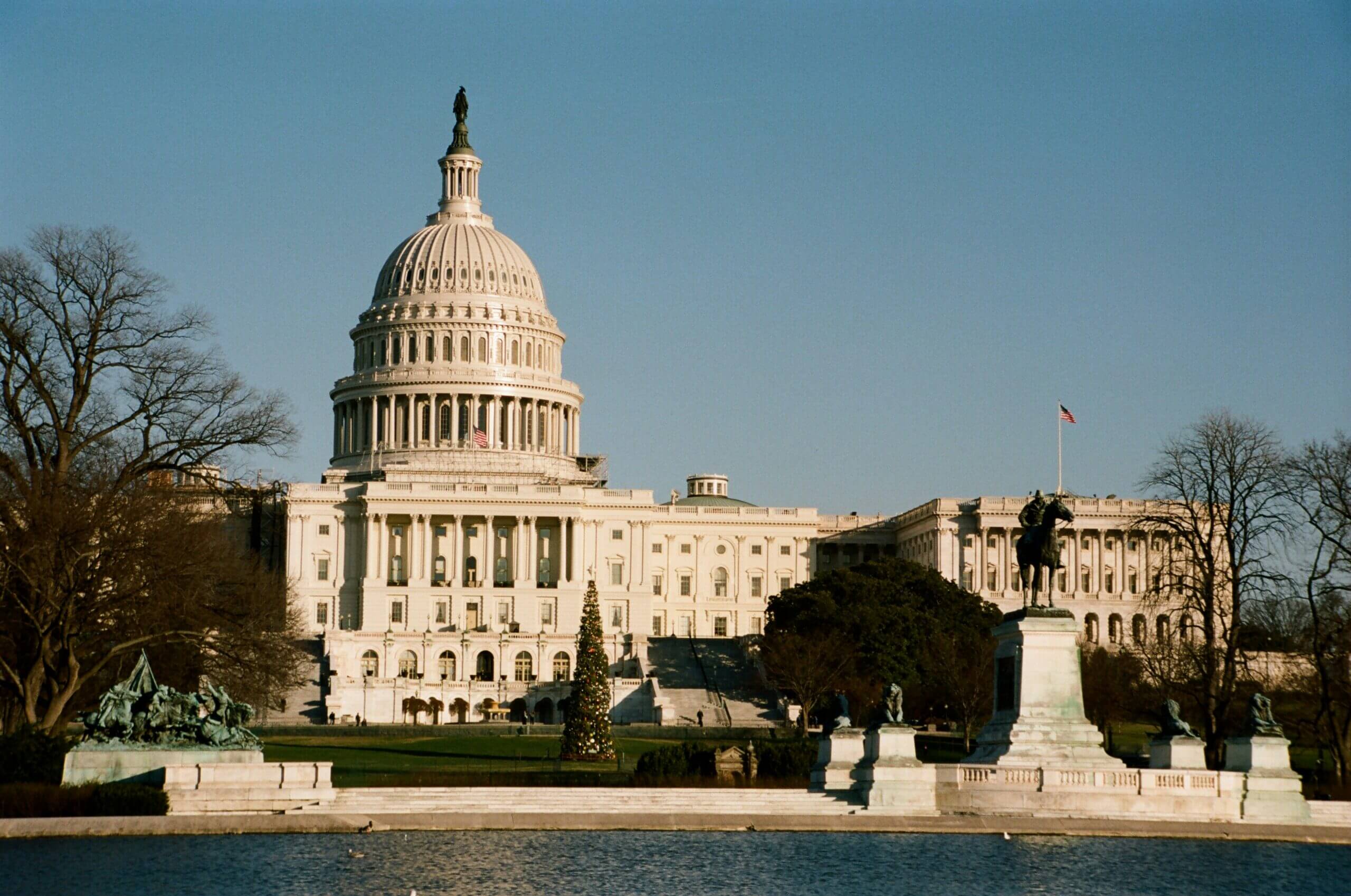
With the crafting of a reconciliation package in full swing, the fate of the Inflation Reduction Act (IRA) hangs in the balance. Much of the discussion in Washington has centered on what will happen to the energy tax credits. In a new paper, we outline how full expensing is a pro-growth, pro-environment policy that doesn’t pick winners and losers.
By Josh T. Smith and Nick Loris5 min readMay 8, 2025
→
Economics
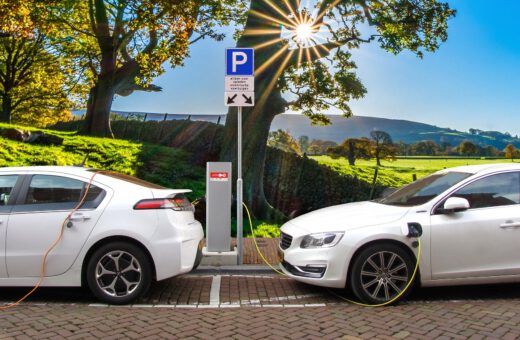
When the federal government introduced the electric vehicle tax credit in 2008, policymakers designed it as an infant industry credit.A new Institute for Energy Research report suggests that repealing IRA-specific EV subsidies could save taxpayers $300 billion over the next decade.
By Kelvey Vander Hart3 min readMay 7, 2025
→

Environment
With the recent launch of its new carbon credit service, Amazon is reinforcing its climate leadership by offering its suppliers, business customers, and Climate Pledge signatories access to scientifically verified carbon credits.
By Cecilia Fassett3 min readMarch 20, 2025
→
Economics
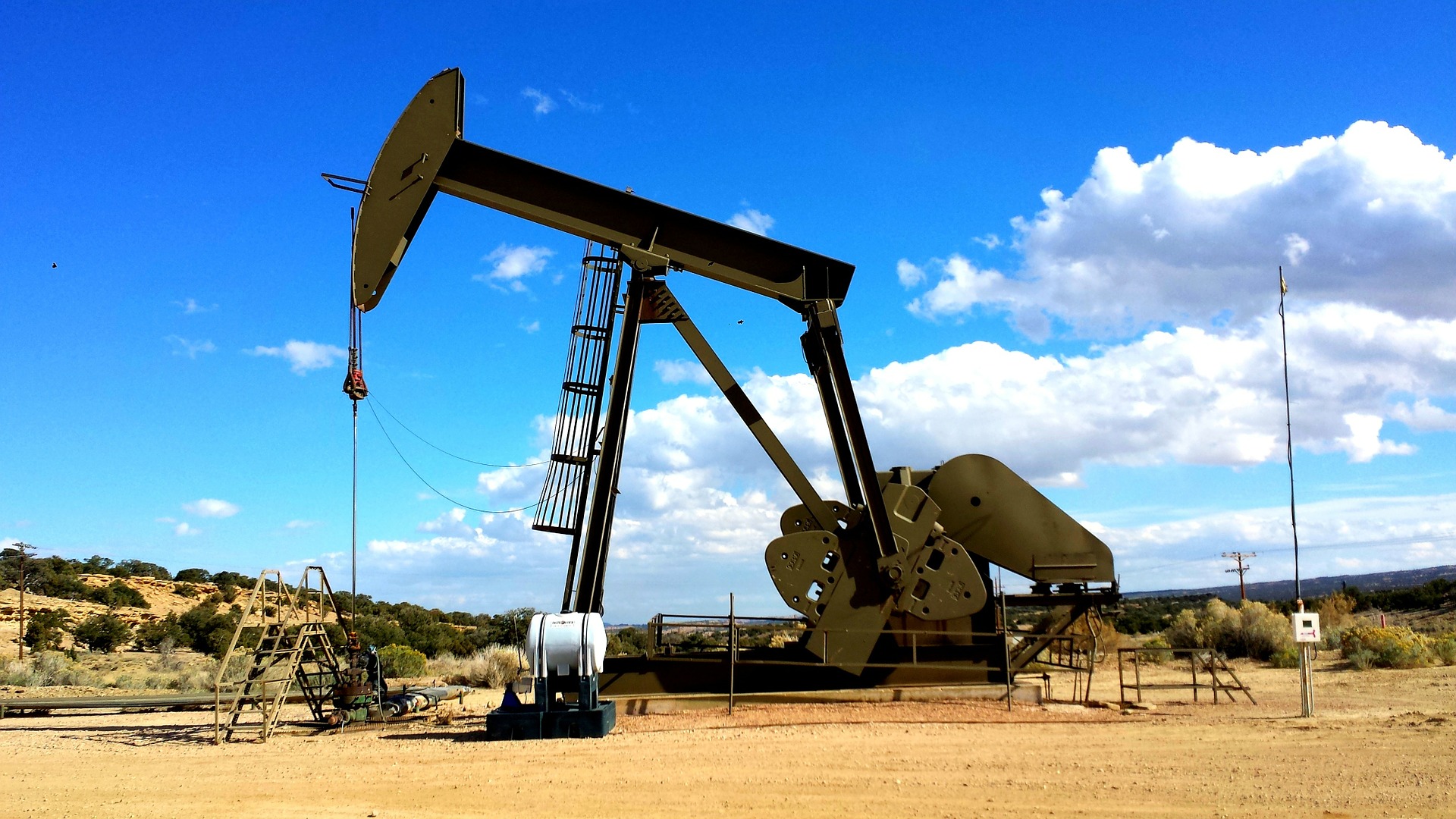
At home, lower energy prices—particularly at the pump—are central to Trump’s strategy for reducing consumer inflation and stimulating economic growth. The President has set an ambitious goal of reducing retail gasoline prices to below $2 per gallon, a significant drop from the current national average, according to the U.S. Energy Information Administration (EIA).
By Robert Dillon3 min readJanuary 31, 2025
→
Conservation
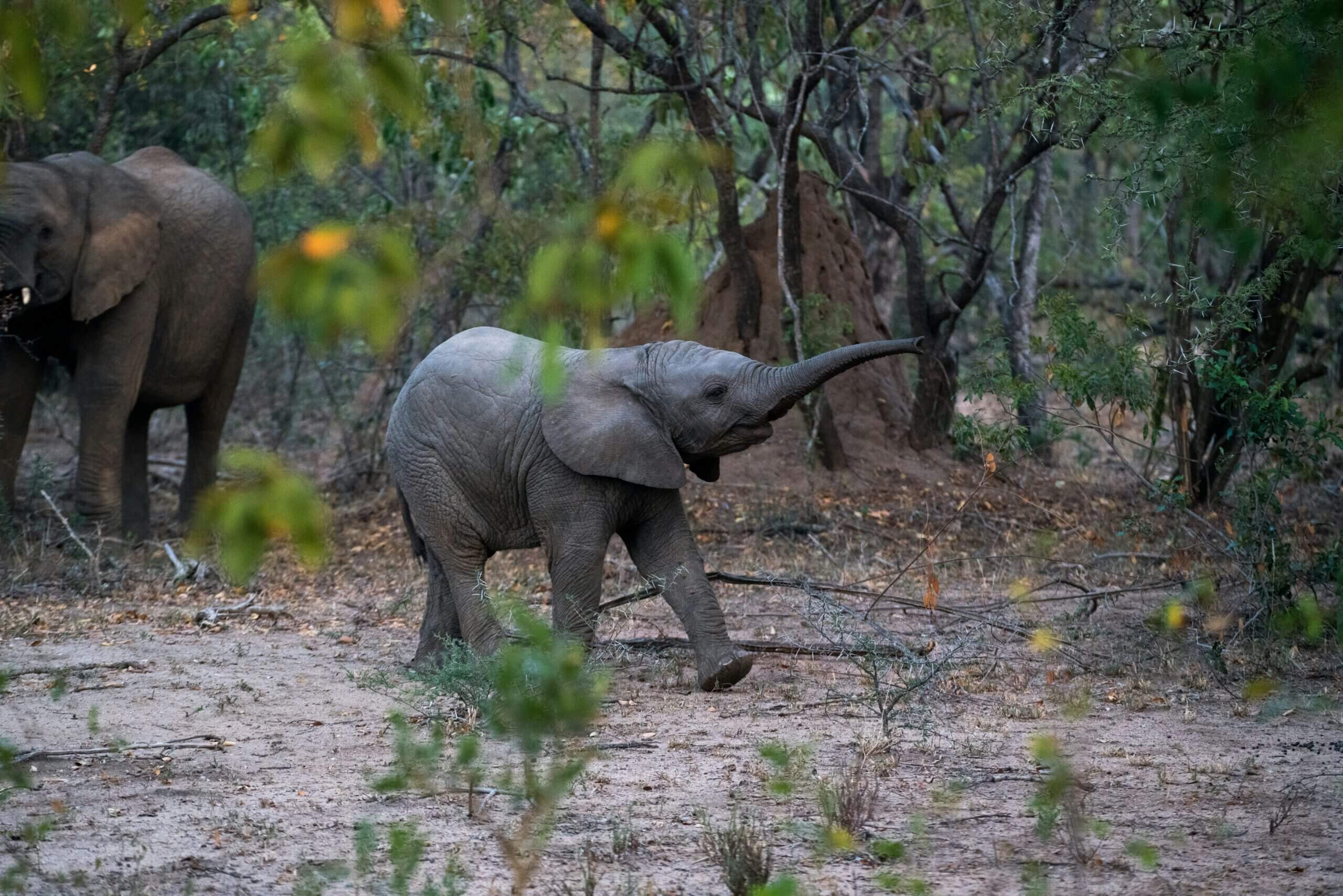
In 2005, Walmart launched the Acres for America program, committing to fund an acre of wildlife conservation for every acre the company developed for commercial purposes.
By Kelvey Vander Hart3 min readDecember 30, 2024
→
