On the Web, the five-letter puzzle game Wordle is all the rage. But in the real world, the United States needs to solve a puzzle while avoiding a particular five-letter word. We must find a way to access enough sustainable rare earth elements (REEs) without relying on a five-letter country that begins with C and ends with A.
>>>READ: Reduce Mining Regulations to Bolster Supply of Sustainable Rare Earth Elements
REEs are crucial because they are used to build just about every high-tech device you can think of. That includes cell phones and military technology. It also includes batteries, solar panels, and wind turbines. REEs are central to most everything we need or want in the modern world, particularly if we want a clean economy.
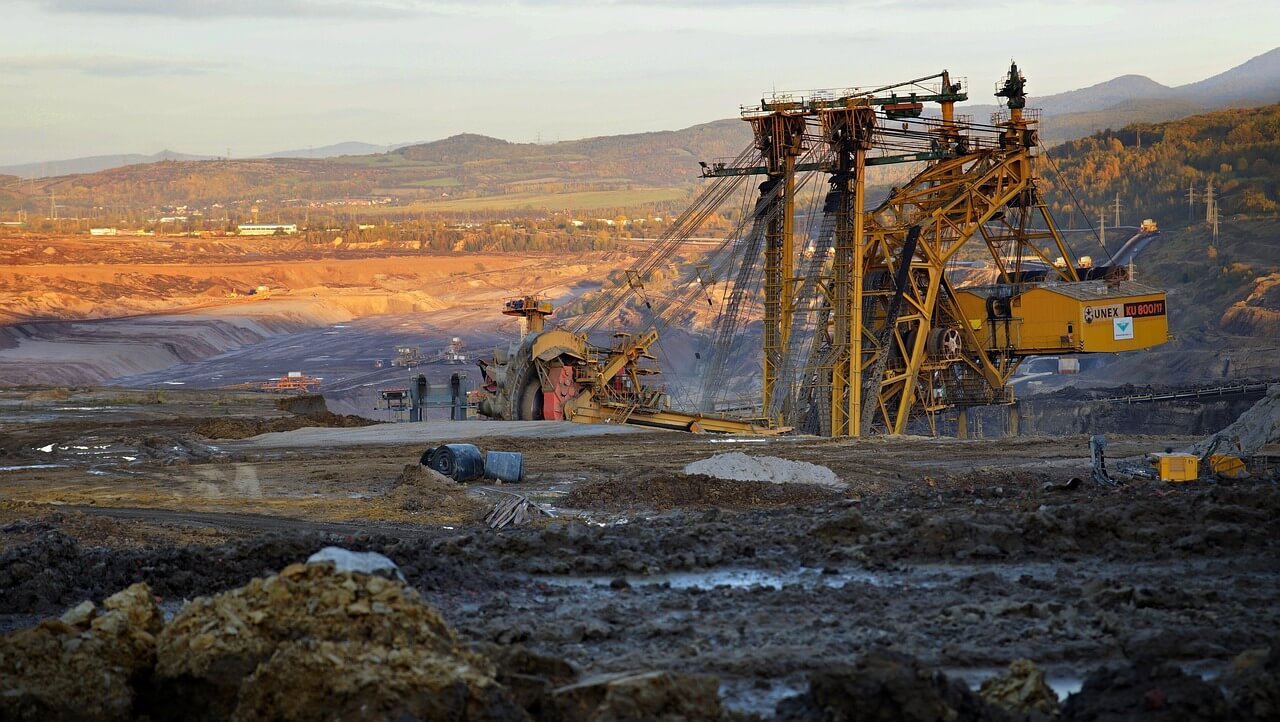
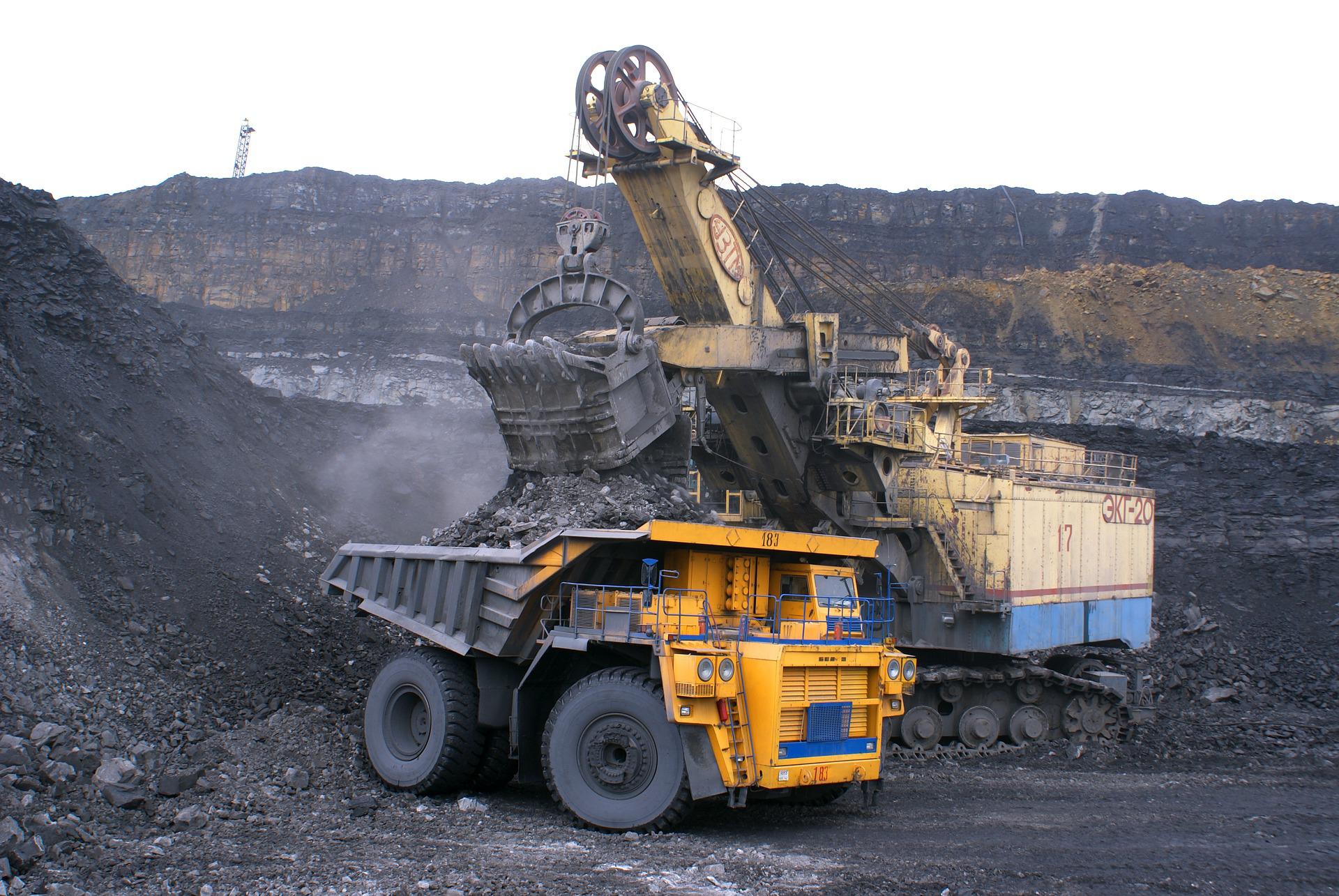
But the world can’t build a clean economy that is based on dirty mining.
What makes an industry “dirty” in this case has two parts: how much pollution the mining releases and how dirty the country producing it gets when it comes to human rights. China, which supplies up to 80 percent of the REEs used in the United States, is as dirty as they come on both fronts: it seldom worries about pollution, for example, and it is known for employing slave labor to achieve its goals.
“For years, Beijing exploited its relatively low-cost labor force and lax environmental laws to gain a competitive edge in the global market and become the leading supplier of rare earths,” the think tank CSIS reports. “Beijing has demonstrated a willingness to leverage its weight in the global rare earth industry in pursuit of its political objectives, raising alarm bells in several major countries.”
It’s clear that the United States needs to deploy more American energy and energy innovation faster. We need to deploy more solar panels, batteries, wind turbines, advanced nuclear power plants, natural gas pipelines, hydropower, carbon capture and utilization technologies, and every other form of advanced energy efficient technology possible. But we don’t want to deploy those things faster at the expense of becoming even more reliant on China for REEs. We need to make those things in the United States with REEs that are mined here and refined here. And we need to open markets to trade freely with America’s allies.
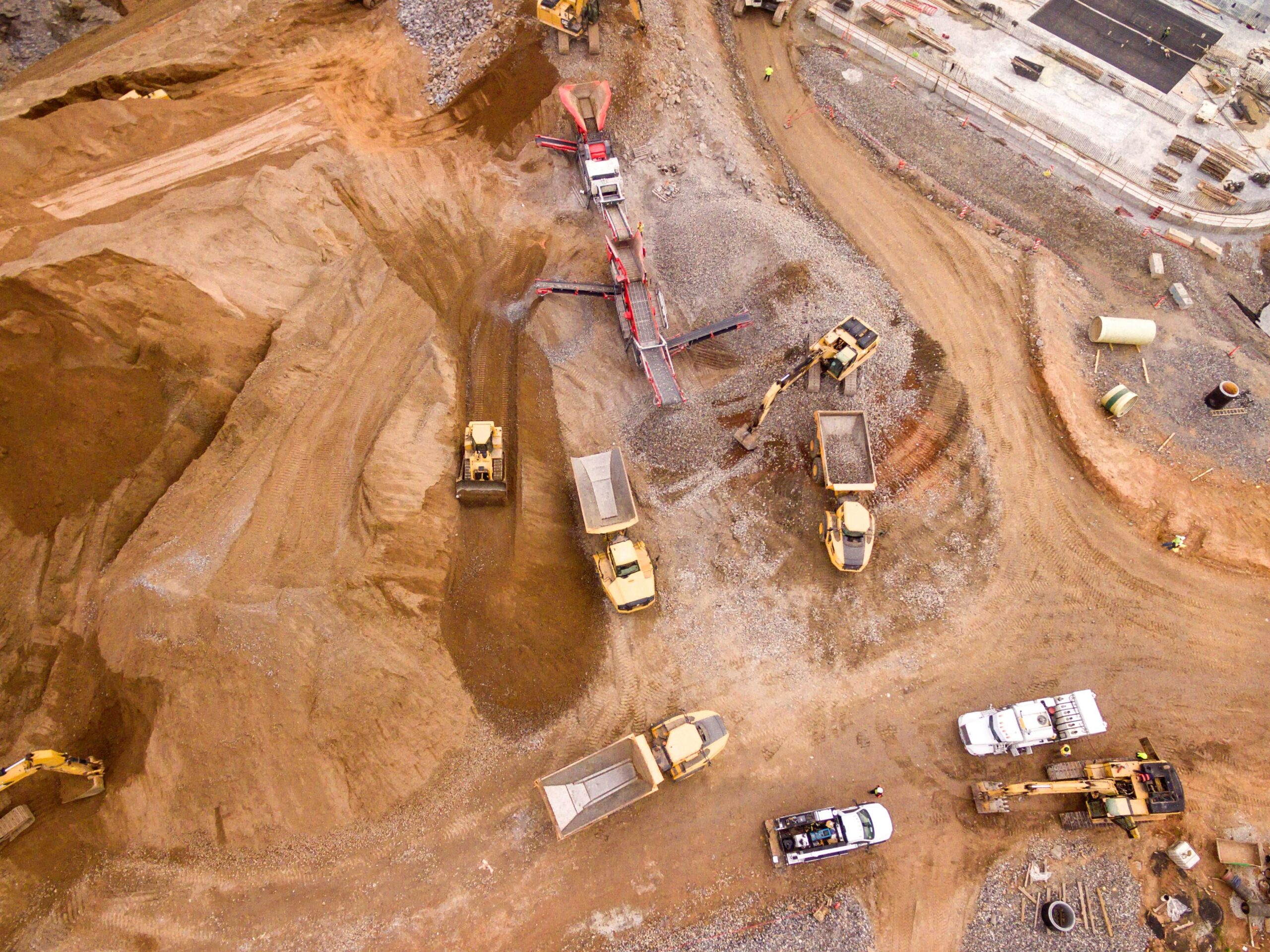
So what’s holding us up? The U.S. is slowed down by one of the longest permitting processes for new mining projects anywhere. Getting a mining permit can take anywhere from ten to thirty years. That is far longer than the global average (Australia and Canada, for example, take two years). This backward permitting process, held up by bureaucracy, discourages private sector investment in the mining industry, hurting America’s global competitiveness.
The way to move forward is simple enough: unleash the power of economic freedom. In a free market economy, owners are empowered to mine and deliver the raw materials the economy needs. Government sets up guardrails, but it does not attempt to regulate every exchange that happens. Policies should properly vet projects and ensure companies are liable for any environmental damage they cause. Instead, antiquated regulations are grinding projects to a halt.
>>>READ: Rare Earth Elements 101
A study by C3 Solutions shows that economies thrive and are cleaner when freedom reigns. In fact, free economies are twice as clean as unfree economies.
China realized years ago that it could use its supply of REEs as an economic weapon. Its domination of this mining market is a deliberate decision on the part of its authoritarian government. “China has strategically flooded the global market with rare earths at subsidized prices, driven out competitors, and deterred new market entrants,” a 2018 Pentagon report said. “When China needs to flex its soft power muscles by embargoing rare earths, it does not hesitate.”
If that’s not a wake-up call for policymakers, then I don’t know what is.
We need to get moving now to accelerate the mining and processing of REEs in America. Policymakers need to reduce every government barrier that’s preventing entrepreneurs, investors and businesses from doing this hard work. We know the solution to this puzzle. We just need the political will to get it done.