During his 2024 campaign, President Trump frequently talked about the “liquid gold” under our American feet. He meant oil and natural gas reserves. We have fossil fuels in such abundance that we export energy to the rest of the world. It’s quite a change from the 1990s and 2000s when the U.S. was supposedly going to be an energy importer forever.
Yet even as the world is expected to produce more oil than it can use this year, there is more than oil underground. There is also plenty of geothermal power that the U.S. should tap into to help meet our growing need for electricity.
To coin a pun, geothermal isn’t all hot air. But before we dig in, we need to understand exactly what geothermal is.
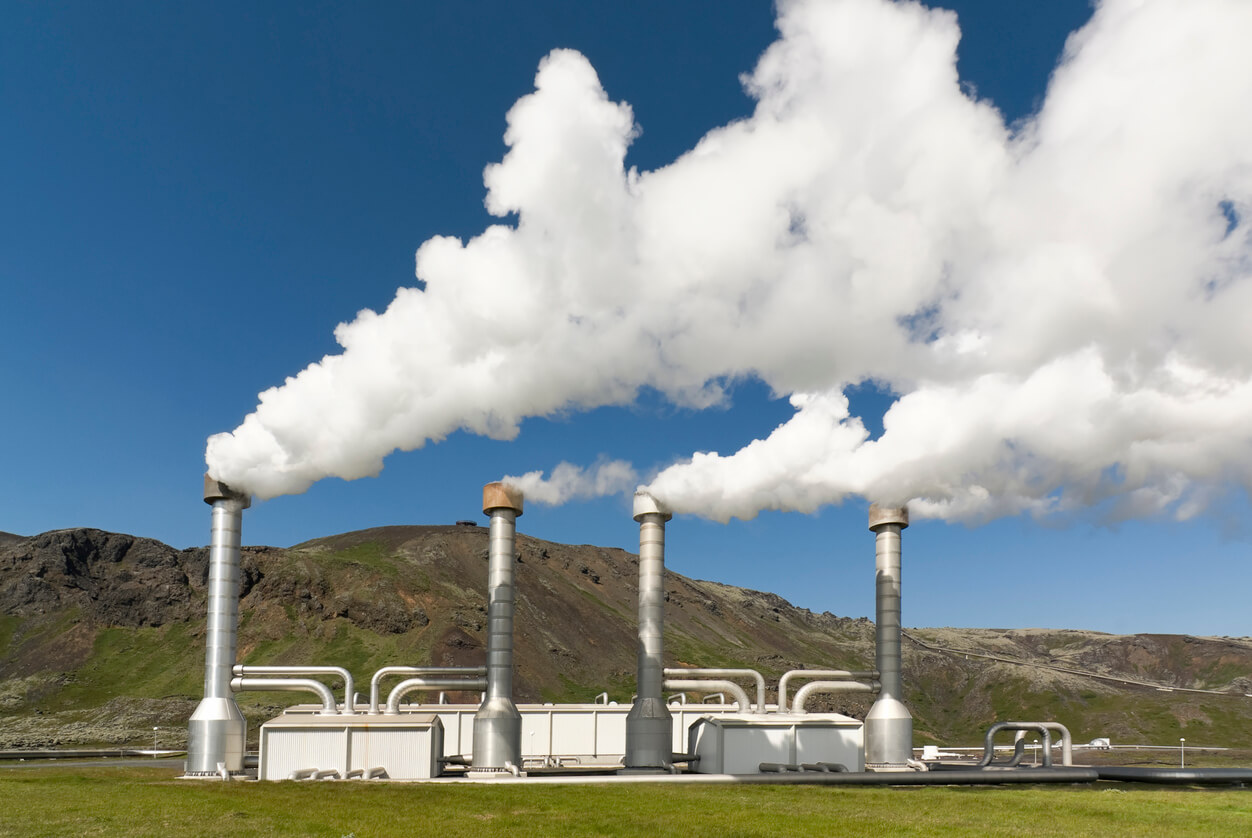
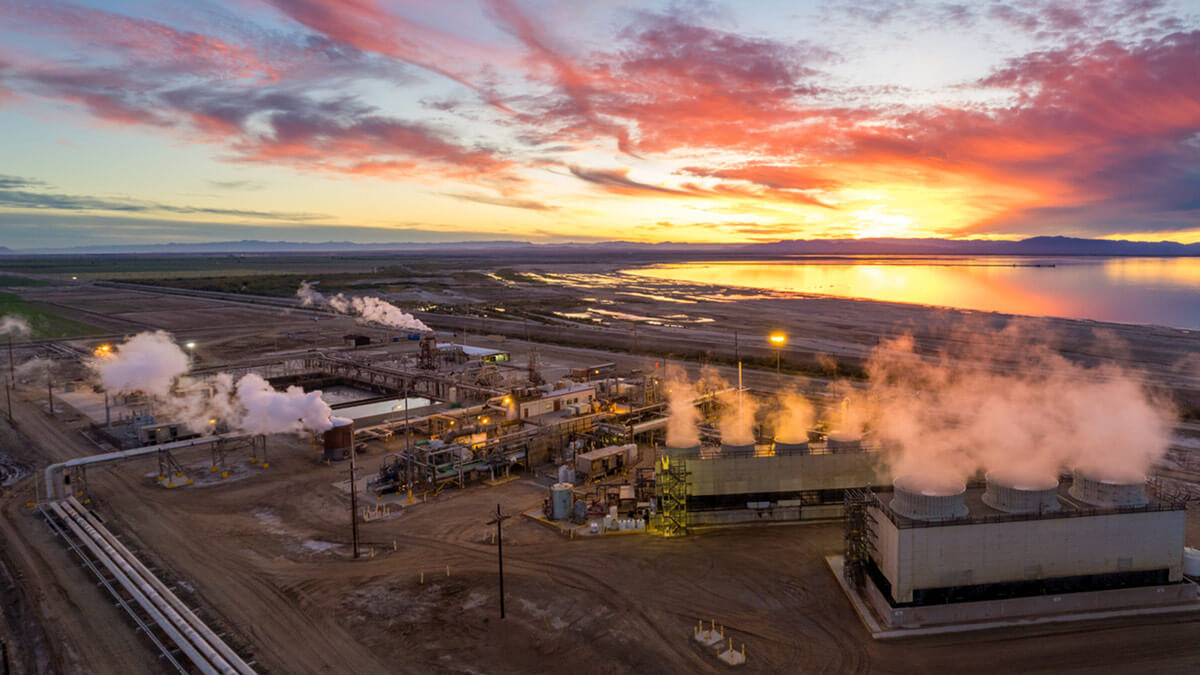
Traditional geothermal is available in a handful of places where hot water, heated by energy from the earth itself, is close enough to the surface to drive turbines and produce electricity. This is rare but useful because it proves the concept.
Recent advances in drilling technology, based on the technology that delivered hydraulic fracturing for natural gas and oil, should allow us to inject water into rocks even deeper, perhaps 6 kilometers underground. This cool water would be heated by the energy that is already present in the rocks and would then return to the surface to drive turbines and generate electricity. When it cools, the water would be reinjected underground and the process would continue 24 hours a day, seven days a week.
A report earlier this year from the United States Geological Survey said that: “If sufficient technological advances to commercialize enhanced geothermal systems occur, then a current best provisional estimate for electric-power generation capacity of 135 gigawatts electric are available from the upper 6 kilometers of the Earth’s crust.” That would allow geothermal to generate up to 10 percent of the current total U.S. power production capacity.
The most promising locations are in the western U.S. in the areas around Nevada, but the technology could eventually be used elsewhere as well.
Energy Secretary Chris Wright is adamant that his department will press to develop geothermal technology. At the CRES Forum earlier this year, he added that geothermal could be invaluable if used to power AI and data centers, and that it could also contribute always-on electricity for manufacturing and for everyday electricity needs. At the same event, Rep. August Pfluger noted that because geothermal and traditional oil and gas drilling are similar, there can be a smooth transition to geothermal drilling.
Once they are set up, “Geothermal power plants have a high-capacity factor—typically 90% or higher—meaning that they can operate at maximum capacity nearly all the time,” the federal energy department wrote. “These factors mean that geothermal can balance intermittent sources of energy like wind and solar, making it a critical part of the national renewable energy mix.”
Geothermal would be a safe, domestic power source that would deliver more than electricity.
“Producing geothermal energy generates lithium as a by-product–a critical component for energy storage and electric vehicle batteries,” the group Third Way noted. “By helping produce lithium domestically, geothermal energy enables greater adoption of clean energy technologies and further strengthens our domestic supply chains.” It would also provide clean heat for manufacturing.
The question now is whether we can get geothermal through what I call “the Valley of Death,” the period between when a new technology is conceived and when it becomes commercially viable. Many good ideas die before they become profitable.
The federal government can help with this. Washington needs to expand access to federal property so we can have more locations, needs to make it easier to get a permit, and needs to cut red tape to encourage innovation. Then, it needs to stand aside and allow innovation to deliver the power we need.
The U.S. has plenty of resources right beneath our feet. Let’s tap into geothermal and power a better future.