Energy
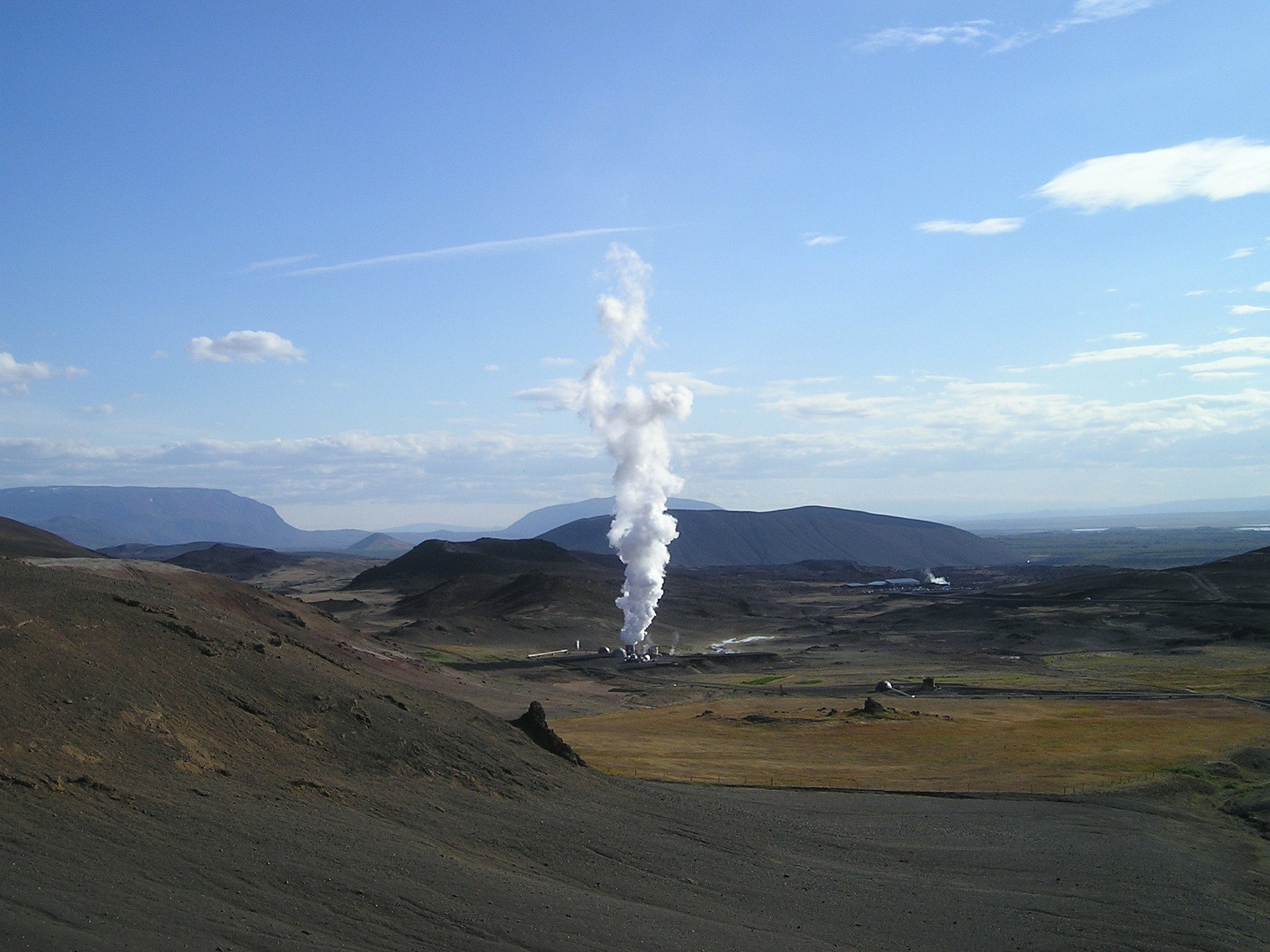
The Department of Energy’s Hydrocarbons and Geothermal Energy Office (HGEO) is allocating $14 million to fund field-testing of next-generation geothermal technologies. According to an announcement on April 14, the Pennsylvania-based enhanced geothermal systems (EGS) pilot project will reuse existing oil and gas infrastructure to test the potential of geothermal energy in the eastern U.S., where resources are less accessible due to the region’s unfavorable geology.
By Nathalie Voit3 min readMay 13, 2026
→
Science & Tech
Over the holidays this winter, the White House Office of Science and Technology Policy (OSTP) solicited information on how “to accelerate the American scientific enterprise, enable groundbreaking discoveries, and ensure that scientific progress and technological innovation benefit all Americans.” Building on work to accelerate and reform the American scientific enterprise, I offered suggestions for how to effectively direct this effort to improve the function, productivity, vitality, and health of American science. It is a welcome attempt to wrest American science from the grip of malaise that characterizes the status quo. Science is viewed as slowing down, productivity decreasing, and requiring more resources, more grants, and more personnel to achieve tremendous breakthroughs.
By Ian R. Banks6 min readMarch 12, 2026
→
Economics
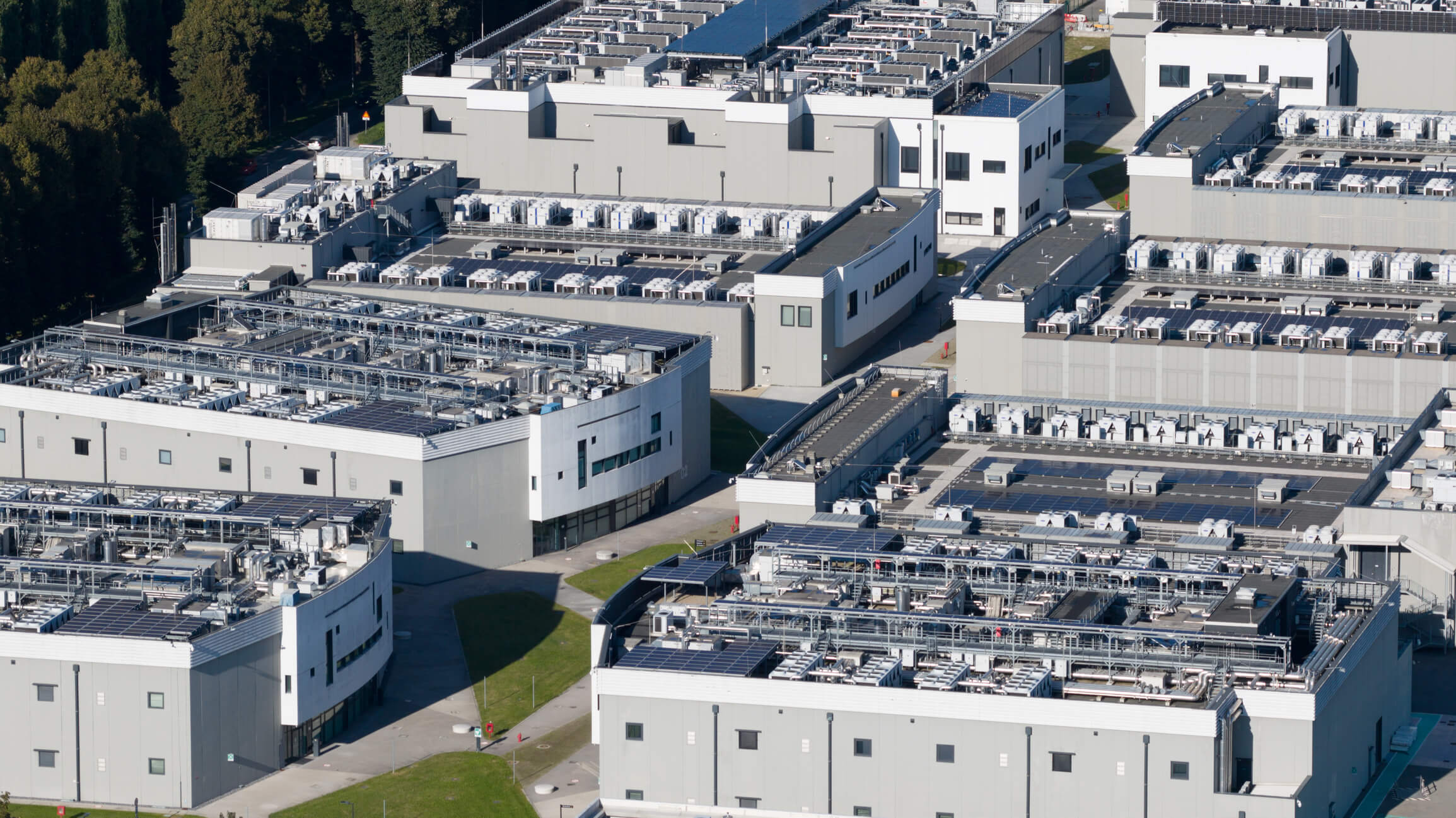
Artificial intelligence may be the future, but the public isn’t convinced it’s the future they want.
Even as companies, investors, and the federal government invest heavily in this transformative technology, the American people remain skeptical. A third of Americans are concerned about AI, nearly half think AI will cause “significant job losses,” and less than half think the government will regulate AI well.
By Drew Bond4 min readJanuary 5, 2026
→

Energy
The Trump administration is making it a mission to restore the manufacturing might of the United States of America. That will have both civilian and military benefits. It’s a challenge, but we know American companies are up to it. Consider just one, NanoGraf Corporation.
By Drew Bond4 min readDecember 1, 2025
→
Policy
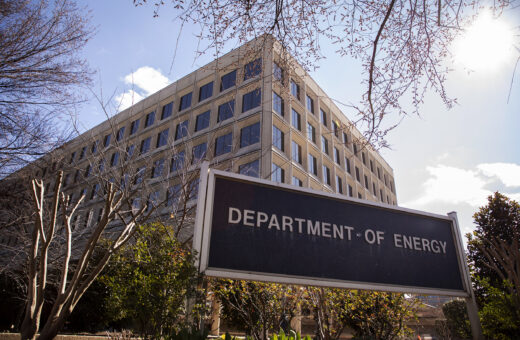
Washington’s latest energy-policy controversy centers on the Department of Energy’s (DOE) recent decision to cancel billions of dollars in grants, including subsidies for clean energy and greenhouse-gas-reduction projects. As companies appeal and policymakers debate the validity of these cancellations, it is worth considering the proper role of government in promoting energy innovation.
By David Kemp7 min readOctober 28, 2025
→
Energy
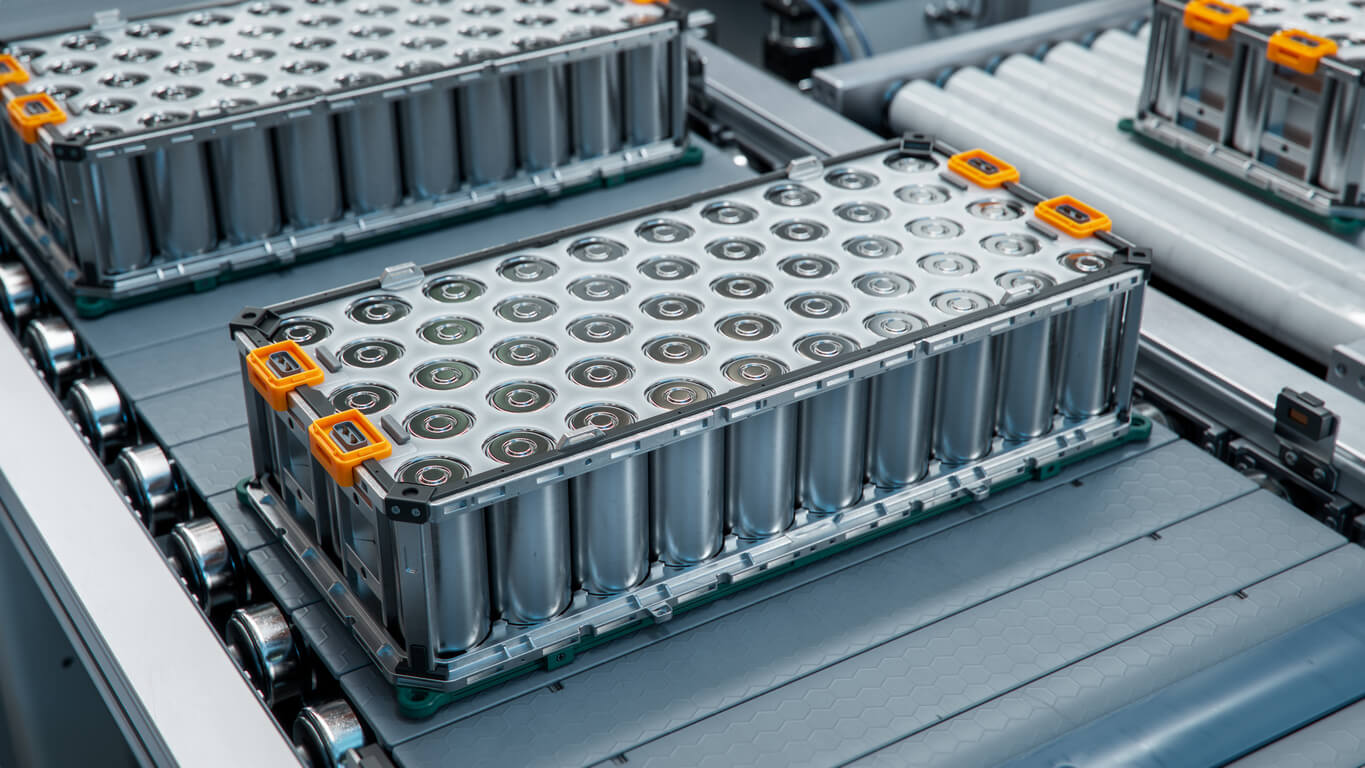
Conventional lithium–ion batteries are used in cell phones, laptops, and electric vehicles. With rising energy needs and critical minerals mining being highly resource-intensive, innovative companies are looking for…
By Nathalie Voit3 min readAugust 14, 2025
→
Policy
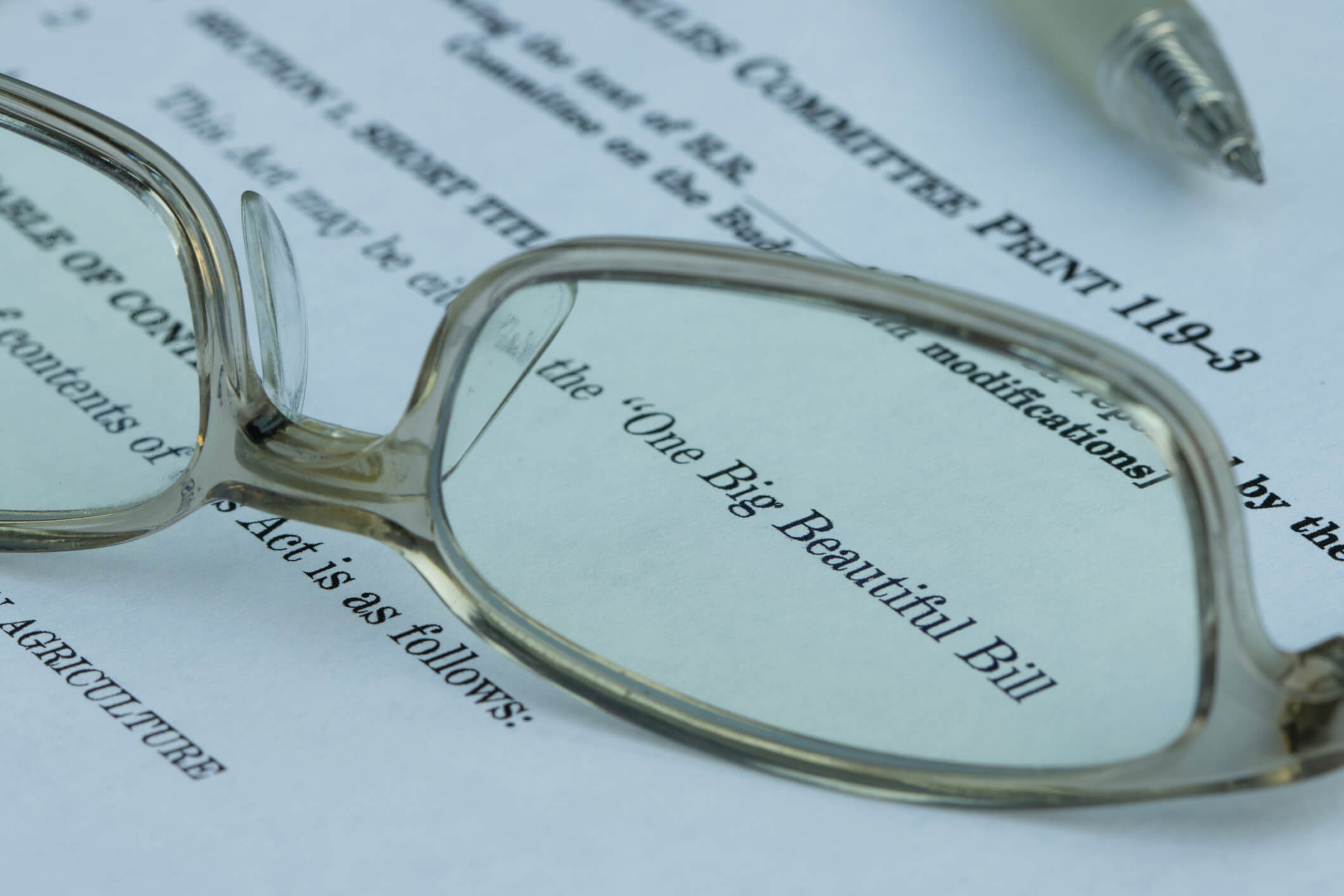
On July 4, the One Big Beautiful Bill Act (OBBB) was signed into law by President Donald J. Trump. Among its many provisions, the bill includes tax code reforms that allow businesses to immediately and fully expense new capital investments and research and development (R&D) costs, effective in the 2025 tax year.
By Nathalie Voit3 min readJuly 23, 2025
→

Economics
With the crafting of a reconciliation package in full swing, the fate of the Inflation Reduction Act (IRA) hangs in the balance. Much of the discussion in Washington has centered on what will happen to the energy tax credits. In a new paper, we outline how full expensing is a pro-growth, pro-environment policy that doesn’t pick winners and losers.
By Josh T. Smith and Nick Loris5 min readMay 8, 2025
→
Culture
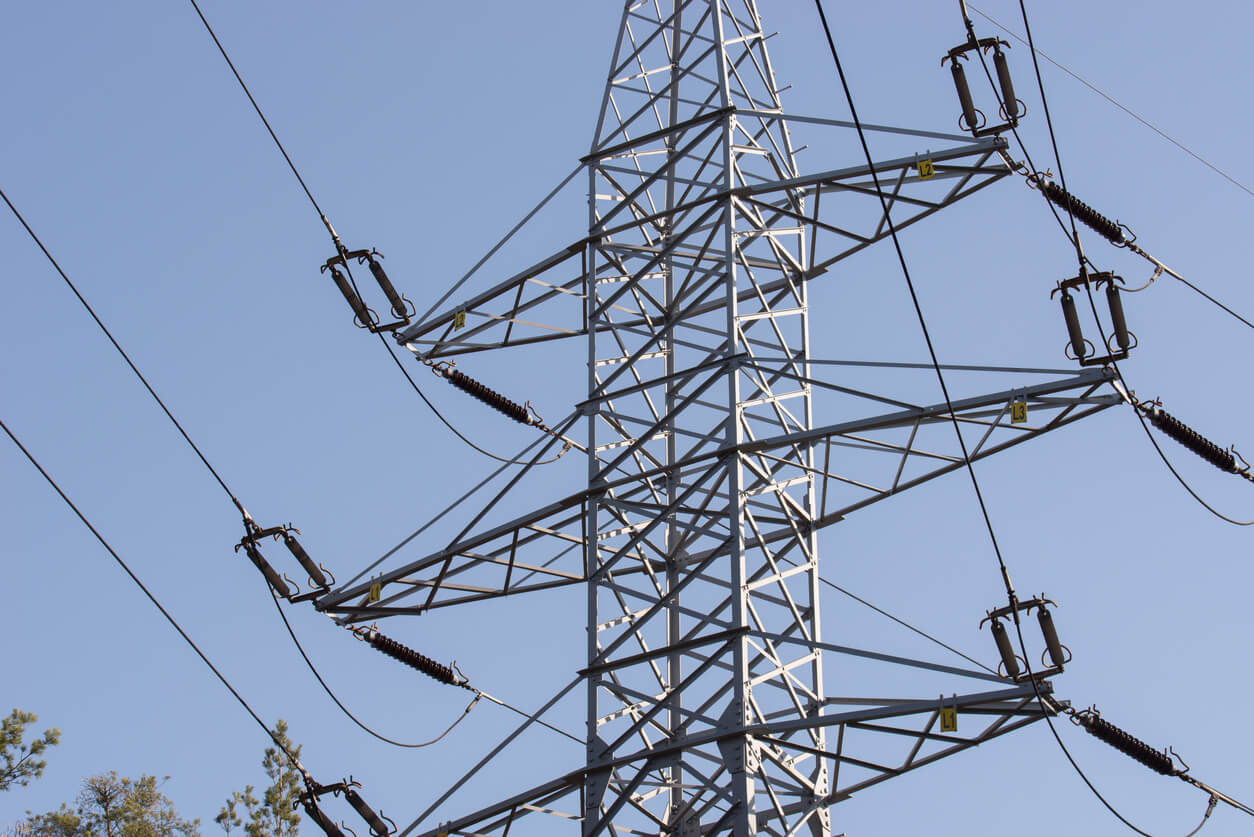
Artificial intelligence is changing the world at an incredible pace. From automating tasks to generating human-like conversations, AI is becoming an essential tool in nearly every industry. However, many people don’t realize that AI consumes a massive amount of electricity.
By Lika Kobeshavidze3 min readApril 3, 2025
→

Science & Tech
Battery production is a highly energy and water-intensive process. Lithium-ion batteries, which power everyday devices like smartphones, laptops, watches, and even electric vehicles, are sourced from critical materials like cobalt, graphite, and lithium.
By Nathalie Voit3 min readFebruary 12, 2025
→
