Energy
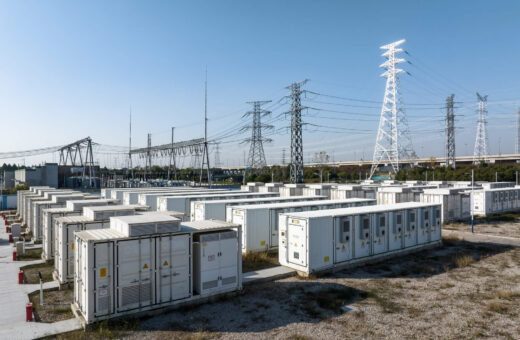
America’s rural population of 66 million could benefit immensely from emerging technologies and a future of abundance. In particular, long-duration energy storage (LDES) could unlock cheaper, more reliable electricity for rural Americans all over the country. Unfortunately, regulatory problems could slow down or even prevent progress on LDES. Now is the time to fix these issues and pave the way for solutions.
By Zack Weiss5 min readSeptember 21, 2026
→

Energy
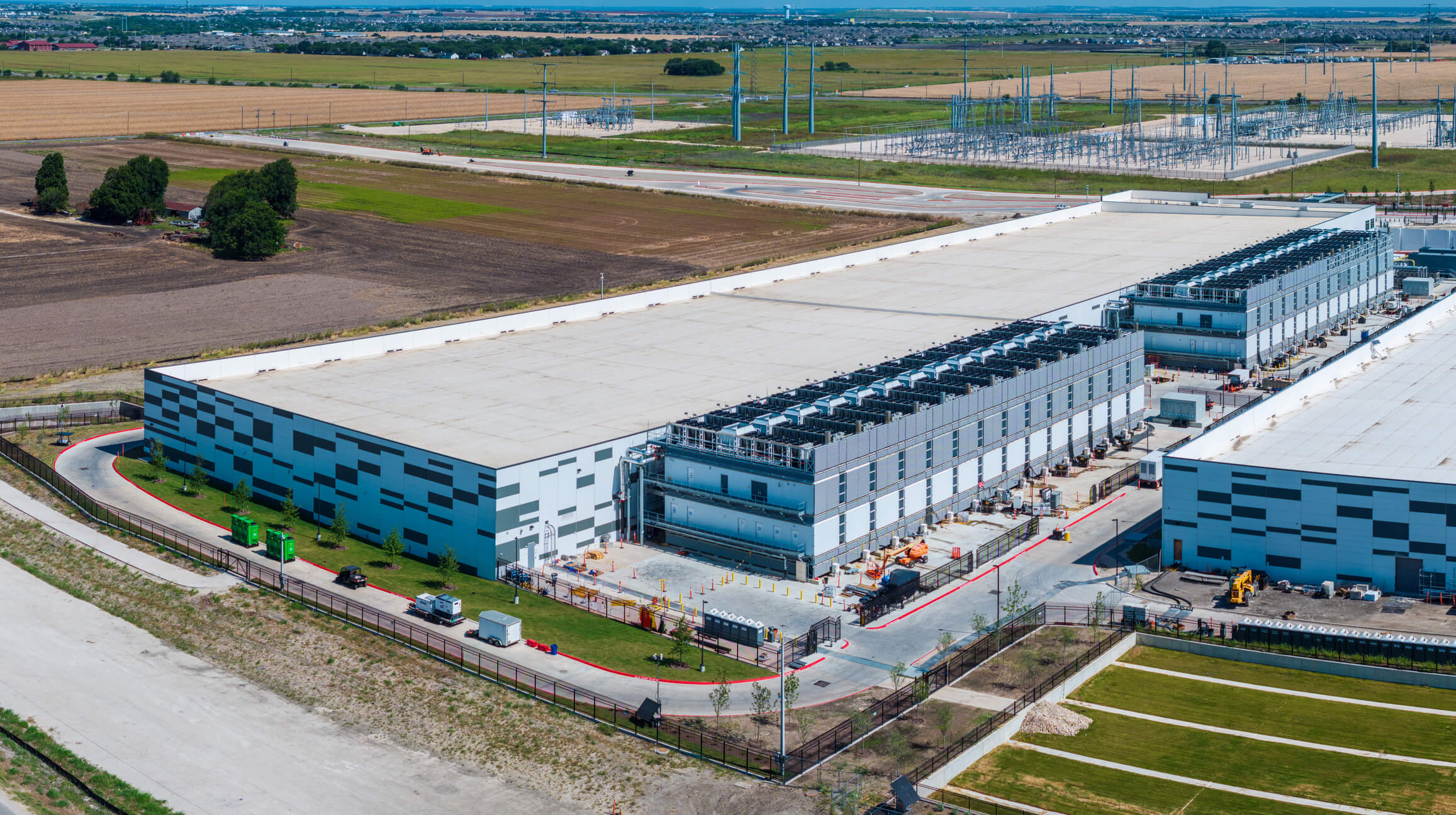
The scale of power requested by data centers joining the grid is straining how utilities have historically connected large customers. When a customer needs vast, uninterrupted power, major system upgrades often follow and those upgrades should be paid for by data centers to the extent they cause them. That's the premise behind the White House's Ratepayer Protection Pledge: data center energy costs shouldn't slide onto household bills. But holding utilities and hyperscalers to that promise is proving harder than it sounds. A recently-filed data center transmission service agreement shows how, when sound ratemaking principles are overlooked, the true costs imposed by data centers become hard to identify and harder to properly bill.
By Dylan Maxik4 min readSeptember 15, 2026
→
Energy
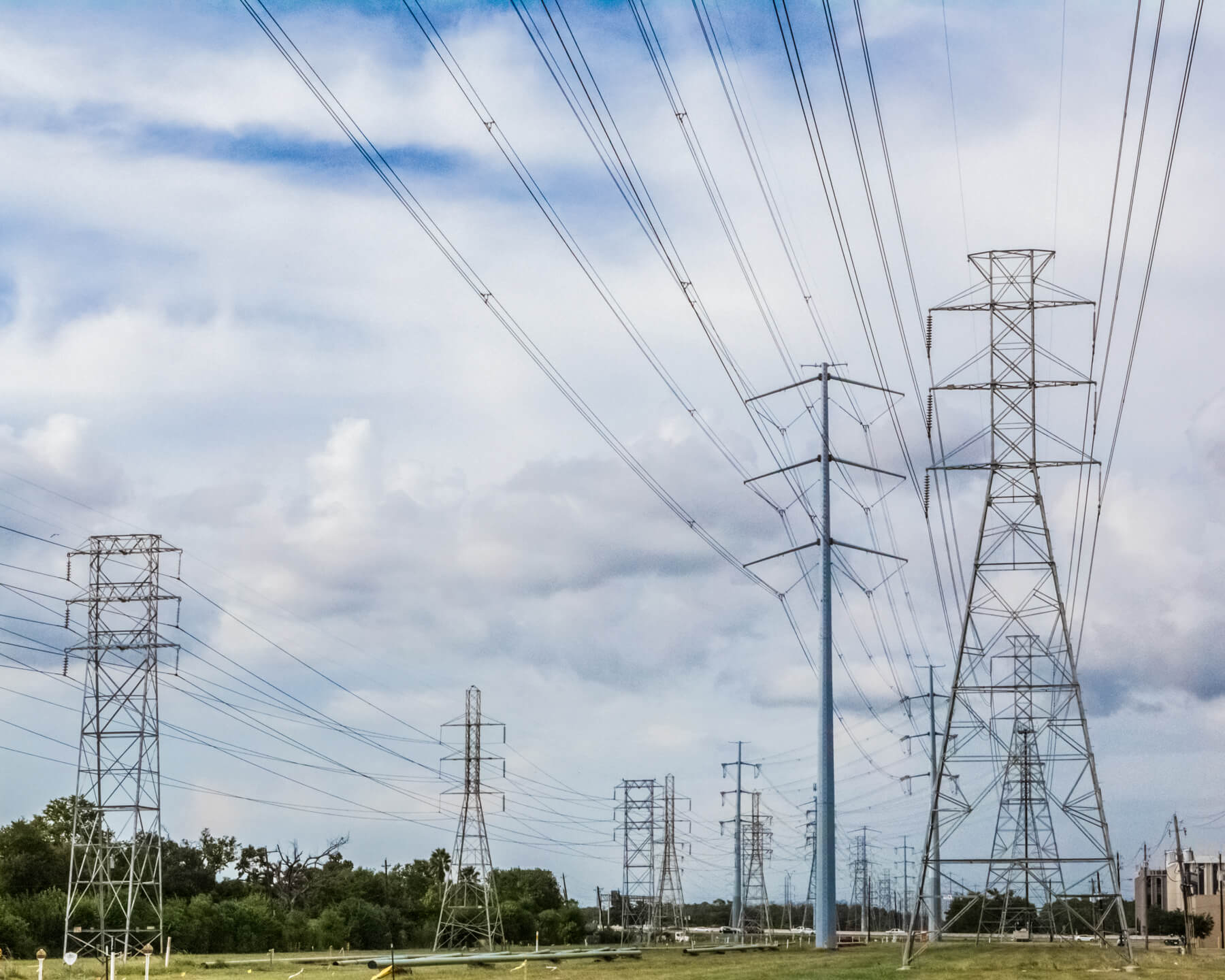
Announced megawatts are like leased acres, but energized, used, and profitable megawatts are like productive wells. The boom is genuine, and success will depend on precision, discipline, and pragmatism.
By Dan Romito4 min readSeptember 1, 2026
→

Energy
To unlock affordable grid capacity, policymakers should require utilities to consider the best-available line technologies by default, while utilities themselves modernize planning to reinforce their affordability commitment to customers.
By Dylan Maxik4 min readAugust 20, 2026
→

Energy
The Department of Energy’s recent National Transmission Needs Study identifies several of these cases, where regions’ electricity costs would decline substantially if they were connected by a high-capacity transmission line. Providing these benefits to consumers, however, requires confronting not just the incentives that discourage utilities from building interregional lines, but the state laws that let incumbent monopolies control who builds them.
By Dylan Maxik4 min readAugust 11, 2026
→
Energy
Lawmakers in both parties are scrambling to address the issues revealed by data centers. President Donald Trump, his administration officials, and several governors (including Pennsylvania Gov. Josh Shapiro) signed on to a statement of principles that encourage data centers to bring their own power or pay for the power they need.
By Joshua Schubert and Travis Fisher4 min readAugust 5, 2026
→
Energy
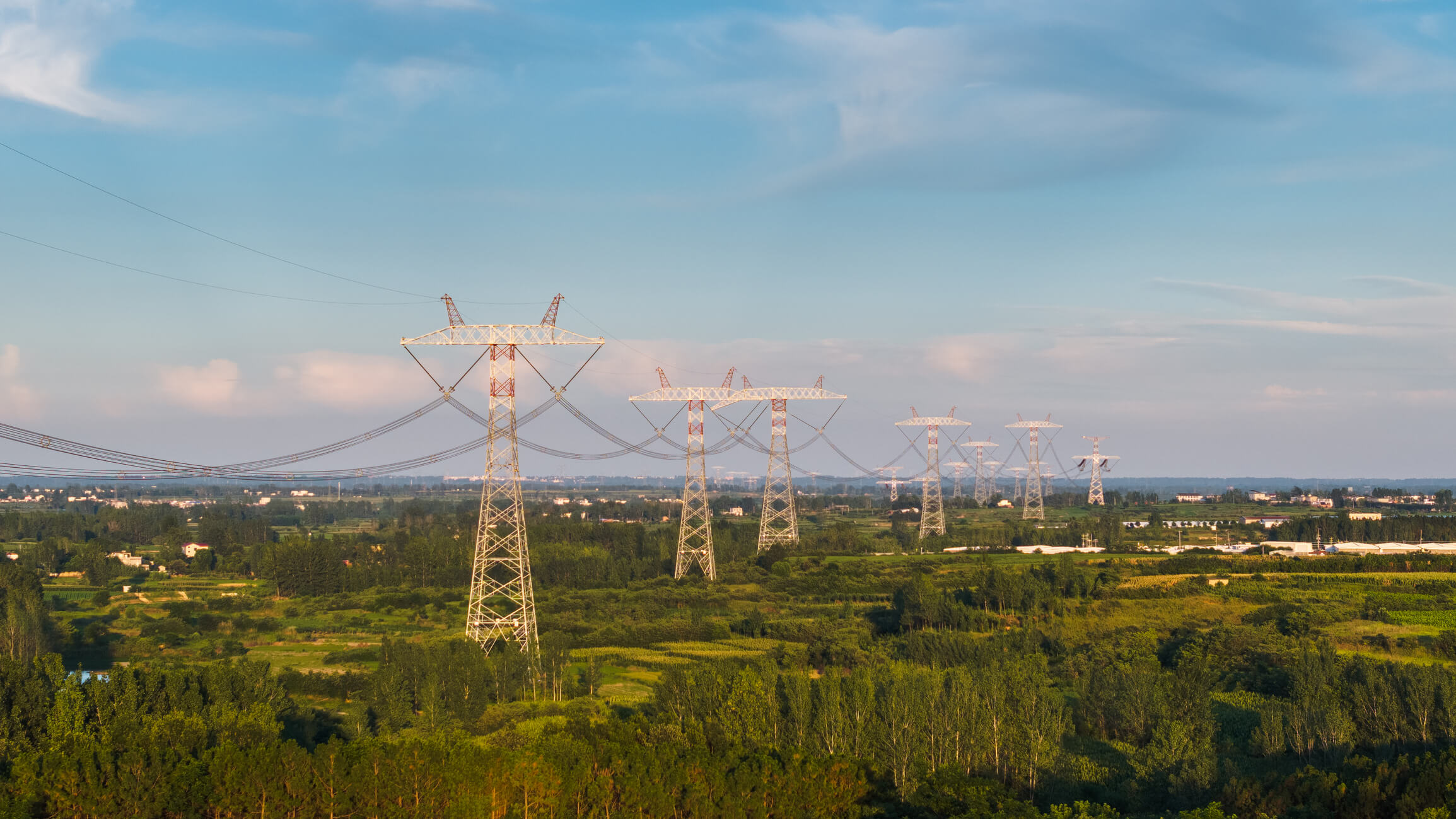
Building more is no substitute for building smarter. At times, this has been a challenge for America's energy infrastructure, particularly transmission. It is evident that the U.S. needs more transmission, but which transmission lines it builds matters for protecting ratepayers and keeping costs in check. An overwhelming number of House Members just reaffirmed this guiding principle for how America should approach the development of electric transmission.
By Dylan Maxik4 min readJuly 30, 2026
→
Energy
As Americans crank up their air conditioning bills in the summer months, the importance of affordable, dependable power is critical but often taken for granted. Especially today, families are more acutely aware of how much they’re paying as electricity rates have risen at a pace more than double the rate of inflation over the past year.
By Nick Loris4 min readJuly 29, 2026
→
Energy
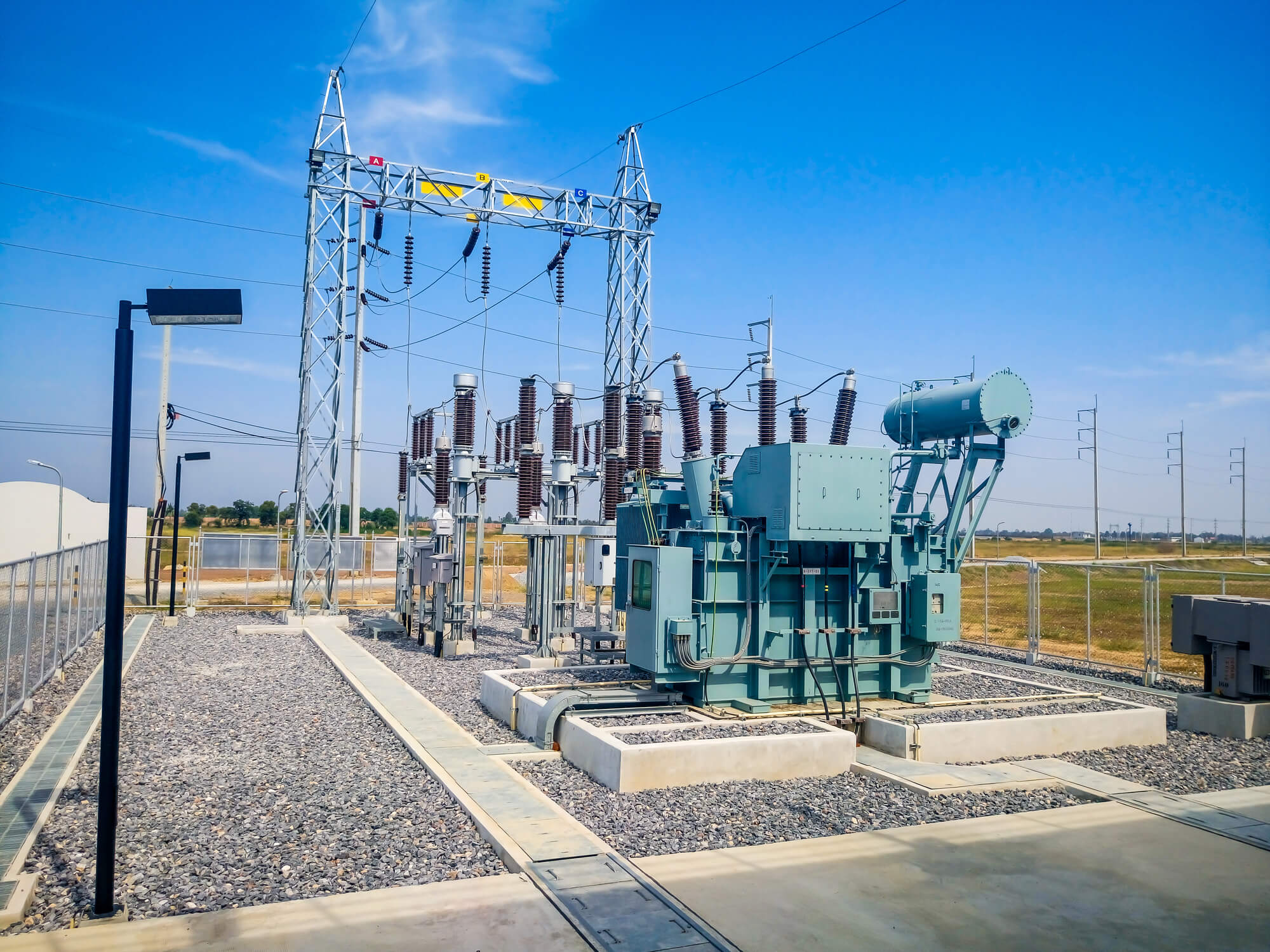
Many American power plants are stuck in a dysfunctional express lane. Energy Resource Interconnection Service, or ERIS was created to give generating facilities a faster, leaner way to connect to the grid without waiting in the main queue. Instead, in many markets, ERIS today places fast-trackers on the same slow schedule as projects in the main line. When new, highly competitive generation cannot be connected to the grid in a timely way, a key affordability and efficiency opportunity is left on the table.
By Dylan Maxik4 min readJuly 23, 2026
→
Energy
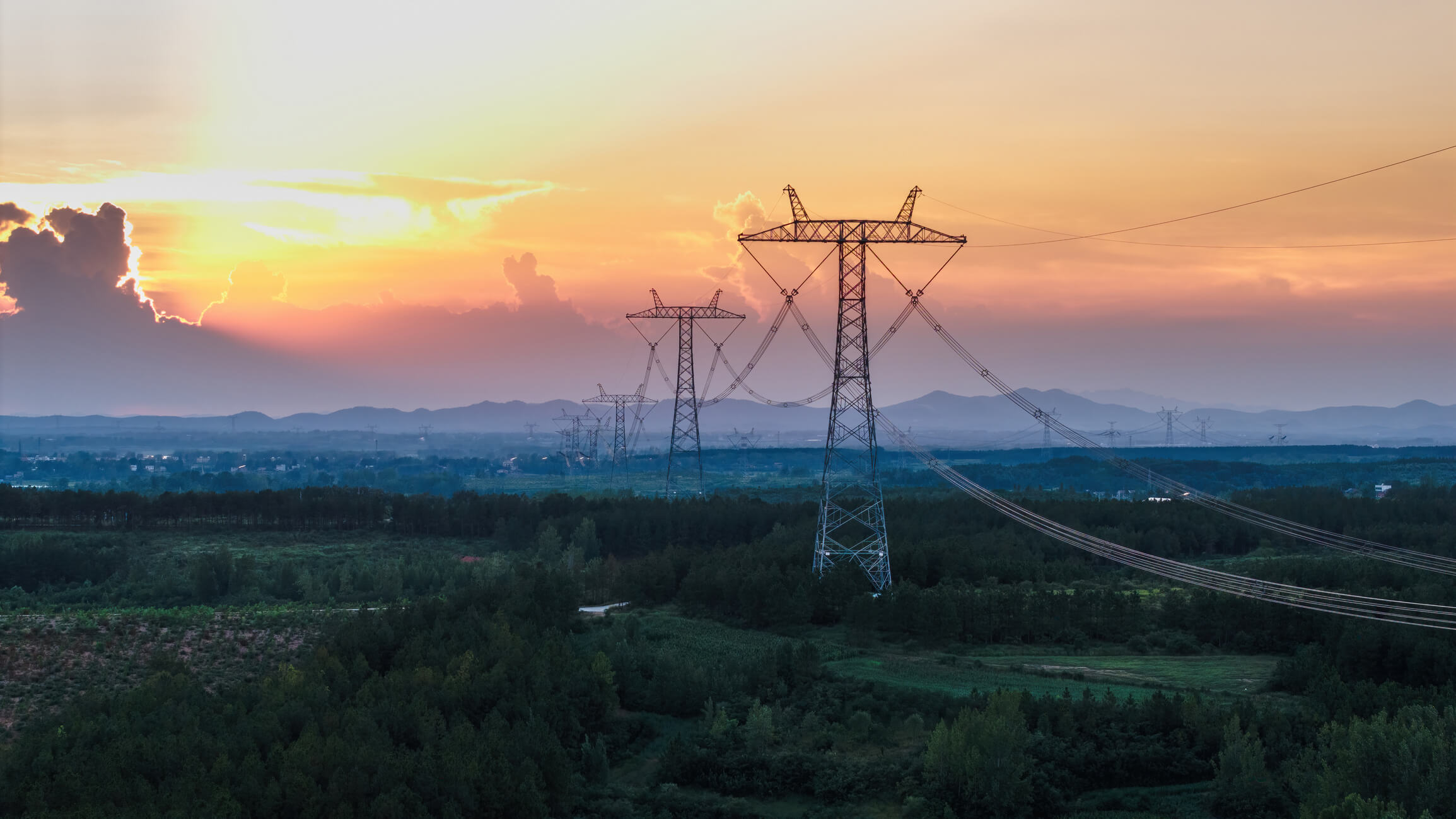
Electricity rates are rising faster than inflation and are felt by households across America. After decades of flat electricity demand, the country is experiencing significant load growth, driven by hyperscale AI data centers, resurgent domestic manufacturing, and the steady electrification of buildings and vehicles.
By Nick Loris5 min readJuly 20, 2026
→
