
Environment
Here is a fact that should embarrass every climate activist: States with the most liberated energy markets in America are producing better environmental outcomes than the green mandators of Europe — and doing it without impoverishing their people in the process. Freedom, it turns out, is a remarkably effective environmental policy.
By Drew Bond5 min readJuly 21, 2026
→

Energy
Yesterday, the United States and Iran signed an agreement to end the war. The 14-point Memorandum of Understanding (MOU) includes an immediate and permanent end to military operations, the lifting of the U.S. naval blockade, and the reopening of the Strait of Hormuz. It is a preliminary deal, not a final settlement, and sets a maximum 60-day deadline to negotiate a final agreement.
By David Kemp4 min readJune 18, 2026
→
Energy
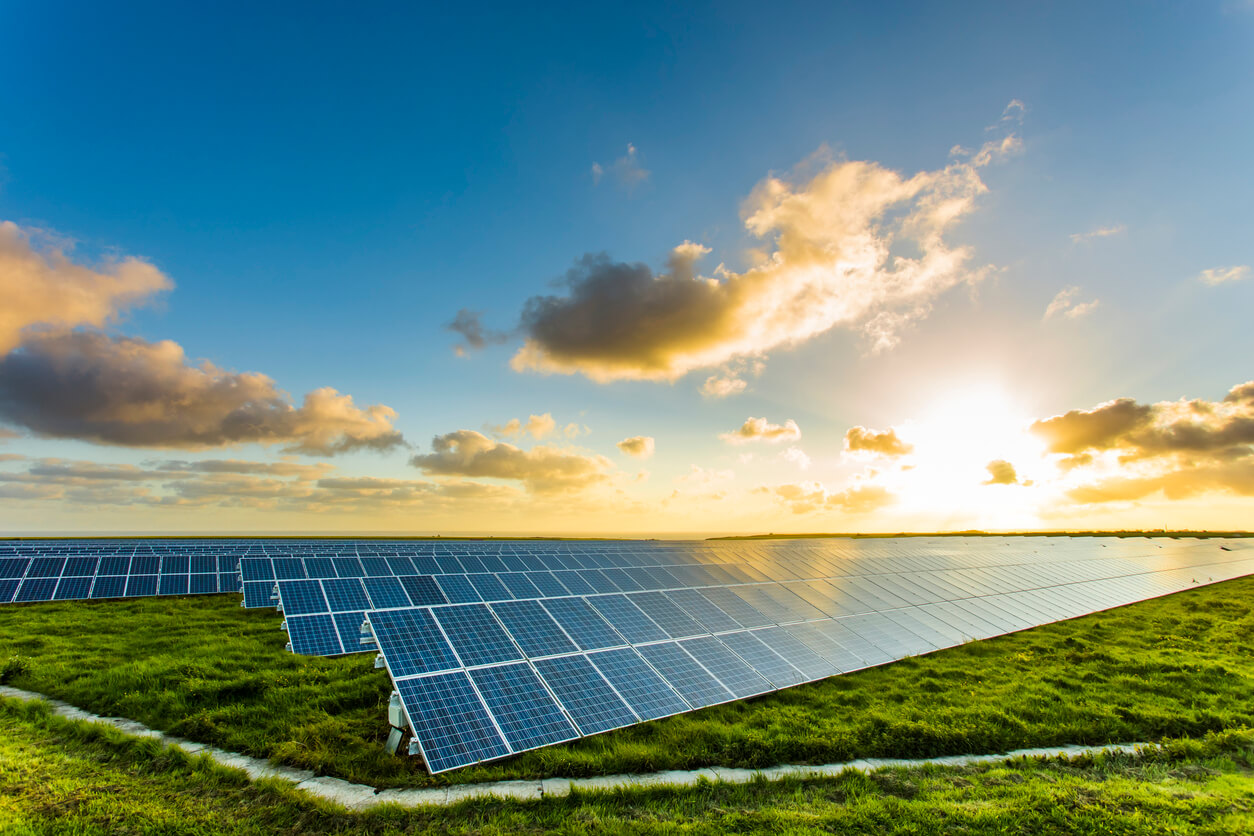
Solar power is now among the cheapest forms of electricity on Earth. Yet the industry still behaves as if it can’t survive without government support. Since President Donald Trump signed the “One Big Beautiful Bill” last July 4, the solar industry has sounded alarms.
By Drew Bond4 min readApril 29, 2026
→
World
As the Iran war continues, oil prices keep rising. Gasoline has climbed to over $4 per gallon for the first time in four years. The ripple effects are spreading across the economy as markets that depend on affordable crude begin to absorb the disruption of roughly one-fifth of the world’s oil and liquefied natural gas that normally passes through the Strait of Hormuz. Everything from airline tickets to groceries is seeing upward pressure as the prices of jet fuel, diesel, and fertilizer all rise.
By David Kemp4 min readApril 6, 2026
→
Energy
While it still seems to be a long way off, Iran and Trump seem to be considering the conditions they need to make peace. As I’ve noted in past Low-Energy Fridays, peace is better for the economy than war, which destroys productive resources and erodes investor confidence. But we must also understand that the way in which this peace is achieved may impact energy markets in the long term. While any peace is generally better economically than the status quo, risks caused by the war may remain even after a deal is made.
By Philip Rossetti3 min readMarch 30, 2026
→
Policy
A new idea has emerged in the federal permitting reform space: “de-risking” permits via a government-managed insurance program. The context for this development is that investors lack confidence in their ability to secure federal permits due to the power of political appointees at permitting agencies to delay, cancel, or revoke permits. This has resulted in a new permitting reform priority: “permitting certainty,” or the notion that a permit, once granted, won’t be reversed under a future administration. While this is a laudable goal, policymakers must appreciate that government interventions can make these problems worse.
By Philip Rossetti5 min readFebruary 17, 2026
→

Popular
The Environmental Protection Agency’s (EPA’s) recent decision to stop monetizing the health benefits of reducing fine particulate matter, known as PM2.5, has refocused attention on a long-running debate over air pollution regulation.
By David Kemp4 min readFebruary 5, 2026
→
