Agriculture
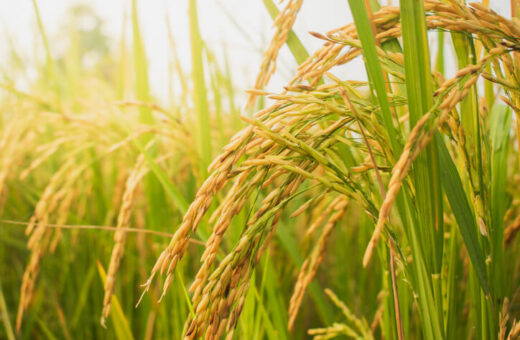
Tech giant Google has agreed to purchase one million carbon credits from Indian startup Mitti Labs to offset methane emissions from rice farming. As one of the world’s staple grains, rice cultivation accounts for approximately 12 percent of methane emissions worldwide. Unfortunately, its presence in every kitchen cabinet also means that reducing the crop’s carbon footprint is no simple task.
By Nathalie Voit2 min readSeptember 17, 2026
→

Agriculture
Across major farming regions, crop conditions are shifting quickly as rainfall and temperature patterns become more uneven. Too much rain is creating problems in some places, while others are dealing with persistent dryness.
By Felippe Reis5 min readAugust 27, 2026
→
Conservation
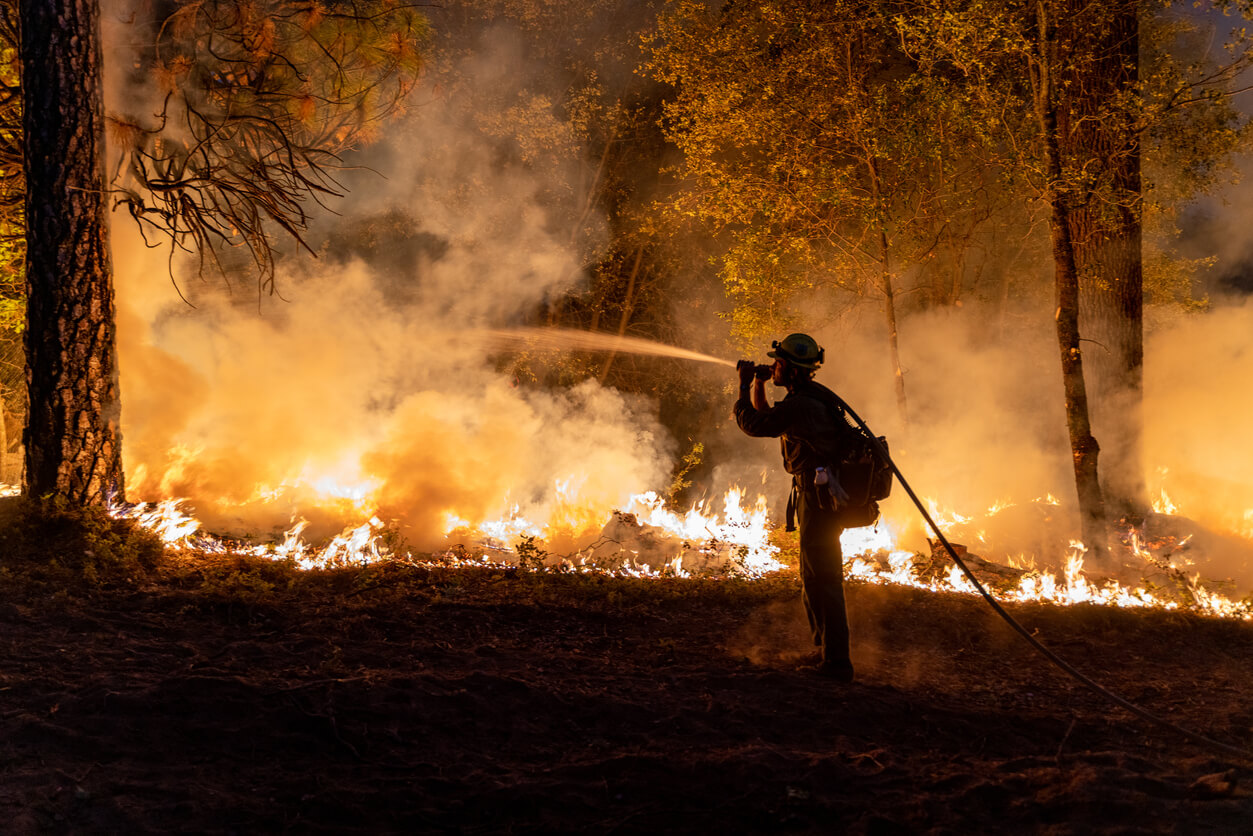
The need to reduce fire risk is apparent, and we know how to do so through active forest management. Yet policy continues to slow those efforts down and that urgently needs to change.
By Cecilia Fassett4 min readAugust 12, 2026
→
Conservation
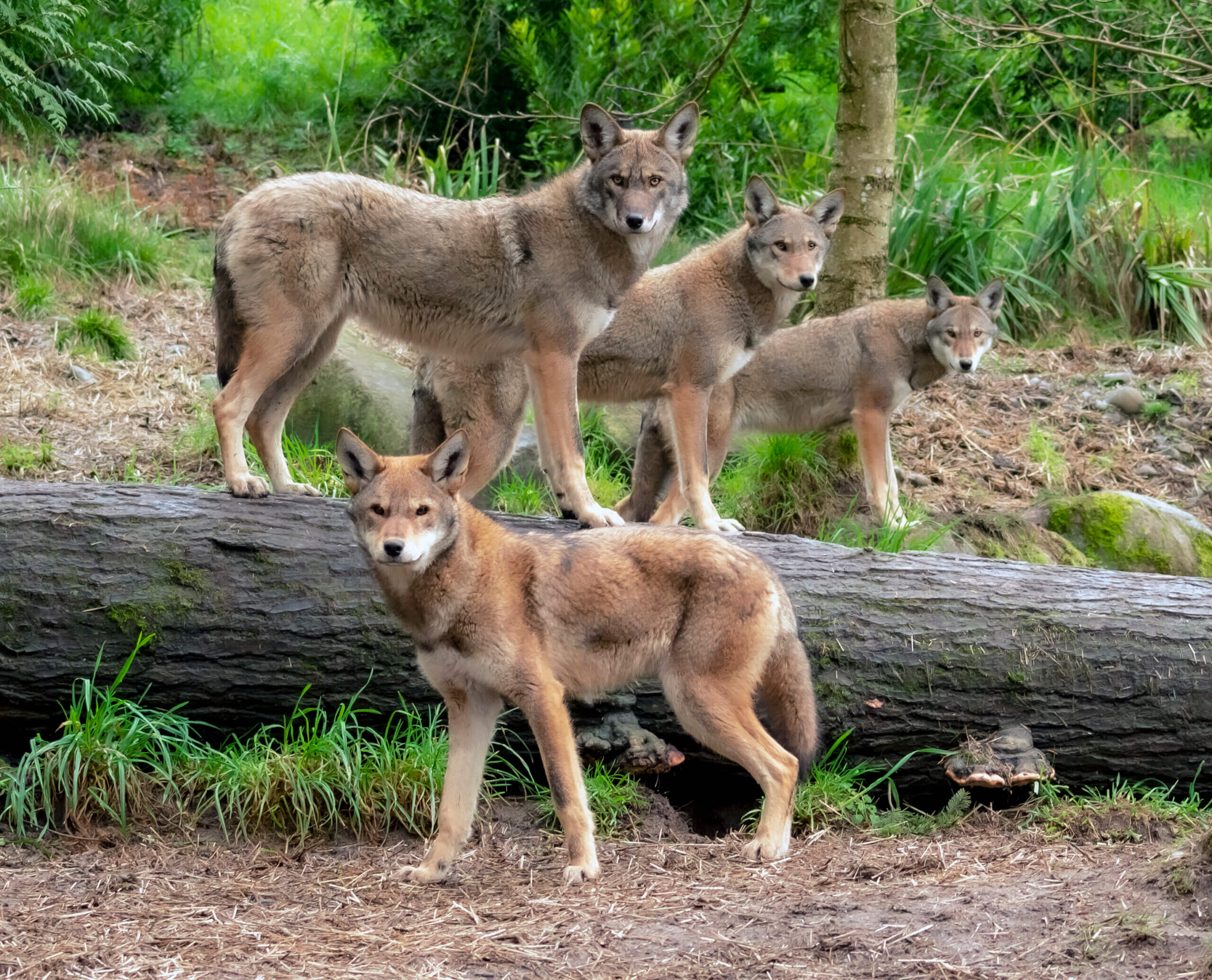
By rescinding the expansive regulatory definition of “harm” under the Endangered Species Act and returning to Justice Scalia’s narrower textual reading that limits “take” to direct actions against individual animals, federal agencies have struck a blow for property rights, reduced unnecessary land-use controls, and restored freer market incentives.
By Andrew Follett4 min readAugust 6, 2026
→

Conservation
The 50-year era of “don’t-touch” conservation may have ended three weeks ago, after the Trump administration narrowed the definition of harm under the Endangered Species Act (ESA). Harming an endangered species used to encompass damage to the land the species lives on. Landowners with endangered species were limited in how they could steward their plots of land. After all, endangered species’ recoveries relied on proactive efforts by landowners, which will remain intact regardless of the changing incentive structure of the ESA. The unnecessary penalties landowners had to incur were lifted, and conservation efforts will be able to fit the needs of the land and life rather than keeping the overburdening punishments of the ESA.
By Sydney Rodman4 min readJuly 27, 2026
→
Agriculture
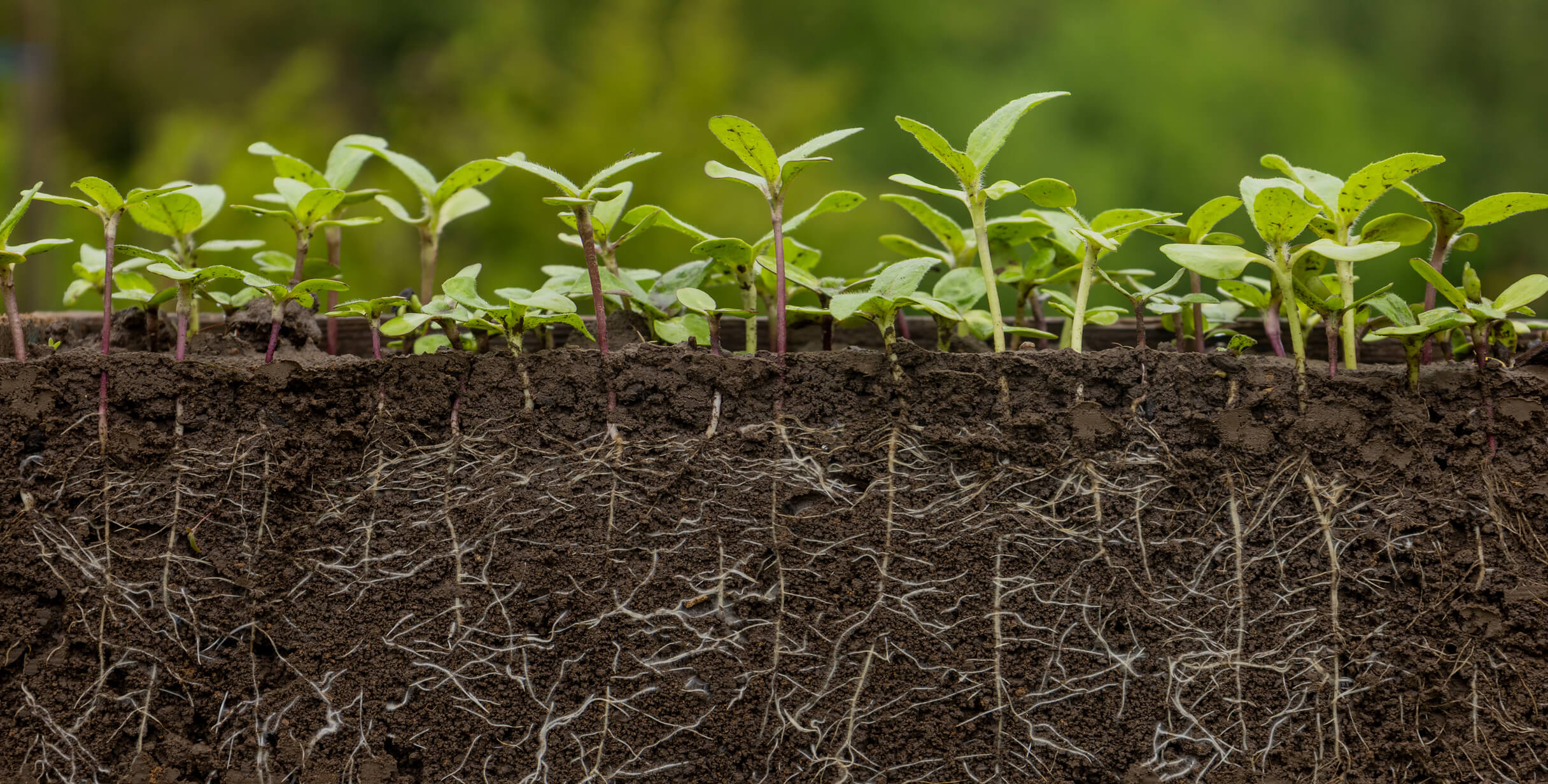
Soil is arguably the most critical factor involved in any plant’s life cycle. It serves many roles, including anchoring a plant in place, storing and supplying nutrients, breaking down organic matter, and insulating the plant. These are just a few of the many functions soil performs for a single plant.
By Ann Joseph4 min readJuly 14, 2026
→

Conservation
Conservation science has long defined itself as a crisis-solution field, rooted in problem-solving. Yet for years it has been better at identifying species and regions at risk than at delivering solutions to help them. Identifying this key downfall, Conservation X Labs has risen to the occasion. A non-profit focused on slowing biodiversity loss, it promotes innovation and the development of cutting-edge technology to tackle conservation challenges.
By Ann Joseph3 min readJune 10, 2026
→
Agriculture
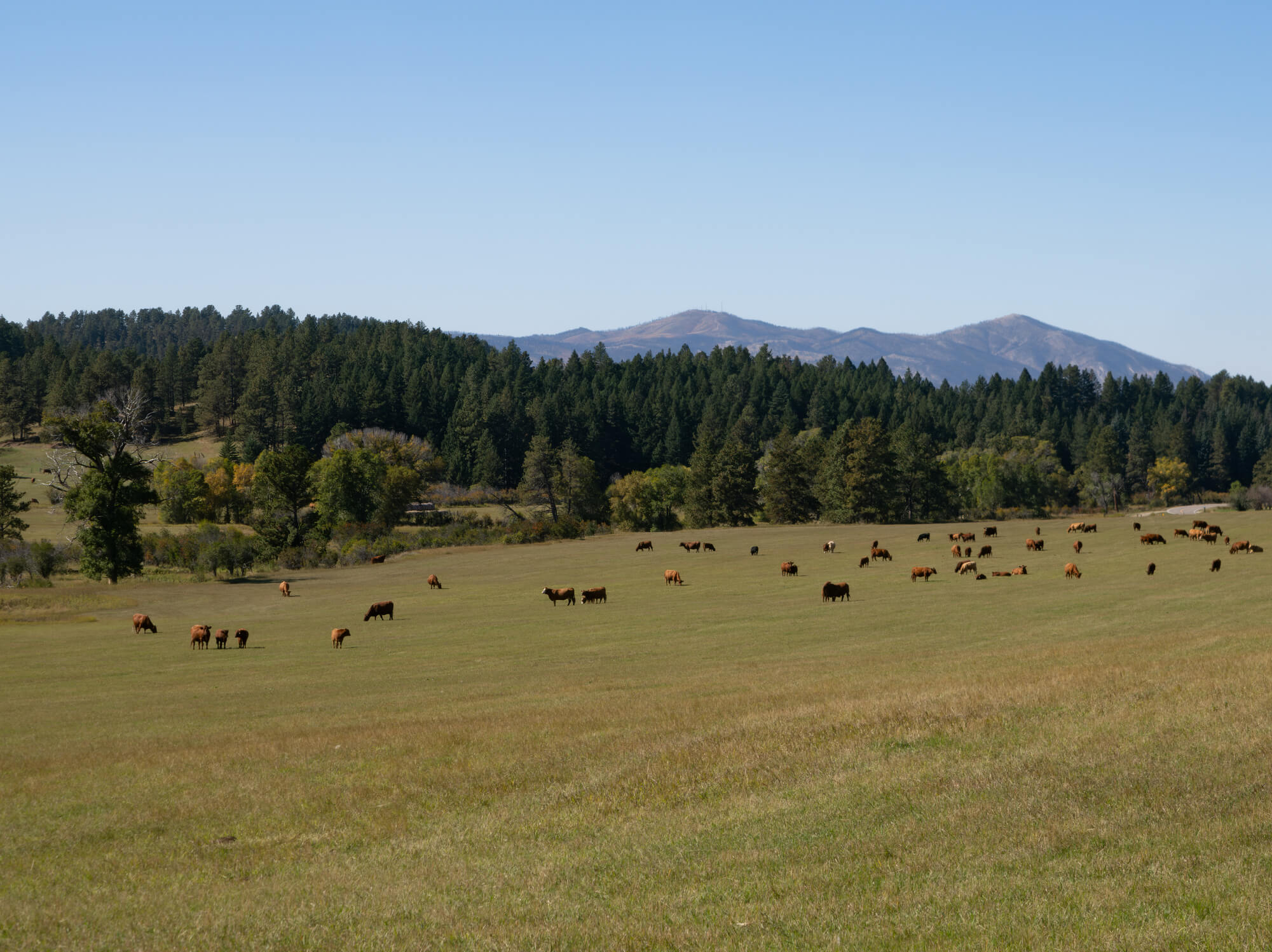
American agriculture is becoming increasingly reliant on technology. From precision agriculture to virtual fencing, farmers and ranchers are finding smarter ways to manage their operations, driving productivity and environmental gains at the same time. But most of these tools depend on one thing: reliable connectivity.
By Cecilia Fassett3 min readMay 4, 2026
→
Conservation
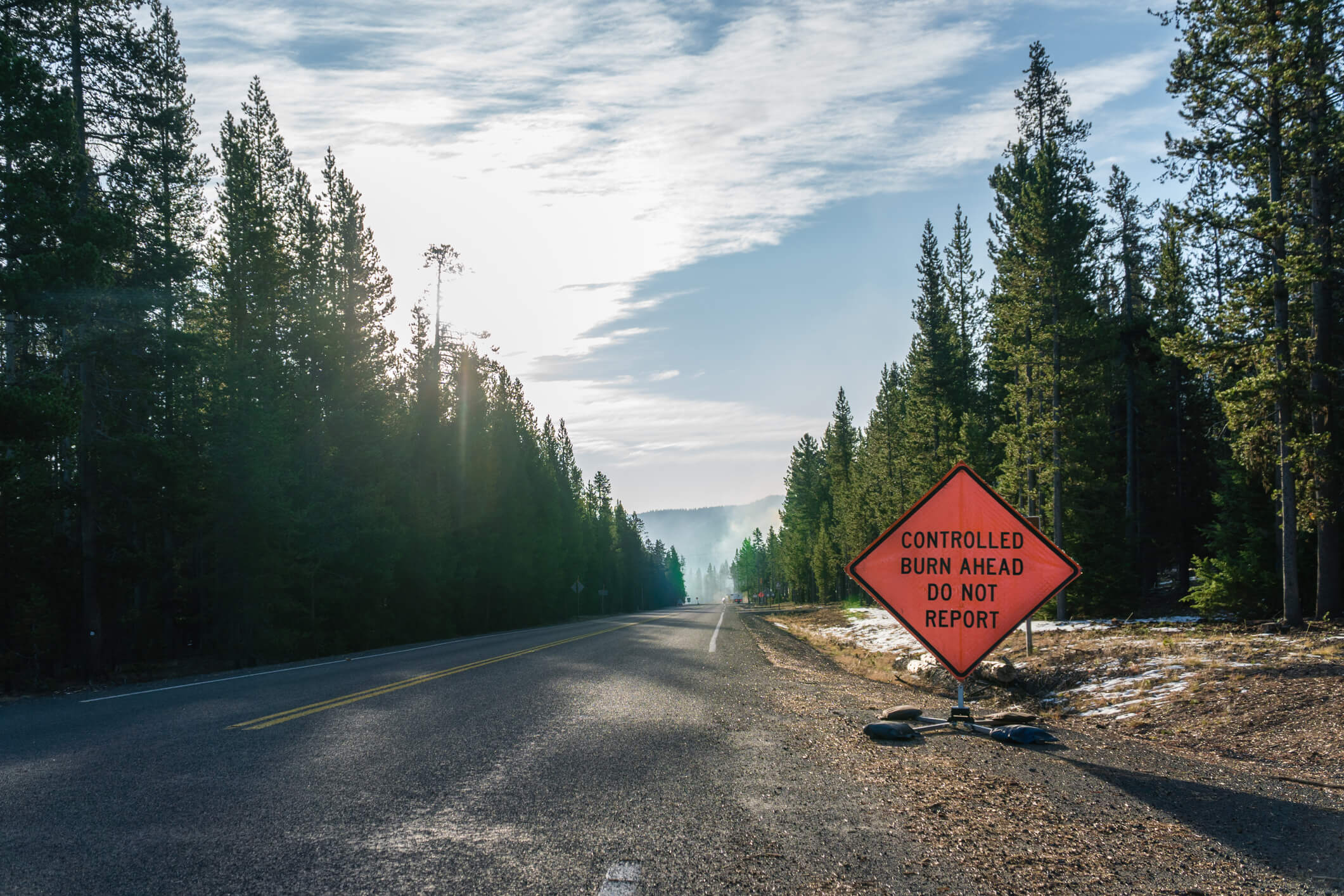
With respect to addressing America’s wildfire crisis, the CAA can ironically penalize states for conducting prescribed burns, which are among the most effective tools for preventing catastrophic wildfires and the harmful air pollution they produce.
By Cecilia Fassett3 min readApril 14, 2026
→
Energy
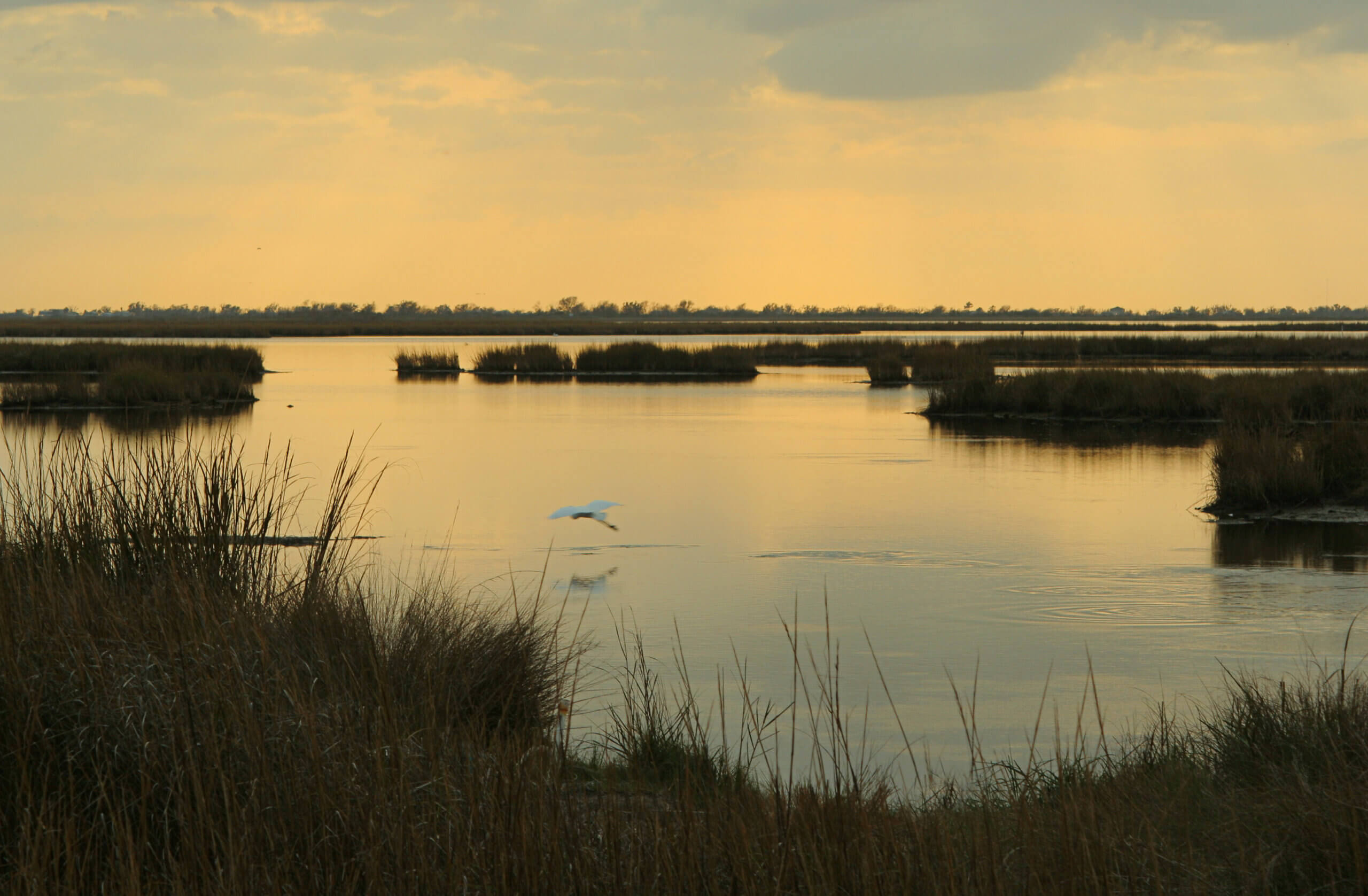
Louisiana has lost over 2,000 square miles of coastal land since the 1930s, an area the size of Delaware. Wetlands continue to disappear at an alarming rate, threatening communities, infrastructure, and one of America’s most productive fisheries.
By Prasanna Pydipalli5 min readApril 1, 2026
→
