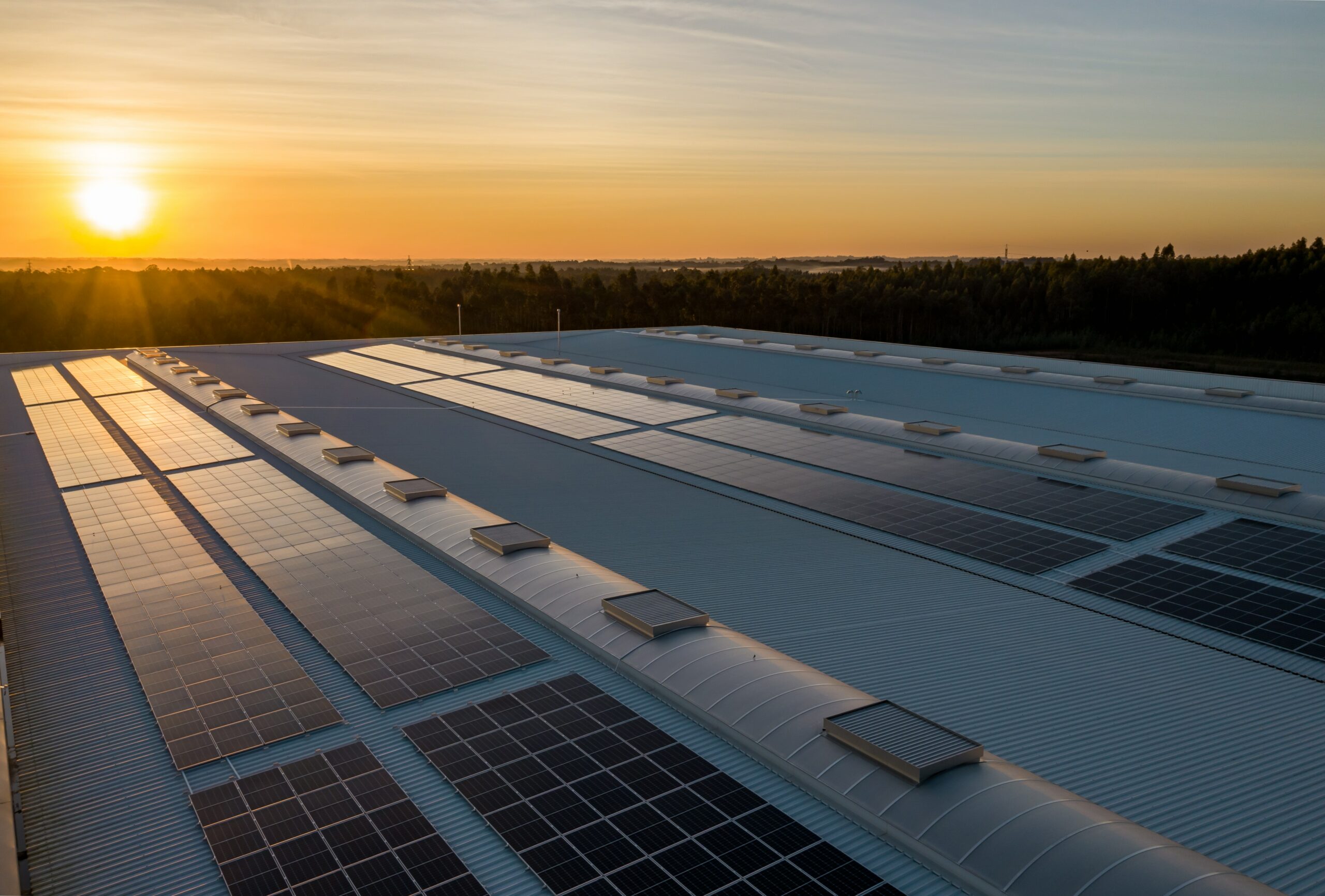
The Biden-Harris White House announced its Climate Innovation Working Group in 2021, to “create jobs and tackle the climate crisis.” The group’s initial $100 million fund promised to spark “game-changing technologies” in government-led climate advancements. Instead, the Biden administration has chosen partisan fights over top-down policy proposals and Supreme Court battles rather than innovative solutions.
>>>READ: How Inflation Cripples Innovation
Old school party line bickering might be an attempt to save Biden’s approval ratings but won’t save the planet. The administration has been increasingly quiet on its ambitious emissions targets in the wake of recently released data showing the U.S. is still falling short of its 2025 and 2030 goals, presumably since failure of that scale can’t be blamed on Senator Joe Manchin.
Innovation-focused climate policies have proven difficult to advance with progressives, who say they’re “justifiably wary of ‘techno-fixes’ being used to advance conservative interests,” but polling data suggests the average American cares more about their environment and economy than empty partisanship. Large majorities of both parties support market-based solutions that spur innovation, like tax credits for companies developing carbon capture technologies. With inflation continuing to hit home, Americans in both parties are less willing to sacrifice the economy for stricter regulations than they were before Biden took office.
As partisan politics continue as usual in Washington, the private sector is showing promise with a wide array of green innovations which are proving especially successful with the right support from public-private partnerships and innovation funds.
Airlines’ recent financial struggles have incentivized carbon capture innovation, with Alaska Airlines, Microsoft, and a startup called “Twelve” announcing a new partnership to turn captured carbon into jet fuel. The technology could be a major development for airlines, which have famously tight operating margins and fewer options for alternative fuel sources than many other industries.
Another startup in Silicon Valley has been innovating on nature’s oldest carbon capture system: trees. Living Carbon, funded through a National Science Foundation grant, is an example of “synthetic biology,” involving gene editing trees. The hybrid species of poplar tree grows faster, absorbing more carbon than natural trees, and has a larger root system helpful for fighting soil erosion.
>>>READ: Innovative Technology is Saving the Bees
Other innovations have happened closer to the dining table, with a host of new companies changing the way farms operate. Electric, self-driving, GPS-guided tractors are now on the market for American farmers, providing vehicles that are not only sustainably fueled but also free up farmers for other work. Likewise, droughts have incentivized advances in drip irrigation, a system of targeting water directly at plants’ roots. With 70% of the world’s water being used for agriculture, and 70% of water being wasted through traditional irrigation methods, government partnerships with industry innovators can help boost uptake of these technologies. The Central Arizona Project has already expanded an initial successful pilot program with an Israeli startup, planning to cover the cost of the technology for an even larger group of farmers across the region by next year.
Americans across party lines support the most logical solutions forward, and businesses large and small are already solving their way towards conservation and climate protections. Sustainable solutions are everywhere in the free market; it’s time the White House aligns its effort with its options.
Alina Clough is a public service technologist focusing on the design of government and nonprofit technologies. She holds a Master’s in Public Policy degree from the Harvard Kennedy School of Government and is a Frederic Bastiat economics fellow at George Mason University’s Mercatus Center.