Elon Musk and Vivek Ramaswamy are taking applications to fill out the Department of Government Efficiency (DOGE). While DOGE is not an official agency and is constrained in what it can do, countless opportunities exist to limit the federal government’s overreach into the economy and people’s lives. Hiring qualified expertise could be the first step in turning DOGE from a PR campaign to a legitimate force for good. Without out-of-control spending and an ever-expanding bureaucracy, the opportunity is ripe for a much-needed course correction. Doing so will benefit American taxpayers, families, and businesses and improve the effectiveness of the necessary functions of the federal government.
The United States stands at a critical juncture in its energy future. We are a global leader in energy production and have world-class talent working on technological breakthroughs for all forms of energy. At the same time, Americans have concerns about high prices and grid reliability, and unprecedented load growth demand from AI will challenge the policy and regulatory status quo. By streamlining processes, reducing bureaucratic roadblocks, and optimizing resource allocation, DOGE can be a significant conduit for an abundant, secure, and clean energy future.
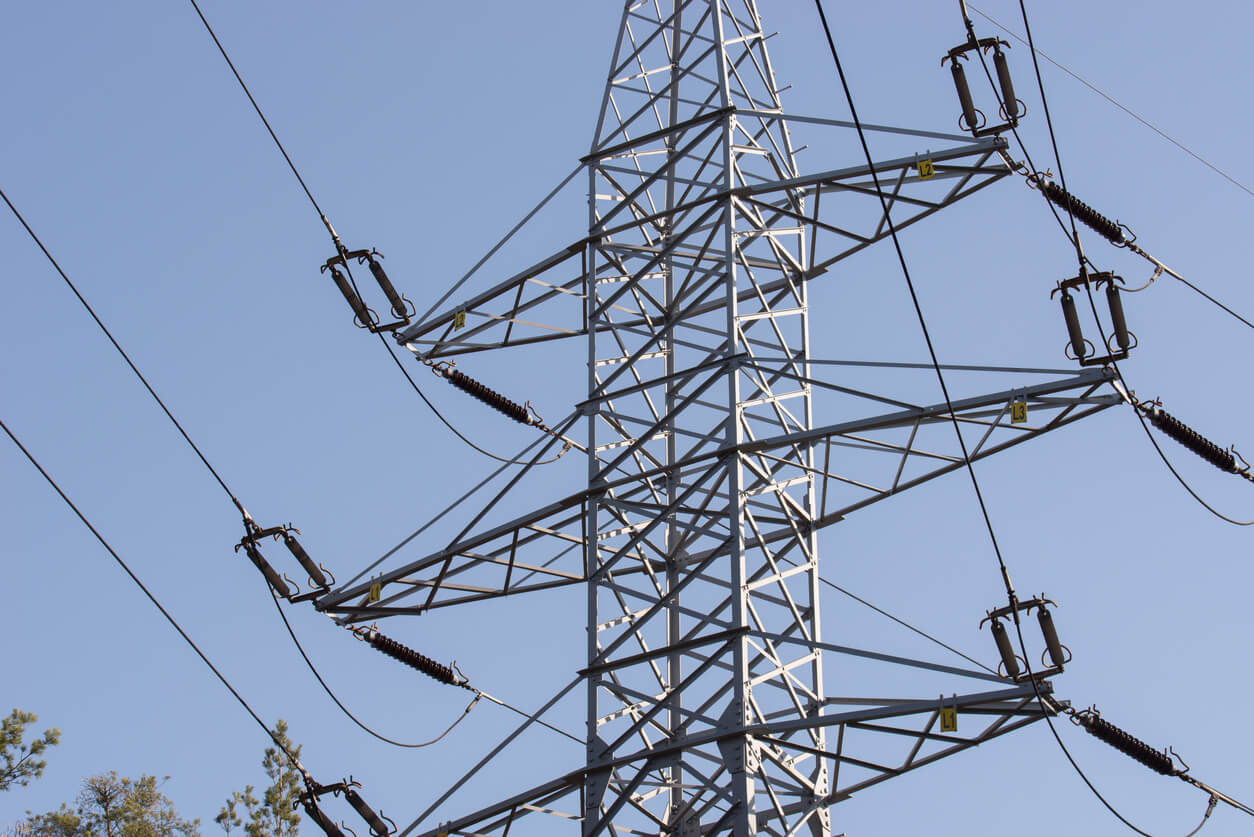
It is no secret that energy innovators and project developers face a labyrinth of regulatory requirements spanning multiple federal agencies. A single project might require approvals from the Department of Energy, Environmental Protection Agency, Federal Energy Regulatory Commission, and various state agencies. This bureaucratic maze, often with duplicative checkpoints along the way, extends project timelines by years and inflates costs significantly. If a project isn’t stuck in regulatory red tape, there’s a good chance a frivolous lawsuit holds it up. Such antiquated and cumbersome processes deter potential investors, delay crucial innovations from reaching the market, and block more energy supply from reaching the market – all to the detriment of American consumers.
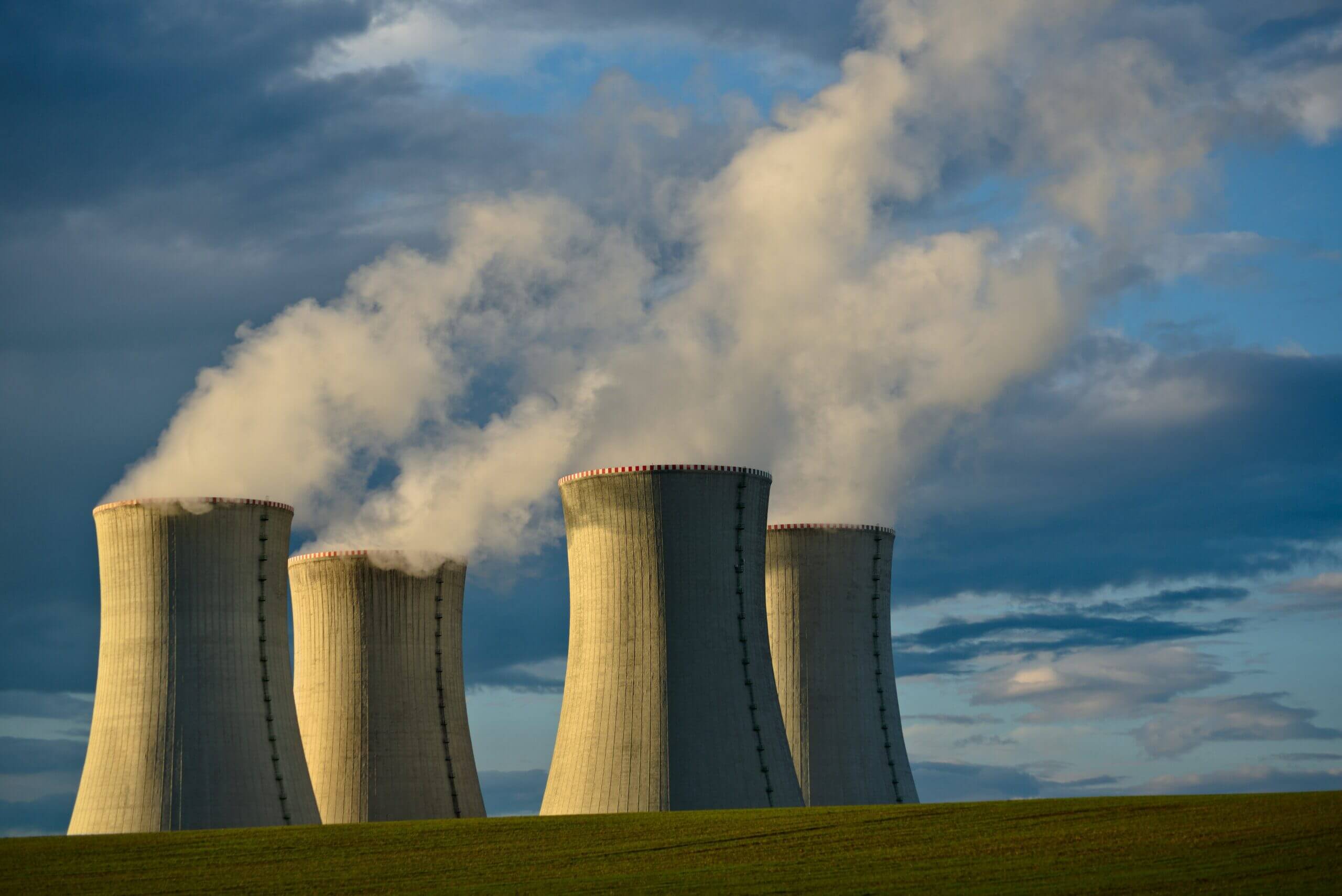
Consider the case of small modular nuclear reactors. The current licensing process can take up to a decade, requiring hundreds of millions in compliance costs before construction begins. A streamlined process could cut this timeline in half while maintaining safety standards, making advanced nuclear power more commercially viable.
>>>READ: Permitting Reform Isn’t Just a Lame Duck Opportunity. It’s a Forever Battle
DOGE recommendations should swing for the fences but not lose sight of the fact that singles and doubles will have a significant impact. The starting point for National Environmental Policy Act (NEPA) reform should not be tinkering around the edges. Permitting challenges are likely to persist without fixing the problem of excessive litigation. Congress and the Trump administration should shorten the statute of limitations, put a time limit on injunctions, narrow who can have standing, and eliminate taxpayer funding for attorneys’ fees for environmental activist organizations.
NEPA is far from the only statutory problem that thwarts energy investment, job creation, and environmental progress. Congress needs to modernize all of the major environmental statutes, such as the Clean Water Act, Clean Air Act, and Endangered Species Act. Unilateral regulatory improvements are good, but legislative reform will have the most staying power.
Furthermore, Congress should also address the regulatory and policy barriers that adversely affect the competitiveness of specific energy technologies. That includes everything from relicensing hydropower, radiation standards for nuclear, and ensuring geothermal production on federal land is on equal footing with oil and gas development. Fixing these regulatory inefficiencies will help bring more dependable, clean power online.
Critically, DOGE should champion the reforms within agencies that will promote efficiency and improve transparency and oversight. Clawing back wasteful spending and eliminating ineffective regulations should be a priority, but process improvements can go a long way in saving time and money. Modernizing data sharing between federal agencies would eliminate redundant reporting requirements. For instance, simplifying administrative processes through more standardization and better communication will help the private sector better interact with the Department of Energy’s national laboratories.
>>>READ: For Good Climate and Energy Policy, Stop the Trade-Off Denial
Moreover, the deployment of AI can wade through public comments faster to address concerns while holding government agencies accountable. NEPAccess uses AI to inspect past NEPA reviews, which can provide retrospective analysis of how accurate the environmental impact assessment was and use past reviews to inform current and future projects.
By identifying and eliminating redundant processes, leveraging technology for better oversight, and coordinating between agencies, the U.S. will maintain high environmental standards while reducing unnecessary barriers to innovation. Smart regulatory reform often improves oversight by allowing regulators to focus resources on the highest-risk areas while reducing the administrative burden on routine matters.
The global race for energy leadership is intensifying. While countries like China are streamlining their approval processes for energy projects, America risks falling behind due to regulatory inefficiency. DOGE can help America maintain its competitive edge, boost energy development, and save taxpayers money by ensuring regulatory processes enhance rather than hinder innovation.