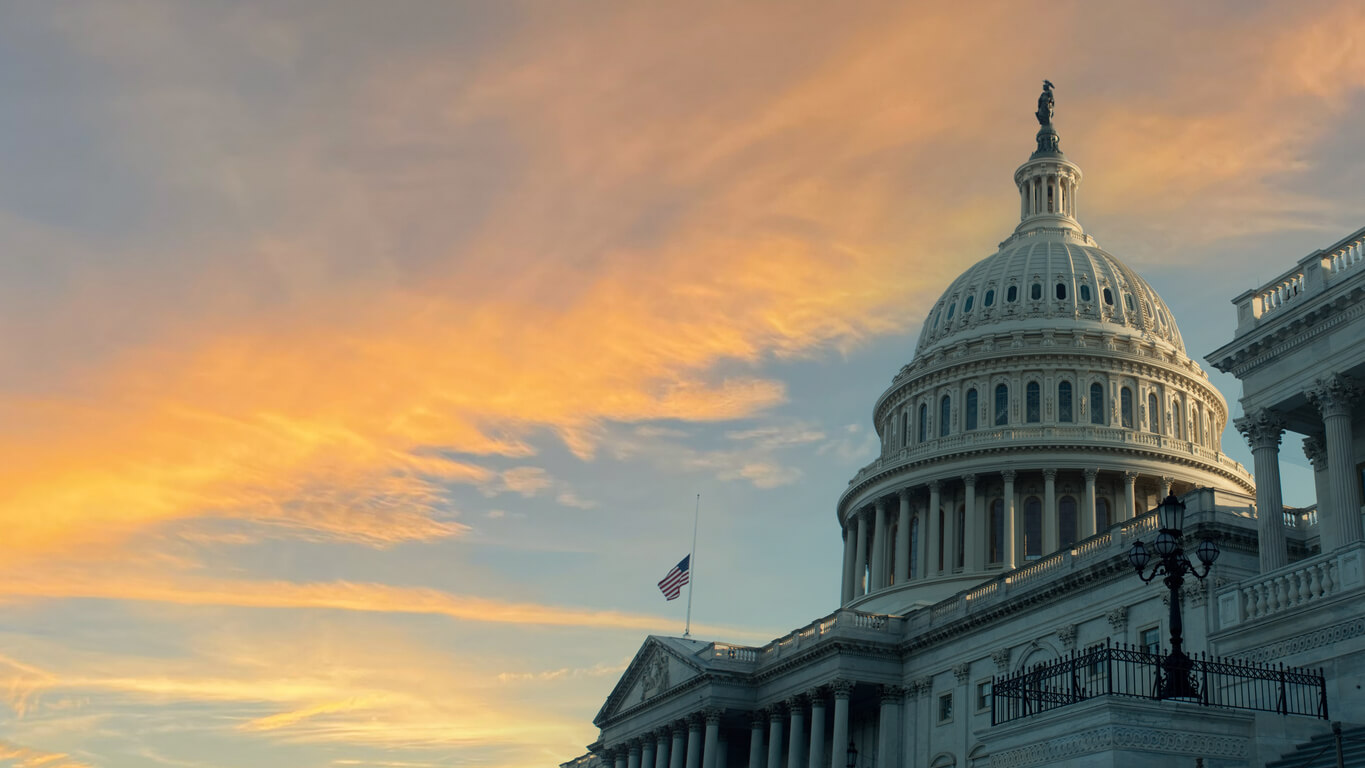
With much of the climate community in New York for Climate Week, the House of Representatives was busy in Washington advancing reforms to spur clean energy generation and enhance conservation efforts. Several bills passed the House this week to make it easier to deploy clean, firm geothermal energy and to restore and protect America’s forests.
>>>READ: How Artificial Intelligence is Being Harnessed to Predict and Prevent Wildfires
Healthy forests provide many economic and environmental benefits to communities and the planet. If improperly managed, however, America’s forests are an economic, environmental, and public safety liability The Fix Our Forests Act will help reduce the risk of wildfires and promote forest health through the implementation of proactive forest management activities. Thinning overgrown forests through timber harvesting or prescribed burns significantly decreases the amount of fuel available for wildfires. Actively managing America’s forests not only lowers the intensity of potential wildfires but also enhances biodiversity and supports wildlife habitats.
With respect to geothermal, Rep. Michelle Steel (R-CA) and Rep. Susie Lee (D-NV)’s H.R. 6474 would amend The Energy Policy Act to create a more efficient permitting process for geothermal projects on previously studied or developed areas. The bill would expand the list of categorical exclusions under the National Environmental Policy Act to include geothermal technology, putting it on equal footing with oil and gas projects.
The Geothermal Energy Opportunity (GEO) Act, introduced by Congressman John Curtis (R-UT), would reduce delays after the federal government completes an environmental review by requiring the Department of Interior (DOI) to continue authorizing project leases unless a federal court vacates that lease. As Rep Curtis’s office explained, DOI “is holding up projects that already have a Record of Decision due to the Department’s alleged fear of litigation. In other words, after a company has spent substantial time and resources getting a project permitted, Interior is still withholding notices to proceed, drilling permits, and other authorizations because of litigation threats against a project.” Excessive litigation and even the fear of litigation have been a major obstacle to much-needed energy deployment.
>>>READ: New Map Shows Geothermal Energy’s Potential for Abundant, Clean Power
Passed in the House with strong, bipartisan support, these bills have promising outlooks in the Senate and could make it to President Biden’s desk through several channels. A growing chorus from both parties recognizes that regulatory roadblocks obstruct energy development and conservation efforts and addressing this issue will help lower energy bills and emissions. While there’s much more work for Washington to do, these House-passed bills are a step in the right direction.