When it comes to the need to cut red tape to speed up clean energy deployment, the chorus is growing larger and louder. Writing in Cipher, Anca Gurzu detailed how long timelines to increase renewable power generation is inhibiting the growth of green hydrogen in Europe. The story is another example of a frustrating theme for investors and developers keen on decarbonizing the economy: red tape.
>>>READ: Reduce Regulations to Accelerate Green Energy Development
Similar to electricity, hydrogen is an energy carrier. The Department of Energy describes hydrogen as “a clean-burning fuel, and when combined with oxygen in a fuel cell, hydrogen produces heat and electricity with only water vapor as a by-product. Hydrogen can be made directly from fossil fuels or biomass, or it can be produced by passing electricity through water, breaking the water into its constituent components of hydrogen and oxygen. Some envision a future ‘hydrogen economy,’ where hydrogen is produced from a variety of energy sources, stored for later use, piped to where it is needed, and then converted cleanly into heat and electricity.” More specifically, green hydrogen is generated from low or zero carbon emission sources.
For Europe to diversify its energy supply to reduce its dependence on Russian gas and meet its climate targets, efficient permitting is critical. In a separate story last month, Gurzu pointed to one project that exemplifies the inability to build clean energy projects:
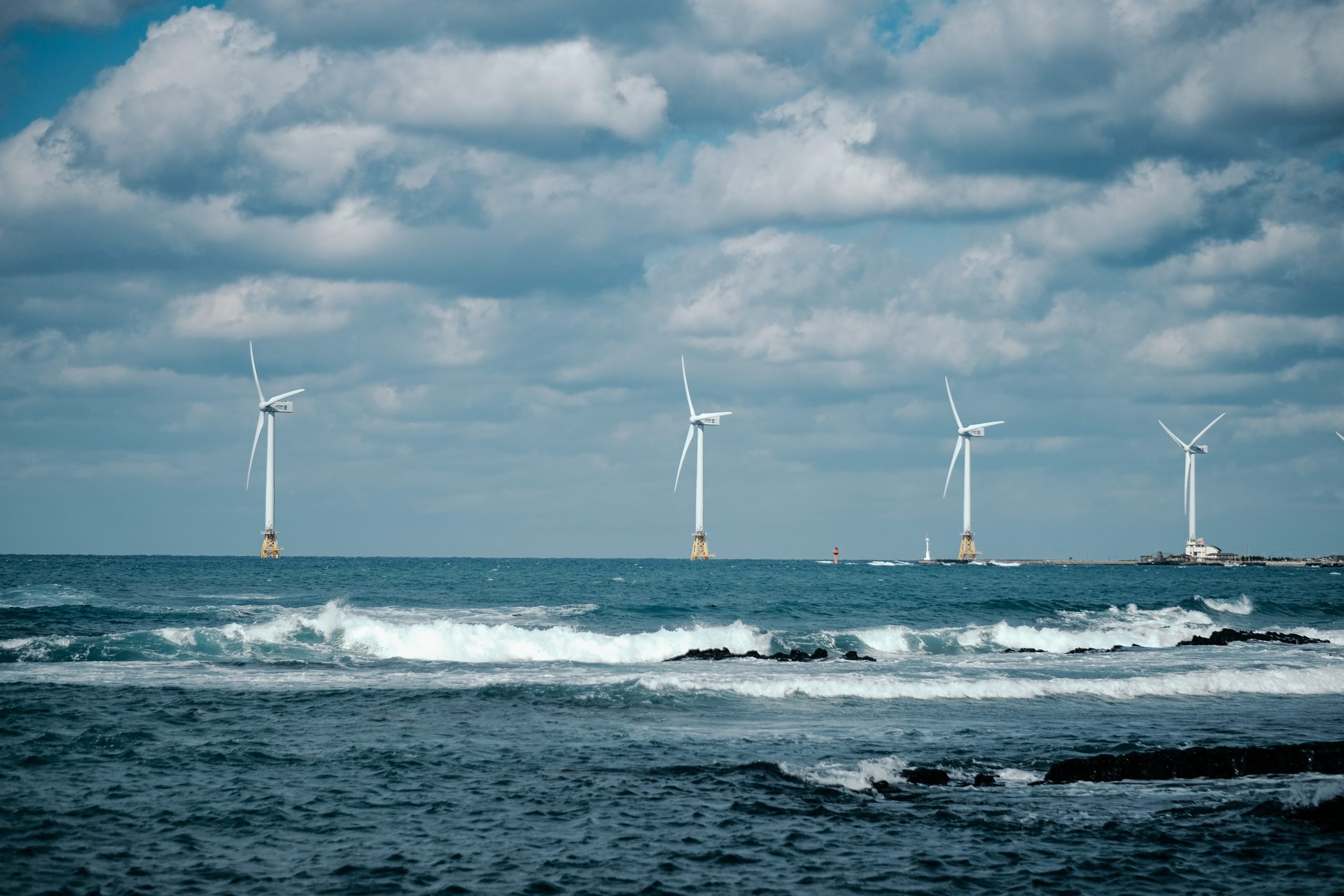
In 2012, a Danish renewable energy developer applied for a permit to build an offshore wind farm in the country’s southern waters that could power 350,000 homes.
In 2020, after navigating a complex application process, the company, European Energy A/S, finally won approval from regulatory authorities to move forward—only to find out in the same meeting that another government branch was planning to declare the selected area a nature-protected zone.
Burdensome permitting processes and prolonged lawsuits have adverse ripple effects for innovative, greener technologies. “Hydrogen producers’ main complaint,” Gurzu writes, “is that it takes too long to bring a new wind or solar plant online and connect it to an electrolyzer.”
Project developers in the United States face similar bureaucratic obstacles. Chief among them is the National Environmental Policy Act (NEPA). As columnist Ezra Klein wrote in the New York Times, NEPA is “part of a broader set of checks on development that have done a lot of good over the years but are doing a lot of harm now. When they were designed, these bills were radical reforms to an intolerable status quo. Now they are, too often, powerful allies of an intolerable status quo, rendering government plodding and ineffectual and making it almost impossible to build green infrastructure at the speed we need.” The Bloomberg Editorial Board also recently emphasized:
Reviews can run for hundreds of pages. Lawsuits, often brought by activist groups, can extend the process interminably. Green projects aren’t immune from this burden: An analysis last year found that of the projects undergoing NEPA review at the Department of Energy, 42% concerned clean energy, transmission or environmental protection, while just 15% were related to fossil fuels. Across the renewables industry, such regulation — state and federal — is impeding progress.
Wind power advocates complain of “unreasonable and unnecessary costs and long project delays.” Geothermal projects routinely face permitting hassles for seven to 10 years. Relicensing a hydropower plant can cost $50 million and take more than a decade. Solar projects often contend with a maze of permitting and certification requirements. Want to build a nuclear reactor? Compliance costs alone might exceed your profit margin.
Protracted permitting schedules and costly, drawn-out lawsuits particularly harm smaller businesses that may not have the means to fight the fight. Whether big or small, however, regulatory red tape results in companies dedicating more resources to lawyers and lobbyists when that money could be better spent innovating and building.
Businesses and investors need regulatory certainty. Markets will deliver dependable energy while making environmental progress if policies and regulatory frameworks allow it to happen. Modernizing permitting will not cast environmental safeguards and concerns to the side but instead establish a predictable, efficient process. More efficient permitting will get more energy supply to the market, lowering prices. It will diversify energy supplies, enhancing energy security. And it will more effectively deploy resilient, cleaner projects funded by the Infrastructure Investment and Jobs Act, making better use of taxpayer dollars. Bold climate action will come by addressing the underlying systemic regulatory problems that stall green growth.