When listening to the climate debate you will likely hear from a large number of voices that the world is doomed unless we give the government control to implement top-down energy and climate policies. But if you dive into the data, you will quickly find that while climate change is an important issue, government-centric policies are not the right solution. As I write in my latest op-ed for The Washington Examiner, the answer to our greatest energy and climate challenges is economic freedom:
When given the opportunity to be free, people choose freedom. The good news for the environment is that freedom has an impressive track record.
As C3 Solutions shows in our second annual Free Economies are Clean Economies report, with a special foreword by Ed Feulner, the founder and former president of the Heritage Foundation, countries that are economically free are almost twice as clean as countries that are economically unfree.
Milton Friedman is right when it comes to not just our economic environment but our natural environment. No one washes a rental car. But when people are free to control their own destiny and property, choose where they work, and choose what they produce, consume, and invest, the environment flourishes. The government’s role is to help those bottom-up actors succeed by allowing labor, capital, and goods to move freely and refraining from coercion or constraint of freedom beyond the extent necessary to protect and maintain freedom itself.
The release of our 2nd Annual Free Economies are Clean Economies report comes at an especially important time. Over the past year in the U.S. we have seen historic inflation and energy costs which is forcing families to spend up to 28% more to heat their homes this winter. Meanwhile, Europe is facing an energy crisis and some governments are warning of potential blackouts in the upcoming months.
>>>READ: New Report: Freer Economies are Cleaner Economies
To lower costs and deliver reliable power to consumers, lawmakers should enact policies that open markets and allow the private sector to provide energy relief. This starts by embracing an “all of the above” energy approach. As I write in the Examiner:
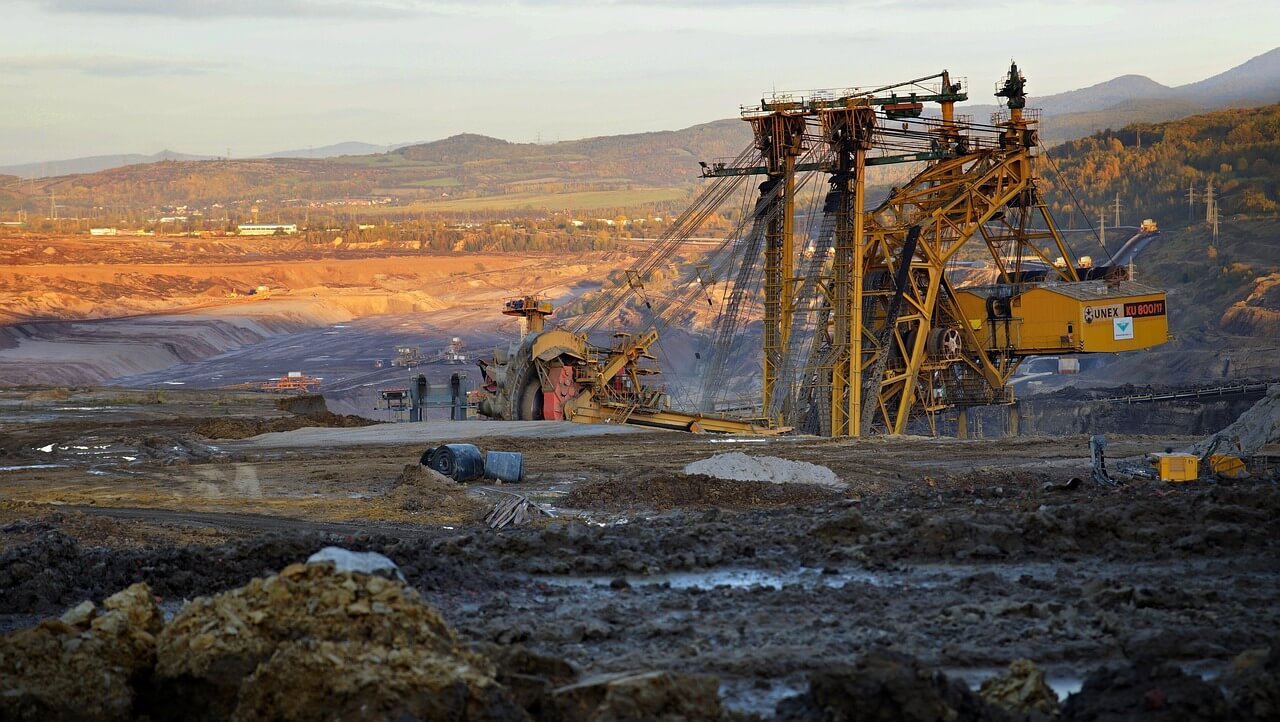
Oil, gas, and coal must be extracted, processed, and burned to create energy, which creates air pollution. Nuclear fuel must be processed, used, and disposed of very carefully. Wind and solar technologies must be manufactured in large amounts of energy and land, become a waste management challenge when they have aged out, and only produce electricity intermittently, if the wind is blowing or the sun is shining.
At the same time, oil, gas, and coal have been tremendous drivers of lifting people out of poverty. Nuclear energy has the safest and cleanest track record. And harnessing the wind and sun to produce energy actually makes a lot of sense.
All of these forms of energy have their place in the world, but each comes with trade-offs.
The real question in the climate debate is what kind of world will it be? Will it be a world under heavy-handed government mandates, rationing, and restrictions in the name of saving the planet from changing climates? Or will it be a world that flourishes with freedom and prosperity, where people can determine their destinies, free from oppression and poverty, motivated to steward the environment in which they live?
Changes in the earth’s climates pose a serious risk and must be met with serious solutions for the climate debate. Time and time again we have seen government-centric policies fail. Economic freedom on the other hand has accelerated prosperity around the globe while creating innovations that lower emissions and drive progress. To see meaningful progress the choice is clear: policymakers must embrace economic freedom.
Read the full op-ed in The Washington Examiner here.