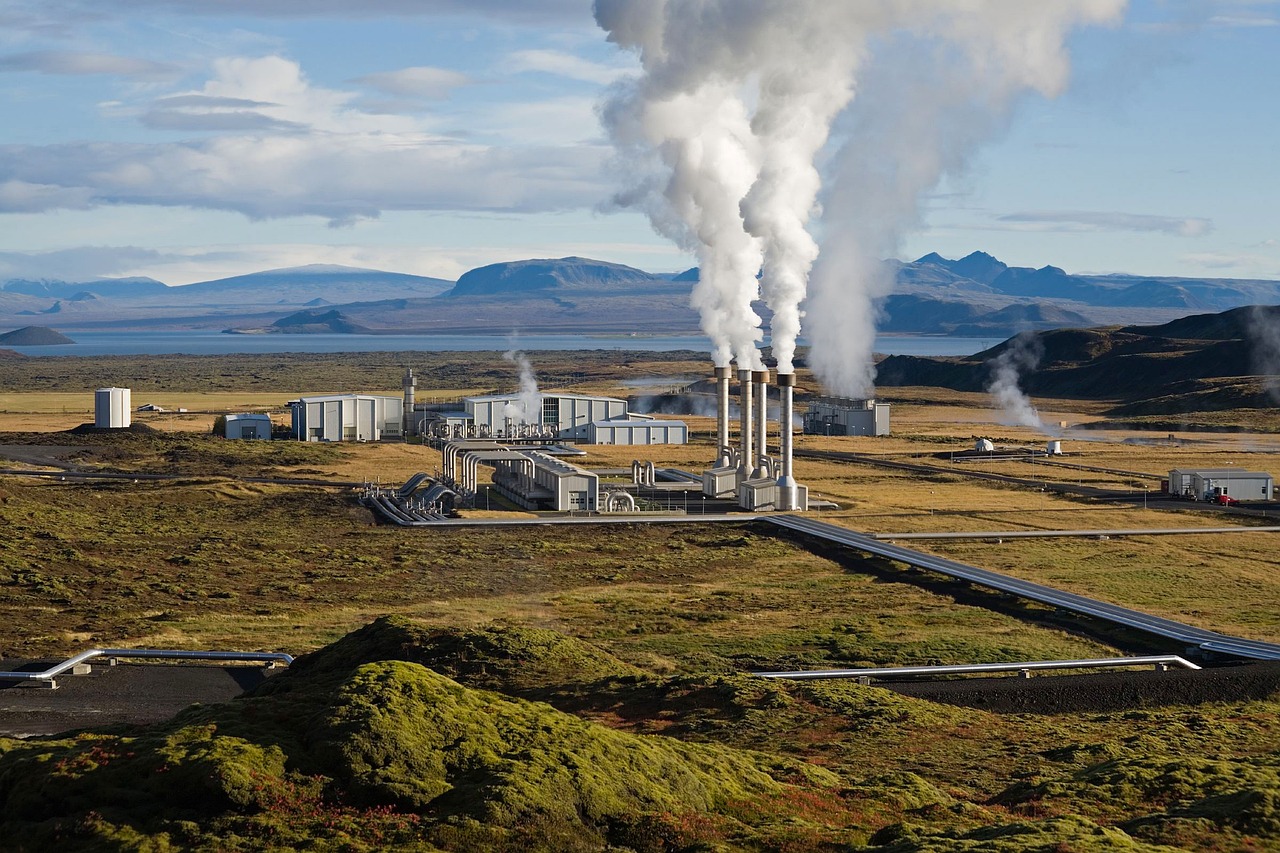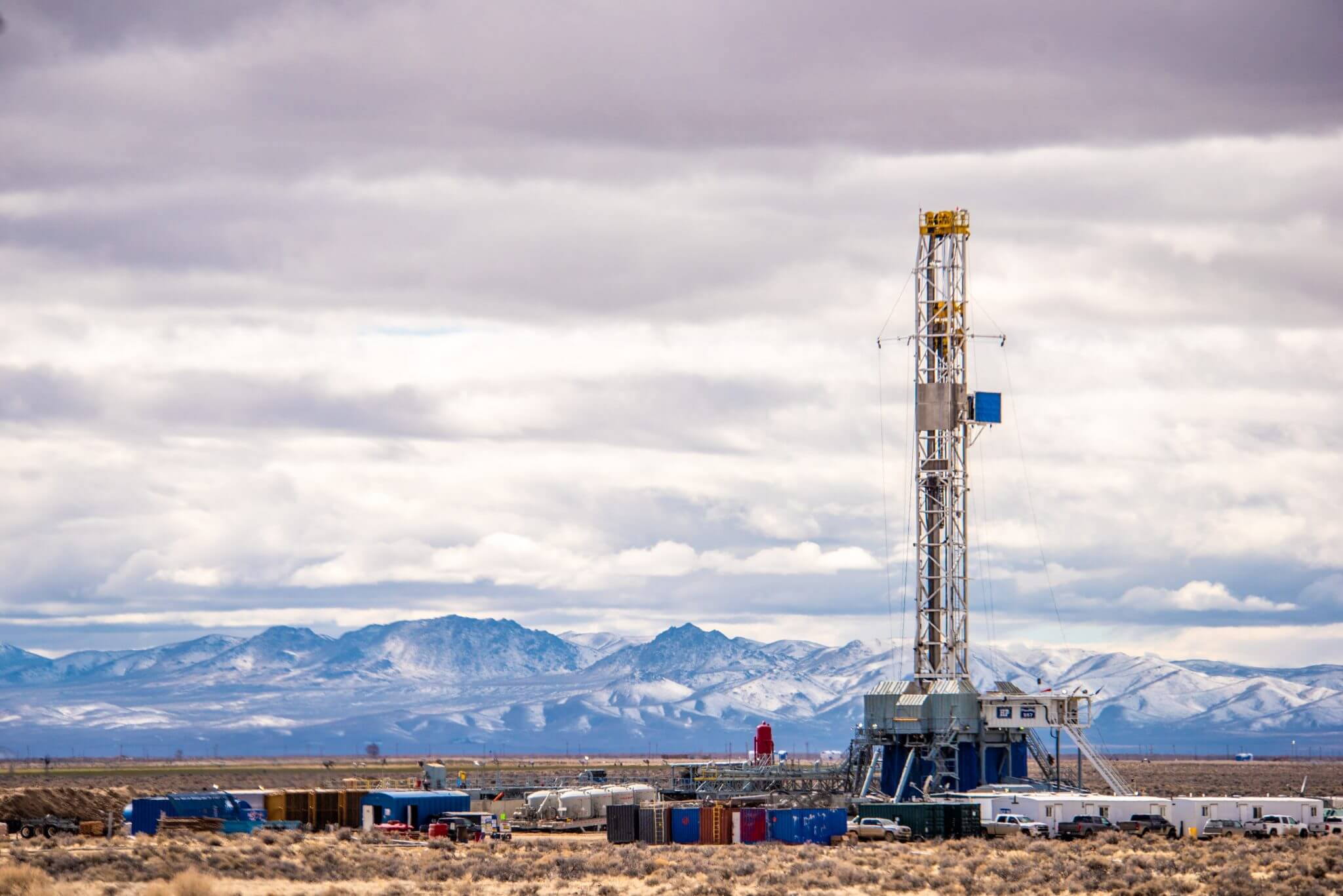
Fervo Energy’s recent commercial breakthrough in Nevada is heating up the race in clean energy innovation. Using enhanced geothermal techniques, which include extraction technologies pioneered by the oil and gas industry, the geothermal startup completed a successful well test at its site in Northern Nevada. The success of this pilot project confirms the commercial viability of enhanced geothermal and could be a game-changer for clean, dependable power.
>>>READ: Fervo Energy Announces Combined Geothermal and Direct Air Capture Plant
Enhanced geothermal systems use vertical and horizontal drilling techniques, like the extraction innovations that unlocked abundant, affordable oil and natural gas in the United States. As the Department of Energy (DOE) explains, “Fluid is injected deep underground under carefully controlled conditions, which cause pre-existing fractures to re-open, creating permeability. Increased permeability allows fluid to circulate throughout the now-fractured hot rock, and the fluid becomes hot as it circulates. Operators pump the hot water up to the surface, where it generates electricity for the grid.”
Fervo drilled down more than 7,700 feet and horizontally more than 3,200 feet, where internal temperatures of the earth’s core are 375 degrees Fahrenheit. The project will produce 3.5 megawatts of emissions-free electricity that Google will use to power its data centers. Like hydropower and nuclear energy, geothermal is reliable and operates 24/7.
Geothermal power has experienced impressive growth in recent years as oil and gas executives have taken their drilling know-how and market experience to the geothermal industry. A recent report from the University of Texas at Austin’s Energy Institute found that “the oil and gas industry could reduce the cost of geothermal development between 20 to 43 percent in the coming years through know-how and existing technology transfer alone.” In fact, Fervo CEO Tim Latimer worked in the oil and gas industry as a drilling engineer and recognized how the industry’s technological advancements could apply to geothermal.
Fervo’s announcement signifies an important technological breakthrough for enhanced geothermal. Geothermal only produces .4 percent of the nation’s electricity and has historically been constrained to certain geographical regions such as the western U.S. and Hawaii. Next-generation geothermal systems, however, do not face these geographic restrictions and could work in many parts of the country and the world.
The milestone for enhanced geothermal also demonstrates the value of DOE as a partner in research and development. In a collaborative effort with Schlumberger, Fervo received R&D funding from DOE for improvements in zonal isolation technology. Zonal isolation technologies “provide the ability to target specific zones efficiently and predictably, facilitating the creation of extensive and optimized fracture networks. In turn, this reduces development costs and operational risks associated with [enhanced geothermal system] development and facilitates increased power generation from fewer wellbores.”
>>>READ: Geothermal Energy Production’s Potential for Clean, Dependable Power
Critically, Fervo’s commercial development underscores the importance of developing a policy framework to support bottom-up solutions for energy abundance and environmental improvement. Regrettably, regulations often fail to keep up with the pace of innovation, which delays investment, job creation, and bringing clean, abundant energy online.
Improving efficiencies in permitting, particularly for geothermal on federal land, would accelerate project development while maintaining a rigorous environmental standard. A recent Western Governors Association report detailed the duplicative and inefficient hurdles that geothermal projects face on federal land. One rather simple legislative fix is the Enhancing Geothermal Production on Federal Lands Act, which would expedite the geothermal permitting process by creating categorical exclusions for National Environmental Policy Act reviews for geothermal exploration activities (similar to oil and gas exploration wells).
As a clean, firm power source, enhanced geothermal will be pivotal in meeting the world’s growing energy needs and climate ambitions. Fervo’s announcement represents a significant step forward in making that a reality.